
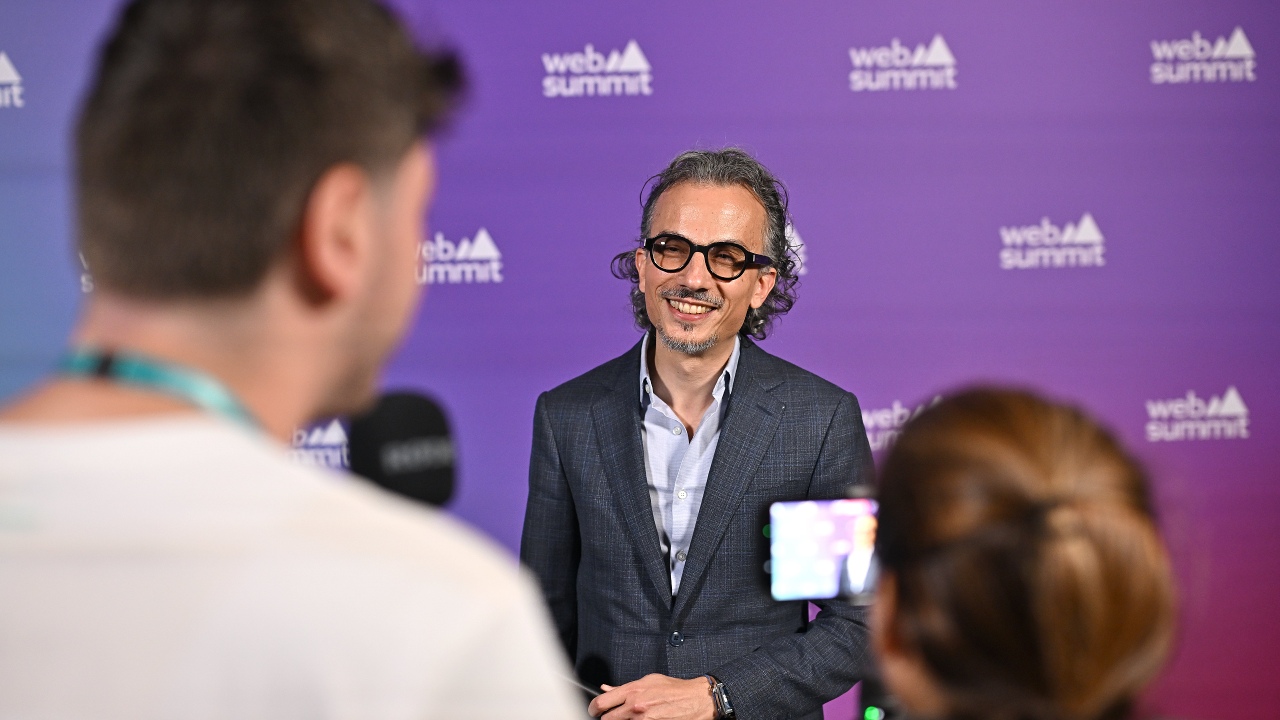
Red Bull’s new Formula One boss is promising a reset that goes beyond lap times and wind tunnel hours. Laurent Mekies is talking about stripping away the noise, dialing down internal politics and rebuilding a culture that prizes racing instincts over boardroom intrigue. His vision is not a slogan, it is a deliberate attempt to steer one of the sport’s most powerful teams back toward the values that first made it feared on track.
That shift matters because Red Bull is not just another entrant on the grid, it is the benchmark that others measure themselves against. When a team of this scale decides to reframe its identity around “pure racing,” the ripple effects touch everything from driver development to how aggressively rivals lobby the rule makers. Mekies is betting that a calmer, more united operation can still deliver titles while repairing a brand image that has been strained by years of off-track drama.
From engineer to power broker: why Mekies’ past shapes his plan
I see Mekies’ push for a cleaner, less political environment as rooted in the way he came up through the sport. He is not a marketing figurehead parachuted in to manage a brand, he is Laurent Philippe Mekies, a career engineer who built his reputation in the garage and on the pit wall. Born in Tours and trained as a technical specialist, he has spent his working life inside Formula One structures that live or die on trust between engineers, strategists and drivers, which makes his current emphasis on unity feel like a continuation of that mindset rather than a sudden conversion.
His official profile describes Laurent Mekies as a French Formula One engineer and team principal who has taken on the top job at Oracle Red Bull Racing in Jul 2025, a move that capped a long journey through the paddock’s most demanding roles. That background matters because it explains why he talks so often about “the best talent” needing space to work together and why he is wary of internal factions that pull a team apart. The same profile of Laurent Mekies highlights his progression from technical roles into leadership, reinforcing the idea that he sees management as an extension of engineering discipline rather than a separate, more political craft.
Rebuilding Red Bull’s culture around “we work hard, we play hard”
When Mekies talks about reducing politics, he is not promising a sterile, corporate environment, he is trying to revive a version of Red Bull that feels competitive and irreverent without being chaotic. He has framed the transformation he is making as a collective effort, stressing that the group has worked to align around shared priorities instead of personal agendas. In his words, “We work hard, we play hard, that is the Red Bull spirit,” a line that captures his attempt to keep the team’s edge while smoothing out the internal friction that has dogged it in recent seasons.
That ethos is already being used to justify structural changes inside the operation, with Mekies describing how “all we have done is to make sure that we, as a group” are pulling in the same direction. The reporting on his early months in charge notes that this cultural reset is not cosmetic, it is tied to how departments interact, how information flows and how conflicts are resolved before they spill into the public domain. By anchoring his message in the familiar Red Bull identity and then insisting that the “we” comes first, he is trying to turn a marketing slogan into a daily operating principle that reduces the space for internal politicking.
Life after Horner: a softer image without losing the killer instinct
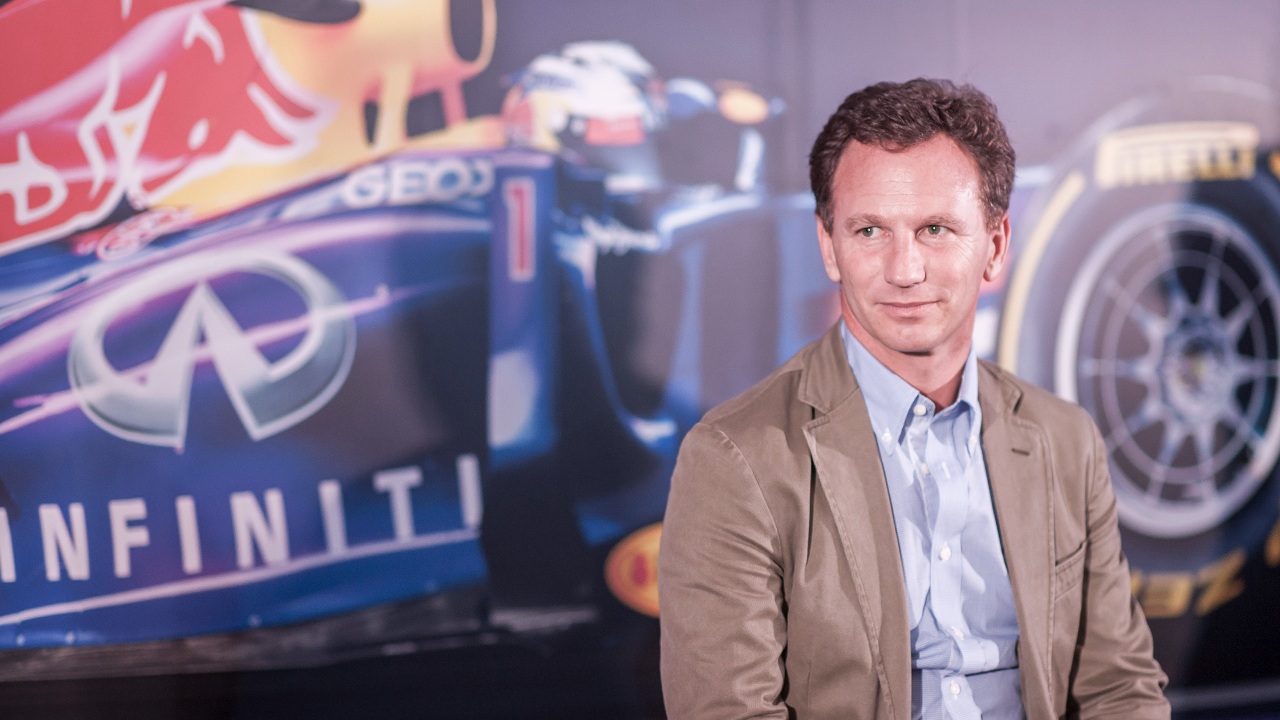
The departure of Christian Horner has left a vacuum that could easily have been filled by more infighting, yet Mekies is using the moment to recalibrate how Red Bull presents itself to the sport and its audience. Analysis of “Life after Horner” stresses that Red Bull’s brand image is now a live issue, with the team needing to show that it can still dominate without leaning on the combative, sometimes confrontational style that defined the previous era. I read Mekies’ rhetoric about “pure racing” as a direct response to that challenge, a way of signaling that the team wants to be known for its performance rather than its politics.
In that context, his arrival is framed as a chance to soften some of the edges without blunting the competitive core that made Red Bull a serial champion. The same reporting on life after Horner notes that the team’s relationship with the sport and with its audience is under scrutiny, which is why Mekies’ emphasis on collaboration and reduced internal drama carries strategic weight. By presenting himself as a calm, engineering-led figure who values unity over confrontation, he is trying to reassure both the paddock and fans that Red Bull can evolve into a more balanced, less polarizing powerhouse while still chasing every tenth of a second.
Engineering discipline as an antidote to paddock politics
What stands out in Mekies’ early messaging is how often he returns to engineering values when asked about politics. He is known for his technical excellence and his ability to nurture a strong team culture, traits that were highlighted in a detailed profile asking who Laurent Mekies is and whether he can be a difference maker. That piece described how he brings engineering rigor, safety expertise and a collaborative mindset to leadership, which helps explain why he sees internal disputes as a waste of bandwidth that should be spent on performance.
The same analysis of who Laurent Mekies is underlines that he has built his career on methodical problem solving rather than headline-grabbing soundbites. I interpret his current stance as an attempt to apply that same discipline to the political side of Formula One, treating gossip and power plays as inefficiencies to be engineered out of the system. By foregrounding his track record as a technical leader and culture builder, he is effectively arguing that the best way to win arguments in the paddock is to make them irrelevant by being faster and more reliable on Sunday afternoons.
What “pure racing” could mean for Red Bull’s future
For all the talk of culture and image, the real test of Mekies’ philosophy will come in how Red Bull races over a full season. His comments about focusing on “pure racing” suggest a shift in priorities toward on-track execution, driver confidence and strategic clarity, rather than constant maneuvering in the background. The reporting on his targets for Red Bull notes that he is steering the group through a transformation that touches everything from how the team debriefs after a race to how it responds to setbacks, with the goal of keeping attention fixed on performance rather than blame.
That approach could have practical consequences in areas like risk-taking on strategy, willingness to back young drivers and openness to new technical directions. If the internal environment is genuinely less political, engineers may feel freer to propose bold concepts and drivers may be more willing to admit weaknesses without fearing that honesty will be weaponized against them. The coverage of his early tenure makes clear that Mekies is not promising an easy ride, only a more focused one, and if he can sustain that balance between hard work and the “play hard” spirit he celebrates, Red Bull’s next chapter may be defined less by controversy and more by the kind of relentless, clear-headed racing he has spent his career trying to deliver.


Leave a Reply