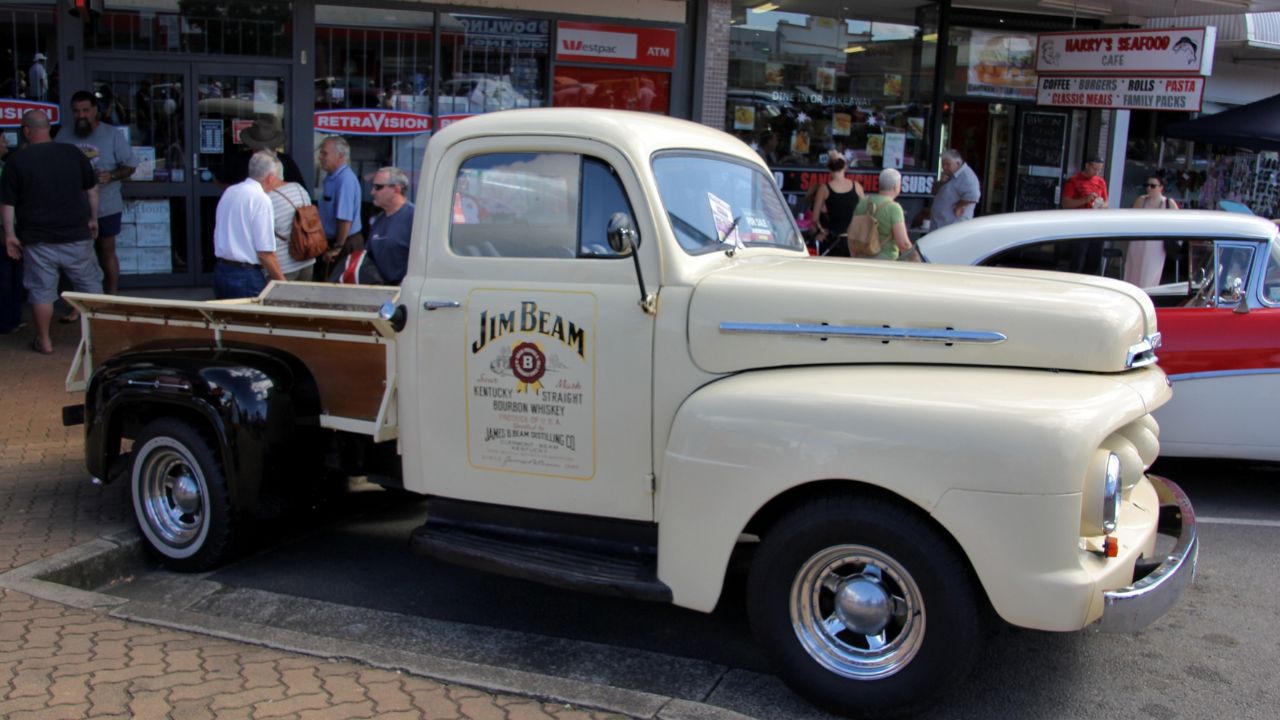
Cars in the 1950s weren’t just machines—they were statements. This was the decade when speed, style, and innovation hit overdrive. Some cars set speed records, some redefined entire categories, and a few were so ahead of their time that even modern cars still borrow from their playbook.This era gave us the first real American sports car, a tiny city car that refused to be ignored, and a pickup that laid the foundation for the best-selling truck in history. Some were instant hits, while others took decades to get the respect they deserved. Either way, these ten cars changed the game in ways that are still felt today.
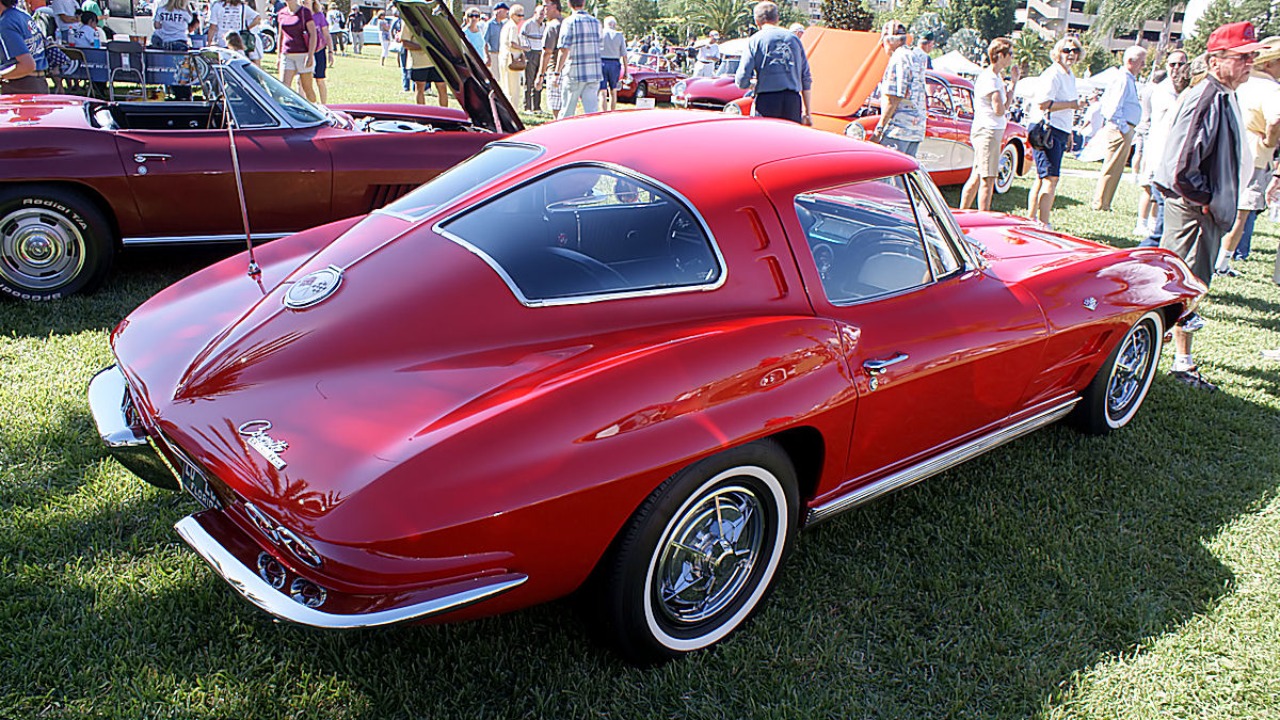
Chevrolet C1 Corvette
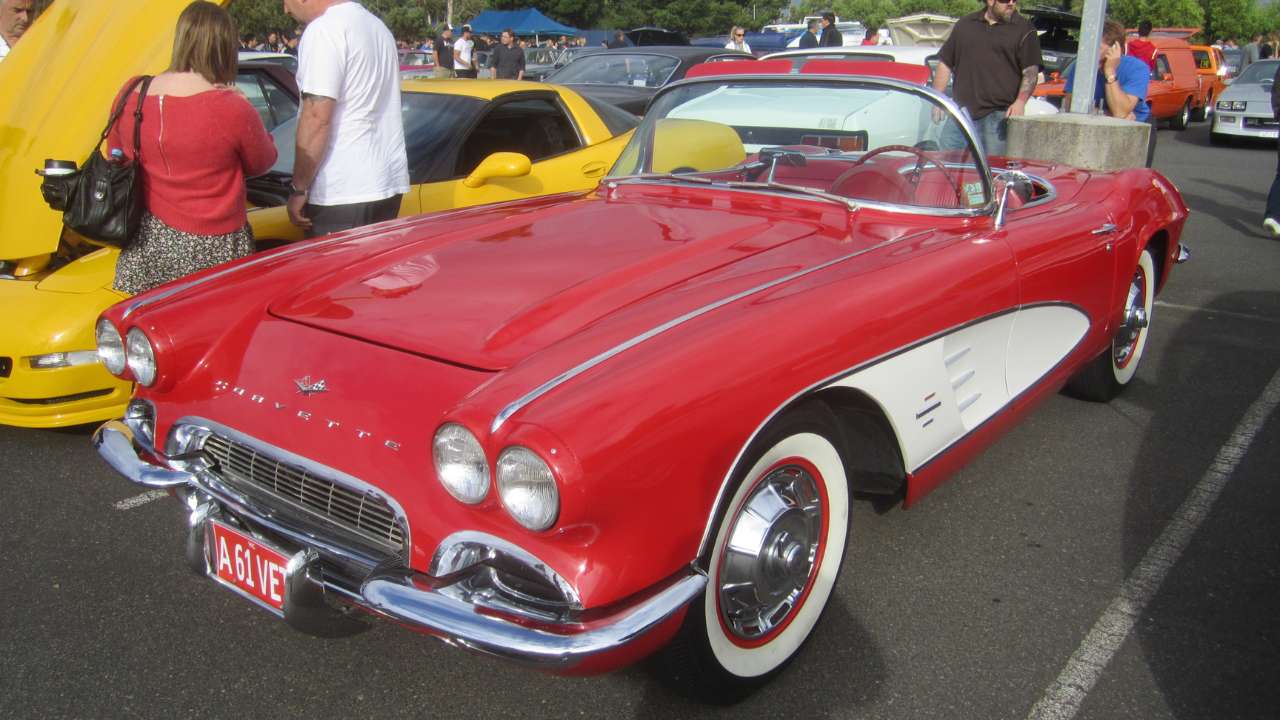
The first-gen Corvette had a rough start. Chevy rushed it into production, and while it looked the part, it didn’t have the muscle to back it up. A six-cylinder engine just wasn’t cutting it for a so-called American sports car. But then, the small block V8 came along, and everything changed.
That V8 gave the Corvette the punch it desperately needed, and suddenly, it had a future. Fast forward to today, and the Corvette is still alive and kicking—now with a mid-engine layout and even a hybrid option in the E-Ray. Not bad for a car that almost got scrapped in the ’50s.
Mini Mark I
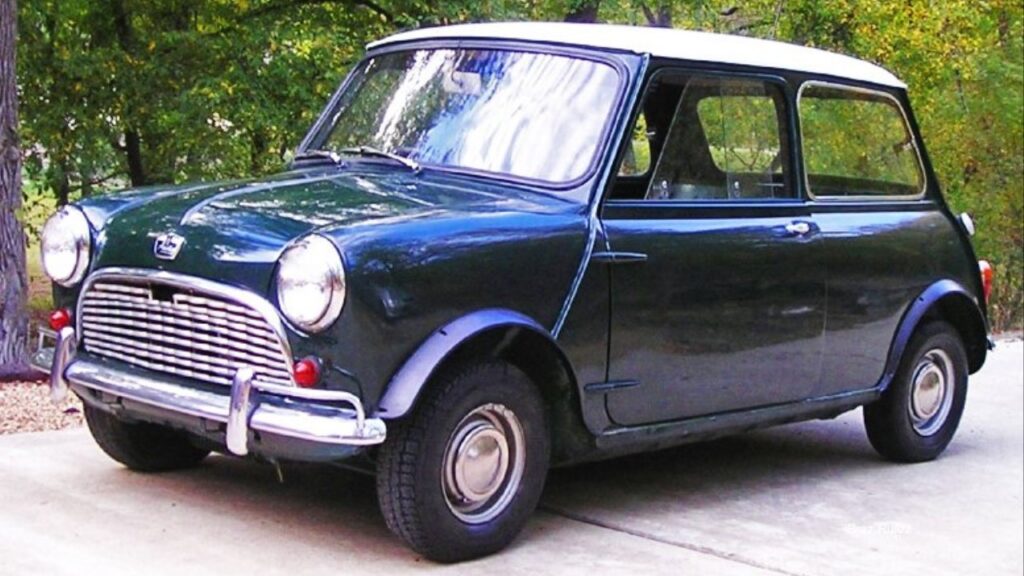
Launched in 1959, the Mini Mark I wasn’t just a small car—it was a total game-changer. It was compact, cheap, and easy to maintain, making it the perfect car for everyday drivers. But it wasn’t just practical; it was fun. The Mini’s go-kart-like handling made it a blast to drive, even with a tiny engine under the hood.
And then came the 1960s, when the Mini turned into a full-blown cultural icon. From rally wins to movie stardom, this little car proved that size doesn’t matter when you’ve got the right formula. Even now, the Mini’s DNA lives on in modern versions.
Original Fiat 500
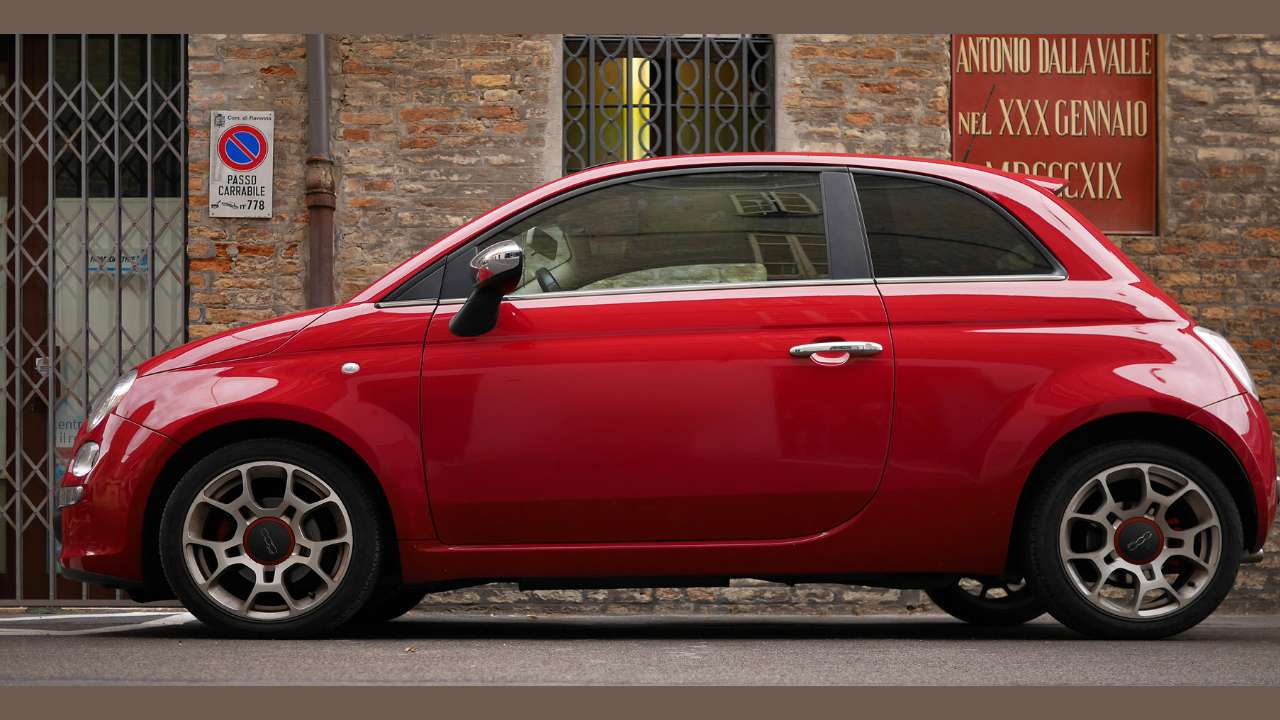
Italy’s answer to the Mini, the Fiat 500, hit the streets in 1957. It was built for the same reason—small, cheap, and practical transportation for the masses. But Fiat gave it its own flavor, with an unmistakably Italian design and just enough space to make it work as a city car.
Over the years, the original 500 became more than just a car—it became a symbol of Italian style. Its charm was so strong that Fiat brought it back decades later, modernized but still instantly recognizable. And just like the old one, the new version is everywhere.
Citroen DS
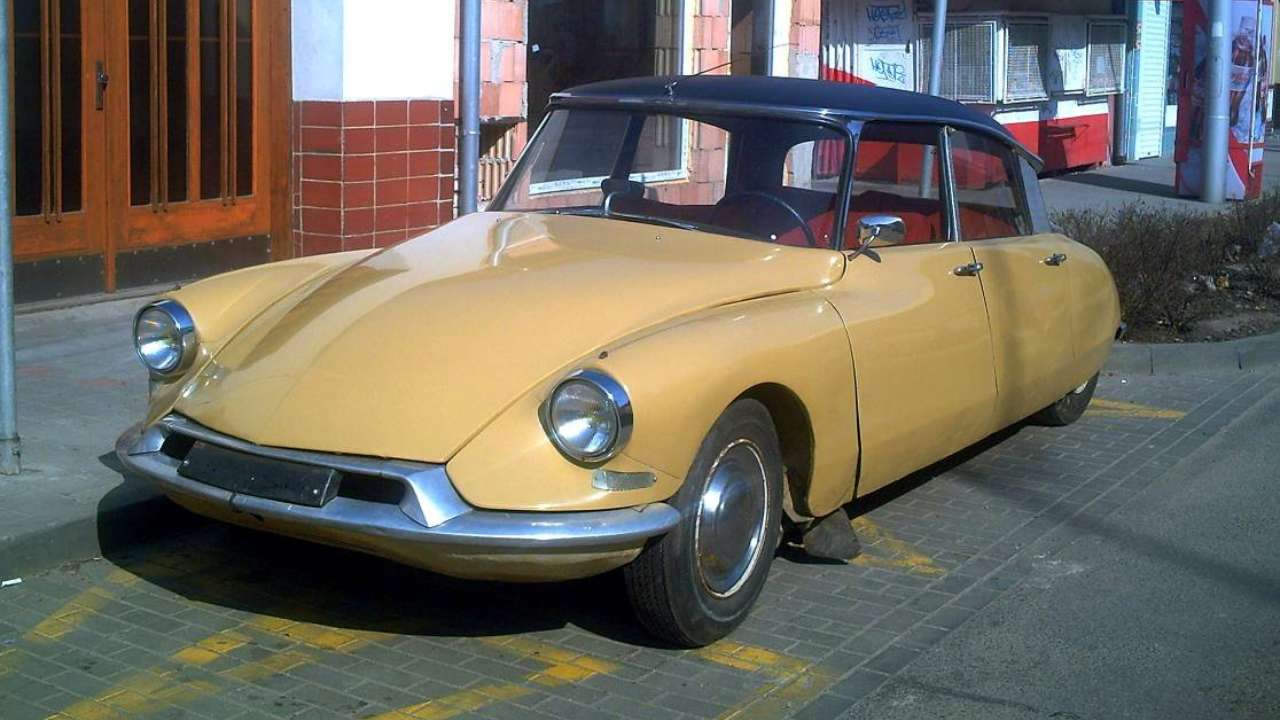
When Citroën dropped the DS in 1955, it looked like something from another planet. While other cars still had boxy, old-school designs, the DS had sleek lines and a futuristic presence. But the real magic was under the skin. It had a hydropneumatic suspension that made potholes feel like nothing, along with disc brakes, power steering, and even directional headlights—decades ahead of its time.
The DS was so far advanced that even today, people still talk about how smooth it rode. It was peak Citroën—bold, different, and not afraid to break the mold.
Lotus Seven
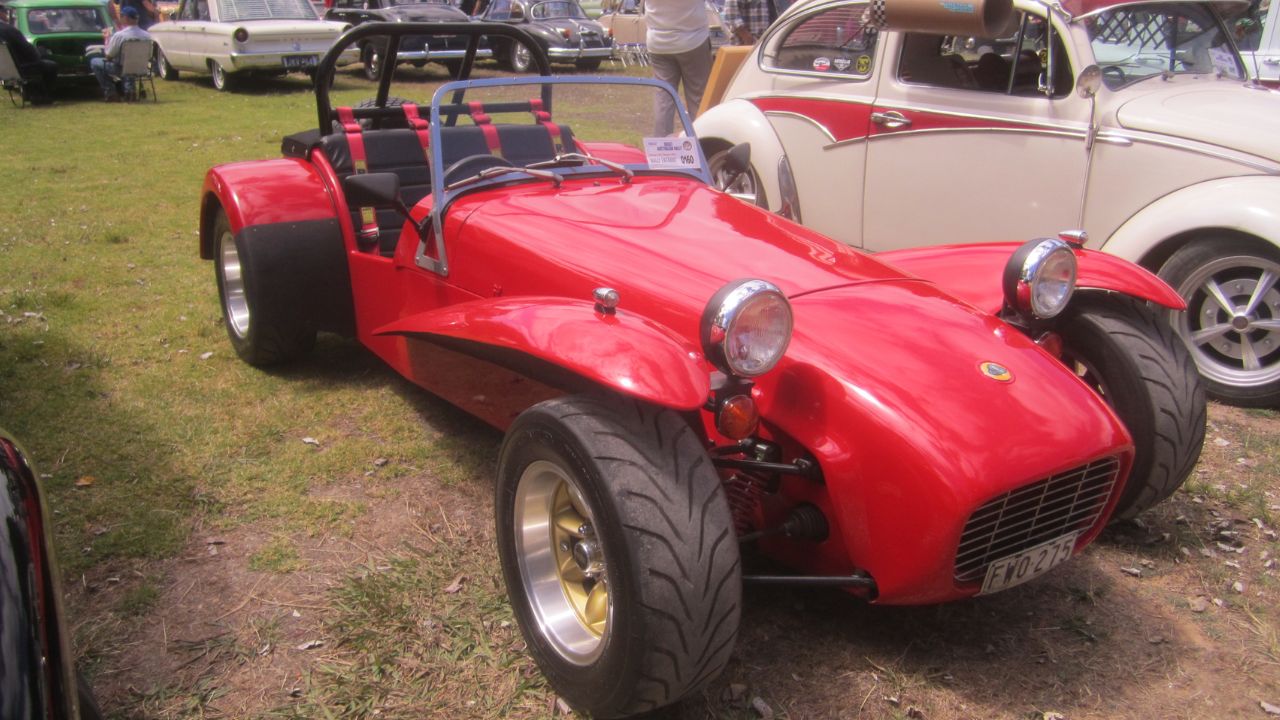
The Lotus Seven was as raw as sports cars get. Built on a lightweight tubular chassis and powered by a 1.2-liter Ford engine with just 40 horsepower, you’d think it would be slow. But it was the exact opposite. Thanks to its featherweight build, the Seven felt ridiculously quick, proving that power isn’t everything.
Lotus kept refining the design, but in the ‘70s, they handed the reins over to Caterham, who kept the legend alive. Even today, you can buy a Caterham Seven, and the formula hasn’t changed much—lightweight, simple, and built for pure driving fun.
Fiat 8V Supersonic
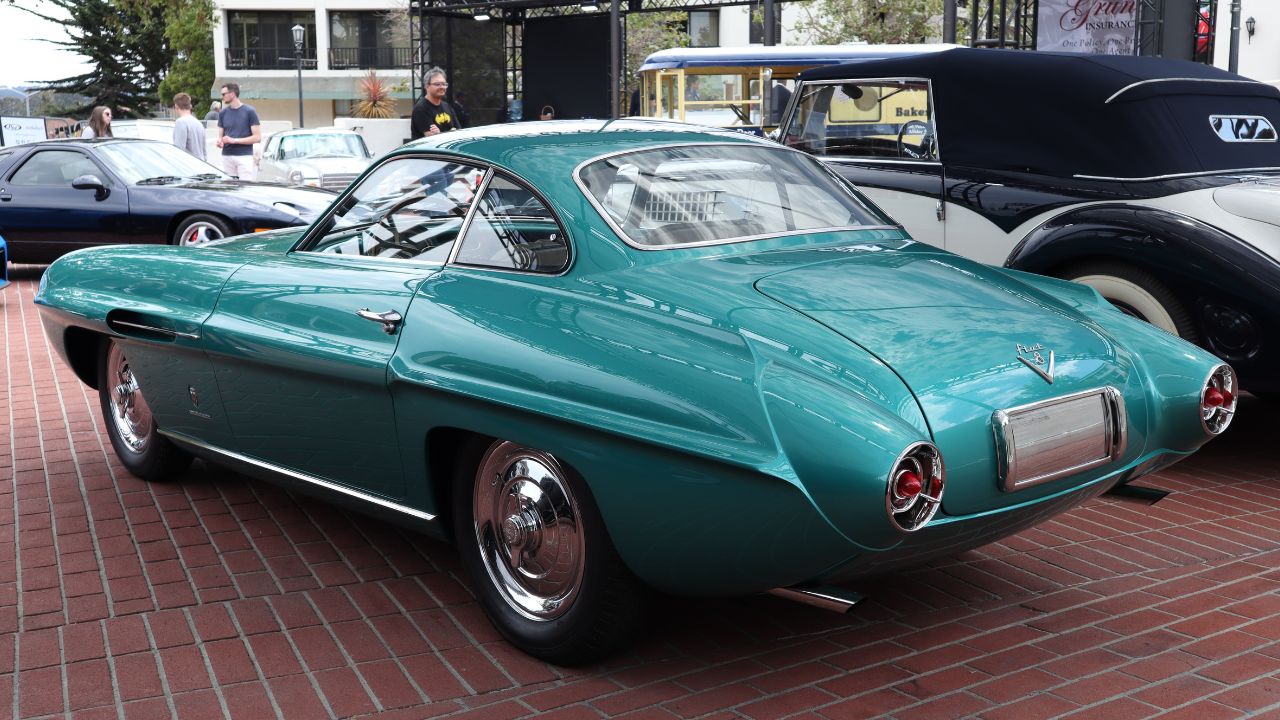
Fiat isn’t usually the first brand that comes to mind when you think of V8-powered sports cars, but in 1952, they shocked everyone with the 8V Supersonic. It wasn’t just fast—it looked like it came straight out of a sci-fi movie, with sleek curves and jet-age styling. Only 114 were built, making it one of the rarest Fiats ever made.
Under the hood was a 2.0-liter V8, an engine originally meant for a luxury sedan that never happened. It started with 104 horsepower, but later versions hit 125, pushing the car to 118 mph. Today, the 8V is a prized collector’s item, and for good reason—it’s a stunning example of ‘50s Italian design and engineering.
Ford F100
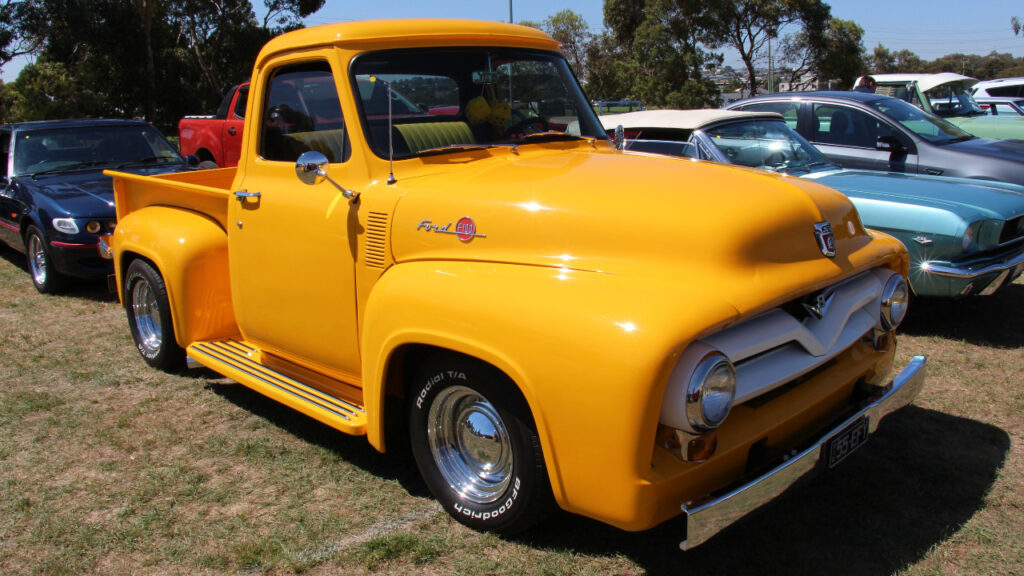
The 1952 Ford F100 was a turning point for pickup trucks. This was when Ford ditched the old F1 name and moved to the F100, setting the stage for the F-Series that would eventually dominate the market. If you drive an F-150 today, you can trace its roots right back to this truck.
This was the first Ford pickup to offer an adjustable bench seat big enough for three people, plus the option for power brakes and an automatic transmission—huge upgrades at the time. It helped push Ford’s trucks from purely workhorses to something more practical for everyday driving. Fast forward to today, and over 40 million F-Series trucks have been sold since the F100 first hit the road.
Jaguar XK120
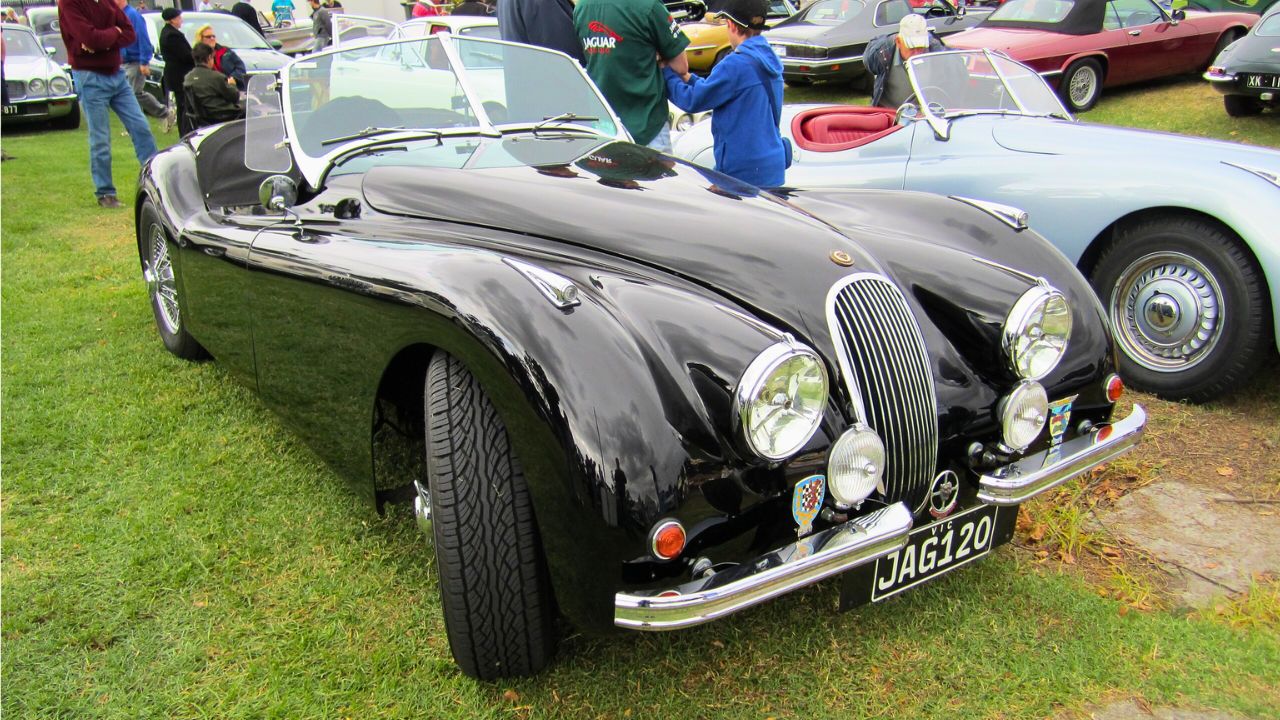
When Jaguar unveiled the XK120 in 1948, it wasn’t even supposed to be a production car. It was just a showpiece to introduce Jaguar’s new XK engine. But the response was so overwhelming that Jaguar had no choice but to put it into production, and by 1954, over 12,000 had been built.
The XK120 was no slouch either. With a 3.4-liter inline-six under the hood, it was the fastest production car in the world at the time. That same engine would go on to power some of Jaguar’s most legendary cars, and the XK120 paved the way for the XK140, XK150, and eventually the legendary E-Type.
BMW 507
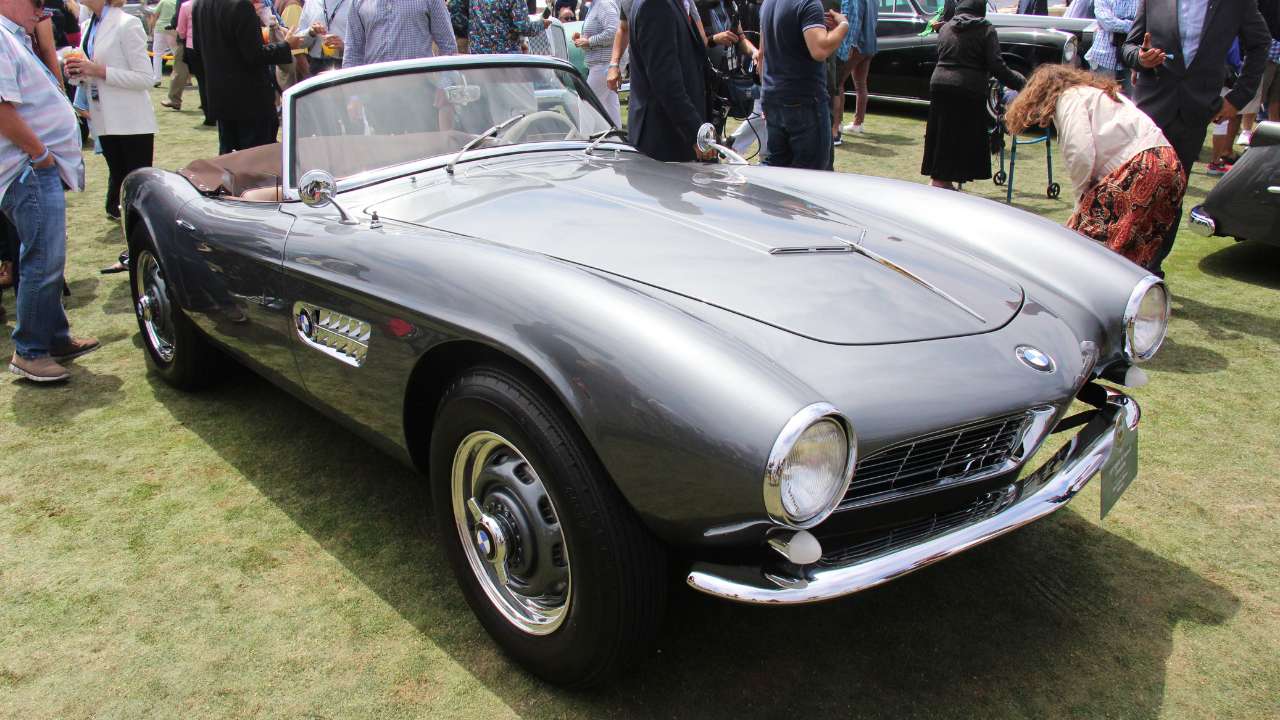
BMW had big ambitions for the 507. It was supposed to take on the Mercedes 300SL and be the brand’s breakout hit in the U.S. Instead, it ended up being too expensive to build, and BMW only managed to sell 252 of them between 1956 and 1959. But while it wasn’t a commercial success, it left a lasting legacy.
With a 3.2-liter V8 making 150 horsepower, the 507 was quick, but its real claim to fame was its styling. It was so timeless that BMW later used it as direct inspiration for the Z8, which borrowed nearly everything from the 507’s design—including those iconic side vents. Today, original 507s sell for millions, and for good reason—it’s one of the best-looking roadsters ever built.
Porsche 550 Spyder

The Porsche 550 Spyder wasn’t just a sports car—it was a giant killer. Built between 1953 and 1956, Porsche only made 90 of them, but that was enough to make history. It was lightweight, nimble, and incredibly quick for its size, and it dominated the 1.1-liter and 1.5-liter racing classes.
Its first major win came at the Nürburgring in 1953, and from there, it became a force to be reckoned with on the track. Today, the 550 Spyder is one of the most valuable Porsches ever made. In 2018, one sold for $5.1 million, and prices have only climbed since.
More from Fast Lane Only
- Unboxing the WWII Jeep in a Crate
- 15 rare Chevys collectors are quietly buying
- 10 underrated V8s still worth hunting down
- Police notice this before you even roll window down
*Research for this article included AI assistance, with all final content reviewed by human editors.