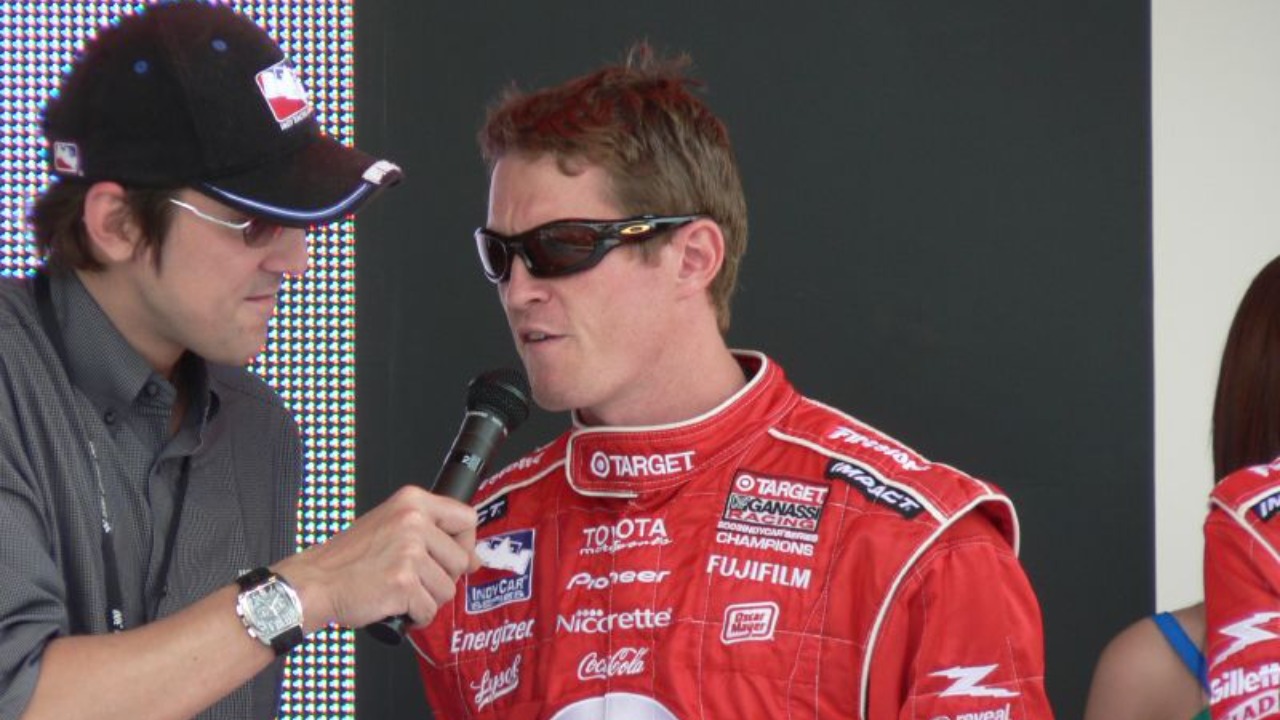
Scott Dixon has spent two decades turning the most volatile form of American open-wheel racing into something that looks almost routine. While louder personalities and flashier storylines often dominate the spotlight, his quiet, relentless efficiency has made him the benchmark for what sustained excellence looks like in the NTT INDYCAR SERIES.
His legend is not built on a single spectacular season or one iconic Indianapolis 500, but on the way he has compressed risk, speed and strategy into a remarkably stable output year after year. I see his career as a rolling case study in how consistency, not noise, is what ultimately bends the record book.
The numbers that define a “quiet legend”
Any conversation about Scott Dixon’s understated greatness has to start with the raw scale of his achievements. He is a six-time NTT INDYCAR SERIES champion and the 2008 Indianapolis 500 winner, a combination that already places him in the rarest company in American open-wheel history. On top of the titles, he holds the most wins of any active driver in the series, which means every additional victory is not just another trophy but an extension of a record he already owns.
The depth of his consistency shows up even more starkly in the week-to-week numbers. Dixon has produced a series record 194 top-five finishes in 370 career starts, a strike rate of 52.3 percent that would be impressive in a spec series with limited variables, let alone in a championship that swings between ovals, street circuits and permanent road courses. That level of output over such a long span is why he was honored in the Motorsports Hall of Fame of America alongside other titans of the sport, and it is the statistical backbone of his reputation as IndyCar’s most reliable force.
From rising talent to Chip Ganassi cornerstone
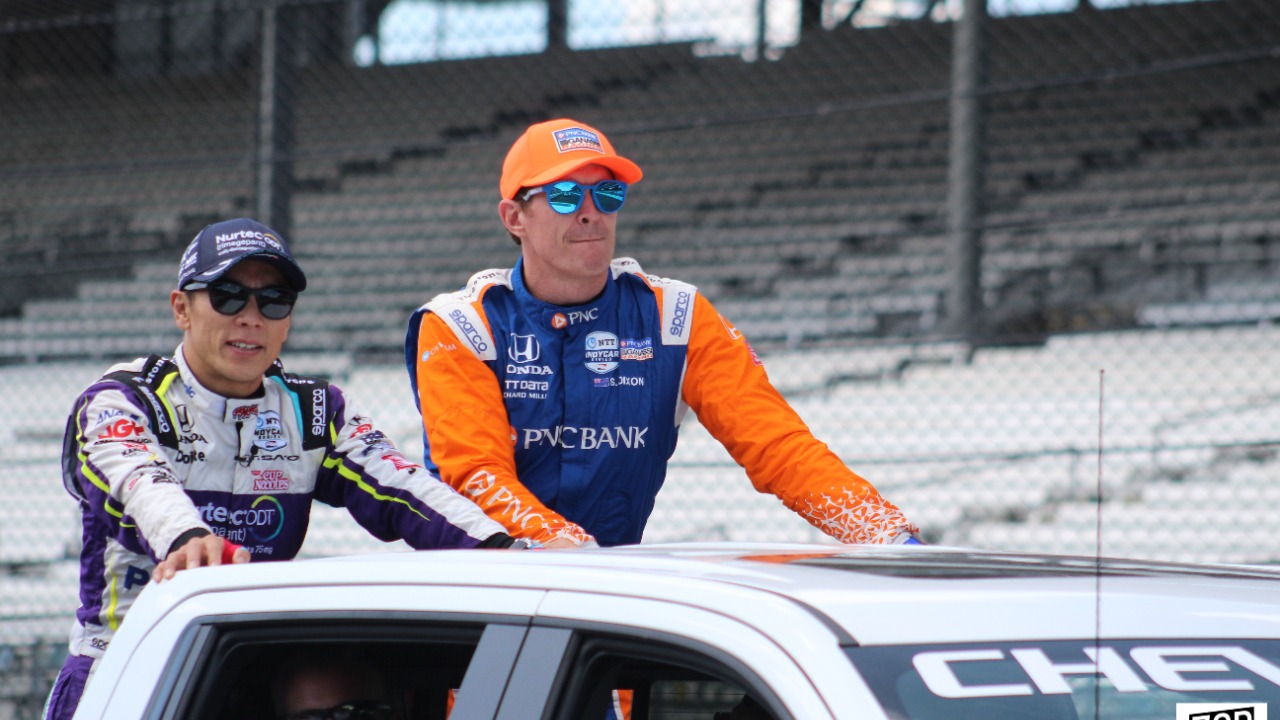
Dixon’s consistency did not appear fully formed; it was forged when he became the centerpiece of one of the series’ powerhouse organizations. One of the defining moments in his career came in 2003 when Scott joined Chip Ganassi Racing in the IndyCar Series, a move that immediately paid off with a championship in his debut season with the team. That early title did more than validate his potential; it established a template for how he and Ganassi would operate, pairing a calm driver with an organization that prizes preparation and execution.
From there, his success continued to mount until he was no longer just a fast driver in a top car but the standard by which others were measured. Within the Ganassi structure, Dixon became the constant around which lineups and engineering groups evolved, a driver whose feedback and racecraft helped shape the team’s identity. Over time, that partnership turned into a feedback loop: the more the team trusted his judgment, the more they were willing to lean into strategies that exploited his strengths, which in turn produced the kind of sustained results that have kept him at the front of the field for so long.
Consistency as a competitive weapon
What separates Dixon from other champions is not just that he wins, but how he turns consistency itself into a form of aggression. Season after season, he remains in the title picture deep into the calendar, often without the streaky peaks and valleys that define some of his rivals. His approach has been described as a masterclass in staying power, with Scott Dixon’s Dominance in IndyCar framed less around raw speed and more around the way he minimizes bad days. In a series where a single misjudged restart or pit call can wreck a championship, his ability to keep finishing near the front is its own form of pressure on the rest of the grid.
That pattern held again in the most recent campaign, when Scott Dixon secured another top-tier points finish by leaning on the same hallmark consistency that has defined his career. Even in seasons when he does not claim the championship, he forces others to be nearly flawless just to stay ahead of him. Over time, that relentless presence at the sharp end of the standings has turned consistency from a cliché into a tangible competitive edge, one that shapes how rivals call their own races and manage risk across the year.
The “Berkshire Hathaway of drivers” and the art of restraint
Dixon’s style inside the cockpit is as understated as his public persona, which is part of why his legend can feel quieter than his record suggests. Earlier in his career, one profile noted that Not even Dixon‘s exploits always registered beyond the track, where he was likened to the Berkshire Hathaway of drivers, a comparison that captured his preference for steady returns over flashy gambles. That analogy fits the way he manages races, often sitting just off the lead, saving fuel and tires, and then pouncing only when the risk-reward balance tilts decisively in his favor.
His ability to extract pace while conserving resources has become one of his trademarks. Focusing on a fuel-saving strategy is not glamorous, but it is central to how he wins, and Focusing on that discipline has allowed him to get more out of his car than most drivers. Scott showed the modern version of that craft at the 2024 race At the tight streets of Long Beach, where he turned a fuel-mileage gamble into a strategic masterclass. In a championship where full-course cautions and pit windows can flip the order in an instant, his restraint is not passive; it is a calculated way to control chaos.
How peers and fans frame his place in history
For all the numbers and trophies, Dixon himself has often been reluctant to declare where he belongs in the sport’s hierarchy. That humility has not stopped others from making the case for him. At one point, a detailed look at his career argued that if he were to add yet another title, Dixon would truly, positively be the absolute best there ever has been in Indy car racing. That kind of framing reflects how insiders weigh his longevity, versatility and statistical dominance against legends from earlier eras.
The fan conversation has followed a similar arc, often using his career length and adaptability as shorthand for greatness. In one Comments Section discussion of his most impressive accomplishments, one fan pointed out that His IndyCar career is longer than all of this seasons drivers at Arrow McLaren combined, a statistic that doubles as both trivia and a reminder of how long he has been operating at a high level. When fans start using your career as a measuring stick for entire teams, it is a sign that your legacy has moved beyond simple race wins.
Still focused, still relentless
What makes Dixon’s story remarkable is that his consistency has not faded into a late-career glide. Earlier in the current competitive cycle, he was already looking ahead, with Eric Smith detailing how he left the season finale at Nashville Superspeedway already fired up for 2026 after another strong run. That mindset, treating each year as a platform rather than a capstone, is part of why his results have remained so stable even as younger challengers cycle into the series.
The way his own team frames him now captures the essence of his late-career aura. In one recent tribute, he was described simply and accurately: Focused. Relentless. A driver who performs at his best when everything around him is unpredictable, From the very first lap to the last. That description dovetails with the way his own organization has long portrayed him, with Get To Know pieces on Driver Scott Dixon at Chip Ganassi Racing emphasizing how his calm demeanor and complete skill set set him apart when the pressure spikes. In a sport that often rewards the loudest story, Dixon’s enduring power comes from the same place it always has: a quiet, relentless insistence on being there at the end.