Plenty of sedans built in the 2000s were marketed as sensible transportation, yet a surprising number hide genuinely entertaining driving dynamics under conservative sheetmetal. When I look back at that decade, I see a wave of four-doors that blended everyday usability with chassis tuning, engines, and gearboxes that still feel engaging today. The most rewarding examples deliver steering feel, balance, and character that stand up even against newer performance cars, especially once you understand what made them special when they were new.
From high-revving Japanese sport sedans to turbocharged European sleepers and sharp-handling American compacts, the 2000s quietly produced some of the most satisfying driver’s cars you can still buy for reasonable money. The models below earned that status not through nostalgia, but through hardware and engineering choices that contemporary road tests and long-term reviews consistently praised for their precision, feedback, and real-world pace.
High-revving Japanese sport sedans that love to be pushed
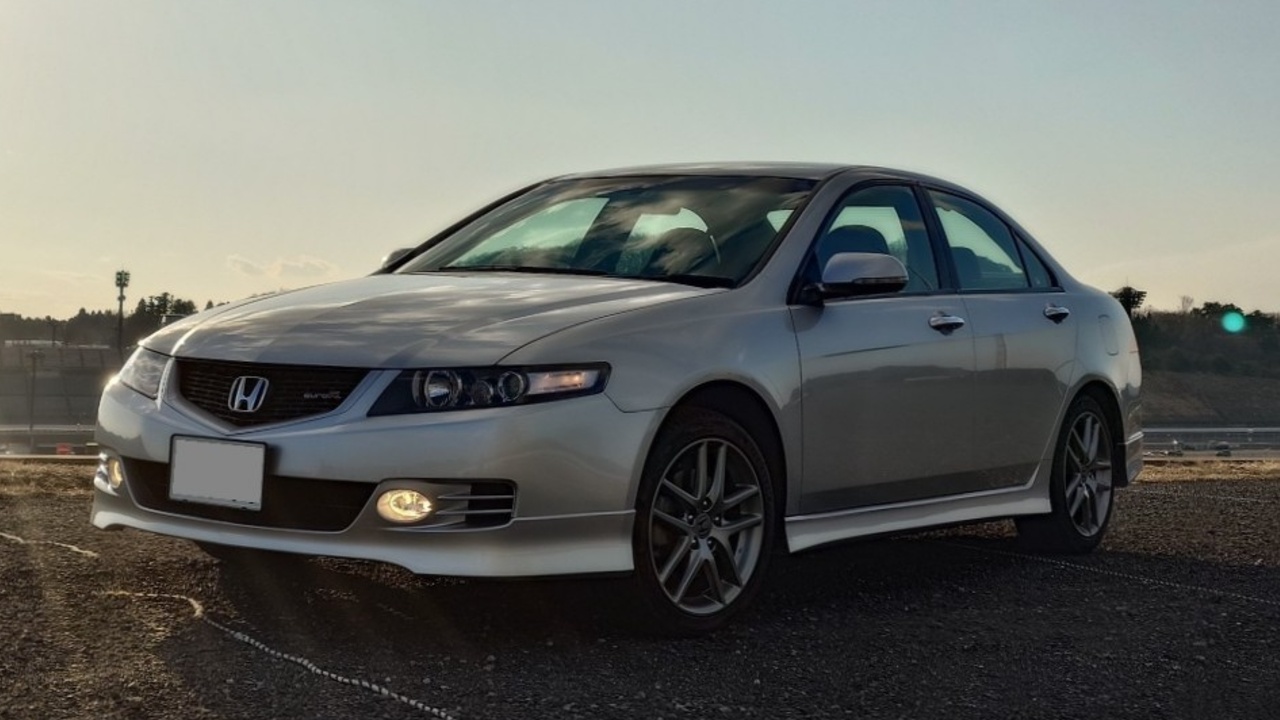
Among 2000s four-doors, few feel as alive as the Acura TSX and its Honda and Acura siblings that shared the K-series and F-series engines. The first-generation TSX arrived with a 2.4‑liter four-cylinder that loved to spin, a slick six-speed manual, and a chassis that reviewers repeatedly described as balanced and eager to change direction. Period tests highlighted how the TSX combined everyday comfort with steering that stayed accurate at higher speeds and a suspension that encouraged late braking and mid-corner adjustments, traits that made it far more entertaining than its spec sheet suggested, as detailed in contemporary long-term testing.
The same basic formula showed up in the Acura TL of the era, particularly the third-generation car with its 3.2‑liter V6 and available six-speed manual with a limited-slip differential. That combination gave the TL strong straight-line performance and the ability to put power down cleanly out of tight corners, something reviewers called out when comparing it with rear-drive rivals. Reports from the time noted that the TL’s steering was lighter than some European competitors but still precise, and that its chassis tuning struck a sweet spot between compliance and body control, which helped it feel playful on back roads while remaining composed on the highway, a balance underscored in period long-term reviews.
European turbo sedans that turned commuters into sleepers
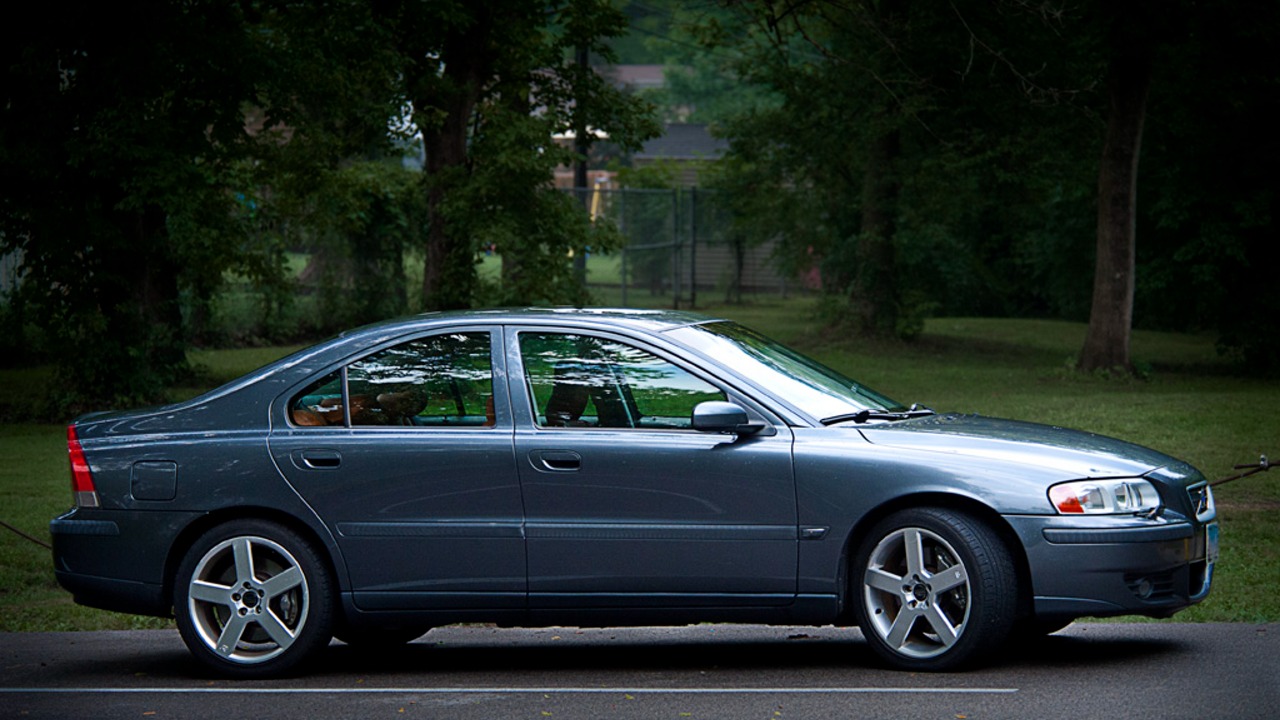
On the European side, the 2000s were a golden era for understated turbocharged sedans that could embarrass sports cars while looking like company cars. The Volvo S60R is a prime example, pairing a turbocharged five-cylinder engine with all-wheel drive and an adjustable suspension that let drivers toggle between comfort and a firmer, more controlled setting. Contemporary testing emphasized how the S60R’s broad torque band and confident traction made it deceptively quick on real roads, while its steering and chassis tuning delivered a level of engagement that surprised anyone who associated the brand only with boxy wagons, a point reinforced in detailed long-term coverage.
Volkswagen’s Jetta GLI from that decade followed a similar sleeper template, especially in trims that combined the 2.0‑liter turbocharged four-cylinder with a manual gearbox. Reviewers at the time praised the GLI for its strong midrange punch, relatively light curb weight, and steering that communicated what the front tires were doing, making it feel more like a hot hatch with a trunk than a traditional compact sedan. Long-term tests noted that the suspension tuning kept body roll in check without punishing occupants on rough pavement, and that the car’s brakes and chassis balance encouraged enthusiastic driving on twisty roads, observations that show up repeatedly in period long-term reports.
American compacts that finally got serious about handling
While American sedans of the 1990s were rarely praised for their dynamics, the 2000s saw a shift toward genuinely capable compact four-doors. The Ford Focus of that era, particularly in its sport-oriented trims, stood out for steering feel and chassis tuning that drew comparisons to European benchmarks. Road tests from the time highlighted how the Focus delivered quick turn-in, a stable rear end that could still be coaxed into rotation, and a ride quality that stayed comfortable even on rougher surfaces, a combination that made it a favorite among driving enthusiasts and autocrossers, as documented in period long-term evaluations.
Chevrolet’s Cobalt SS sedan, especially in its supercharged and later turbocharged forms, pushed the idea further by adding serious straight-line performance to a compact four-door. Contemporary reviews pointed to the Cobalt SS’s strong acceleration, firm but controlled suspension, and brakes that held up to repeated hard use, making it feel more like a budget track car than an economy sedan. Long-term testing also noted that the steering, while not as nuanced as some European rivals, remained accurate and confidence inspiring at higher speeds, which helped the car earn a reputation as one of the more engaging American compacts of its time, a view supported by detailed long-term reports.
Luxury sedans that hid sports-car moves under conservative styling
Several luxury sedans from the 2000s managed to deliver sports-car-like responses while wearing understated bodywork and offering full-size comfort. The BMW 3‑Series of that decade, particularly the E46 and early E90 generations, is often cited for its steering feel, near-ideal weight distribution, and suspension tuning that encouraged precise placement on the road. Long-term tests repeatedly praised how the 3‑Series combined everyday usability with a chassis that rewarded smooth inputs and high cornering speeds, and how its inline-six engines provided linear power delivery and a satisfying soundtrack, as captured in extensive long-term coverage.
Infiniti’s G35 sedan brought a different flavor to the same idea, pairing a powerful V6 with rear-wheel drive and a chassis that felt more playful than many of its rivals. Reviewers at the time highlighted the G35’s strong acceleration, communicative steering, and willingness to rotate under power, traits that made it feel closer to a sports coupe with extra doors than a traditional luxury sedan. Long-term evaluations also noted that while the ride could be firmer than some competitors, the payoff was a car that stayed composed at higher speeds and encouraged enthusiastic driving on winding roads, a balance that shows up clearly in period long-term tests.
Rally-bred four-doors that turned every drive into a stage
At the extreme end of 2000s sedan performance, rally-derived models like the Subaru Impreza WRX and Mitsubishi Lancer Evolution transformed everyday commutes into something closer to a special stage. The WRX sedan combined a turbocharged flat-four with all-wheel drive and a relatively compact footprint, giving it strong traction and the ability to carry speed through poor conditions that would slow down more traditional performance cars. Contemporary long-term testing emphasized how the WRX’s boosty power delivery, quick steering, and compliant yet controlled suspension made it feel eager on back roads and surprisingly capable on track days, a characterization supported by detailed long-term reviews.
The Mitsubishi Lancer Evolution took that formula further, with more aggressive turbocharging, sharper suspension tuning, and advanced all-wheel-drive systems that actively shuffled torque to maximize grip. Reviewers repeatedly described the Evolution as one of the most focused driver’s cars of its time, noting its rapid steering, minimal body roll, and brakes that withstood heavy use without fading. Long-term reports also pointed out that while the ride could be harsh and the cabin relatively basic, the payoff was a sedan that delivered extraordinary pace and feedback on challenging roads, a tradeoff documented in period long-term testing.