
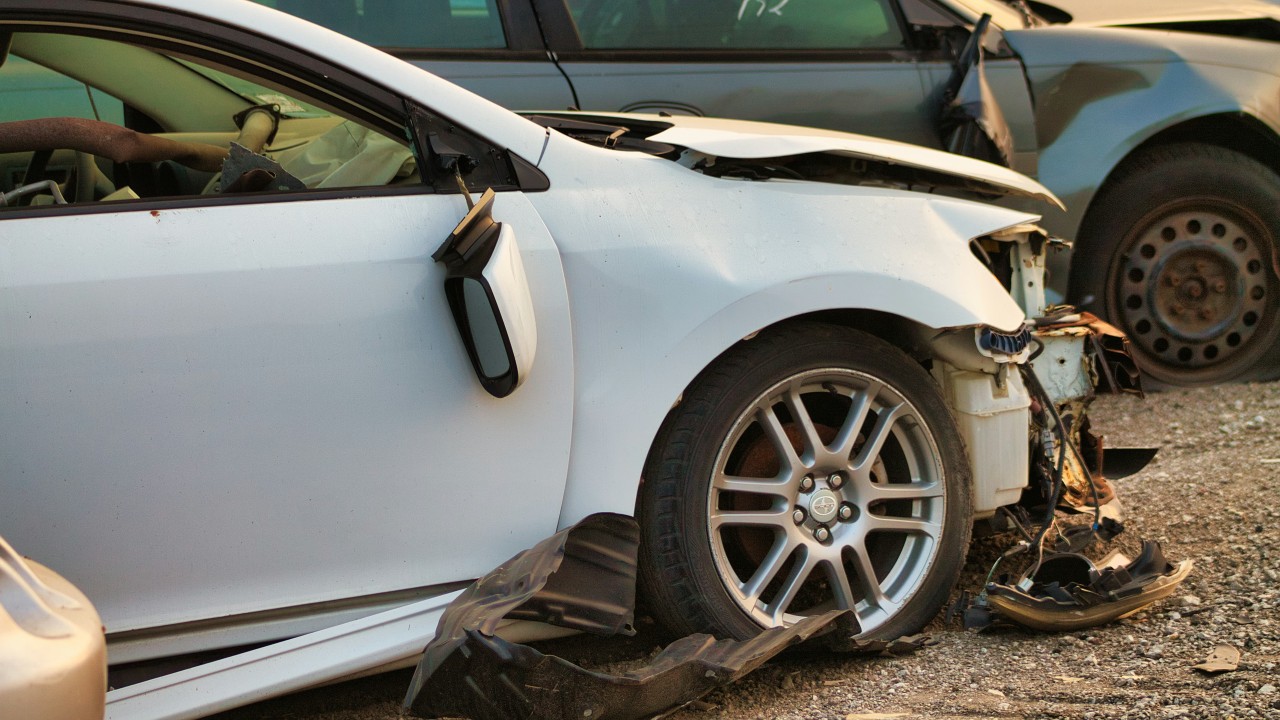
The automotive industry is undergoing a significant transformation as regulators and manufacturers focus on enhancing vehicle safety standards. A key area of development is the tightening of side-impact crash standards in new car models. These changes have widespread implications, affecting everything from manufacturing processes to consumer expectations. As new technologies are integrated into vehicle design, the landscape of automotive safety continues to evolve.
The Evolution of Side-Impact Crash Standards
Side-impact crash standards have come a long way since their initial implementation. Historically, these standards were minimal, focusing primarily on frontal impact protection. However, as data on accident fatalities and injuries became more comprehensive, the need for robust side-impact protection became evident. In the late 1990s, regulations began to reflect this understanding, with agencies like the National Highway Traffic Safety Administration (NHTSA) in the U.S. introducing more stringent side-impact crash tests.
In recent years, regulatory bodies worldwide have pushed for even stricter safety protocols. For instance, the European New Car Assessment Programme (Euro NCAP) updated its testing procedures in 2020 to include more severe side-impact tests that simulate collisions with larger vehicles or objects. Organizations like the Insurance Institute for Highway Safety (IIHS) have been instrumental in shaping these new standards, advocating for more comprehensive testing that includes side airbags and reinforced vehicle structures. This push has encouraged manufacturers to innovate and adapt their designs to meet these heightened safety expectations.
Technological Innovations in Crash Prevention
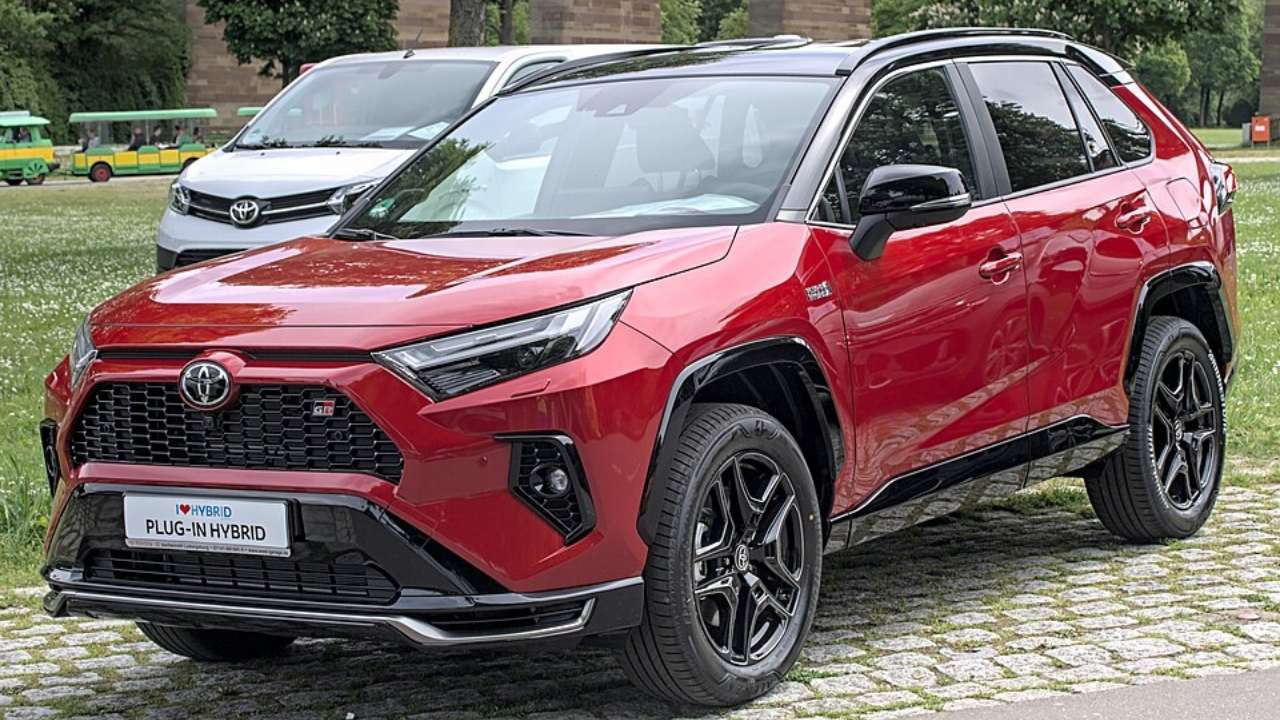
Recent advancements in materials science and engineering have enabled manufacturers to significantly enhance the side-impact resistance of vehicles. High-strength steel and aluminum alloys are now commonly used to reinforce the side panels and frames of cars, providing better absorption of collision forces. The 2021 Toyota RAV4, for example, utilizes a combination of these materials to improve its crashworthiness, achieving high safety ratings in side-impact tests.
Beyond materials, the integration of sensor technology and artificial intelligence (AI) has transformed how vehicles detect and respond to potential crashes. Modern cars, like the 2023 Tesla Model Y, are equipped with a plethora of sensors that monitor the vehicle’s surroundings in real-time. These systems can predict an imminent side-impact and deploy safety measures such as pre-tensioning seatbelts and activating side airbags before the collision occurs. Moreover, the advancement of autonomous driving technology promises even greater strides in side-impact safety. By minimizing human error, autonomous systems can potentially reduce the occurrence of side-impact accidents altogether.
Implications for Manufacturers and Consumers
As manufacturers strive to meet new side-impact crash standards, they face both challenges and opportunities. The development of safer vehicles often involves significant research and investment in advanced technologies and materials. Brands like Volvo have long been at the forefront of safety innovation, with the 2022 Volvo XC90 serving as a prime example of how manufacturers can successfully integrate new safety features without sacrificing design and functionality.
These advancements, however, may impact vehicle costs and consumer pricing. While the initial investment in safety technology can drive up production costs, manufacturers often pass on these expenses to consumers. Nevertheless, there is a growing consumer demand for heightened safety features, which has led to an increased willingness to pay for such enhancements. Consumers today are more informed and prioritize safety when making purchasing decisions, leading to a competitive market where safety features become key differentiators among brands.

Case Studies: Leading the Way in Safety
Several automotive brands have emerged as leaders in side-impact safety, continuously pushing the envelope with innovative designs and technologies. Subaru, known for its commitment to safety, has consistently achieved top safety ratings across its lineup. The 2024 Subaru Outback, for instance, incorporates the brand’s EyeSight Driver Assist Technology, which includes a suite of features designed to prevent side-impact collisions.
Success stories in side-impact safety are not limited to a single brand. The 2025 Honda CR-V has also received accolades for its impressive side-impact protection, thanks to its advanced airbag systems and reinforced side structures. These models serve as examples for other manufacturers, illustrating the effectiveness of integrating comprehensive safety measures. Moreover, lessons learned from past side-impact crash tests have been instrumental in guiding current practices, resulting in safer vehicles for consumers worldwide.
Future Directions in Vehicle Safety Regulation
Looking ahead, further regulatory changes are expected to continue shaping the landscape of vehicle safety. Governments and safety organizations are likely to introduce even more stringent standards, with a focus on integrating emerging technologies and ensuring that vehicles can withstand increasingly severe impact scenarios. The timeline for these changes will vary by region, but a global trend towards enhanced safety is evident.
Ongoing research and development play a crucial role in shaping the future of side-impact safety. Innovations in vehicle design, materials, and technology will continue to drive improvements in crash prevention and protection. As the automotive industry moves towards a more connected and autonomous future, safety regulations will need to adapt and evolve to address new challenges.
From a global perspective, comparing standards and advancements across key automotive markets reveals a diverse landscape. While regions like Europe and North America have historically led the way in safety regulation, emerging markets are rapidly catching up, adopting international standards and fostering innovation. This global approach to vehicle safety ensures that advancements are shared and implemented worldwide, ultimately benefiting consumers everywhere.


Leave a Reply