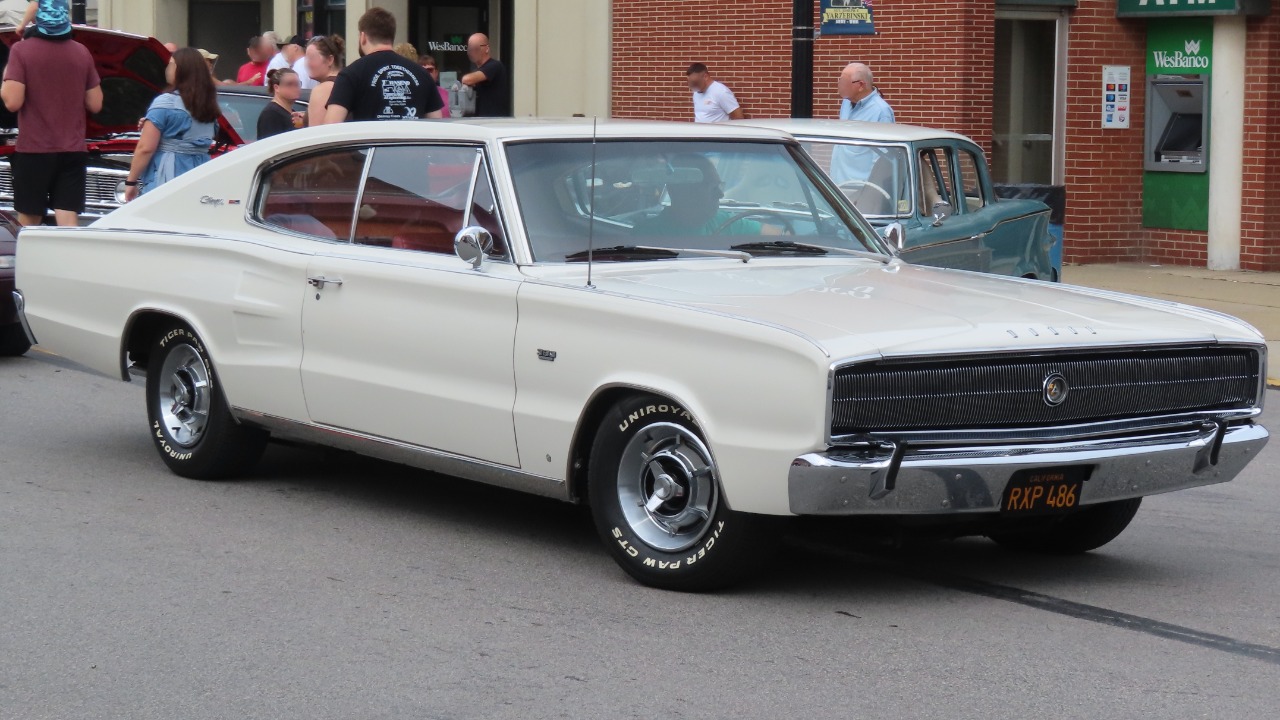
The first-generation Charger arrived in 1966 as a fastback experiment that blended family practicality with emerging muscle car swagger. By 1969, the same nameplate had turned into a sharper, more focused performance icon that looked and felt very different from that original formula. I want to walk through six specific features that evolved in those short years, because they show how quickly Dodge reshaped the Charger to match the late‑sixties horsepower wars.
From fastback profile to muscular coke-bottle shape
Early Chargers carried a pure fastback roofline that flowed almost uninterrupted from windshield to tail, which gave the 1966 car a sleek, almost European profile. That shape helped the first version stand apart inside Dodge showrooms, but it also tied the car visually to the broader B‑body family rather than carving out a distinct identity. By 1968, the entire B‑body lineup went through a redesign, and the Charger gained a more sculpted body with pronounced shoulders and a tighter greenhouse that pushed it closer to the classic muscle silhouette.
The change in sheet metal did more than chase fashion, it repositioned the Charger as a halo performance model instead of a stylish offshoot of the Coronet. Designers pulled the fenders outward, tightened the rear roof pillars, and framed the side glass with heavier structure, which created the muscular “coke‑bottle” stance that enthusiasts now associate with late‑sixties Mopar. That shift came as the B‑body cars were reworked for 1968, when the entire B‑body lineup received new bodies and the Charger moved further away from its earlier fastback look.
Hidden headlamps and grille design get more aggressive
Lighting and grille treatments did as much as the roofline to change the Charger’s personality between 1966 and 1969. The original car used a full‑width grille with concealed headlamps that blended into a single dark panel when closed, which suited the smooth fastback body. That design looked futuristic in the mid‑sixties, but it still read as clean rather than overtly menacing, especially when paired with the relatively simple front bumper and trim.
Later in the decade, Dodge leaned into a tougher face that matched the car’s rising performance image. By 1969, the standard Charger wore a split grille that visually divided the nose and gave the front end more depth and shadow, while still retaining the hidden headlamp idea that had become a signature. Reporting on the late‑sixties evolution notes that 1969 brought “minor tweaks” that included this split grill, which helped the car look more aggressive without a full redesign.
Interior layout shifts from four-bucket experiment to mainstream muscle
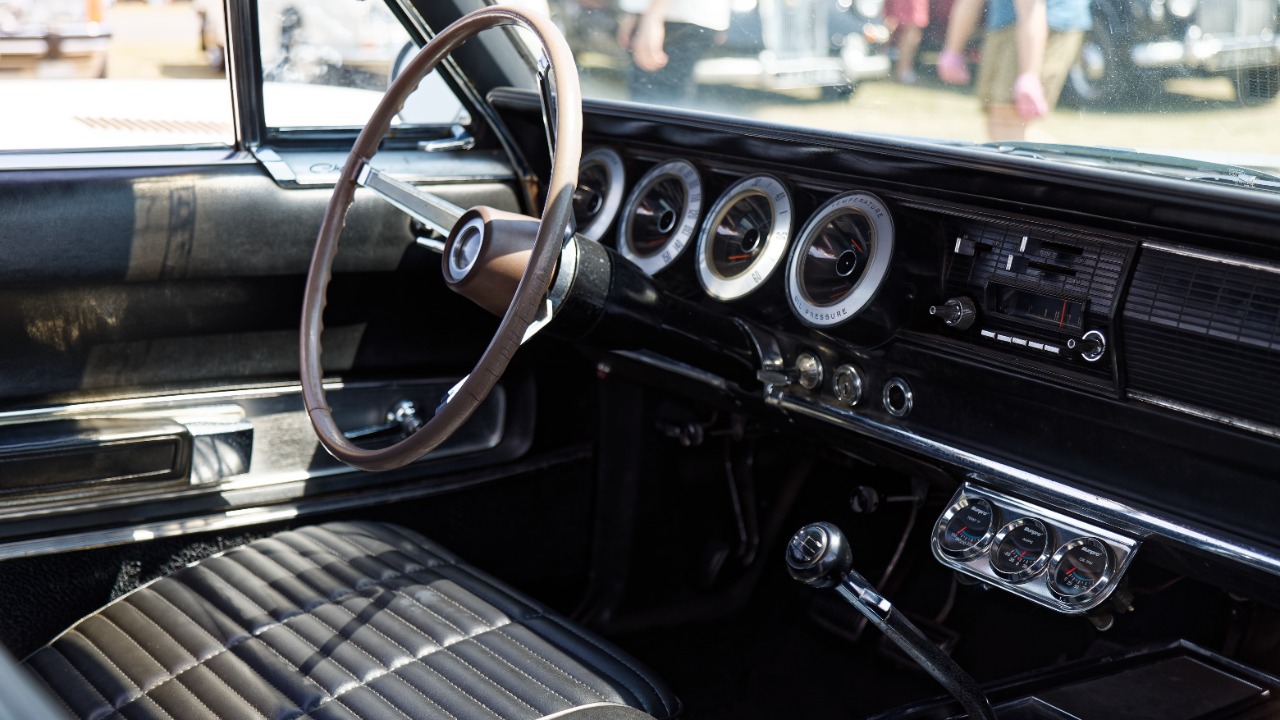
Inside the 1966 Charger, Dodge tried something bold, with four individual bucket seats and a full‑length console that ran from the dashboard to the rear. That layout fit the car’s original mission as a sporty fastback that still offered rear comfort, and it made the cabin feel almost like a personal luxury coupe for every passenger. The design also tied into the broader B‑body architecture of the time, which shared structural hardpoints across several Dodge models.
As the Charger moved deeper into muscle territory, the interior followed suit and became more conventional, with a focus on front‑seat driving position and performance cues. The 1968 redesign of the B‑body platform brought a new cabin that dropped the four‑bucket experiment and aligned the Charger more closely with other performance coupes in the lineup, while still using unique trim and instrumentation to keep it special. That shift unfolded as the entire B‑body lineup changed for 1968, which allowed Dodge to rethink seating and consoles to match the car’s new role.
Powertrain and performance image sharpen around the Hemi
Under the hood, the Charger’s evolution from 1966 to 1969 tracked the broader Mopar march toward serious street performance. The first cars already offered strong engines, but they still had to prove that the nameplate belonged in the same conversation as the most feared muscle machines of the era. Dodge used the Charger to showcase its most potent hardware and to build a reputation that matched the bold styling.
Coverage of the model’s early years notes that, with the Charger, Dodge finally had the platform and the performance image to match the Hemi, and that pairing became central to the car’s identity. A detailed history published on Feb 3, 2021 explains how with the Charger, Dodge could fully exploit the Hemi’s potential, and that connection only grew stronger as the body and chassis updates arrived for 1968 and 1969. By the time those later models hit the street, the Charger had become one of the clearest expressions of Dodge’s high‑performance ambitions.
Chassis, handling, and everyday drivability improve
Styling and engines grab most of the attention, but the Charger’s underpinnings also changed meaningfully between 1966 and 1969. Early cars carried a suspension and steering setup that reflected mid‑sixties priorities, with a focus on straight‑line comfort and highway stability more than sharp cornering. That approach fit the fastback’s grand‑touring flavor, yet it left room for refinement as the car’s performance envelope expanded.
Later versions benefited from incremental improvements in chassis tuning that made the big coupe feel more composed when drivers pushed harder. The 1966 Dodge Charger had a less refined setup than the 1968 Charger, which gained better suspension geometry and more responsive behavior. Those changes helped the 1969 cars deliver performance that matched their aggressive looks and powerful engines, while still serving as daily drivers for buyers who wanted both speed and comfort.
Trim details and visual cues signal a maturing icon
Beyond the big-ticket changes, smaller details also tell the story of how the Charger matured in just a few model years. Early interiors leaned on brightwork and unique touches like special inserts on the instrument panel to give the car a premium feel, which suited its role as a stylish fastback. Exterior trim, including badges and side moldings, remained relatively restrained, letting the fastback roof and full‑width grille do most of the talking.
By 1969, the visual language had shifted toward bolder cues that underscored the Charger’s status as a muscle car flagship. The split grille, revised taillights, and more pronounced body sculpting worked together with performance‑oriented trim packages to create a stronger street presence. Enthusiasts describe how the Charger received these tweaks as part of a steady evolution rather than a single dramatic overhaul, which helps explain why the 1969 model still feels closely related to the 1966 original even as nearly every surface and detail had been refined.