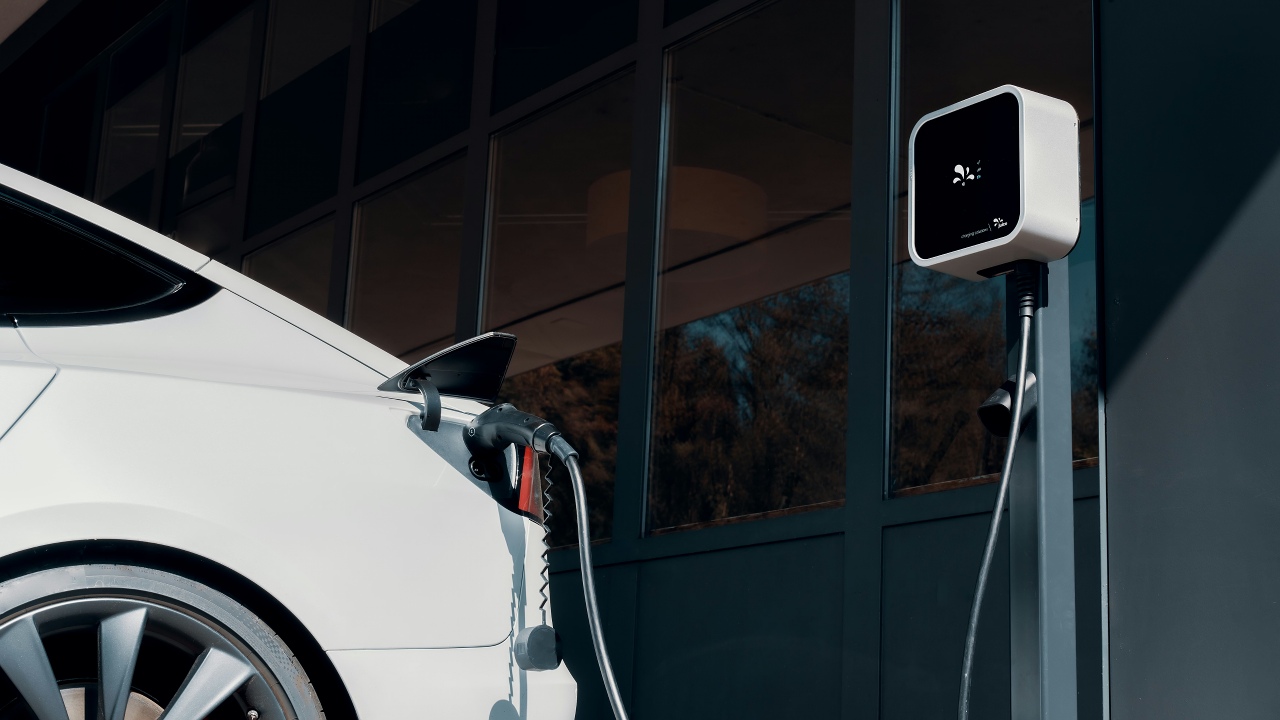
Sixteen states and the District of Columbia are taking the Trump administration to court over its move to halt billions in federal funding for electric vehicle charging, arguing that the White House is trying to dismantle a core piece of national climate and infrastructure policy without approval from Congress. The coalition says the abrupt freeze on EV charger programs has already stalled projects, threatened private investment and undermined state plans to cut transportation emissions.
At stake is not just a line item in a federal budget, but the pace at which the United States can build a coast to coast charging network that makes battery powered cars as practical as gasoline models. By asking a federal judge to force the administration to restore the money, the states are effectively testing how far a president can go in rewriting bipartisan spending decisions that were supposed to guide the EV transition for years.
States accuse Trump of illegally yanking EV charger funds
The lawsuit centers on the Trump administration’s decision to suspend federal EV Charging Infrastructure Programs that had been approved by Congress and launched under Biden era climate legislation. According to the complaint, the White House ordered agencies to stop distributing money for charging and hydrogen fueling projects, even though the funds had already been allocated and states had begun planning and contracting work based on those commitments. State attorneys general argue that by freezing these programs without new legislation, the administration is trying to rewrite the law unilaterally and override bipartisan spending decisions that Congress already made, a claim they say violates basic separation of powers principles and the federal spending clause, as reflected in the description of States Challenge Suspension of Biden.
California Attorney General Rob Bonta has framed the suspension as both unlawful and deeply disruptive, saying the halt has “detrimentally impacted States by stalling planned charging” projects and asking the court to block the Trump Administration from withholding these funds, language that tracks the state’s own description of the Charging Infrastructure Programs dispute. In their filing, the states say the administration offered no meaningful explanation or notice before pulling the plug, echoing a separate account that the department responsible for the money cut it off “without notice or explanation,” a description that appears in coverage of how the States see the move.
Who is suing, and what projects are on the line?
The coalition is led by California, Washington and Colorado, three states that have built aggressive climate policies around rapid transportation electrification and that now say their plans are being undercut by the federal reversal. Reporting on the complaint notes that these three, along with thirteen other states and the District of Columbia, are plaintiffs in the case described as Federal Government Sued By 16 states over Trump’s decision to pull EV charger programs. Separate legal analysis refers to “Fifteen states, the governor of Pennsy” joining a related challenge over withheld electric vehicle program funds, a formulation that underscores how broad the backlash has become and that appears in a summary attributed to Max Robinette of Pittsburgh School of Law, which also cites the figure “52” in its discussion of the broader energy sector impact.
Behind the legal jargon are very concrete projects. States describe highway fast charging corridors that were supposed to support vehicles like the Ford F 150 Lightning and Hyundai Ioniq 5 on long distance trips, urban charging hubs designed to serve apartment dwellers who cannot plug in at home, and hydrogen fueling stations meant to support fuel cell trucks. California’s filing points to stalled installations along major freight routes, while Washington and Colorado officials have highlighted delays in rural and tribal communities that were finally slated to get reliable charging access, details that align with accounts of how the suspension has “detrimentally impacted States by stalling planned charging” and other infrastructure under the Charging Infrastructure Programs and the broader description of EV funding programs for charging and hydrogen fueling infrastructure in the summary of US States Challenge Federal Suspension of EV Funding Programs.
The legal theory: separation of powers and administrative law
At the heart of the complaint is a straightforward claim: once Congress has appropriated money for a specific purpose and the president has signed that spending into law, the executive branch cannot simply decide not to spend it because it dislikes the policy. The states argue that by suspending the EV Charging Infrastructure Programs, the Trump administration is effectively canceling a duly enacted program and “overriding bipartisan spending decisions” without going back to Congress, language that appears in the description of the States Challenge Suspension of Biden era programs. That argument leans on long standing Supreme Court precedent that limits so called impoundment of funds and on administrative law rules that require agencies to provide reasoned explanations when they change course.
The complaint also faults the administration for skipping basic procedural steps. According to the states, the relevant federal department halted the money “without notice or explanation,” a phrase that appears in coverage of how the States describe the freeze, and did so without going through the public comment and rulemaking process that would normally accompany a major policy reversal. Legal observers like Max Robinette of Pittsburgh School of Law have noted that this kind of abrupt shift, especially when it affects long term investments in the energy sector, is likely to draw close scrutiny from judges who have repeatedly told agencies they must justify big changes with evidence and analysis rather than bare political preference.
Economic and climate stakes of a prolonged funding freeze
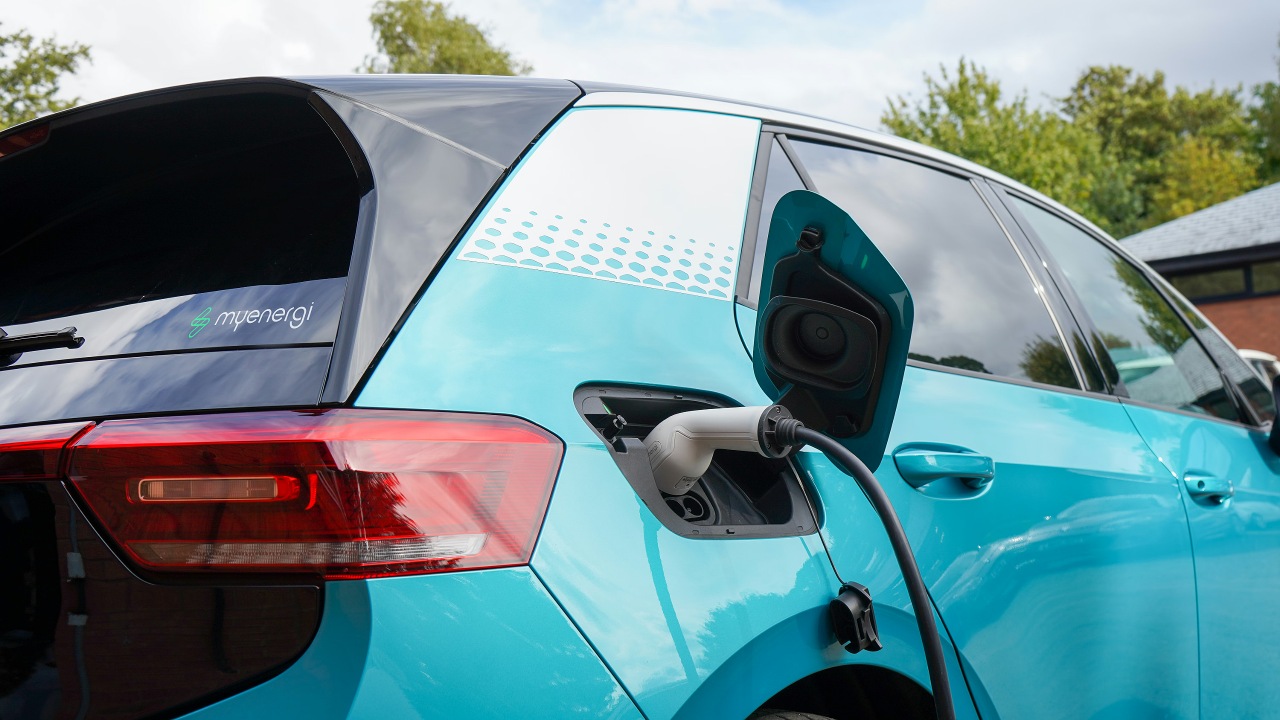
Beyond the constitutional arguments, the states are trying to convey the real world costs of leaving EV charger money in limbo. They say the freeze has already chilled private investment, because companies that were preparing to bid on projects or co invest alongside federal grants are now unsure whether those deals will ever materialize. In their filings and public statements, officials describe contractors pausing work, utilities delaying grid upgrades and automakers rethinking rollout plans for models that depend on a denser charging network, concerns that echo the description of stalled projects and broader risks to “galvanizing the US energy sector” in the analysis attributed to Max Robinette. For states like California, Washington and Colorado that have set binding targets to phase out new gasoline car sales, the delay threatens to widen the gap between policy on paper and infrastructure on the ground, a tension that is reflected in their leadership role in the coalition described in the States Sue Government Over Frozen Federal EV Charging Funds story.
The climate implications are just as stark. Transportation remains the largest source of greenhouse gas emissions in the United States, and the entire logic of the EV push is that drivers will only switch in large numbers if they can count on reliable charging at home, at work and on the road. By slowing the buildout of that network, the funding freeze risks locking in higher emissions for years, especially from heavy duty trucks and SUVs that are only now getting viable electric options. Environmental advocates warn that every year of delay makes it harder to hit mid century climate goals, a concern that surfaces both in the states’ lawsuit and in a separate complaint by green groups who say more projects are “at risk” because of the administration’s actions, language that appears in the description of how Sierra Club, Climate Solutions, Natural Resources Defense Council and Earthjustice have framed their own challenge.
Environmental groups mount a parallel challenge
While the states press their case on constitutional and fiscal grounds, major environmental organizations have filed a separate lawsuit that attacks the same funding freeze from a different angle. The complaint, brought by Sierra Club, Climate Solutions, the Natural Resources Defense Council and Earthjustice, argues that the Trump administration’s decision to halt EV charging funds violates environmental statutes and ignores the climate and public health benefits that Congress intended when it backed the programs. These groups say the administration failed to consider how slowing charger deployment would prolong tailpipe pollution in communities already burdened by smog and diesel exhaust, a framing that appears in the description of the complaint filed by Sierra Club, Climate Solutions, Natural Resources Defense Council and Earthjustice.
The environmental suit runs alongside the states’ case but could give judges additional legal hooks to reinstate the money, including requirements under laws that force agencies to weigh environmental impacts before making major decisions. Coverage of the broader fight notes that “Environmental Groups Sue” in a separate action that challenges the same Trump policy, a phrase that appears in the summary of Environmental Groups Sue and that underscores how unusual it is to see such tight coordination between state attorneys general and national green organizations. If both lawsuits succeed, they would not only restart the flow of EV charger funds but also set a precedent that future administrations cannot quietly dismantle large scale climate programs by starving them of cash.
What happens next for drivers and the EV market
For drivers, the legal fight can feel abstract, but its outcome will shape how quickly charging stations appear in the places they actually need them. If the courts side with the states and environmental groups, agencies would likely be ordered to resume distributing money, allowing stalled projects to restart and new ones to move forward. That would give automakers more confidence to keep rolling out electric models like the Chevrolet Equinox EV and Kia EV9 in markets that are still sparse on fast chargers, and it would reassure utilities that the grid upgrades they are planning will have paying customers. If the Trump administration prevails, however, states will be left scrambling to fill the gap with their own funds or private capital, a much taller order in rural areas and low income neighborhoods where the business case for chargers is thinner, a concern that surfaces in accounts of how the suspension has “detrimentally impacted States by stalling planned charging” and other infrastructure under the Charging Infrastructure Programs.
The federal government, for its part, has been tight lipped. Reporting on the lawsuit notes that The Department of Transportation “did not immediately comment” on the challenge, a detail that appears in the summary of The Department of Transportation response to the states’ filing. That silence leaves the administration’s precise legal rationale somewhat opaque, beyond a general skepticism of Biden era climate initiatives. Until a judge rules, the money will likely remain frozen, and the EV market will have to navigate yet another layer of policy uncertainty at the very moment when mainstream drivers are deciding whether their next car will still run on gasoline or finally plug into a charger.