For most drivers, the real budget killer is not a blown engine or a totaled car, it is the small problem that quietly snowballs into a four‑figure repair. I see the same pattern again and again: a minor leak, a faint noise, or a warning light that seems harmless at first, then turns into a major failure that could have been prevented with a modest fix. By learning which early symptoms matter most, car owners can turn a few timely repairs into thousands of dollars saved over the life of a vehicle.
The key is to treat certain “little” issues as red alerts, not background noise. When I look at what independent mechanics, automaker bulletins, and long‑term reliability data flag as the most expensive failures, the same culprits keep showing up: neglected fluids, ignored warning lights, small leaks, and vibration or noise that drivers learn to tune out. Addressing those early is not about perfectionism, it is about avoiding the kind of cascading damage that wrecks engines, transmissions, and suspensions.
Warning lights that are cheap to fix early
Modern dashboards are designed to give drivers a long runway before something truly catastrophic happens, but that only works if the first warning is taken seriously. I treat the check engine light, oil pressure light, and temperature warning as early‑intervention tools, not as background decorations. A loose gas cap that triggers a check engine light can often be resolved for the cost of a replacement cap, while the same light ignored for months can mask misfires or fuel system issues that damage catalytic converters and oxygen sensors, repairs that routinely run into the four‑figure range once parts and labor are added. When diagnostic tools flag specific fault codes, they often point to relatively inexpensive components such as ignition coils, mass airflow sensors, or evaporative emissions valves that are far cheaper to replace at the first sign of trouble than after they have stressed the rest of the system.
Oil pressure and temperature warnings are even more time‑sensitive, because they usually indicate that the engine is not being lubricated or cooled properly. I have seen drivers continue a commute with a flashing oil light, only to discover later that the engine bearings have been starved of oil long enough to require a full rebuild or replacement. In contrast, shutting the car down immediately and having it towed to a shop often reveals a failed oil pressure sensor, a minor leak at an oil filter housing, or a stuck thermostat, all of which are relatively modest repairs when caught early. Even on older models like a 2012 Honda Accord or a 2015 Ford F‑150, the difference between a sensor replacement and an engine swap can easily exceed several thousand dollars, which is why I treat any red warning light as a reason to stop driving and investigate rather than hoping it will clear on its own.
Fluid leaks and low levels that quietly destroy major components
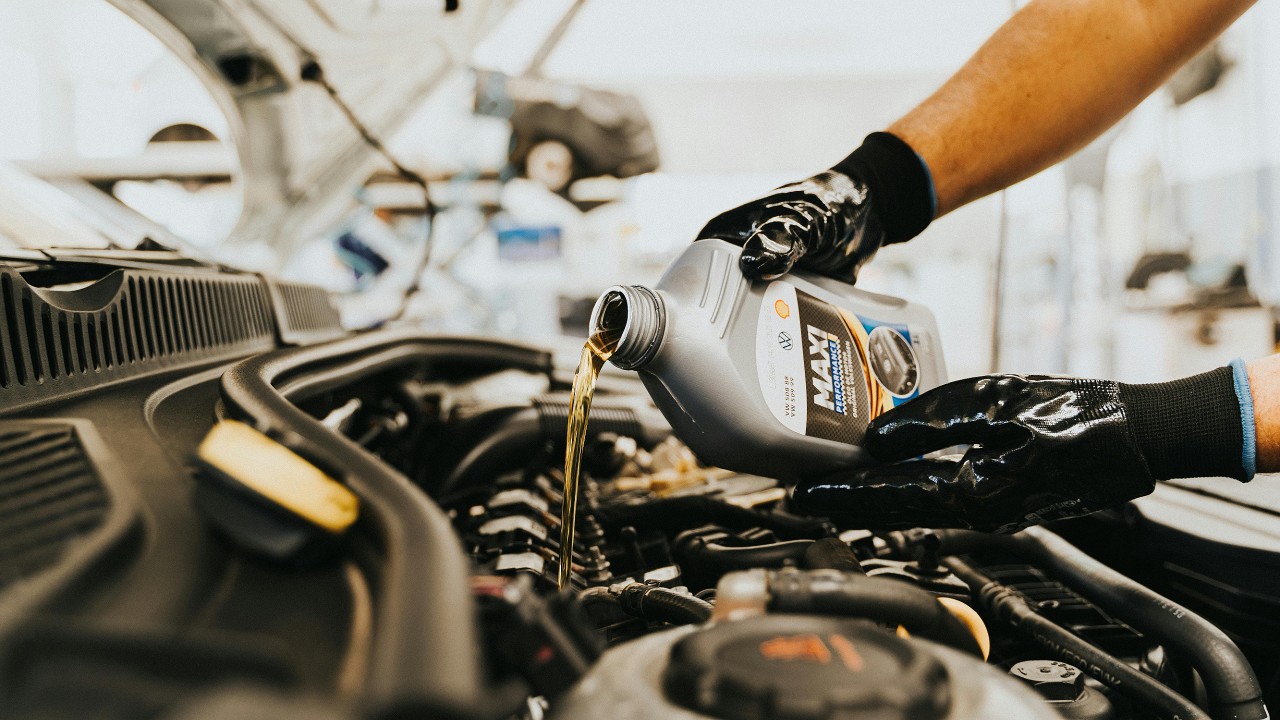
Small spots on the driveway are easy to ignore, but they are often the first and only visible sign that a critical system is running low on fluid. I encourage owners to treat any new stain under the car as a prompt to identify the source, because the color and location of a leak can reveal whether it is engine oil, coolant, transmission fluid, brake fluid, or power steering fluid. A slow coolant leak from a plastic radiator tank or a water pump weep hole might cost a few hundred dollars to repair if addressed promptly, while the same leak left unchecked can lead to repeated overheating, warped cylinder heads, and blown head gaskets that quickly climb into the thousands. Similarly, a minor transmission pan gasket seep on a 2016 Toyota Camry or a 2018 Subaru Outback is relatively inexpensive to reseal, but if the fluid level drops far enough to cause slipping or harsh shifts, internal clutches and bands can burn, shortening the life of the entire transmission.
Brake and power steering leaks carry their own hidden costs. A damp brake line or a small puddle near a wheel can indicate a failing caliper or hose, and replacing those components early is far cheaper than dealing with a seized caliper that overheats the rotor and pads, or a sudden loss of braking that leads to a collision. Power steering systems on many older vehicles use hydraulic fluid that can leak from hoses, pumps, or rack seals; topping off fluid without fixing the source can eventually damage the pump, which is significantly more expensive than replacing a hose or seal at the first sign of a drip. Even engine oil leaks that seem minor, such as a seeping valve cover gasket on a 2014 Chevrolet Cruze, can become costly if they allow oil to contaminate rubber components or ignition parts, or if the owner stretches oil change intervals because the dipstick is not checked regularly. In every case, the cheapest time to fix a leak is when it is first noticed, not when the system has already run dry.
Suspension, tires, and alignment issues that add up fast
Suspension and tire problems rarely fail overnight, which is why they are often dismissed as annoyances rather than urgent repairs. I pay close attention to early signs like uneven tire wear, a steering wheel that pulls to one side, or clunks over bumps, because they usually indicate misalignment or worn components that will only get more expensive if ignored. A simple four‑wheel alignment on a compact car might cost less than a single new tire, yet driving for months with the wheels out of spec can destroy a full set of tires prematurely. On vehicles like a 2017 Honda CR‑V or a 2019 Hyundai Elantra, replacing all four tires ahead of schedule can easily cost several hundred dollars, while the alignment that would have prevented that wear is a fraction of the price.
Worn suspension parts such as ball joints, control arm bushings, and tie‑rod ends also start as subtle symptoms: a slight vibration at highway speeds, a faint rattle over rough roads, or steering that feels loose. Addressing those parts early not only restores ride quality, it prevents secondary damage to tires, wheel bearings, and even steering racks. For example, a failing strut mount on a 2013 Subaru Forester can cause the strut to move excessively, which accelerates tire cupping and can stress other suspension links; replacing the mount and strut when the noise first appears is far cheaper than waiting until the vibration has ruined the tires and compromised other components. I also factor in safety: a worn tie‑rod end that finally fails can lead to a sudden loss of steering control, turning what could have been a moderate repair into a crash with far higher financial and personal costs.
Belts, hoses, and cooling system parts that prevent catastrophic failure
Under the hood, some of the least expensive parts are responsible for protecting the most expensive ones. Rubber belts and hoses age from heat, time, and exposure to oil, and they often give clear visual clues before they fail. I look for cracks, bulges, soft spots, or fraying on serpentine belts and coolant hoses, because replacing them proactively is one of the most cost‑effective ways to avoid breakdowns. A serpentine belt that drives the alternator, water pump, and power steering pump on a 2015 Toyota RAV4 might cost relatively little to replace during routine maintenance, but if it snaps on the highway, the engine can overheat quickly, the battery can discharge, and the driver may lose power steering assist, all of which increase the risk of severe engine damage or an accident.
Timing belts are even more critical on engines that are designed as interference engines, where the valves and pistons occupy the same space at different times. If the belt breaks, the pistons can strike the valves, bending them and often damaging the cylinder head. On models like certain 2010s‑era Honda Civic and Volkswagen Jetta engines, following the recommended timing belt replacement interval is essentially an insurance policy against a repair that can easily exceed the value of an older car. Cooling system parts such as thermostats, radiator caps, and heater hoses fall into the same category of small components with outsized consequences. A stuck thermostat or a weak radiator cap can cause overheating or pressure loss that, if ignored, leads to head gasket failure or cracked engine blocks. Replacing those parts at the first sign of fluctuating temperature readings or coolant loss is far cheaper than rebuilding an overheated engine.
Electrical quirks and battery issues that snowball into bigger bills
Electrical problems often start as minor annoyances, like a slow crank on cold mornings, flickering interior lights, or an intermittent power window. I treat those early symptoms as a cue to test the battery, alternator, and key circuits, because a weak battery or charging system can strain other components and leave drivers stranded. On vehicles with complex electronics, such as a 2018 BMW 3 Series or a 2020 Tesla Model 3, low voltage can trigger a cascade of warning messages and erratic behavior that leads owners to suspect major control module failures. In many cases, replacing an aging battery or cleaning corroded terminals resolves the issue for a relatively modest cost, while continuing to drive with marginal voltage can damage alternators, starters, and sensitive electronics that are far more expensive to replace.
Small electrical faults can also escalate if they are allowed to generate heat or draw excessive current. A power window that moves slowly or a seat heater that cuts in and out may indicate high resistance in a switch or wiring harness, which can eventually lead to melted connectors or even interior fires if left unchecked. Addressing those issues when they first appear usually involves replacing a switch, relay, or short section of wiring, rather than repairing a larger harness or interior trim that has been damaged by heat. I also pay attention to aftermarket accessories such as remote starters, dash cams, and audio systems, because poorly installed add‑ons can create parasitic drains that flatten batteries and confuse vehicle networks. Having a professional clean up or rewire those systems early is far cheaper than chasing intermittent no‑start conditions or replacing control modules that have been exposed to unstable voltage.