
Sports cars that once sat ignored on dealer lots or languished in classifieds are now the focus of intense bidding wars, as enthusiasts chase overlooked performance machines with fresh urgency. Values are climbing for models that used to be dismissed as too heavy, too quirky, or not prestigious enough, and the market is rewarding buyers who spotted the potential early. I see a clear pattern emerging: cars that delivered serious engineering but lacked hype in their day are now being reappraised as drivers rediscover how much performance they offer for the money.
From unloved to unobtainable: Japanese modern classics
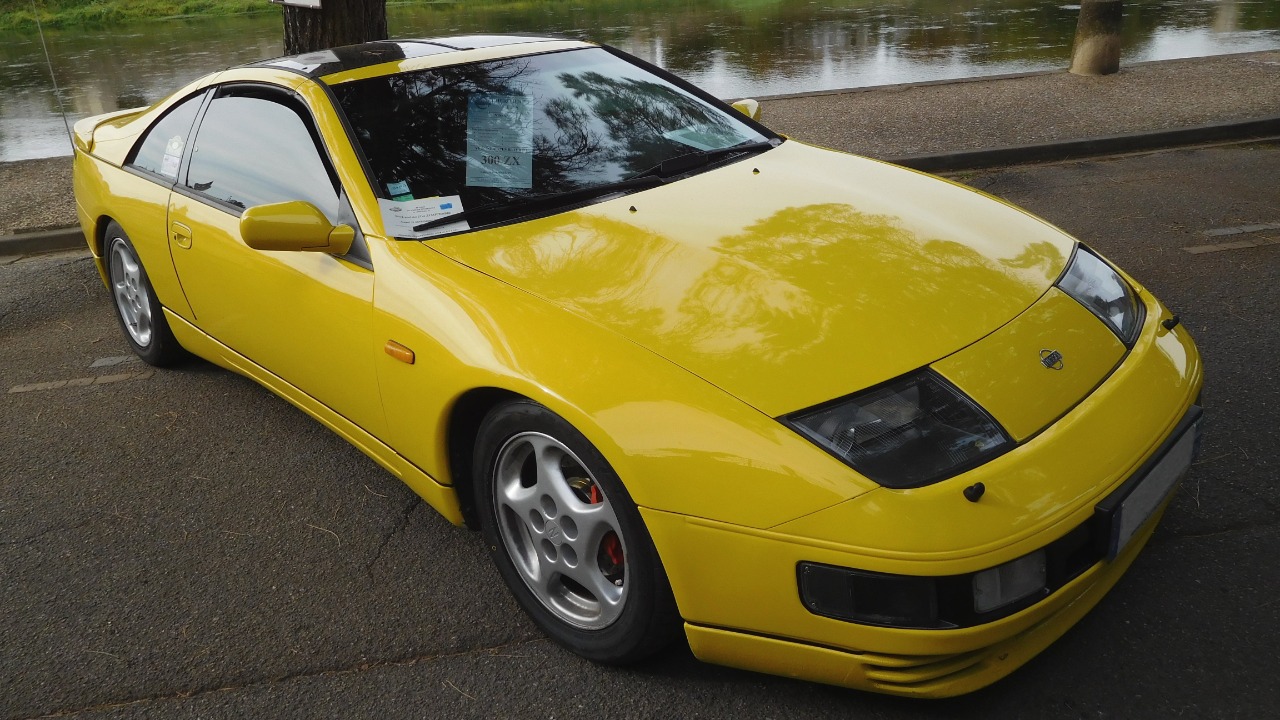
Some of the sharpest reversals in fortune involve Japanese sports cars that were once overshadowed by European badges or their own halo siblings. The second-generation Mazda RX-7 FD, for example, spent years in the shadow of contemporary Porsches and the Toyota Supra, yet its lightweight chassis and twin-turbo rotary now make it one of the most sought-after 1990s performance cars, with clean examples commanding strong premiums on specialist auction platforms. I find the same story playing out with the Nissan 300ZX Twin Turbo, which was long treated as a used GT rather than a collectible, only to see renewed interest as buyers recognize its advanced multi-link suspension and robust tuning potential.
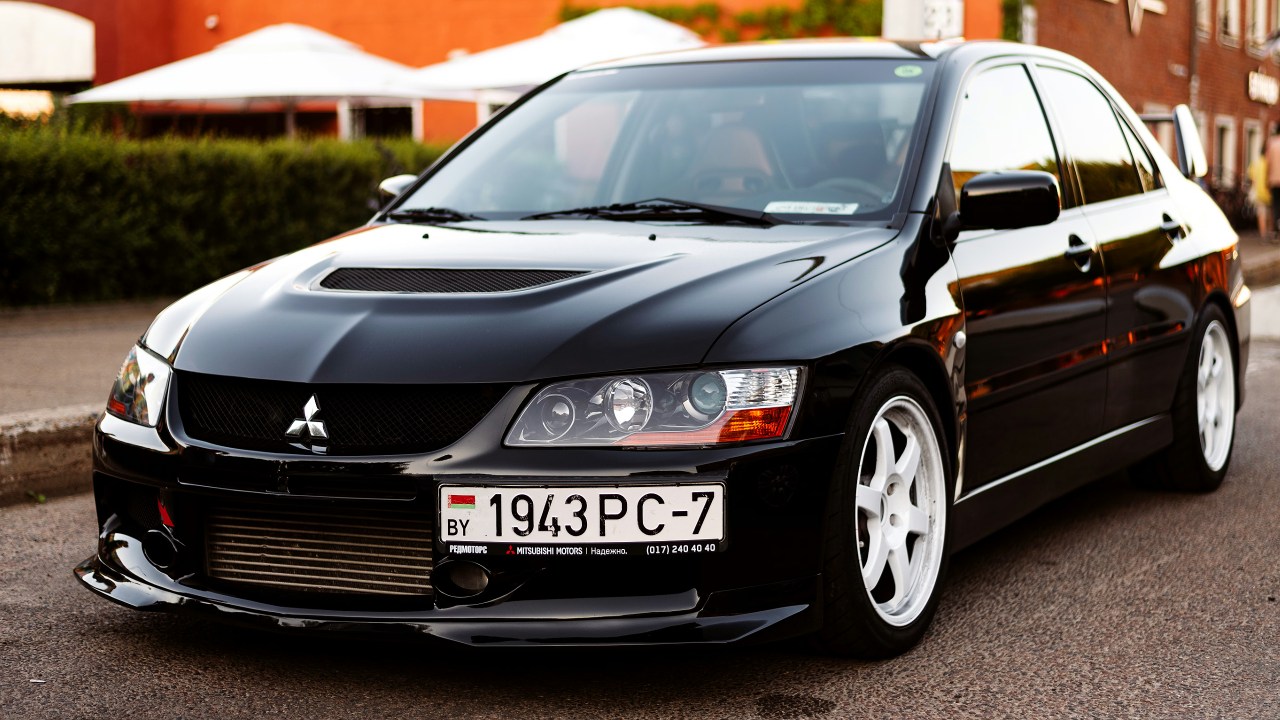
Even more dramatic is the shift around cars that were considered too complex or fragile when new. Early Subaru WRX STI and Mitsubishi Lancer Evolution models were once cheap, hard-used rally replicas, but documented, low-mileage cars now attract intense bidding as enthusiasts chase analog turbo performance that newer models have softened. Market data from enthusiast-focused online auctions shows a clear premium for unmodified examples, a reversal from the era when modifications were almost expected. I read this as a broader re-rating of Japanese engineering from the 1990s and 2000s, where cars that quietly delivered world-class pace are finally being valued on their dynamic merits rather than their original sticker price.
V8 bargains that are no longer cheap

For years, certain V8 sports cars were treated as used luxury liabilities rather than future collectibles, largely because of fears about maintenance and depreciation. The C5 and early C6 Chevrolet Corvette, particularly the Z06 variants, sat in that blind spot: quicker around a track than many European rivals but still pigeonholed as mass-market muscle. As track-day culture has grown and more buyers prioritize performance-per-dollar, I have watched values for clean, low-mileage Z06s climb steadily on specialist valuation tools, reflecting a new respect for their combination of LS power and relatively simple mechanicals.
European V8s have followed a similar arc, especially models that were once dismissed as too heavy or too complicated. Early 2000s Mercedes-Benz AMG coupes and sedans, such as the CLK55 AMG, were long treated as depreciating luxury toys, but their naturally aspirated engines and limited production numbers are now drawing collectors who want character that newer turbocharged cars lack. Sales data from enthusiast marketplaces and insurer-backed market reports shows that well-kept, low-production AMG and BMW M cars are increasingly being pulled out of the “cheap used” category and into curated collections. In my view, the market is correcting for years of underappreciation of these cars’ engineering depth, especially as emissions rules make high-revving V8s a finite resource.
Manual-transmission holdouts and analog driving appeal
One of the clearest threads running through today’s hunt for previously overlooked sports cars is the renewed obsession with manual transmissions. Models that were once passed over because buyers preferred automatics are now prized precisely because they kept the three-pedal layout alive. The Porsche 997-generation 911, especially in Carrera S and GT variants with manual gearboxes, has seen a marked uptick in demand according to specialist price trackers, as enthusiasts seek out the last relatively compact, analog-feeling 911s before the shift to larger, more digital platforms.
Outside the traditional sports-car segment, manual versions of cars like the BMW 1 Series M Coupe and early E90-generation M3 sedans have become cult favorites after initially being overshadowed by their dual-clutch siblings. Auction results on enthusiast platforms such as BMW-focused listings show consistent premiums for manual cars, even when mileage is higher, which tells me buyers are prioritizing engagement over outright condition. This shift has also lifted interest in less obvious choices, such as manual V6 Mustangs and base-model Porsche Boxsters, which were once seen as entry-level compromises but now offer one of the few remaining routes into a genuinely interactive driving experience.
Quirky designs and niche engineering that finally make sense
Some of the most interesting cars in today’s secondary market are those that confused buyers when new, either because of unconventional styling or unusual engineering. The first-generation Audi TT, for instance, was initially dismissed by some enthusiasts as more design object than driver’s car, yet well-kept Quattro and 225-horsepower variants now attract attention from buyers who appreciate its Bauhaus-inspired lines and compact footprint. Sales data compiled by enthusiast market trackers shows a gradual firming of prices for clean, low-mileage examples, especially rare color and specification combinations.
Rotary-powered Mazdas and mid-engined oddities have followed a similar path. The Mazda RX-8, once criticized for its fuel consumption and engine quirks, is being re-evaluated by drivers who value its steering feel and high-revving character, particularly in later, better-sorted model years. Likewise, cars such as the first-generation Toyota MR2 and the later MR2 Spyder, which were once overshadowed by more powerful rivals, now appeal to enthusiasts who want lightweight, mid-engined balance without supercar pricing. Listings and transaction histories on enthusiast auction archives show that the cleanest, least modified examples are increasingly contested, suggesting that the market is finally catching up to the engineering intent behind these once-misunderstood designs.
Future targets: what today’s buyers might be missing
Looking at how yesterday’s overlooked sports cars have surged in value, I see a few clear candidates that today’s market is still underpricing. High-spec versions of current hot hatches and compact performance cars, such as the Honda Civic Type R and Hyundai i30 N, deliver serious capability but remain relatively affordable on the used market. If the pattern seen with earlier Japanese and European performance models holds, limited-run variants and cars kept in stock condition are likely to be the ones collectors chase in the next decade, a trend already hinted at by early valuation curves.
Similarly, I expect certain electric and hybrid performance models to move from curiosity to collectible status as the first wave of enthusiast EVs ages. Cars like the BMW i8 and early Tesla Roadster were niche products when new, but their role as early adopters of performance electrification gives them historical weight that the market has not fully priced in. Transaction data on specialist EV and hybrid listings already shows a floor forming under the best examples, particularly low-mileage cars with complete service histories. If the past few years of sports-car reappraisals are any guide, the next generation of “overlooked but hunted” machines is already in showrooms and classifieds, waiting for buyers who can see beyond today’s fashions to tomorrow’s demand.


Leave a Reply