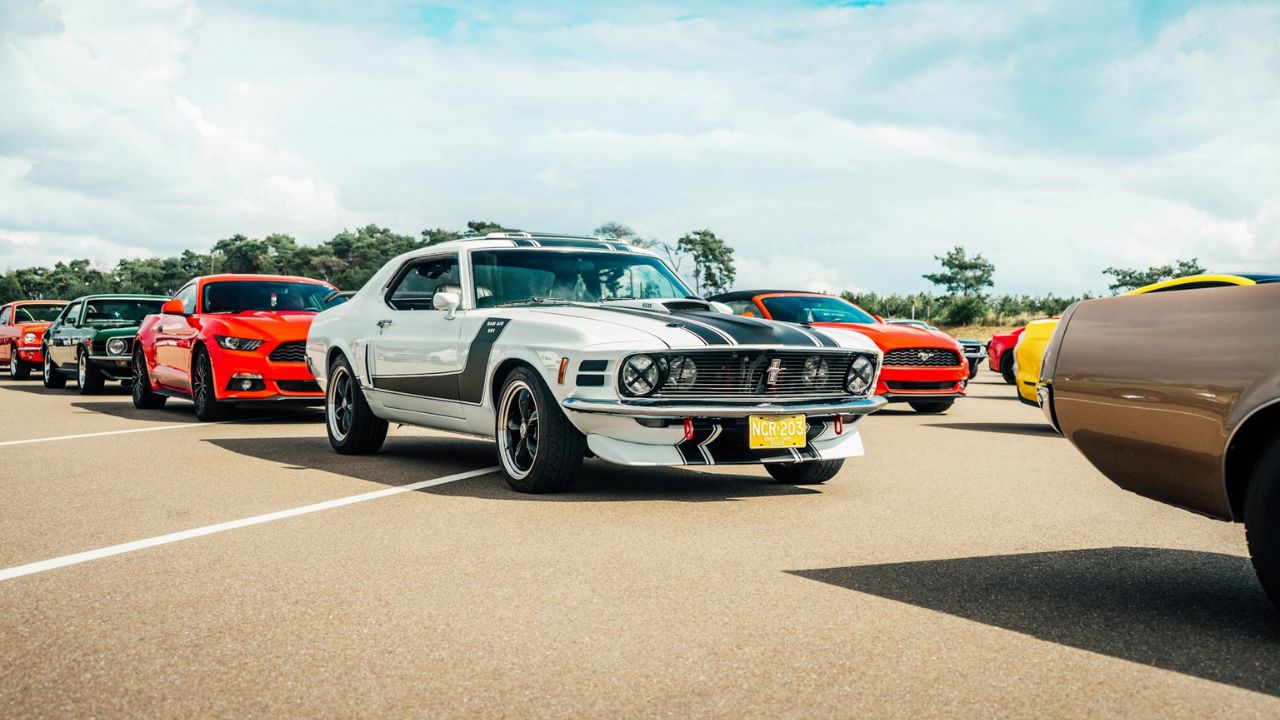
Muscle cars have long captured the imagination of car enthusiasts and casual drivers alike, known for their powerful engines, sleek designs, and storied histories. The tales behind some of the most iconic muscle car models uncover their origins, evolution, and the legacy they’ve carved out in automotive history. These vehicles have become emblems of power and freedom, leaving an indelible mark on car culture.
The Birth of the Muscle Car Era
The muscle car era emerged in the post-war United States, a period marked by economic prosperity and a burgeoning car culture. With a market hungry for high-performance vehicles, manufacturers sought to captivate the American driver’s desire for speed and style. The Pontiac GTO, introduced in 1964, is often hailed as the first muscle car, setting the benchmark for what was to come. By outfitting a mid-sized Pontiac Tempest with a powerful V8 engine, the GTO offered an accessible yet thrilling driving experience.
Cultural factors played a significant role in the rise of muscle cars. During the 1960s and 1970s, these vehicles came to symbolize freedom and rebellion. They were more than just cars; they were a statement. The roaring engines and bold designs mirrored the societal upheaval of the time, becoming icons of the counterculture movement. The muscle car was not just a mode of transport but a lifestyle, embodying the spirit of adventure and independence that defined an era.
The Legends of the 1960s
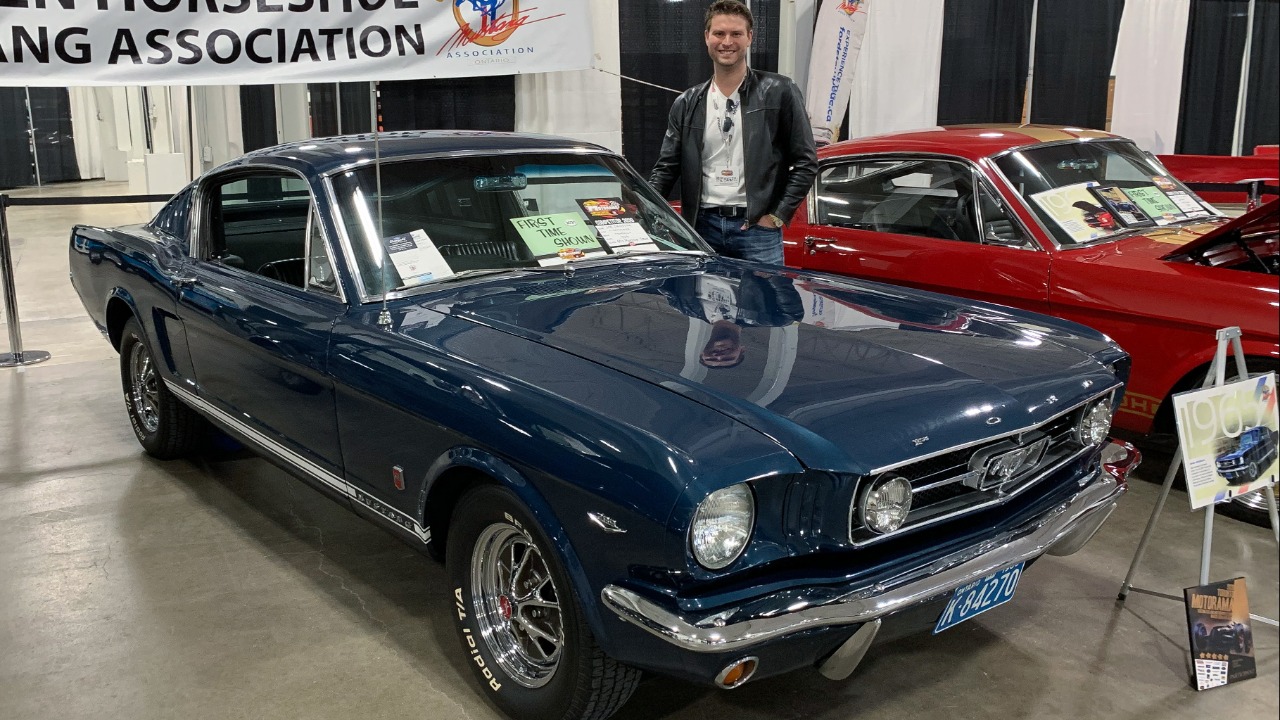
The 1964 Ford Mustang revolutionized the automotive world with its debut, quickly becoming a cultural phenomenon. Its design, featuring long hoods and short rear decks, captured the hearts of Americans. The Mustang’s success can be attributed to its appeal to a broad audience, from young drivers seeking excitement to families in need of an affordable yet stylish vehicle. Its impact was profound, cementing its status as a timeless classic.
Meanwhile, the Chevrolet Camaro, launched in 1966, entered the scene as a direct competitor to the Mustang. The rivalry between these two models defined the muscle car era, with each brand striving for dominance in performance and style. The Camaro’s aggressive design and powerful engine options allowed it to carve a distinct niche in the muscle car market, and its popularity has endured through the decades.
The Dodge Charger, introduced in 1966, was another significant player in the muscle car arena. Its bold and unique design set it apart, featuring a fastback roofline and full-width taillamps. The Charger’s allure was further amplified by its appearances in popular media, most notably the 1969 model in the film “Bullitt” and the TV series “The Dukes of Hazzard.” These appearances solidified the Charger’s place in popular culture, making it a symbol of automotive muscle and cinematic cool.
The Evolution in the 1970s and 1980s
The 1970s brought challenges for the muscle car industry, as fuel crises and stringent emissions regulations reshaped the automotive landscape. Manufacturers had to adapt to these new realities, leading to a decline in the production of traditional muscle cars. However, models like the 1970 Plymouth Barracuda managed to evolve, transitioning from a compact car to a high-performance machine. The Barracuda’s transformation was marked by powerful engine options and aggressive styling, maintaining its status among car enthusiasts despite the changing times.

The late 1970s and early 1980s saw a decline in muscle car popularity, as economic factors and increasing environmental awareness shifted consumer priorities. However, the muscle car was not destined to fade away. The late 1980s marked a resurgence, with manufacturers reintroducing performance-focused models. This period witnessed a renewed interest in the muscle car heritage, leading to the modern era of performance vehicles that blend classic appeal with contemporary technology.
Modern Muscle: A New Generation
Today’s muscle cars are a testament to technological advancements and engineering prowess. Modern iterations blend the raw power of their predecessors with sophisticated performance enhancements. The revived Dodge Challenger, launched in 2008, is a prime example of this fusion. While paying homage to its classic roots with retro-inspired styling, the new Challenger incorporates state-of-the-art technology, offering features like adaptive cruise control and advanced infotainment systems.
The Ford Mustang GT has also successfully navigated the balance between heritage and innovation. The 2024 model continues to honor the Mustang’s legacy while embracing cutting-edge advancements. With a range of powerful engine options, including a turbocharged 2.3-liter four-cylinder and a 5.0-liter V8, the Mustang GT remains at the forefront of the muscle car market. Modern amenities and safety features ensure that it appeals to a new generation of drivers without losing its iconic status.
Cultural Significance and Legacy
Muscle cars have left an indelible mark on popular culture, frequently appearing in films, TV shows, and music. Their portrayal in media has cemented their legendary status, capturing the imagination of audiences worldwide. From the high-octane thrills of “The Fast and the Furious” franchise to the nostalgic appeal of “American Graffiti,” these vehicles have become synonymous with excitement and rebellion.
The muscle car legacy is kept alive by dedicated car clubs and communities, where enthusiasts gather to celebrate and preserve these iconic machines. Through events, restorations, and shows, these groups continue to fuel the passion for muscle cars, ensuring that their heritage is passed down to future generations. The camaraderie and shared enthusiasm within these communities highlight the enduring appeal of muscle cars and their place in automotive history.
Looking ahead, the future of muscle cars is poised to evolve with the advent of electric and autonomous technologies. While the roar of a V8 engine may give way to the hum of electric motors, the essence of the muscle car—performance, design, and cultural impact—will continue to inspire new innovations. As manufacturers explore sustainable alternatives, the muscle car’s legacy will undoubtedly adapt and thrive in the ever-changing automotive landscape.
Like Fast Lane Only’s content? Be sure to follow us.
Here’s more from us:
*Created with AI assistance and editor review.