

Tesla’s stainless steel pickup arrived as a cultural event, not just a new model, yet the early hype has given way to a sharp drop in demand that even steep price cuts have not reversed. Instead of becoming the default electric truck in American driveways, the Cybertruck is now a case study in how design gambles, production headaches, and shifting consumer economics can collide. I see its sales slide less as a single misstep and more as the result of several strategic choices converging at the wrong moment for both Tesla and its customers.
From viral spectacle to shrinking order book
The Cybertruck’s launch generated a wave of reservations that looked, on paper, like a runaway success, but the conversion of that interest into paid deliveries has been far weaker than the initial buzz suggested. As production ramped, Tesla disclosed that the truck was “incredibly difficult” to build and warned that it would be a “drag on cash flow,” a signal that the company was struggling to turn hype into a profitable, scalable product backed by a stable order pipeline. Subsequent reporting on Tesla’s own internal expectations and delivery figures shows that volumes have fallen short of the early narrative of a mass-market disruptor, with analysts pointing to a thinning backlog and slower than expected new orders as the novelty factor faded and real-world compromises became clearer to buyers.
That gap between spectacle and sustained demand is visible in how quickly Tesla shifted from celebrating a years-long reservation list to cutting prices and offering incentives to move inventory. Coverage of Tesla’s quarterly results notes that the company has leaned on price reductions across its lineup to support volumes, and the Cybertruck has not been spared, with discounts and financing offers appearing far earlier in its life cycle than is typical for a halo product. Those moves, documented in recent earnings analyses and delivery breakdowns, suggest that the initial surge of enthusiasts willing to pay a premium has largely been exhausted, leaving Tesla to chase more price-sensitive truck shoppers who have plenty of alternatives.
Design bravado that narrowed the audience
From the start, the Cybertruck’s angular, stainless steel body and polarizing proportions were a deliberate rejection of conventional pickup design, but that same bravado has sharply limited its appeal in a segment defined by practicality and familiarity. Reporting on owner reactions and dealer feedback from rival brands shows that traditional truck buyers, who prioritize towing, bed usability, and ease of repair, often see the Cybertruck as a lifestyle toy rather than a work tool. Analysts tracking the segment have noted that while the truck has attracted a niche of tech-forward early adopters, it has struggled to win over the core full-size pickup audience that sustains models like the Ford F-150 and Chevrolet Silverado, a mismatch that caps its realistic sales ceiling.
The design also carries functional trade-offs that have become more apparent as independent tests and real-world usage data accumulate. Reviews cited in recent coverage highlight issues such as compromised rear visibility, challenging repairability of the stainless panels, and range losses when towing that are more severe than many buyers expected from Tesla’s marketing. These findings, backed by instrumented testing and owner reports, have filtered into mainstream coverage and social media, reinforcing a perception that the Cybertruck is less versatile than its outlandish styling promised, particularly for customers who need a truck to perform reliably in work and towing scenarios rather than simply stand out in a parking lot.
Pricing, interest rates, and the cost of standing out
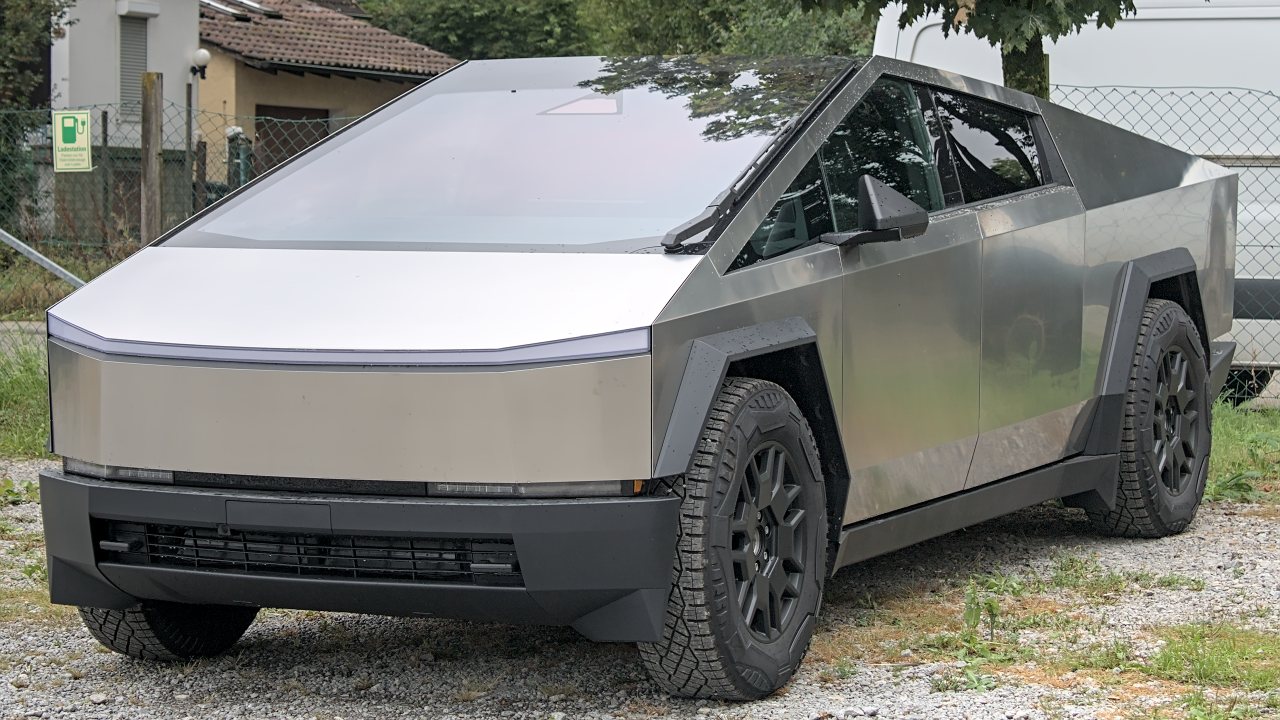
Even for buyers who love the look, the Cybertruck has collided with a tougher economic reality than Tesla faced when it launched earlier models. Reporting on the truck’s final pricing shows that configurations landed significantly higher than the headline figures teased at its original unveiling, with well-equipped versions pushing into luxury territory. At the same time, auto loan rates have climbed, and coverage of the broader EV market notes that higher borrowing costs have cooled demand for expensive electric models, particularly those that do not qualify for the full range of incentives or that sit above key psychological price thresholds for mainstream households.
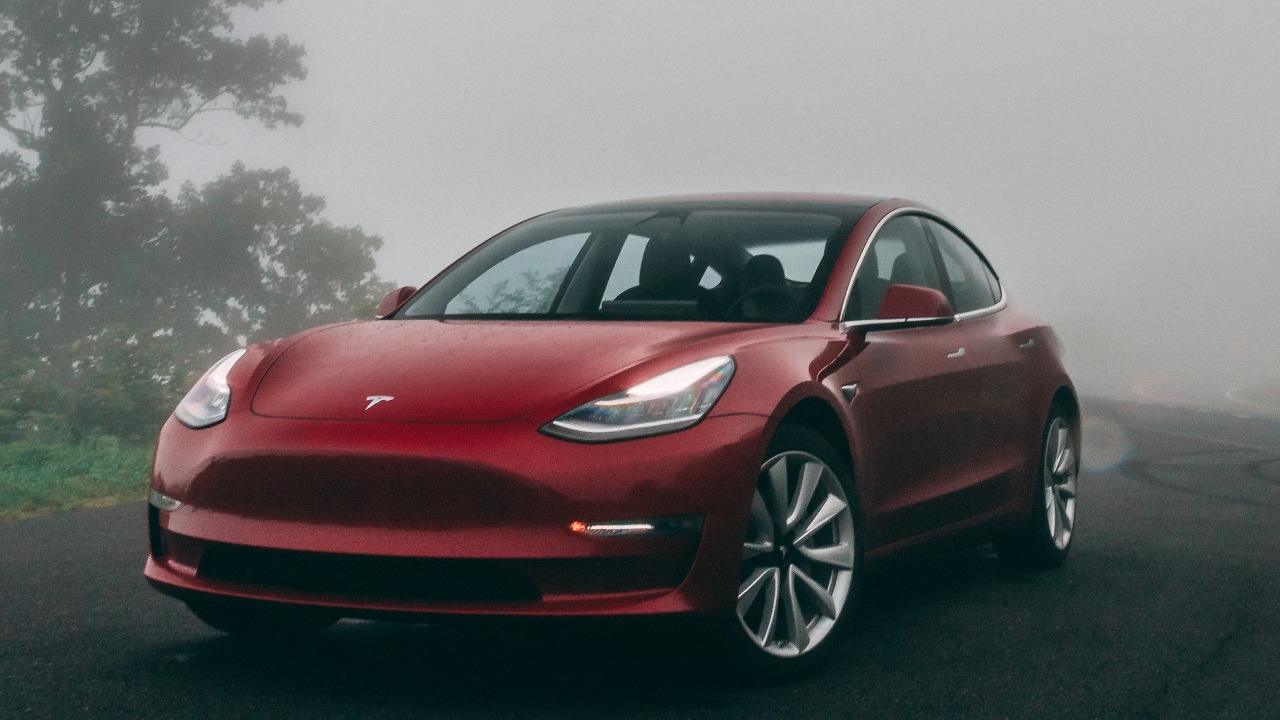
Analysts tracking EV affordability have pointed out that Tesla’s broader strategy of repeated price cuts on the Model 3 and Model Y has trained buyers to expect discounts, which can encourage would-be Cybertruck customers to wait for better deals rather than commit at launch pricing. Reports on Tesla’s margin compression show that the company has already sacrificed profitability to keep volumes up, leaving less room to subsidize a complex, low-volume product like the Cybertruck without further eroding earnings. In that context, the truck’s premium price tag, combined with higher monthly payments driven by interest rates, has turned what was marketed as a bold future of trucking into a hard sell for anyone who is not both affluent and deeply committed to the aesthetic.
Production complexity and quality stumbles
Behind the scenes, the Cybertruck’s unconventional construction has created manufacturing challenges that have limited how quickly Tesla can build and refine it. Reporting on the company’s factory operations describes how the stainless steel exoskeleton, which cannot be easily stamped or painted like traditional body panels, has required new tooling and processes that slowed ramp-up and increased costs. Analysts who follow Tesla’s capacity utilization have noted that the truck’s line has not reached the kind of steady-state output seen with the Model 3 and Model Y at similar points in their life cycles, which constrains the company’s ability to spread development and tooling expenses over a large volume of vehicles.
Quality issues have compounded those structural hurdles. Coverage of early owner experiences and service bulletins documents problems ranging from panel alignment and water leaks to software glitches affecting core functions, all of which undermine confidence in a vehicle that already asks buyers to accept significant trade-offs in the name of innovation. Safety regulators have also scrutinized aspects of the Cybertruck’s design and software, and reports on recall campaigns show that Tesla has had to push multiple over-the-air fixes and physical remedies to address defects. Each of these episodes reinforces a narrative that the truck is still a work in progress, which can deter risk-averse buyers who might otherwise have been tempted by its performance and technology.
Rivals, regulation, and a cooling EV mood
The Cybertruck is not competing in a vacuum, and the broader EV landscape has shifted in ways that blunt its impact. Reporting on the electric pickup segment shows that Ford’s F-150 Lightning, Rivian’s R1T, and General Motors’ electric trucks have all carved out their own niches, offering more conventional styling and clearer work-truck credentials that appeal to buyers who want an EV without abandoning familiar shapes and use cases. Analysts note that fleet customers, a crucial pillar of the truck market, have gravitated toward models that integrate smoothly into existing operations, with straightforward bed designs, predictable towing behavior, and established dealer support, areas where the Cybertruck’s radical approach and direct-sales model are less of an advantage.
At the same time, the overall mood around EV adoption has cooled from the exuberance of earlier years, a trend documented in surveys and sales data that show growth continuing but at a slower pace, particularly for high-end models. Coverage of policy shifts and regulatory debates highlights uncertainty around future incentives, charging infrastructure build-out, and emissions rules, all of which can make buyers more cautious about committing to a distinctive, first-generation product. In that environment, the Cybertruck’s role as a symbol of Tesla’s ambition has become a double-edged sword: it still commands attention, but its sales slump illustrates how quickly the market can move from rewarding audacity to favoring practicality when economic and regulatory conditions turn less forgiving.



Leave a Reply