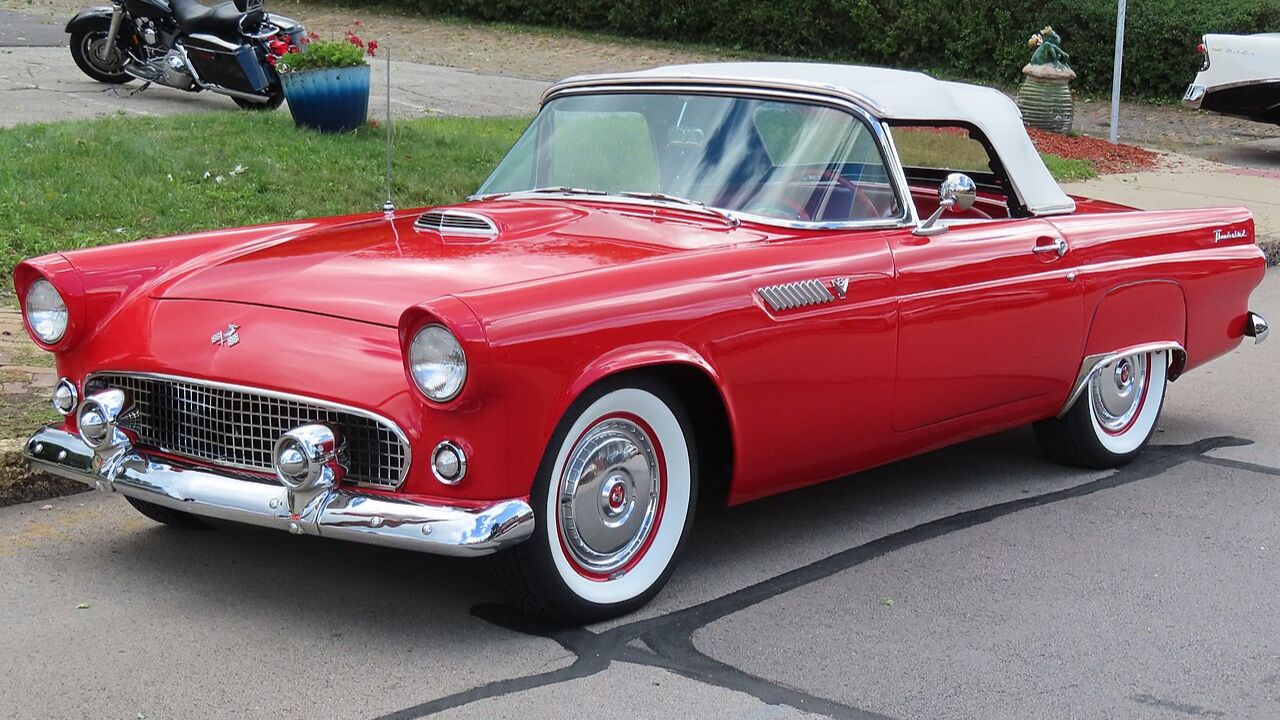
The 1955 Ford Thunderbird marked a turning point in automotive history. As Ford’s answer to the Chevrolet Corvette, the Thunderbird became a symbol of luxury and performance that captured the public’s imagination. Its introduction was not just about launching a new model; it was about reimagining what a car could be.
Iconic Design: A Blend of Style and Innovation
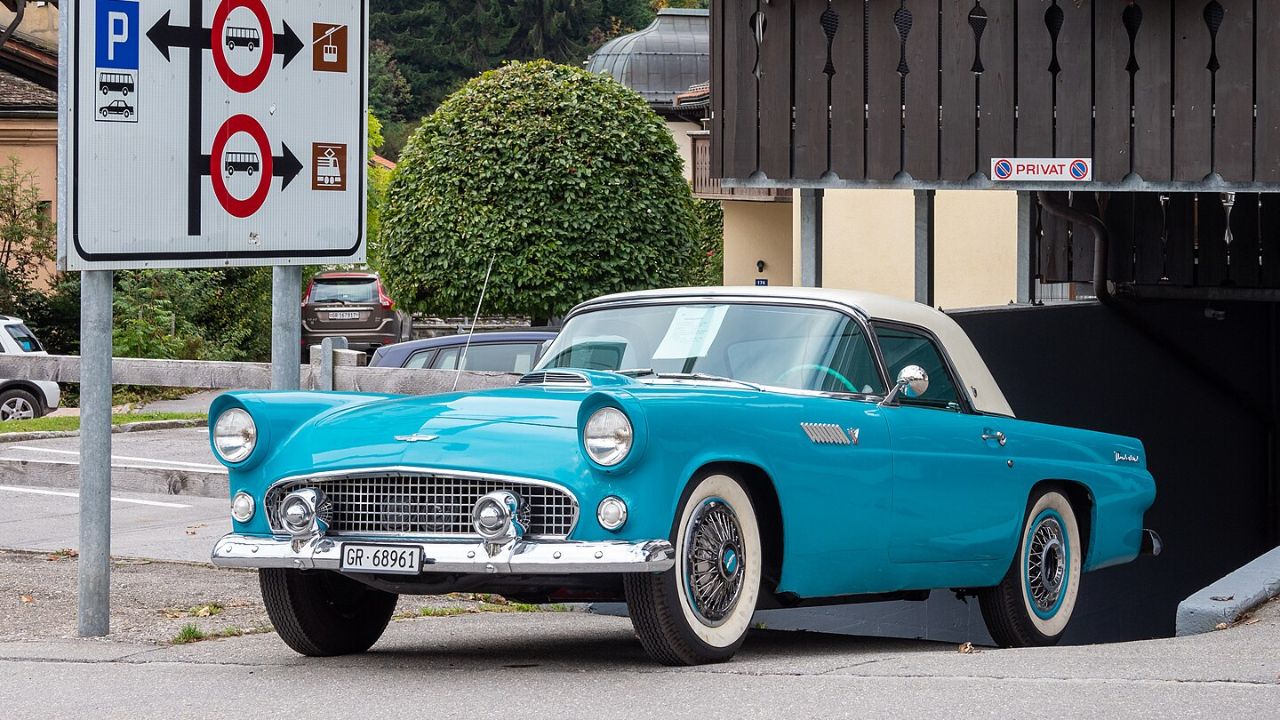
The design of the 1955 Ford Thunderbird was a masterful blend of elegance and innovation. Styled by Ford’s chief designer Frank Hershey, the car featured sleek lines and a distinctive, aircraft-inspired look. The two-seater convertible came with a removable hardtop, which was a novel feature at the time. Its porthole windows became a signature design element that would influence future models.
With its long hood and short deck, the Thunderbird’s design was both sporty and refined. This balance of aesthetics and functionality set the Thunderbird apart from its contemporaries and laid the groundwork for what would become the personal luxury car segment.
Birth of the Personal Luxury Car Segment
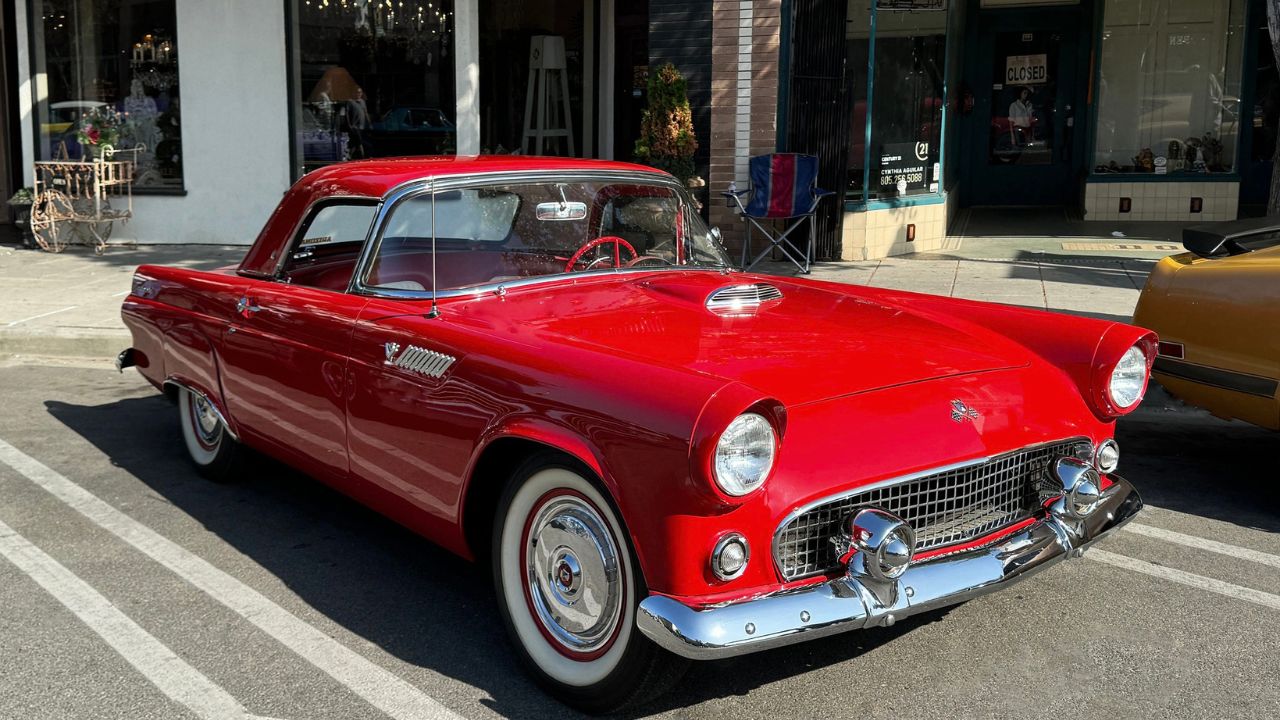
The introduction of the Thunderbird in 1955 is widely regarded as the birth of the personal luxury car segment. Unlike the utilitarian cars of the past, the Thunderbird prioritized driver comfort, style, and elegance. It was a car designed for those who valued luxury and performance in equal measure.
This shift in focus had a profound impact on the automotive industry, paving the way for other automakers to explore the personal luxury market. The Thunderbird’s success demonstrated that there was a lucrative market for cars that offered more than just basic transportation.
Introduction of V8 Power: Performance Meets Elegance
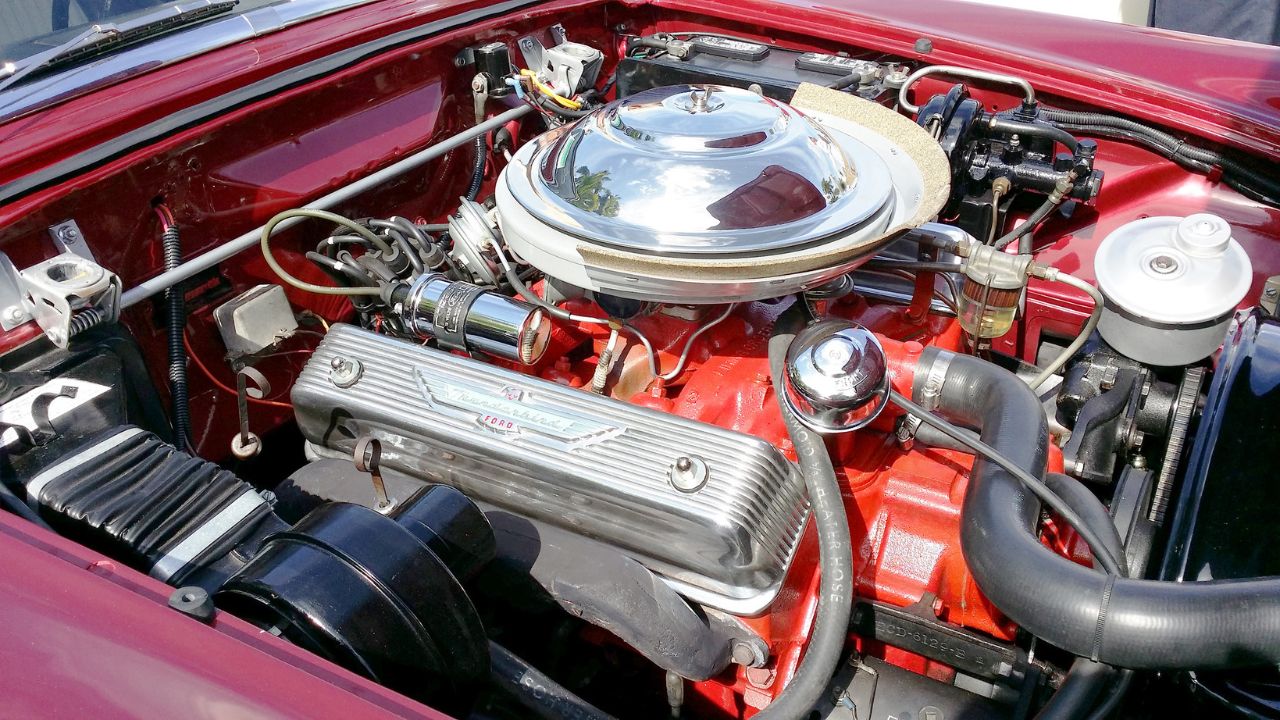
Under the hood, the 1955 Thunderbird packed a punch with its standard V8 engine. This was a significant departure from the straight-six engines that were common in cars of the era. The 4.8-liter V8 produced 198 horsepower, providing the Thunderbird with the power to match its stylish exterior.
The combination of V8 performance and luxury features made the Thunderbird a standout in the market. It offered an exhilarating driving experience without compromising on comfort, setting a new standard for what a luxury car could be.
Market Sensation: The Public’s Enthusiastic Response
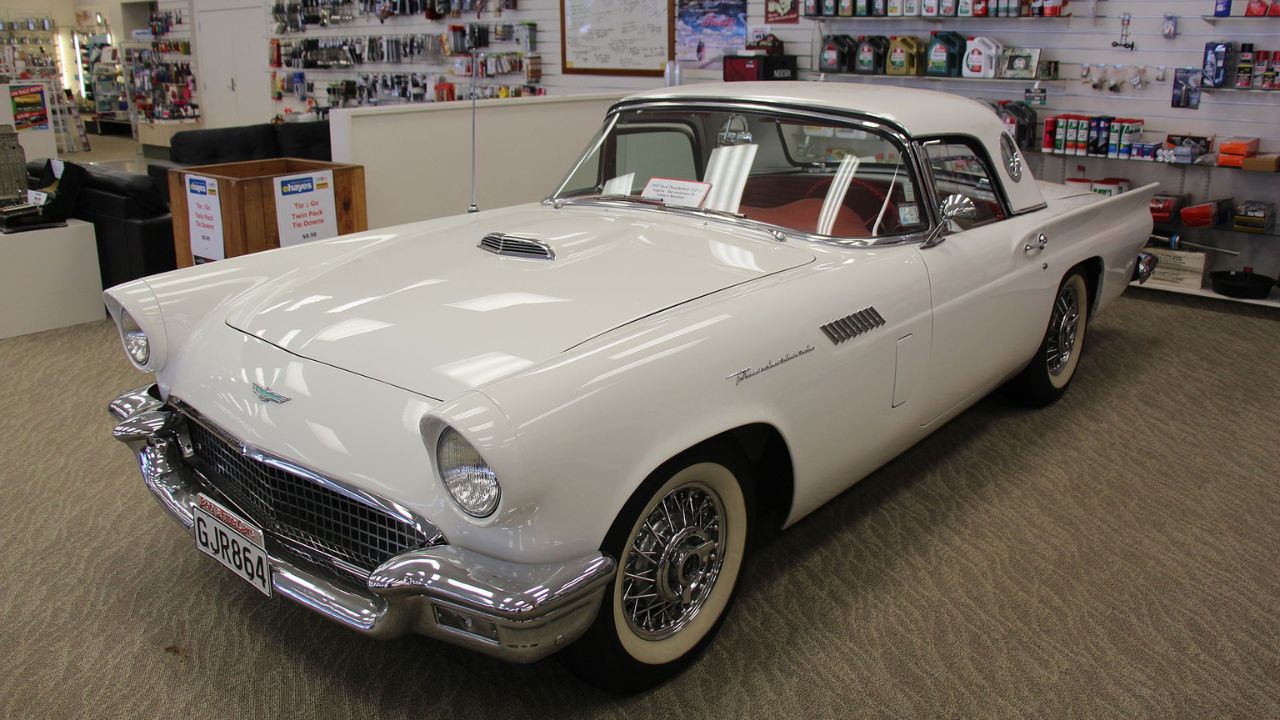
The 1955 Thunderbird quickly became a market sensation, capturing the hearts of car enthusiasts and the general public alike. Ford initially projected sales of 10,000 units, but demand far exceeded expectations. The car’s unique combination of style, performance, and luxury resonated with a post-war population eager for new experiences.
The Thunderbird’s success was not only reflected in sales numbers but also in the way it reshaped consumer expectations. It showed that there was a strong appetite for vehicles that combined sporty aesthetics with luxury, a trend that continues to this day.
Influence on Ford’s Design Language
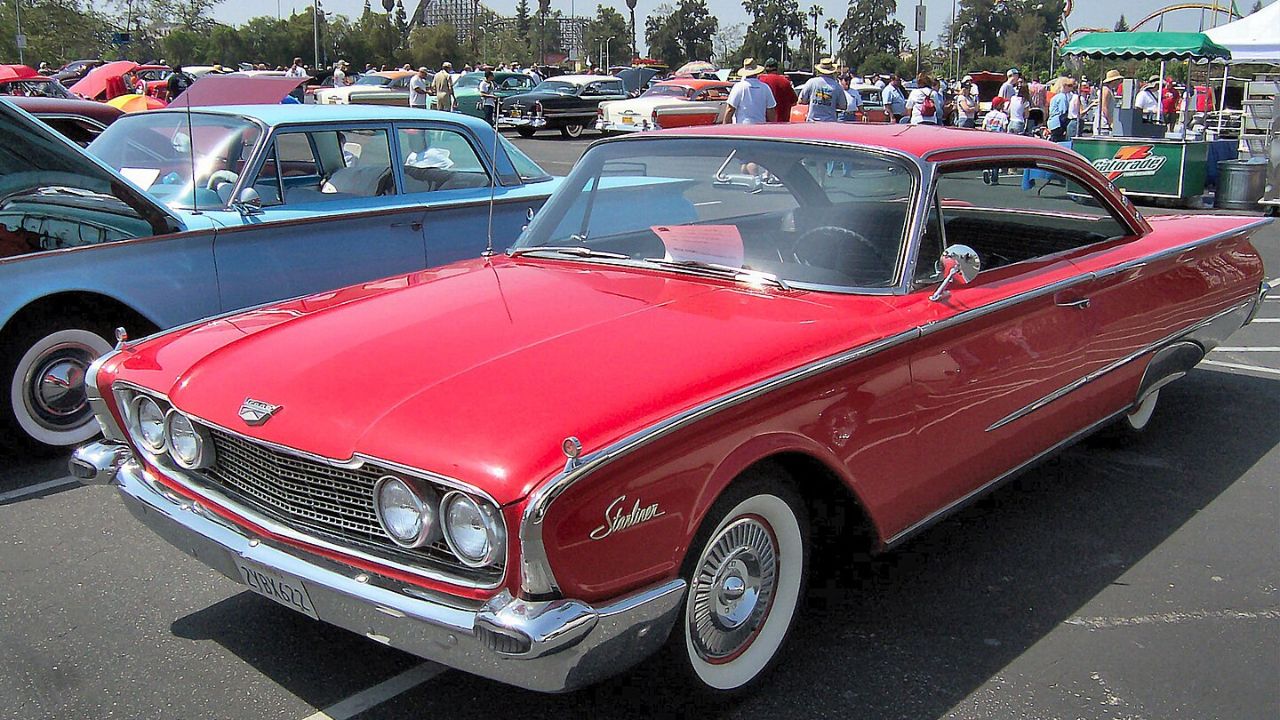
The 1955 Thunderbird had a lasting impact on Ford’s design language. Its success encouraged Ford to incorporate similar design elements into other models. The focus on sleek lines, luxurious interiors, and performance-driven engineering became a hallmark of Ford vehicles in the following decades.
Ford’s continued commitment to innovation and design can be traced back to the influence of the Thunderbird. This model set a precedent for future Ford vehicles, ensuring that the brand remained at the forefront of automotive design and technology.
Impact on Competitors: The Ripples in the Auto Industry
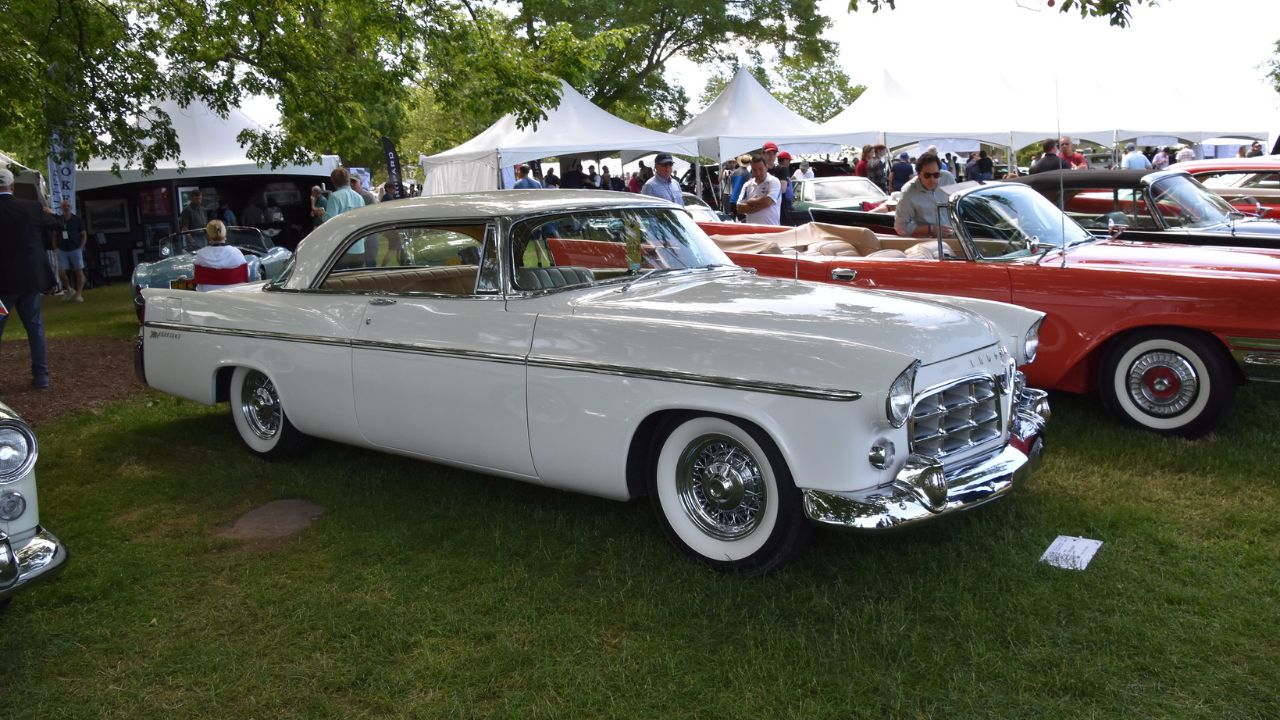
The introduction of the Thunderbird sent ripples through the auto industry, prompting competitors to reassess their offerings. General Motors, Chrysler, and other automakers took notice of the Thunderbird’s success and began developing their own personal luxury cars.
This competitive pressure led to a wave of innovation in the industry, resulting in a wider range of cars that combined luxury with performance. The impact of the Thunderbird on its competitors can be seen in the proliferation of similar models that followed in its wake.
Cultural Significance: A Classic in Media and Pop Culture
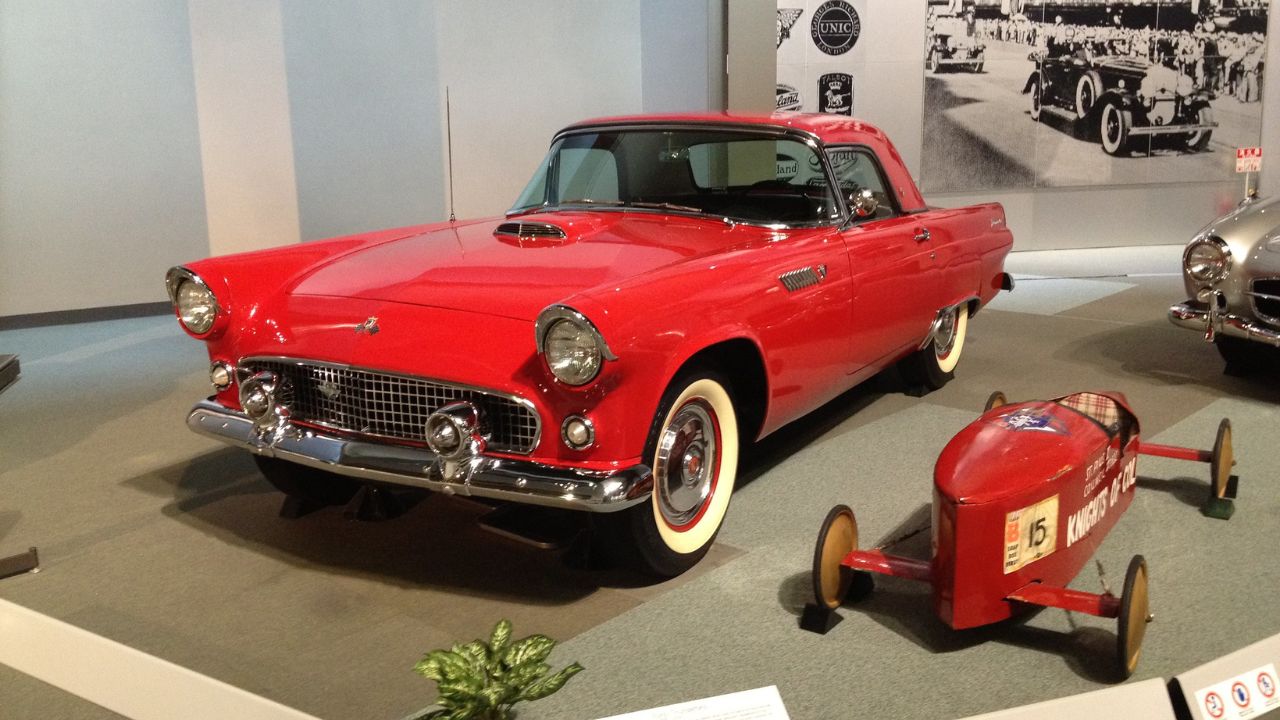
The 1955 Thunderbird quickly became a cultural icon, appearing in numerous movies, television shows, and advertisements. Its distinctive design and performance made it a favorite among celebrities and car enthusiasts alike. The Thunderbird’s presence in popular culture cemented its status as more than just a car—it became a symbol of mid-century American style and innovation.
As a result, the Thunderbird has remained a beloved classic, celebrated by car clubs and collectors around the world. Its enduring appeal is a testament to its unique blend of style, performance, and cultural significance.
Legacy of the Thunderbird: Paving the Way for Future Models
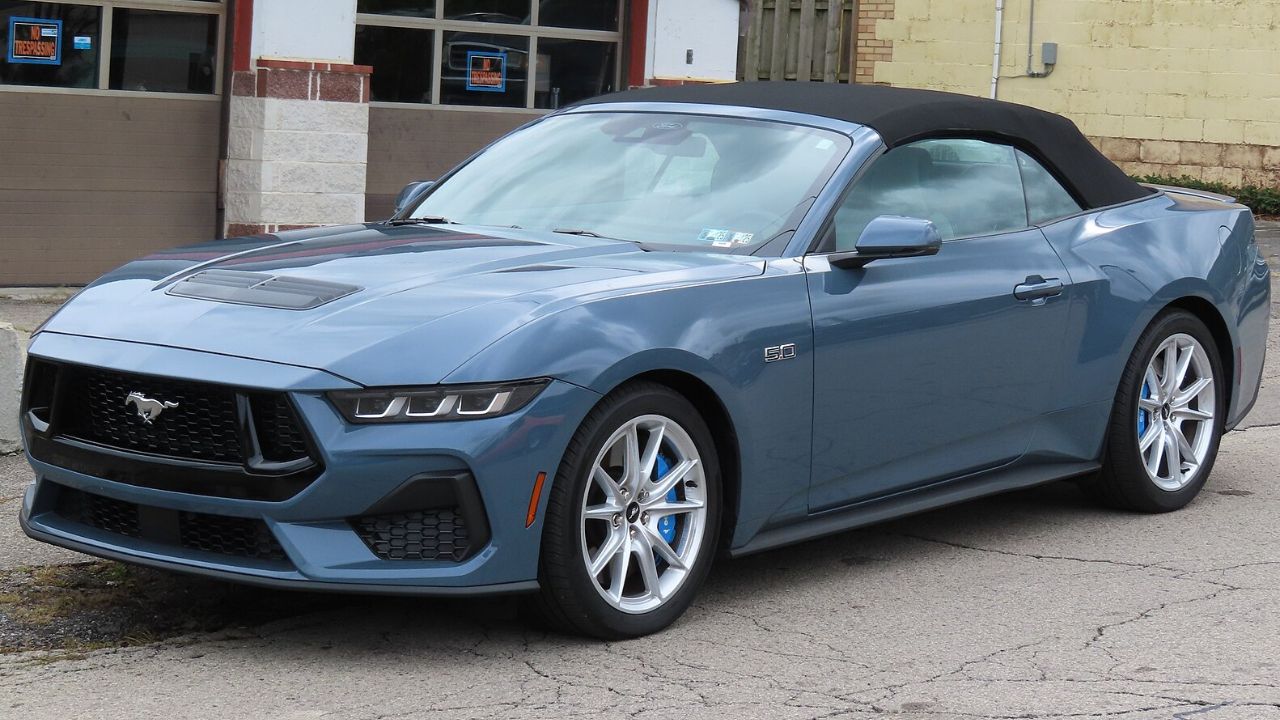
The legacy of the 1955 Thunderbird lives on in the many models that followed. Its influence can be seen in the evolution of Ford’s vehicle lineup, from the Mustang to the modern-day sports and luxury cars. The principles of design, performance, and luxury that the Thunderbird introduced continue to guide Ford’s approach to car manufacturing.
The Thunderbird’s impact is also evident in the broader automotive landscape, where the personal luxury car segment remains popular. The 1955 Thunderbird not only changed Ford forever but also left an indelible mark on the industry as a whole.
Like Fast Lane Only’s content? Be sure to follow us.
Here’s more from us:
*Created with AI assistance and editor review.