
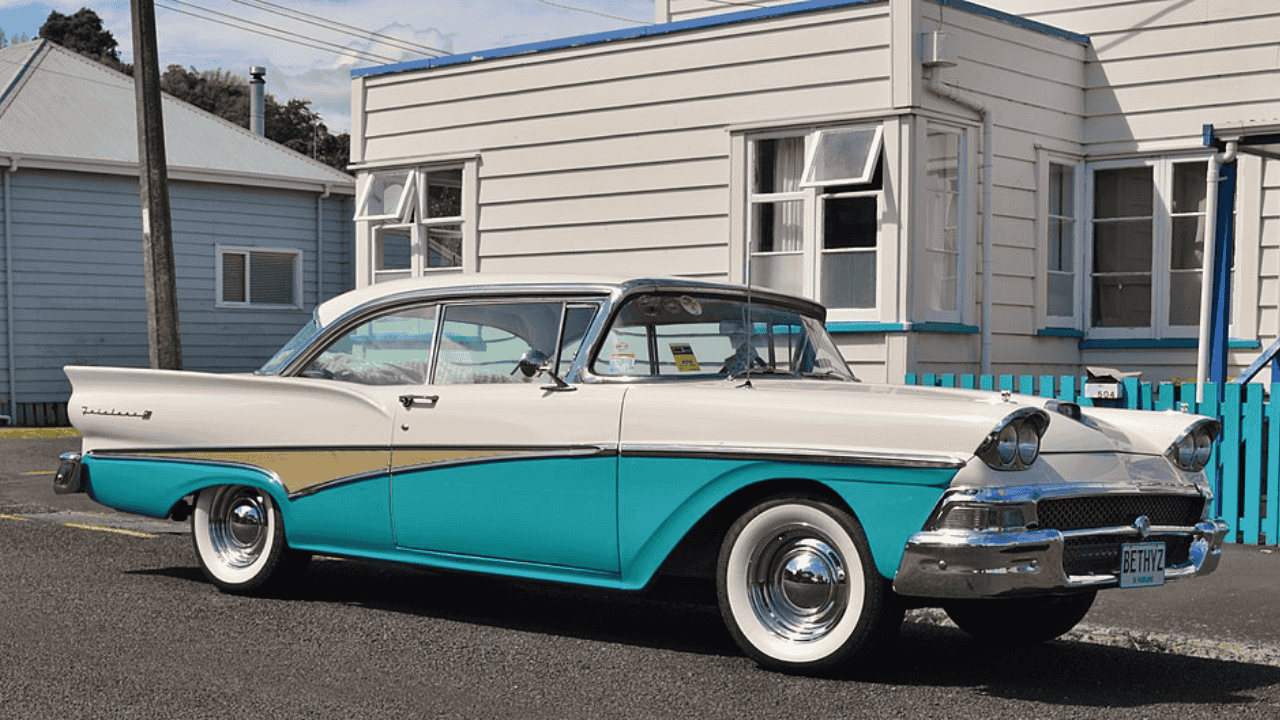
The 1958 Edsel Corsair was supposed to be a bold new player in the mid-priced market—powerful, well-equipped, and different enough to stand out. It succeeded in getting attention, but not the kind Ford hoped for. Built on a Mercury platform and packing a potent V8, the Corsair should’ve landed right in the sweet spot between practicality and prestige. Instead, it became a lightning rod for criticism. To understand what went wrong—and what the Corsair was actually up against—it helps to compare it with the cars that shared its showrooms and headlines that year.
1958 Edsel Corsair: Too Much, Too Fast
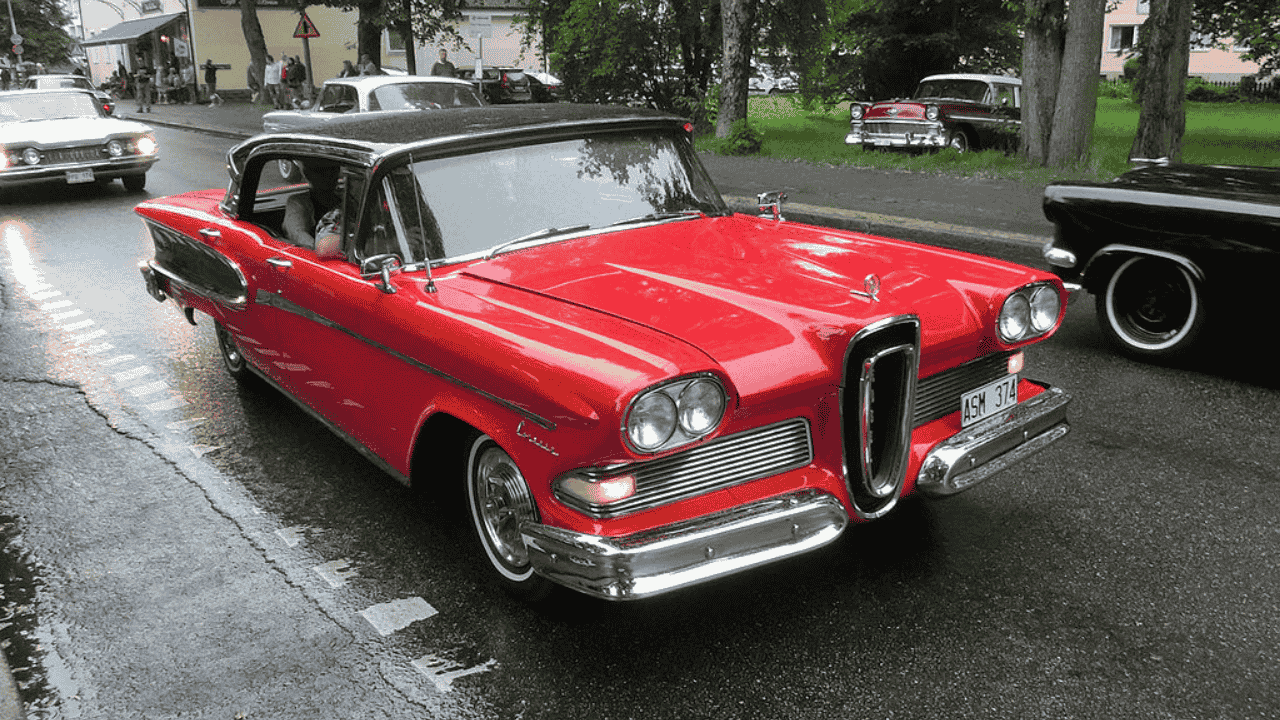
The Edsel Corsair was Ford’s middle-tier offering, positioned just below the top-line Citation. Built on the Mercury platform, it came standard with a 410-cubic-inch MEL V8 producing 345 hp. It featured Edsel’s infamous push-button Teletouch transmission, mounted in the steering wheel hub. The styling—especially that vertical grille—grabbed attention, not always in a good way. Inside, the Corsair was well-equipped with broadcloth or leather, electric wipers, and power options. But timing, price confusion, and Ford’s overhyped launch set it up for scrutiny. The car wasn’t bad—it just couldn’t outrun its own marketing.
1958 Mercury Montclair: The Platform Beneath the Corsair
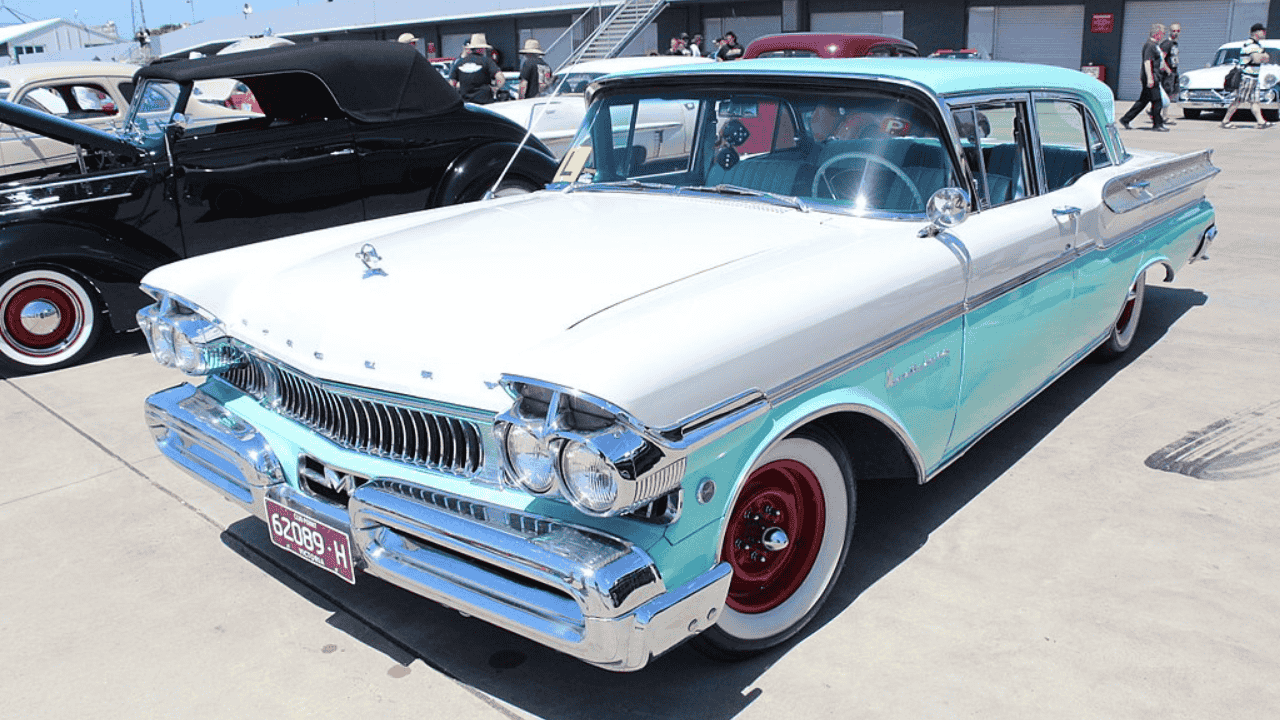
Since the Corsair rode on Mercury’s frame, it shared a lot with the 1958 Montclair. The Montclair used the same 383 or optional 430 V8s and had a nearly identical wheelbase. Styling was more traditional but still exaggerated with quad headlamps and plenty of stainless trim. Inside, Mercury offered similar features—power brakes, premium upholstery, and push-button controls—but the Montclair didn’t carry the same media baggage. While the Edsel was seen as a gamble, Mercury had credibility and a dealer network that buyers trusted. Underneath the Edsel nameplate, the Corsair wasn’t all that different.
1958 Pontiac Bonneville: Flash With a Performance Edge
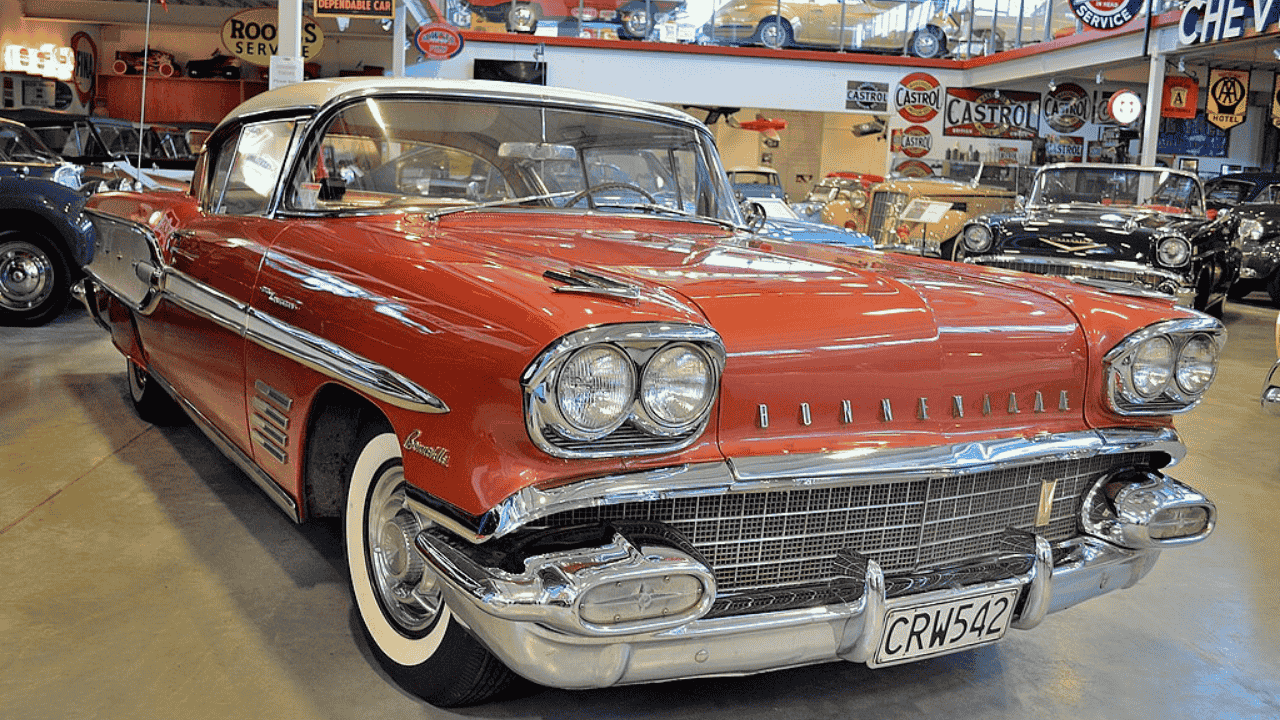
Pontiac’s 1958 Bonneville was chasing a younger buyer, with sleeker styling and a growing performance reputation. It came with a 370-cubic-inch V8, making up to 310 hp with Tri-Power. Compared to the Edsel Corsair, the Bonneville felt leaner despite similar size. Interiors were sharp, with color-matched dashboards, optional bucket seats, and advanced options like air suspension. The Bonneville showed that you could do big and powerful without looking overwrought. While Edsel tried to split the difference between traditional luxury and sport, Pontiac leaned into clarity—and it paid off.
1958 Dodge Custom Royal: Big Styling, Bigger Engines
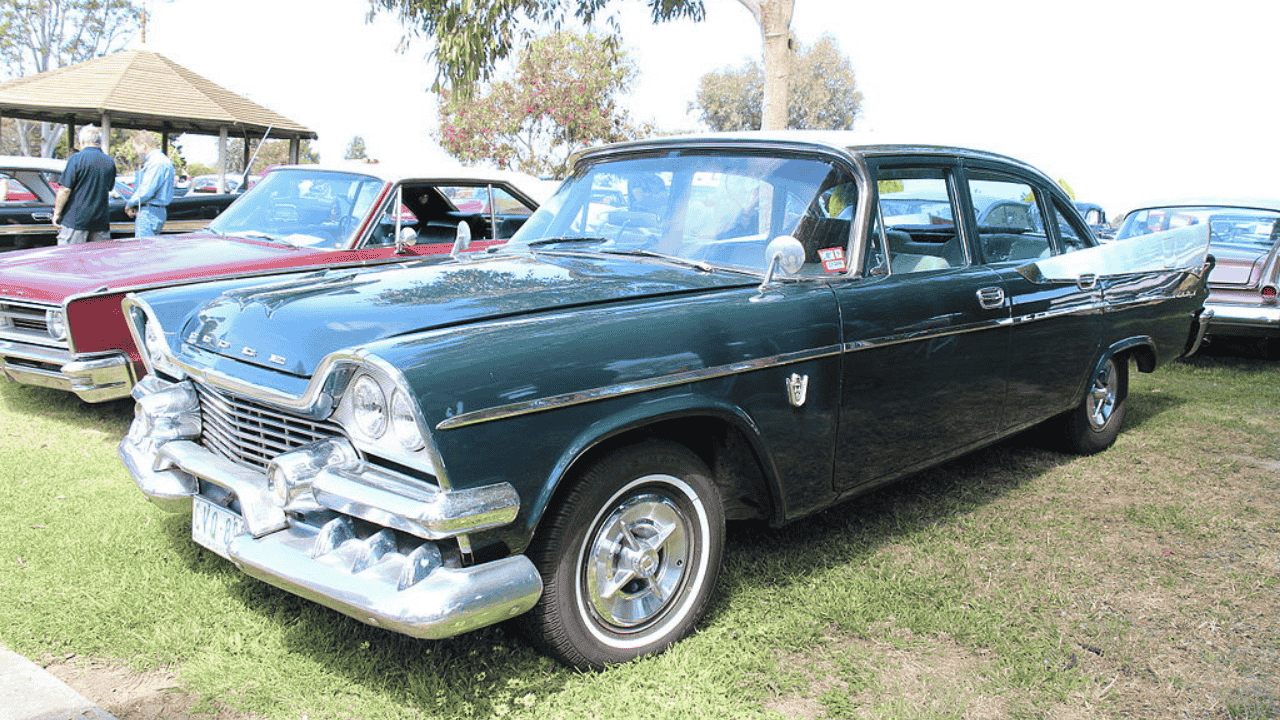
The Custom Royal was Dodge’s flagship in 1958, and it didn’t hold back. It offered the 350 Super Red Ram and 361 D-500 V8s, topping out around 305 hp. Tailfins were prominent, side trim was intricate, and Dodge clearly embraced the excess of the era. Inside, buyers found wraparound dashboards, push-button TorqueFlite transmission, and stylish two-tone materials. The Edsel Corsair wasn’t far off in terms of size or power, but Dodge had a clearer identity and loyal following. The Custom Royal didn’t dodge headlines—but it didn’t generate the kind of confusion the Corsair did.
1958 Oldsmobile 98: Quiet Confidence, No Drama
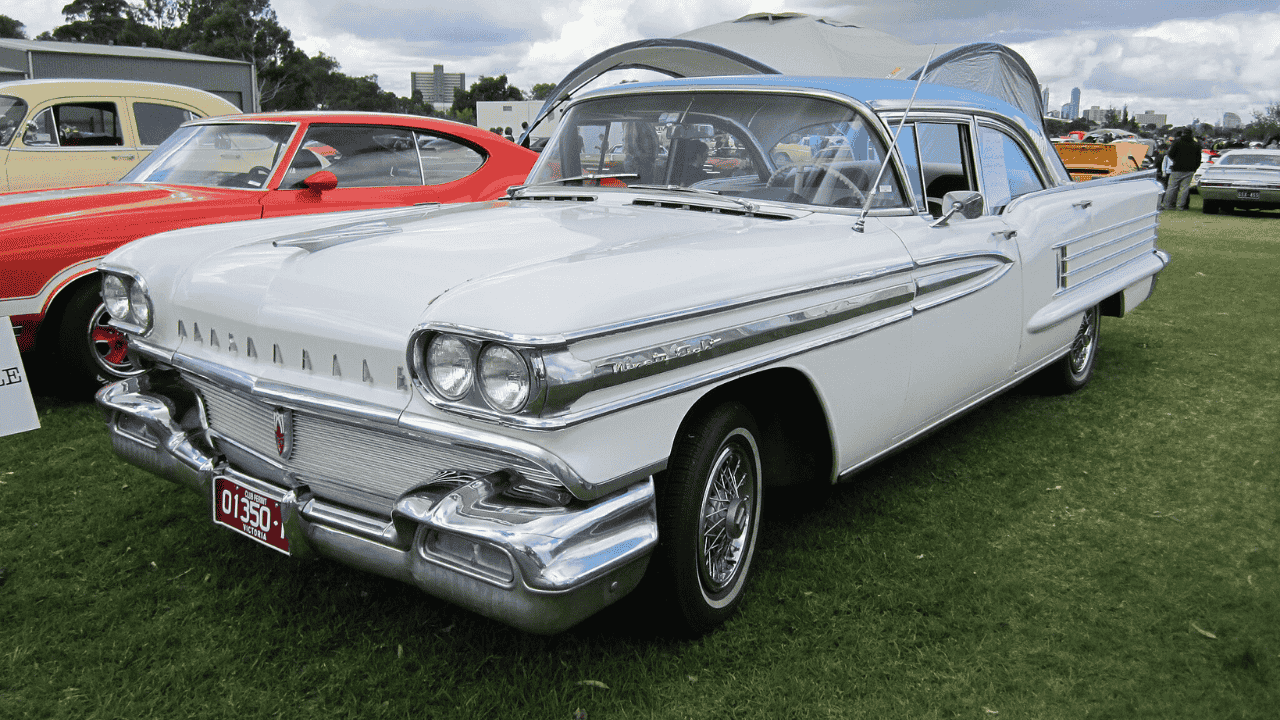
The Olds Ninety-Eight had a 371-cubic-inch Rocket V8 with 305 hp and plenty of comfort to go with it. The styling was upscale but more restrained than the Edsel, even with tailfins and wide grilles. Buyers knew what to expect—solid build quality, a smooth ride, and an engine that delivered without fuss. Interiors were full of convenience features: padded dash, courtesy lighting, power everything. While the Edsel was loud in launch and layout, Oldsmobile quietly delivered a more grounded product. That consistency helped keep Olds customers from wandering toward Edsel showrooms.
1958 DeSoto Firedome: Flash With Familiar Underpinnings
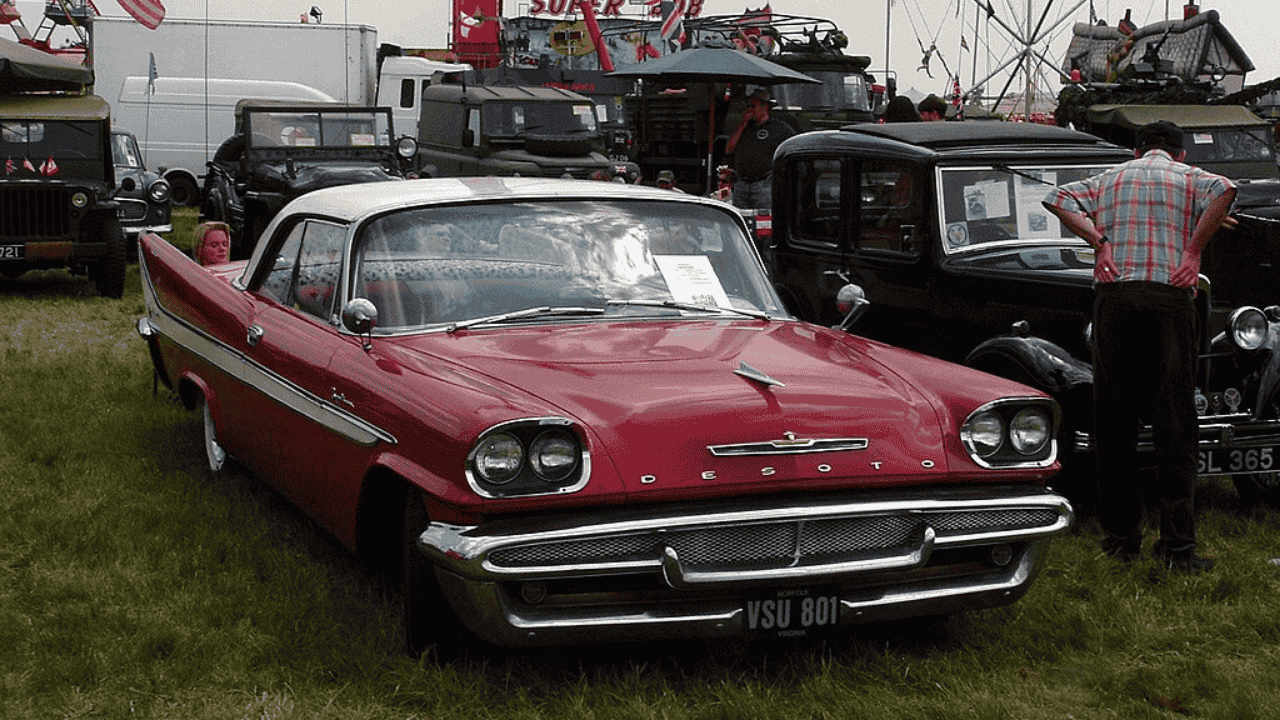
DeSoto’s Firedome was big, flashy, and priced to undercut some competitors. It used a 361-cubic-inch V8 rated at 295 hp, with TorqueFlite automatic and torsion-bar suspension. The styling was expressive—swept tailfins, wide grilles, and wraparound glass—but it was still within Chrysler’s playbook. Edsel, on the other hand, gambled on unfamiliar styling and naming conventions. Inside, DeSoto offered luxury touches without going overboard. The Edsel Corsair might’ve been more powerful, but the Firedome had familiarity on its side. In a market driven by comfort zones, that mattered more than specs.
1958 Buick Limited: Overbuilt Luxury in an Oversaturated Year
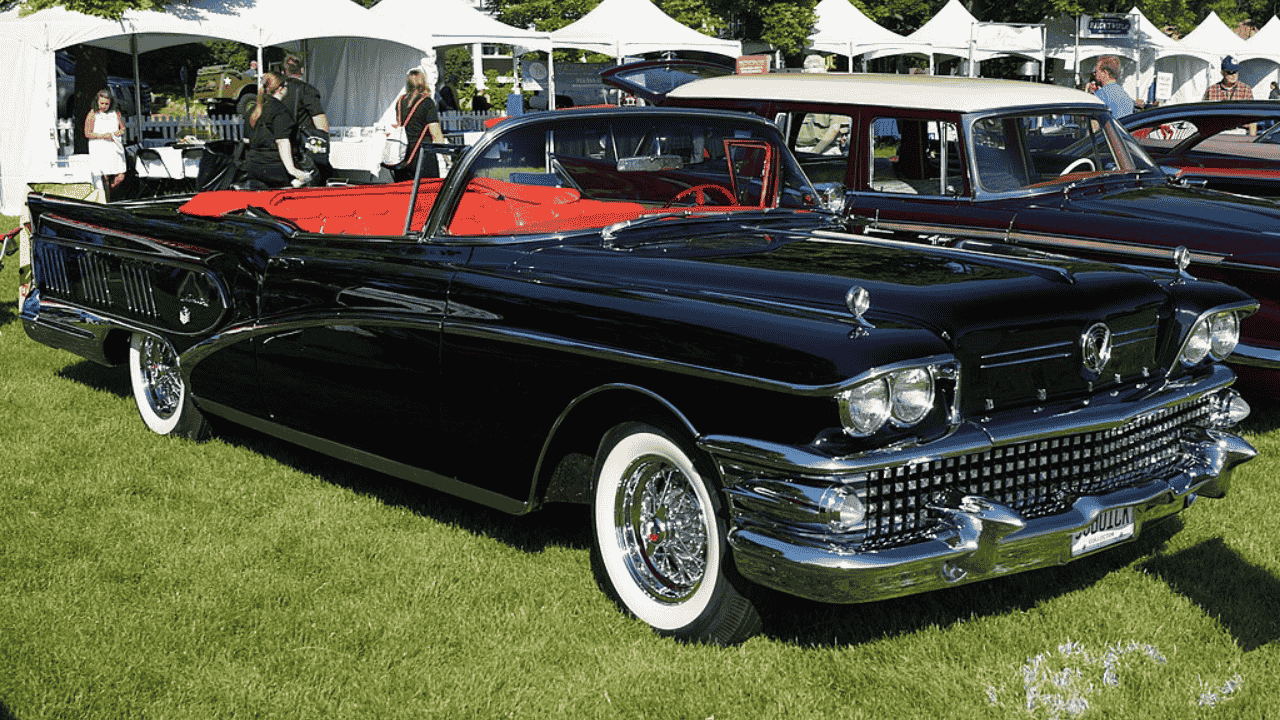
Buick’s Limited returned for 1958 with elaborate styling and a 364-cubic-inch Nailhead V8 making 300 hp. The grille was enormous, the chrome excessive, and the interior one of the most lavish of the year. From a technical standpoint, the Limited was solid, with power features and Dynaflow drive, but it represented the kind of styling escalation that would soon fall out of favor. The Edsel Corsair was trying to match this tier visually but without Buick’s customer base or brand loyalty. As a newcomer, Edsel came across as trying too hard—Buick didn’t need to.
1958 Ford Fairlane 500: Edsel’s In-House Rival

The Fairlane 500 was one of the more practical full-size cars in Ford’s lineup, and that was part of the problem for Edsel. For less money, buyers could get similar power—up to 300 hp from the 332 or 352 V8—and familiar styling. The Fairlane 500 came with modern conveniences, clean lines, and fewer risks. The Edsel Corsair sat on a Mercury platform but had to justify its higher price without Ford’s brand equity. In many ways, it competed against its own showroom floor, and that only made its task harder.
Like Fast Lane Only’s content? Be sure to follow us.
Here’s more from us:
*Created with AI assistance and editor review.


Leave a Reply