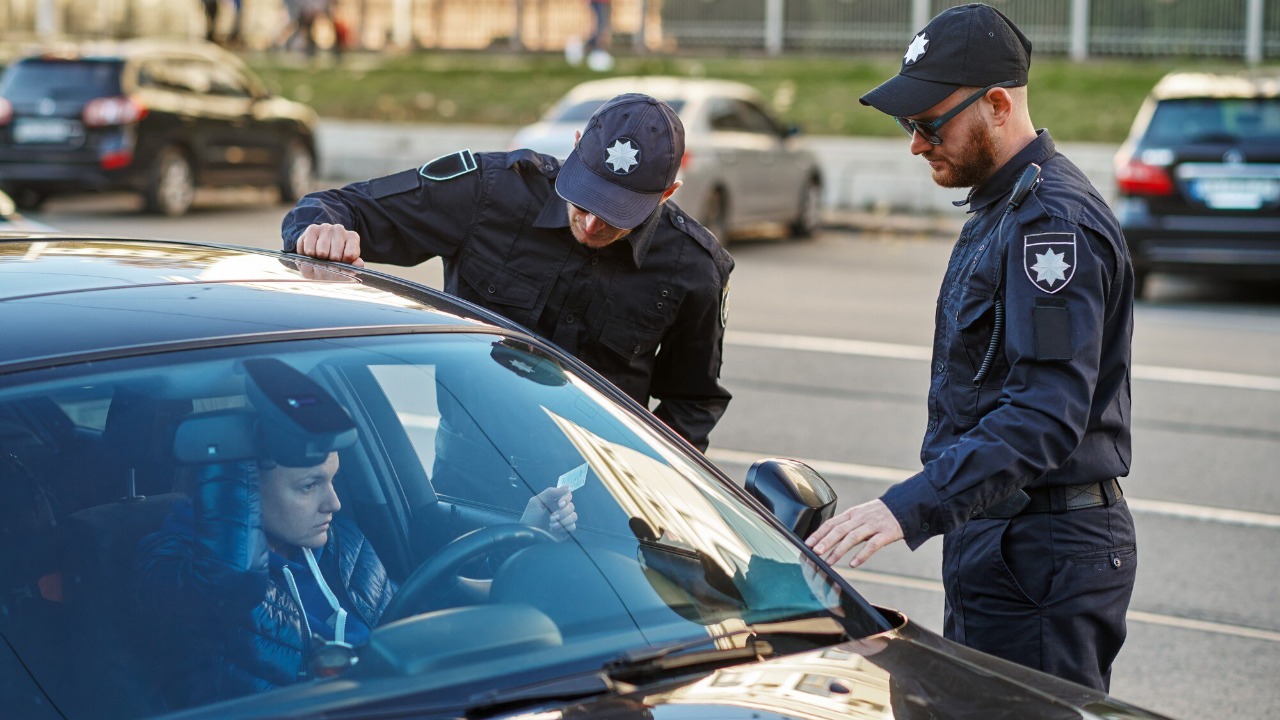
When a patrol car’s lights flash in your rearview mirror, the next few minutes are about far more than a speeding ticket. As the officer walks toward your window, they are running through a mental checklist that is designed to keep everyone alive, not just to catch you doing something wrong. Understanding what they are watching for can lower the temperature of the encounter and help you avoid misunderstandings that escalate fast.
I approach that moment as a high-stakes conversation in a very small space: your vehicle. From the instant the cruiser pulls in behind you, the officer is assessing risk, reading your behavior and scanning your car for clues. Here are seven things they are paying close attention to as they come up to your window, and what you can do to make that walk as uneventful as possible.
1. How many people are in the car, and where are they?
The first thing an officer needs to know is who, exactly, they are dealing with. Before they even reach your window, they are counting heads, noting whether anyone is in the back seat, and trying to see if someone is lying down or ducking out of view. Training materials describe this as one of the core safety checks, because the number and position of occupants can change the risk level of a stop in an instant, especially if someone is hidden or moving around unexpectedly, which is why How many people are in the car – Determining that basic fact is treated as critical for the officer’s safety.
From your side of the glass, the best move is to make that headcount obvious and nonthreatening. Ask passengers in a 2018 Honda Civic or a 2022 Ford F-150 to sit upright, keep their hands visible and avoid sudden movements as the officer approaches. If a child is asleep in the back or someone has mobility issues, calmly explain that once the officer is at the window. Clear, visible seating positions reduce the chance that the officer will interpret a silhouette or a shifting shadow as a potential ambush, and they set a calmer tone for everything that follows.
2. Your hands and any sudden movements
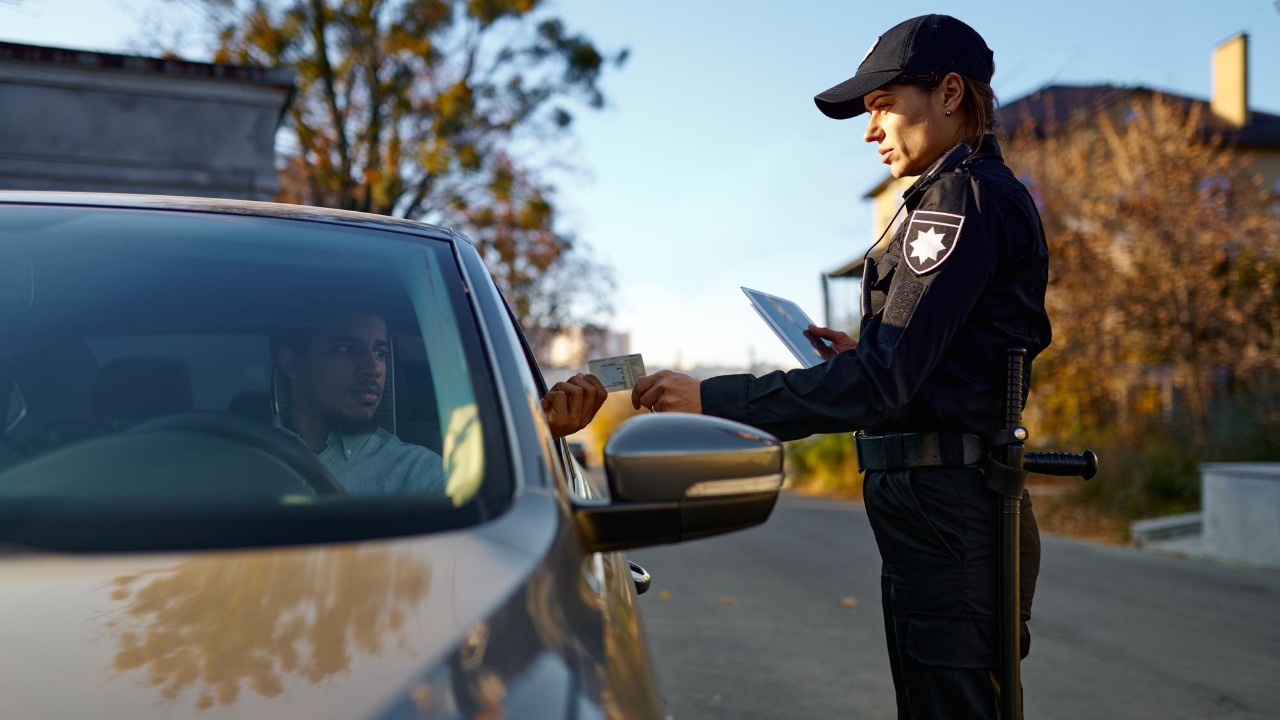
Once the officer has a sense of how many people are in the vehicle, their attention narrows to your hands. Police training repeatedly emphasizes that hands pose the greatest threat, because a weapon, a phone or even a wallet can all start from the same reaching motion. One widely used set of traffic-stop guidelines puts it bluntly: officers are told to remember that hands pose the greatest threat and to keep watching them until the vehicle is gone, a point that is central to advice on how to Remember, hands pose the greatest threat—always ensure they remain visible. 3. Maintain Situational Awareness: Stay Fo.
That focus on hands explains why officers react so strongly to quick dives into a glove box or center console as they walk up. To you, reaching into a 2015 Subaru Outback’s door pocket for your registration might feel like being helpful. To the officer, it can look identical to drawing a concealed handgun. The safest play is to place both hands on top of the steering wheel, fingers spread, and wait for instructions. If you need to reach for your license, insurance card on your phone, or documents in the glove compartment, say exactly what you are doing before you move, then do it slowly enough that the officer can track every motion.
3. Your behavior, body language and basic compliance
As soon as the officer can see your face, they are reading your behavior. Training materials list the driver’s behavior as a primary safety concern, including whether you seem unusually nervous, refuse to make eye contact, or ignore simple instructions. One breakdown of officer safety notes that concerns the officer may have for his safety when approaching the vehicle include the driver’s behavior, the way passengers act, and the presence of weapons, which is why guidance framed as Answer, Concerns the, If the driver acts aggressively or evasively is taken so seriously.
From my perspective, that means your tone and posture matter as much as your paperwork. Rolling down the window of a 2020 Toyota Camry, removing earbuds, and answering in a steady voice signals that you are engaged and willing to follow directions. You do not have to volunteer extra information or consent to every request, but refusing to keep your hands visible, talking over the officer, or making sarcastic comments will be interpreted as resistance. Even if you plan to contest a ticket later, the side of the road is not the place to litigate it. Calm, minimal responses and clear compliance with lawful commands keep the encounter in the realm of routine rather than confrontational.
4. Signs of DUI or other impairment
While the initial focus is on safety, officers are also trained to watch for signs that a driver might be impaired. They look for physical and behavioral symptoms that suggest alcohol or drug use, such as slurred speech, bloodshot eyes, fumbling with documents, or an inability to follow simple instructions. According to DUI training materials, it is only after an officer begins to suspect that the driver is intoxicated that a full DUI investigation may be conducted, and the officer will be looking for specific initial indicators, including Phy and behavioral cues that cannot be easily explained away, which is why guidance on DUI, Phy symptoms is so detailed.
For sober drivers, the takeaway is straightforward: avoid doing anything that mimics those red flags. If you are exhausted after a double shift at a hospital or a late-night drive in a 2016 Chevrolet Malibu, say so calmly if the officer comments on your appearance or slow responses. Keep your answers short and factual, and resist the urge to joke about drinking or drugs, which can sound like an admission in a tense roadside setting. If you have a medical condition or disability that affects your speech, balance or eye movement, be ready to explain that clearly if the officer begins asking questions that sound like the start of a sobriety check.
5. What is in “plain view” inside your vehicle
As the officer stands at your window, their eyes are not just on you. They are scanning the interior of your car for anything in plain view that might indicate a crime or a safety threat. Legal training on search and seizure uses examples where officers are lawfully present and, while looking for one item, see another illegal object in a place where they have a right to look. In one scenario, They know the resident’s a convicted felon and while their looking for the TV in places where they have a right to look, they see a firearm that is illegal for that person to possess, which illustrates how the They plain view doctrine can turn a simple visit into a criminal case.
Translate that to a traffic stop and the implications are obvious. An open beer can in the cup holder of a 2019 Jeep Wrangler, a baggie of pills on the passenger seat, or a handgun lying on the floorboard can all shift the encounter from a speeding warning to a criminal investigation, even if the officer never intended to search your car. In states where firearms are legal, keeping them secured in a locked glove box or a dedicated vehicle safe, rather than loose on the seat, reduces the chance that a lawful weapon will be treated as an immediate threat. The same goes for cannabis or prescription medications: whatever your local laws, anything that looks suspicious in plain sight invites more questions and potentially a search.
6. Communication challenges and how you respond
Not every driver can hear or process an officer’s commands in the same way, and officers are trained to factor that in, at least in theory. Guidance for drivers who are deaf or hard of hearing stresses that the police officers’ first priority is keeping themselves SAFE and any hand movement is seen to threaten to the police officers’ safety, which is why people who rely on sign language are urged to signal their condition clearly before moving their hands to communicate or reach for a notepad. That emphasis on SAFE officer behavior is spelled out in advice on how to handle traffic stops while still communicating or and working with the police officers, as detailed in resources that highlight SAFE as the first priority.
In practice, that means drivers with hearing loss, autism, or other communication differences should plan ahead. Keeping a printed card in the visor of a 2021 Hyundai Elantra that reads “I am deaf. I communicate best in writing” can be shown through the window with one hand while the other stays on the wheel. Smartphone apps like Ava or Sorenson’s ntouch can help with interpretation later, but the first few seconds should be about visible, simple cues that explain why you are not responding to verbal commands. From the officer’s perspective, any unexplained delay or unusual movement can look like defiance, so labeling the issue early reduces the risk of misinterpretation.
7. The overall risk picture as they approach and depart
Beyond any single detail, officers are trained to maintain situational awareness from the moment they step out of the cruiser until they are back inside and you have driven away. That includes watching traffic patterns, noting whether bystanders are gathering, and keeping track of blind spots around your vehicle. Training materials urge officers to maintain situational awareness and stay focused, not just on the driver but on the entire environment, which is why advice that pairs the reminder about hands with a directive to Maintain Situational Awareness and Stay Fo on the whole scene is so prominent in modern traffic-stop instruction.
For drivers, respecting that broader risk picture can be as simple as pulling as far to the right as safely possible, turning on hazard lights in a 2017 Nissan Altima, and staying in the car unless told otherwise. If you are on a narrow shoulder or a dark rural road, you can calmly suggest moving to a nearby gas station or well-lit parking lot, but wait for the officer to agree before driving off. When the stop is over, do not speed away the second the officer turns back toward the patrol car. Check your mirrors, signal, and merge back into traffic smoothly. The officer is still watching to make sure you leave safely, and a calm departure is the final signal that the encounter is ending the way everyone prefers: without anyone getting hurt.