
Not every vintage car needs to be babied on the weekends. Some classic models were built with just enough reliability, simplicity, and charm to make them surprisingly practical for everyday use. This list rounds up 10 vintage cars that still make sense for the daily grind—whether it’s for their mechanical durability, parts availability, or sheer ease of use.
1967–1973 Volvo 140 Series
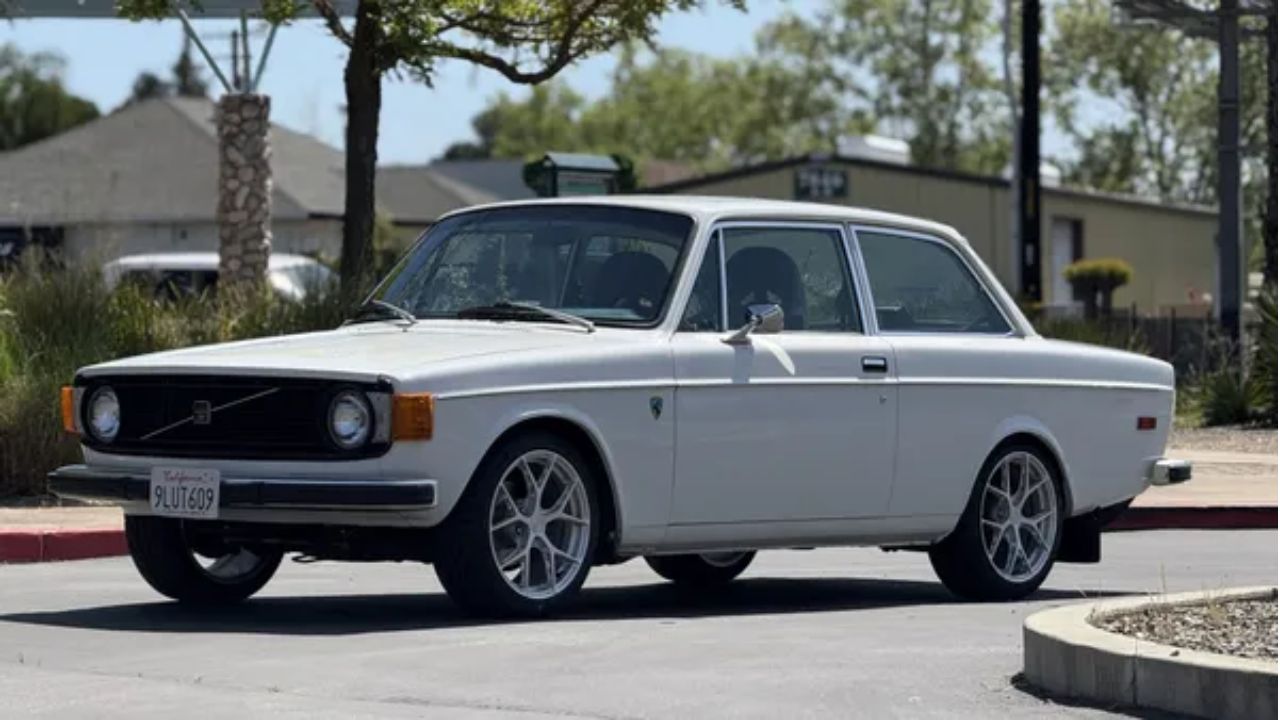
Volvo built its reputation on solid, sensible engineering—and the 140 Series proves it. These cars came with durable four-cylinder engines, rear-wheel drive, and basic mechanical systems that rarely fail. The interiors were spartan but functional, with excellent visibility and surprisingly comfortable seats. Best of all, they were cheap to maintain and easy to find parts for.
The 140’s unibody construction and disc brakes on all four corners were ahead of their time. They’re also relatively safe by vintage standards, making them a logical choice for someone looking to mix classic style with daily reliability.
1978–1983 BMW E21 3-Series
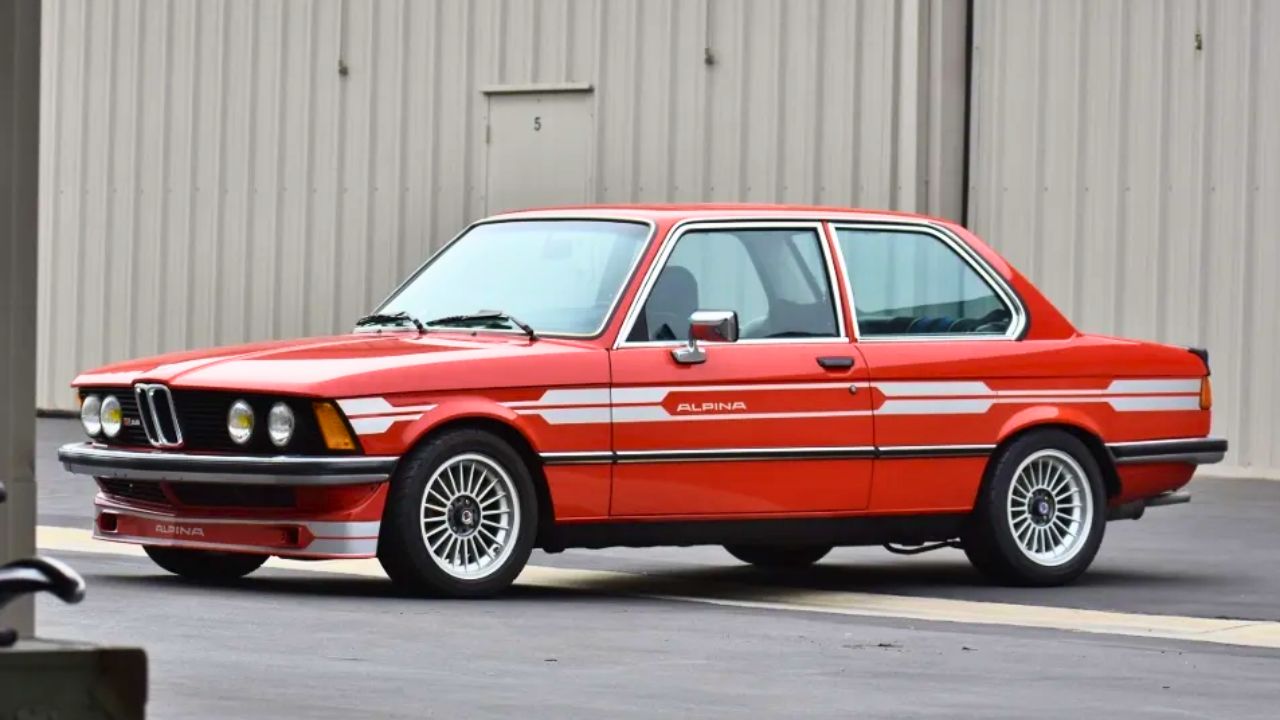
The E21 marked the beginning of the modern BMW 3-Series and still holds up well as a usable classic. Offered with a variety of inline-four and inline-six engines, the E21 blends decent performance with a manageable size. With rack-and-pinion steering and rear-wheel drive, it has a connected feel without being temperamental.
Maintenance costs are reasonable if you avoid the fuel-injected 320i with emissions-era electronics. Basic service is straightforward, and there’s strong aftermarket support. It’s vintage BMW character without the fragility of older European cars.
1965–1970 Ford Mustang (Six-Cylinder)
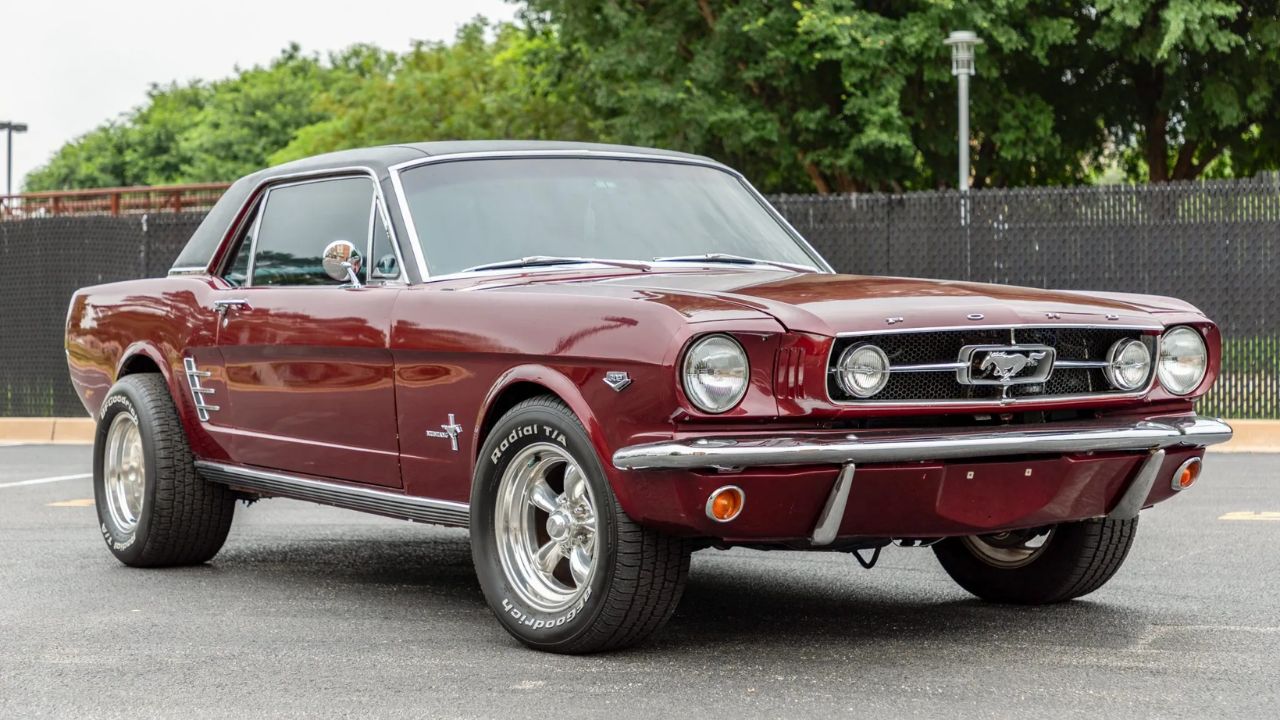
The V8 Mustangs get all the attention, but the six-cylinder cars make great daily drivers. With the 200-cubic-inch inline-six and a three-speed manual or automatic, they’re smooth and simple to live with. You get the same stylish body and straightforward parts interchangeability, minus the thirst and insurance premium of a big-block.
These early Mustangs have great parts availability, strong community support, and simple maintenance. They’re also light enough to feel nimble around town and hold up surprisingly well in traffic.
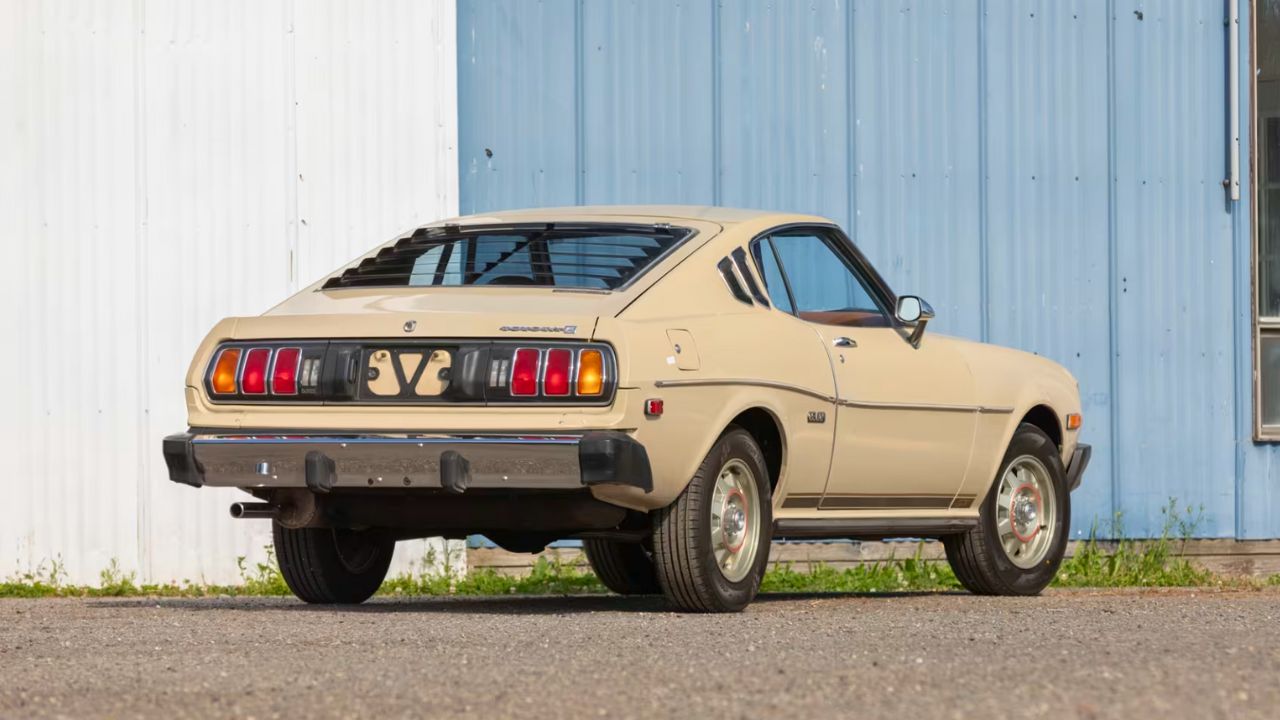
1971–1977 Toyota Celica
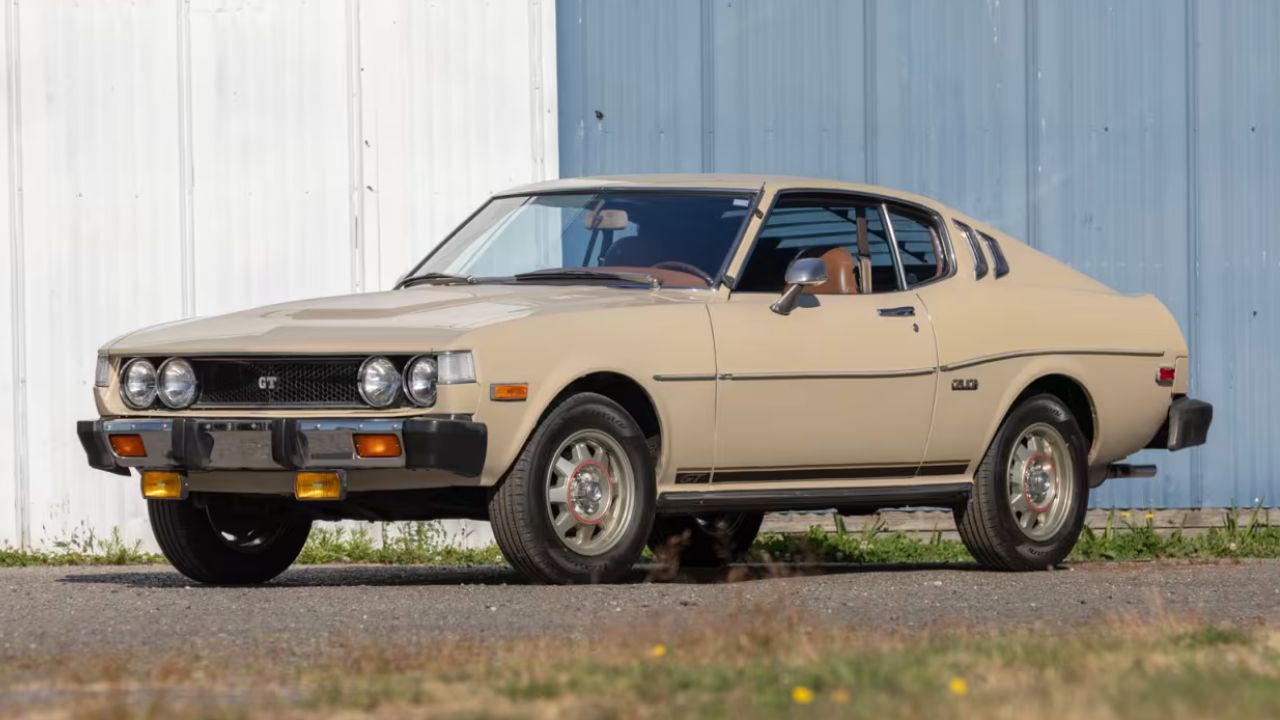
Early Celicas are some of the best-kept secrets in the vintage world. The first-gen Celica lifted inspiration from American muscle cars but packaged it in a lightweight, efficient, rear-wheel-drive format. The 1.9L or 2.0L four-cylinder engines were tough, and the five-speed manual made them fun to drive.
Their Japanese reliability gives them a huge leg up for daily duty. Plus, they’re small, easy to park, and economical to run. Finding clean ones is getting harder, but they still offer solid value.
1970–1978 Datsun 510
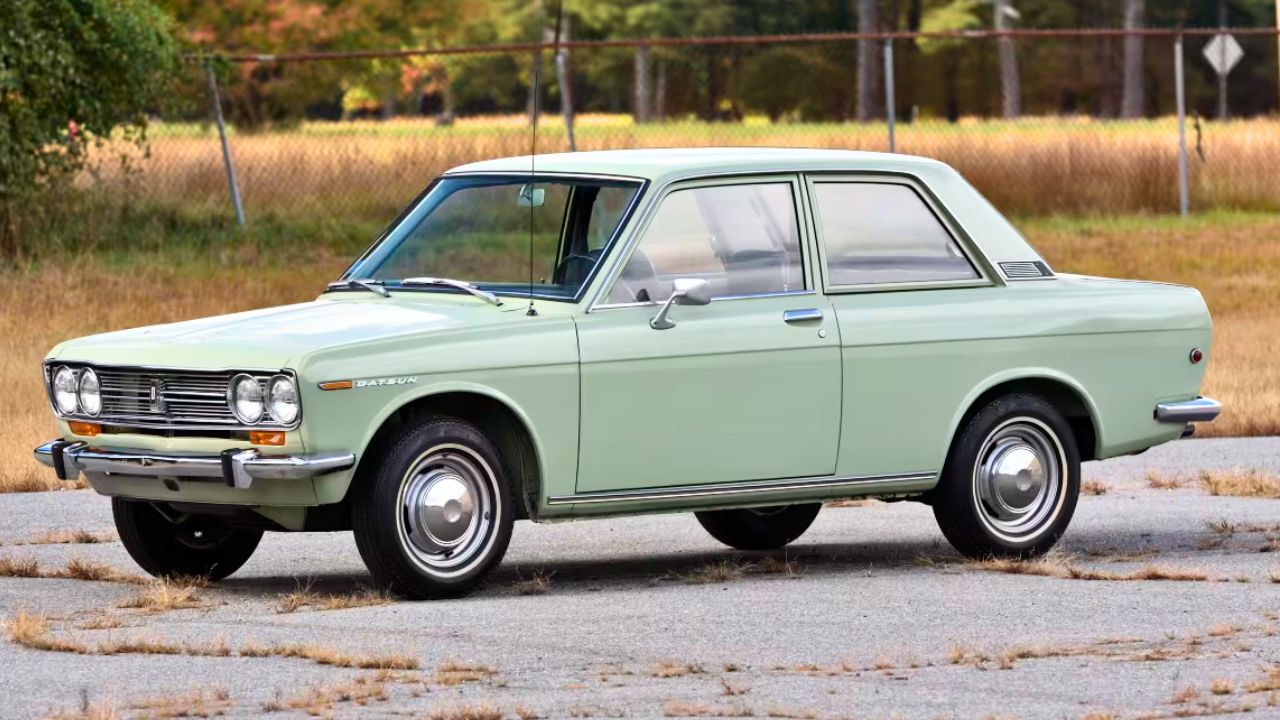
Datsun’s 510 was often called the “poor man’s BMW,” and for good reason. It came with a bulletproof 1.6L inline-four and fully independent suspension, delivering European-style handling with Japanese reliability. These cars were basic but very well engineered.
They’re light, easy to work on, and still supported by a loyal fanbase. With parts availability still decent and enough pep to make them fun, the 510 checks a lot of boxes for anyone wanting a vintage daily that won’t break the bank.
1983–1986 Mercedes-Benz 190E
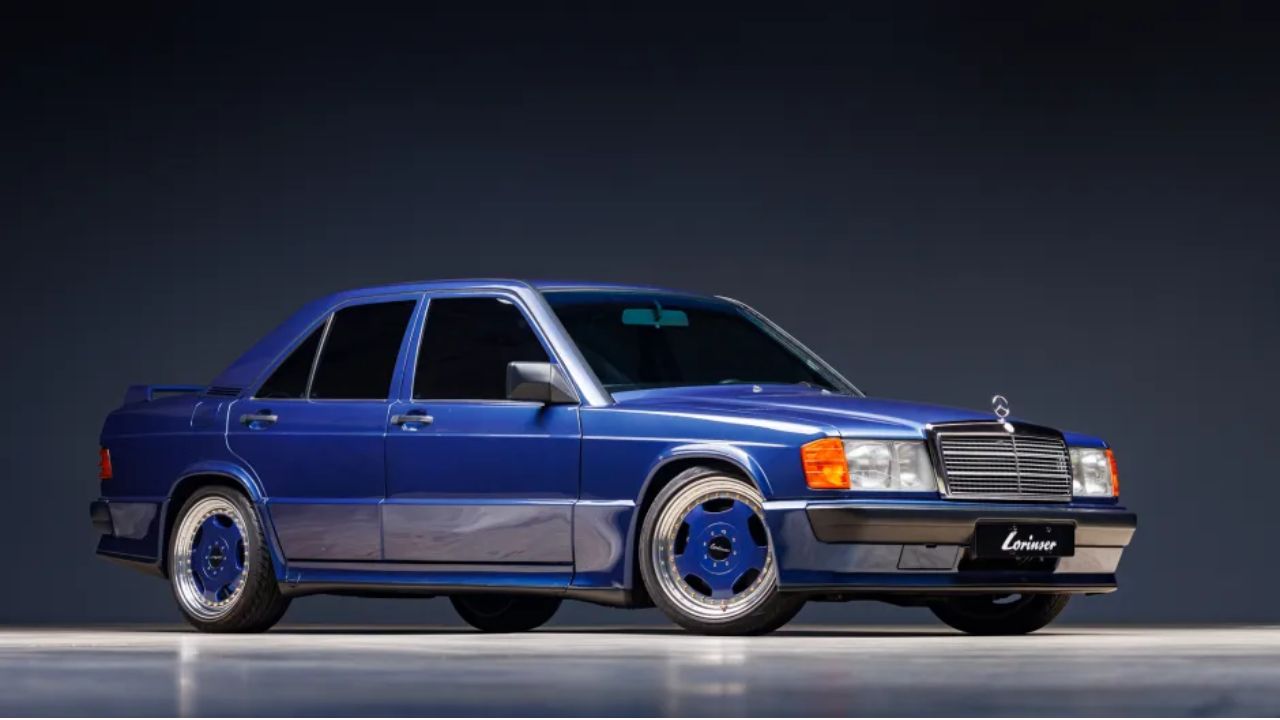
The W201 190E was Mercedes’ answer to the compact executive car, and it was built with typical overengineering. The 2.3L inline-four models are the most practical to daily, with excellent build quality, durable mechanicals, and a surprisingly smooth ride.
Manual versions are a bit rare, but automatics hold up well. Rust is a concern in some areas, but mechanically they’re stout. With good parts support and a still-affordable price tag, these are one of the last true vintage Benzes you can drive daily.
1975–1979 Chevrolet Nova
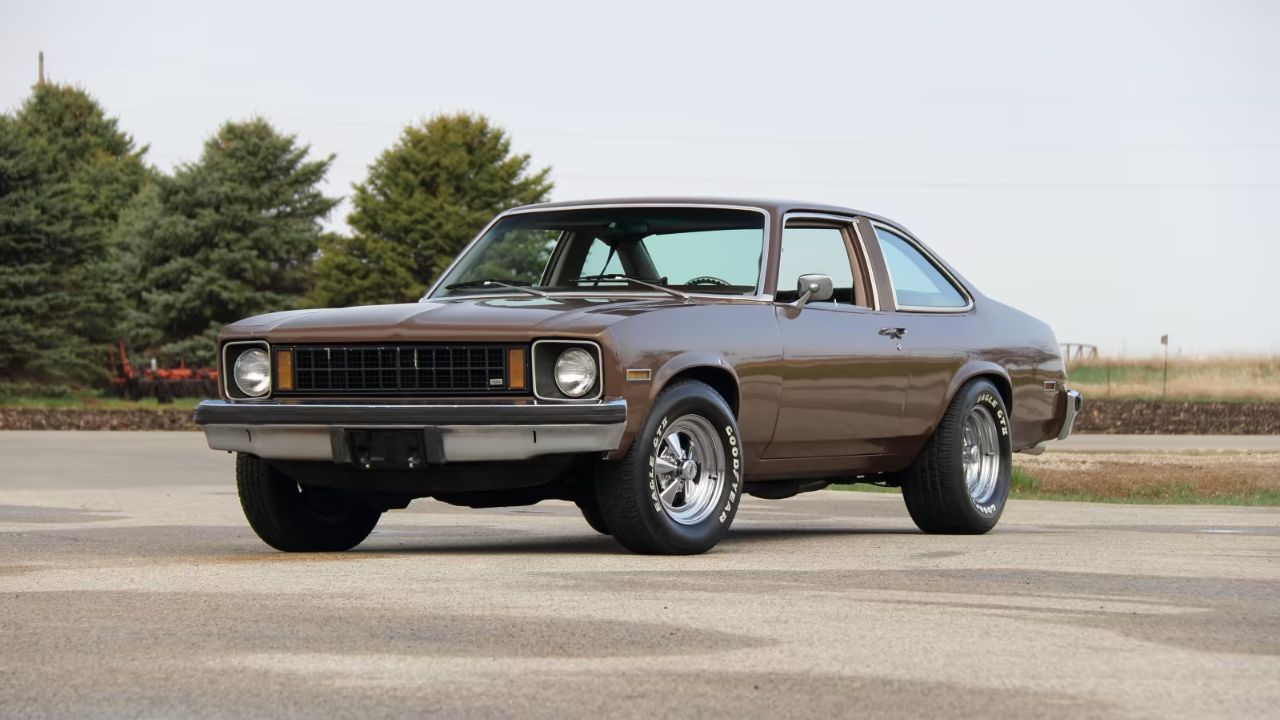
The fourth-gen Nova doesn’t get much love, but that’s part of what makes it affordable. Basic models came with the 250ci inline-six or small-block V8s, offering a good blend of simplicity and durability. Interiors were no-frills, but they’re roomy and parts are everywhere.
The Nova’s mechanical layout is pure GM—easy to wrench, cheap to maintain, and well understood. It’s not a car that draws crowds, but it makes a solid, unfussy vintage daily with just enough charm to keep things interesting.
1970–1974 Volkswagen Type 3 (Fastback or Squareback)
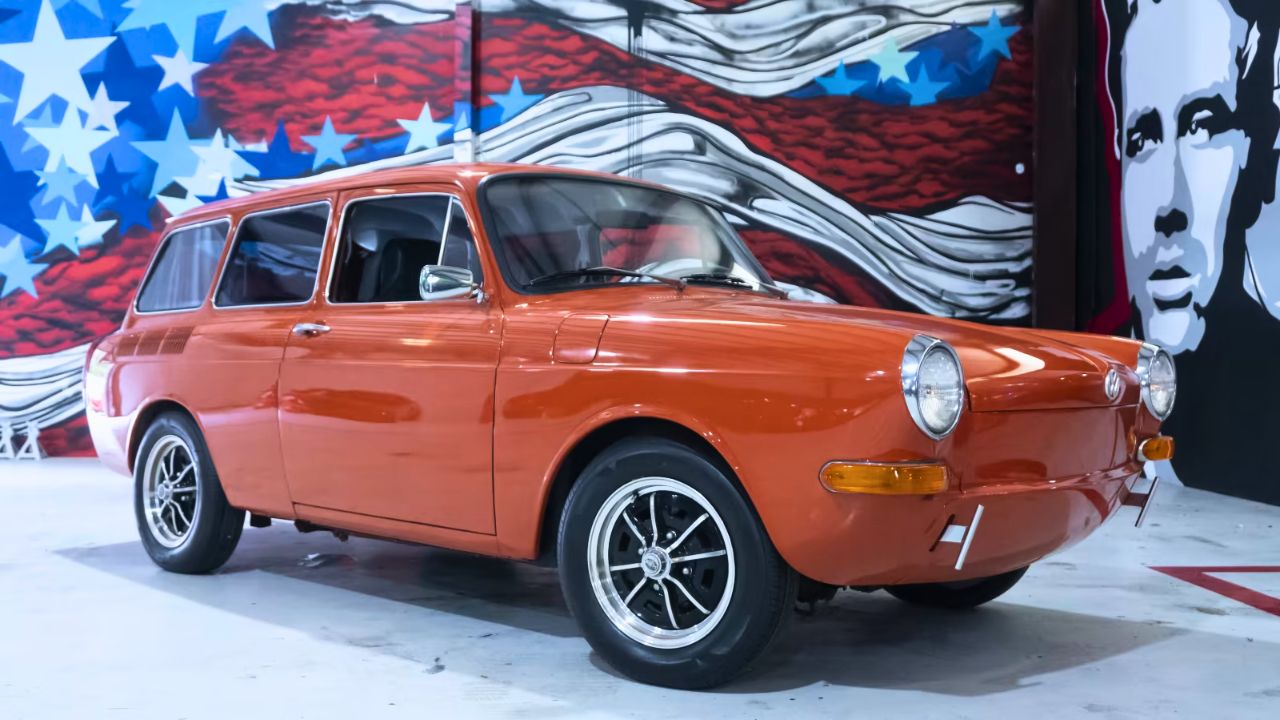
While Beetles get all the fame, the Type 3s are a better pick for daily use. They offered more space and a more refined driving experience while still keeping the air-cooled simplicity VW fans love. The fastback and squareback versions are especially practical.
The 1.6L flat-four is easy to work on, and the fuel-injected models offered smoother operation. While not fast, they’re peppy enough for city traffic. If you’re used to vintage quirks, these cars deliver a lot of charm with surprisingly good daily manners.
1980–1985 Volvo 240
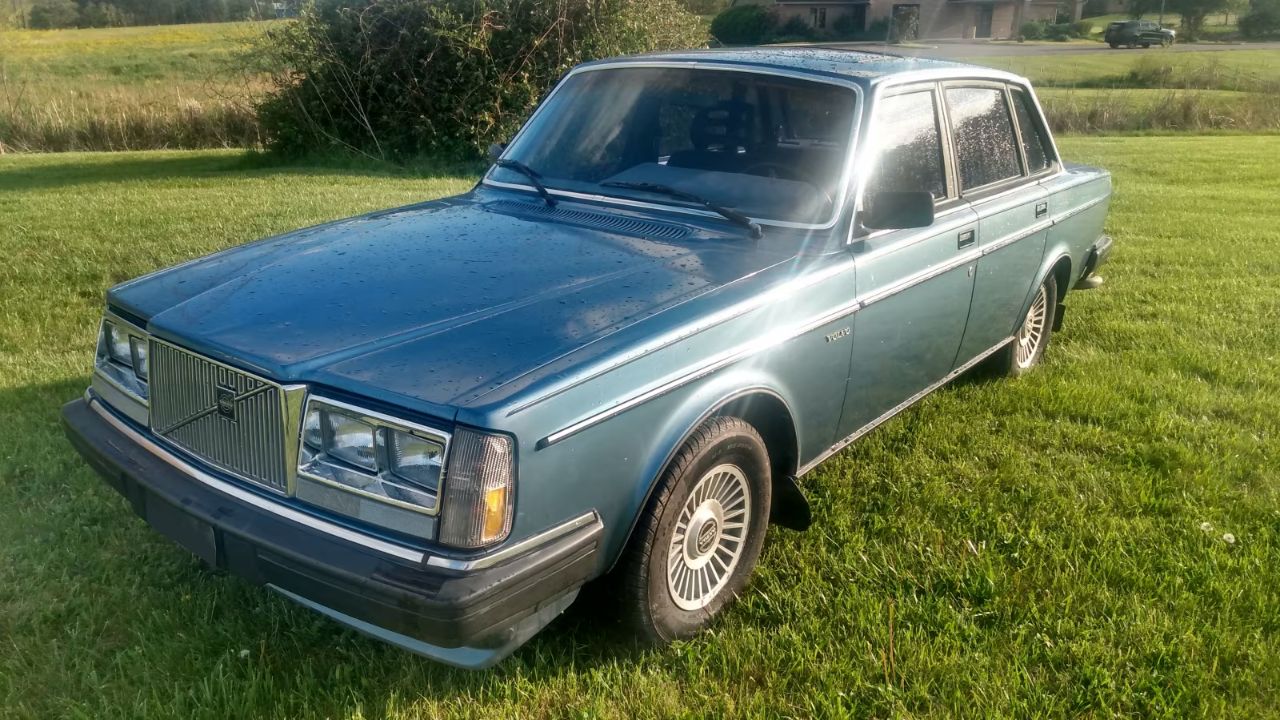
No list of practical classics would be complete without the Volvo 240. Built like tanks, these cars were simple, durable, and engineered with longevity in mind. The 2.1L and 2.3L inline-fours are known for hitting 300,000 miles with regular maintenance.
The interiors are spartan but ergonomically sound. RWD handling is predictable, and safety features like crumple zones were ahead of the curve. With tons of donor cars and aftermarket parts, a 240 makes one of the best vintage commuters money can buy.
1978–1982 Honda Accord Hatchback
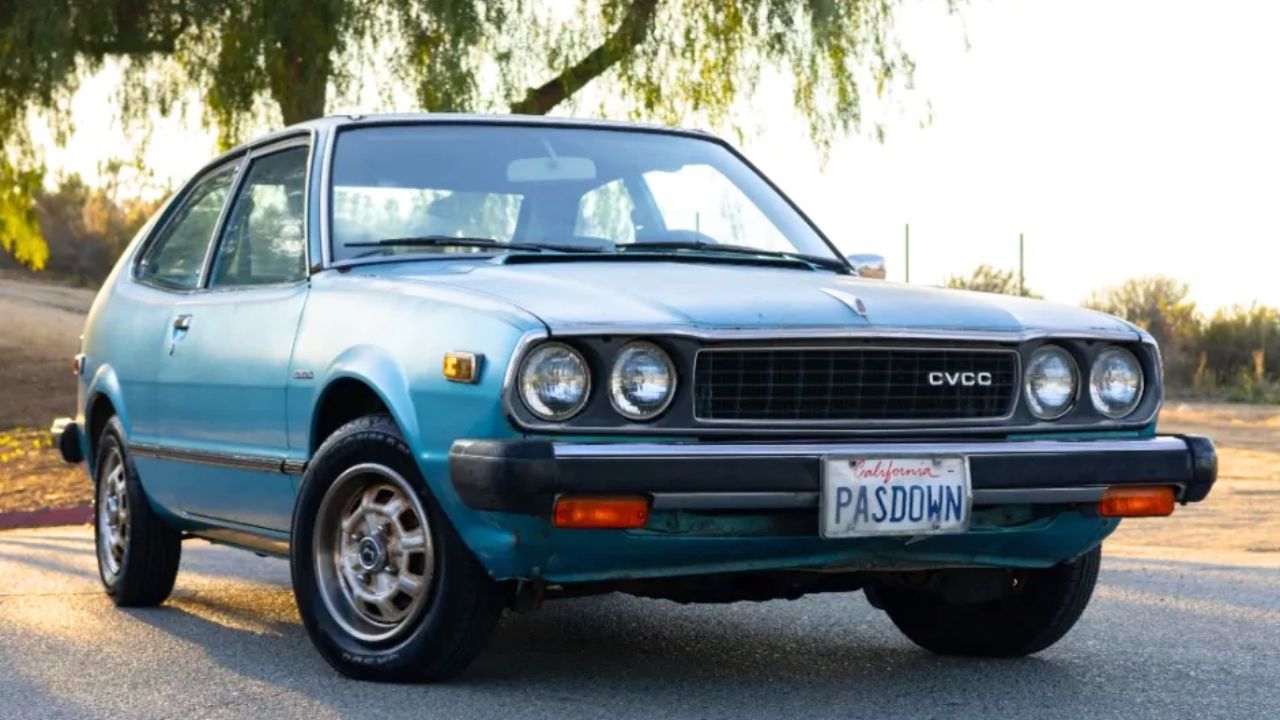
Before the Accord became a midsize staple, it started as a small, efficient, and very reliable hatchback. The first-gen and early second-gen models came with 1.6L or 1.8L CVCC engines, easy manual gearboxes, and decent fuel economy.
These early Accords had rust issues, but clean survivors are fantastic daily drivers. Parts are cheap, they’re easy to work on, and they’re surprisingly roomy. It’s a vintage Honda experience that doesn’t ask much of your wallet or your time.
Like Fast Lane Only’s content? Be sure to follow us.
Here’s more from us:

Leave a Reply