Drivers expect road signs to be dull, functional and forgettable. Yet scattered across highways and backroads, a parallel universe of bizarre warnings and whimsical icons turns routine journeys into surreal moments. These strange markers still serve a safety purpose, but they also reveal how different countries balance clear instructions with local character and humor.
Some of these signs look like pranks, others like art projects that escaped a gallery. From zombie alerts in America to penguin crossings in New Zealand, they show how traffic rules collide with culture, wildlife and, increasingly, federal crackdowns on anything that looks too entertaining.
From zombies ahead to runaway tractors
Few images capture the odd side of road safety better than a bright warning that reads “Zombies Ahead.” Drivers in America have encountered versions of this message on temporary boards, often near construction zones or during Halloween, where officials or pranksters adapt standard warnings into playful alerts. References to Zombies Ahead, America highlight how these signs still sit within a familiar triangular or rectangular frame, yet the wording jolts motorists out of autopilot and into a moment of disbelief.
Other strange markers lean less on fantasy and more on hyper specific rural hazards. Some drivers meet silhouettes of tractors tipping on steep hills or livestock icons that look more like cartoon mascots than real animals. These designs echo the same impulse as the Zombies Ahead message, which appears in lists of Weird Road Signs from Around the World, where standard warning shapes carry unexpected content. The basic engineering stays familiar, but the subject matter turns the roadside into a gallery of local fears and in jokes.
Wildlife crossings that feel like storybooks
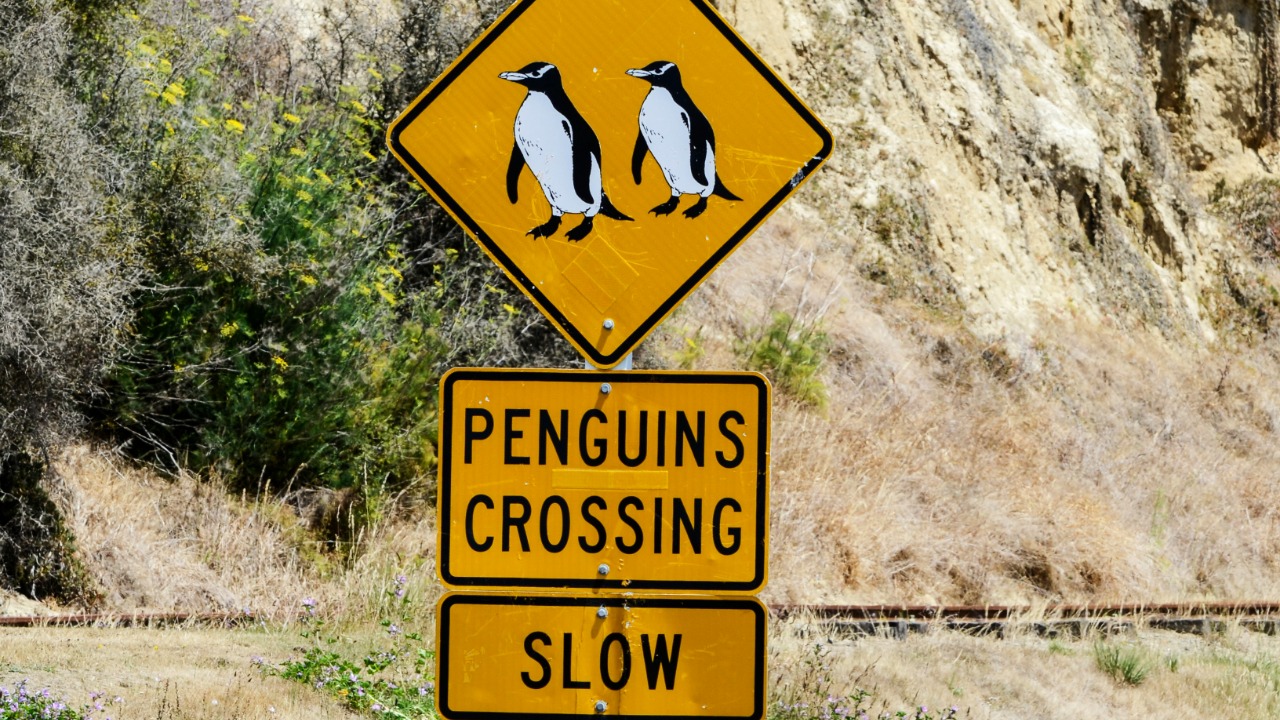
Some of the most striking oddities come from countries that share their roads with charismatic wildlife. In New Zealand, drivers can encounter The Penguin Crossing Sign, which uses a simple bird silhouette to signal that small, vulnerable animals may waddle across the tarmac. The image looks whimsical at first glance, yet it reflects a serious effort to protect native species, and references to The Penguin Crossing Sign in New Zealand underline how road planners adapt standard iconography to very specific local ecosystems.
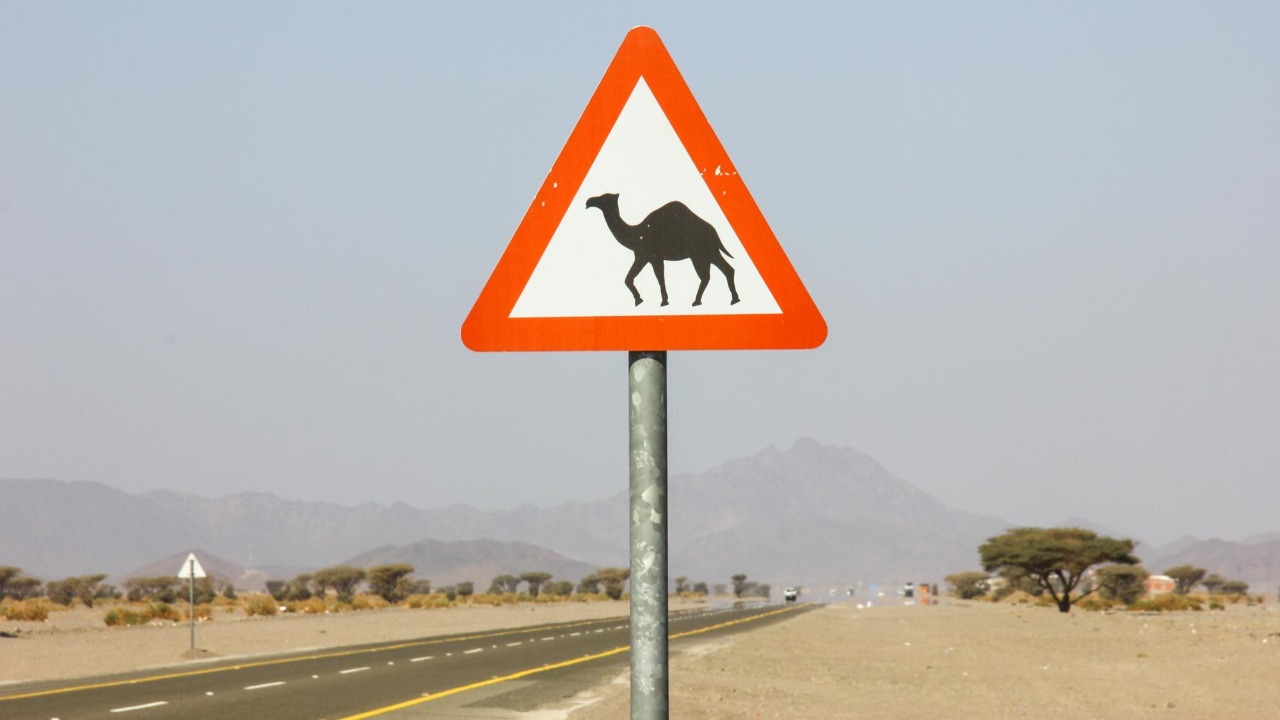
Canada offers a larger, more imposing counterpart with The Moose Crossing Sign. Here, the silhouette of a towering moose warns drivers that a collision could prove deadly for both animal and vehicle, especially on dark rural stretches. The same catalog of unusual markers also highlights The Moose Crossing Sign in Canada and The Camel Crossing Sign in desert regions, where camels wander across highways that cut through open sand. By grouping The Penguin Crossing Sign, The Moose Crossing Sign and The Camel Crossing Sign together, guides to unusual road signs show how the same basic triangle or diamond can morph into a global bestiary.
When humor meets federal rules
Not every strange sign involves animals or imaginary monsters. In the United States, roadside humor has flourished on electronic message boards that urge drivers to slow down or buckle up. Some states embraced local dialects and jokes, including a message in Massachusetts that read “Use Yah Blinkah” to nudge drivers toward their turn signals. That phrase now appears in federal guidance as an example of the kind of playful wording that transportation officials want to retire, after The Federal Highway Administration advised states to phase out funny messages over a two year period.
The same federal push also targets other quips, such as Ohio phrases that riff on visiting in laws, on the grounds that drivers may spend too long decoding the joke instead of focusing on the road. Officials at the United States agency argue that signs should avoid obscure meanings, references that require local knowledge or nonstandard syntax. That stance appears in a separate directive where the Federal Highway Administration told states in 2023 to stop using messaging on signs with obscure meanings, references to popular culture, or attempts to be humorous. The crackdown signals a shift from roadside wit toward a stricter, more literal style that leaves less room for the kind of quirky slogans drivers love to photograph.
Why strange signs stick in drivers’ minds
Despite official skepticism, odd road signs often achieve what standard warnings struggle to do. They cut through distraction and force drivers to pay attention, precisely because they look so out of place. A motorist who has tuned out a dozen routine speed reminders may suddenly slow down when a Zombies Ahead warning appears, or when a cartoonish animal silhouette suggests an unexpected hazard. Lists of Weird Road Signs from Around the World highlight this effect by collecting examples that drivers photograph and share, turning local safety messages into viral curiosities.
Wildlife icons like The Penguin Crossing Sign in New Zealand or The Moose Crossing Sign in Canada also tap into this psychological edge. The images feel almost like characters from a children’s book, which makes them more memorable than a generic triangle with an exclamation mark. By the time a driver recalls that memory, the sign has already done its job, prompting slower speeds or extra vigilance. Even when federal rules in the United States push agencies away from overt humor, the enduring appeal of these unusual markers suggests that a little strangeness can make roads safer, not just more entertaining.
The future of quirky road warnings
As digital dashboards and navigation apps like Google Maps and Waze take over more of the guidance role, physical signs face new pressure to justify their presence. Standard speed limits and lane instructions now appear on screens inside cars, while the roadside hardware competes with notifications and playlists for a driver’s attention. In that environment, a conventional message risks fading into the background, while a bizarre or hyper local warning still has a chance to break through. The enduring fascination with Zombies Ahead messages and animal crossings shows that drivers remember the oddities long after they forget the rest.
Regulators, however, continue to favor uniformity. The Federal Highway Administration guidance that singled out Use Yah Blinkah and other jokes reflects a belief that clarity must trump charm, even if that means fewer roadside moments that feel shareable. Internationally, countries that feature The Penguin Crossing Sign, The Moose Crossing Sign or The Camel Crossing Sign still treat those icons as serious tools, not novelties, which suggests that quirkiness and safety can coexist when design stays simple and direct. Whether future roads lean into that balance or retreat into bland uniformity will determine how many more bizarre signs drivers can spot, photograph and debate on their next long trip.