
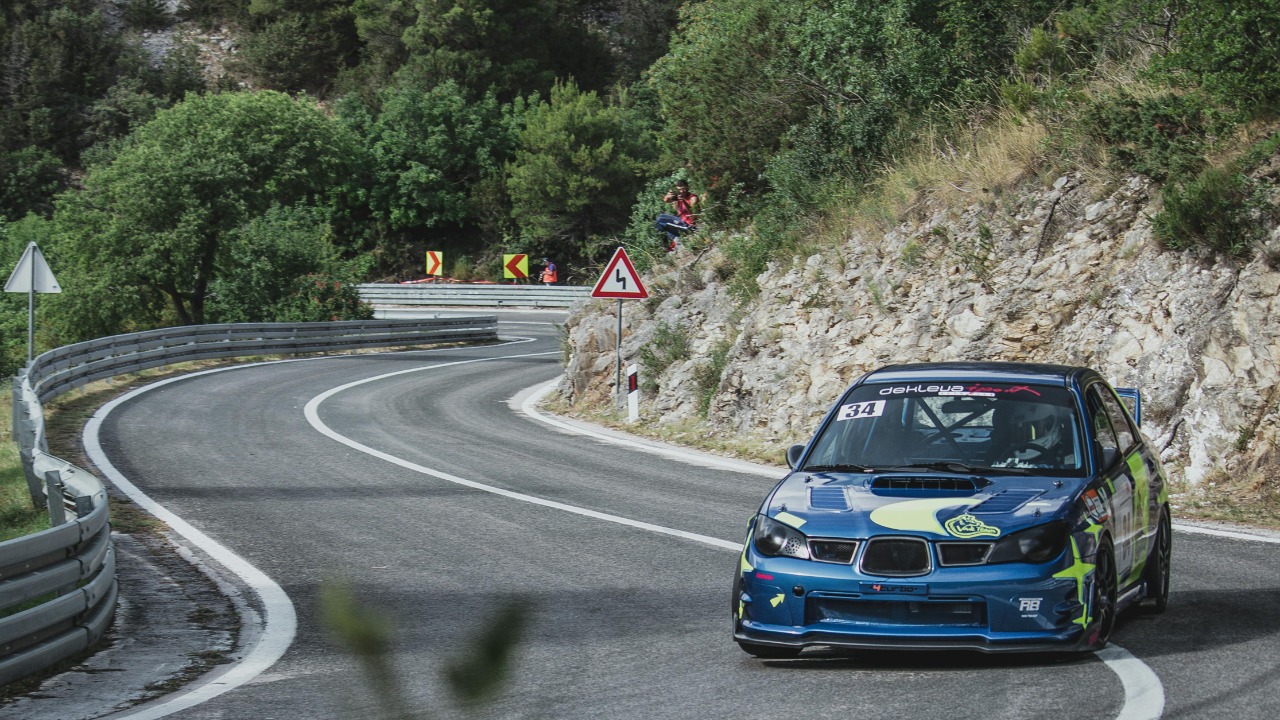
Performance shops tend to agree on one thing: the smartest brake upgrades focus on control, consistency, and heat management rather than flashy hardware alone. Drivers who push a BMW 340i on mountain roads or track a Subaru WRX quickly learn that the right pads, rotors, calipers, and fluid can transform confidence behind the wheel. The most trusted tuners usually steer customers toward a short list of proven components that deliver real stopping power without wasting money on parts the car or driver does not need.
Why performance shops start with pads and rotors
Most professional tuners treat brake pads and rotors as the foundation of any serious stopping upgrade, because these parts dictate how the car feels at the pedal and how it handles heat. Shops often recommend a matched set of performance pads and discs rather than mixing random components, since pads and rotors work as a single system that either complements or undermines itself. One detailed guide notes that a rotor upgrade is often best when paired with a pad upgrade, and that drivers risk problems with a mis-matched set, a point that underscores how Pads and rotors must share the same performance goals.
Shops also lean on specific rotor designs to solve specific problems, especially for heavier or faster cars. When drivers complain about fade on spirited runs, many tuners suggest slotted rotors because the slots help sweep away gases and debris and improve bite, a benefit highlighted in a table on Choosing Rotors that lists Type and Benefits and calls out Slotted Rotors for Improv in braking consistency. Performance shops usually pair those rotors with higher friction pads that tolerate heat, since performance brakes are designed for more than just better pads and instead rely on the whole system working together under stress.
The pad compounds and brands tuners trust
Once a shop addresses basic rotor design, the conversation usually turns to pad compound, because that choice shapes noise, dust, and cold bite as much as raw stopping distance. Many tuners steer daily driven cars toward street performance pads that offer a higher friction level than stock without squealing at every stoplight, then reserve full track compounds for drivers who accept noise and dust as the price of lap time. A detailed review of top pad makers highlights how Superior stopping power comes from high quality materials and notes that Brembo’s high quality materials provide excellent braking force, describing Brembo as a Trusted brand Known for durability, which explains why many shops default to Superior pad options when customers want a clear upgrade.
Performance specialists also pay attention to how pad brands integrate with complete systems, especially when customers consider big brake kits. A guide to High Performance Brake components points out that of all the big name brands, a few stand out as superior options for a brake system upgrade, including StopTech High Performance Brake kits that pair pads, rotors, and hardware in one package, which helps shops avoid guesswork and ensures consistent results when they recommend a full High Performance Brake setup. Many tuners also trust established manufacturers that invest in motorsport development, which is why they often highlight the engineering depth behind Brembo systems when explaining to customers why some pads cost more but deliver better feel and fade resistance.
When bigger calipers and big brake kits make sense
After pads and rotors, the next upgrade performance shops discuss is usually calipers, especially for drivers who track their cars or tow heavy loads. Tuners know that multi piston fixed calipers apply pressure more evenly across the pad, which increases stopping power and improves pedal feel, a benefit captured in a detailed breakdown of The Pros, Benefits of Performance Brakes Increased Stopping Power that explains how a multi piston fixed caliper applies pressure more evenly and delivers more braking force when drivers need it most, reinforcing why many shops recommend Benefits of Performance Brakes Increased Stopping Power for serious builds. These calipers also resist flex under high pressure, which keeps the pedal firm during repeated hard stops.
Shops often bundle those calipers into larger brake kits that include bigger rotors and performance pads, especially for cars that see track days or high speed highway use. One analysis notes that Upgrading to larger brake kits really boosts a car’s braking performance and safety, explaining that these kits include bigger calipers, larger rotors, and high performance pads that help the car stop faster and more consistently over time, no matter the situation, which matches how tuners pitch Upgrading to customers who push heavy sedans or tuned hatchbacks. A video discussion titled Big Brake Upgrades, which asks Is Bigger Better With Wilwood Brakes, echoes that logic and stresses that drivers should match kit size to tire grip and use case, a nuance many shops repeat when they walk customers through Big Brake Upgrades rather than selling the largest kit on the shelf.
Real world advice from track regulars and forum veterans
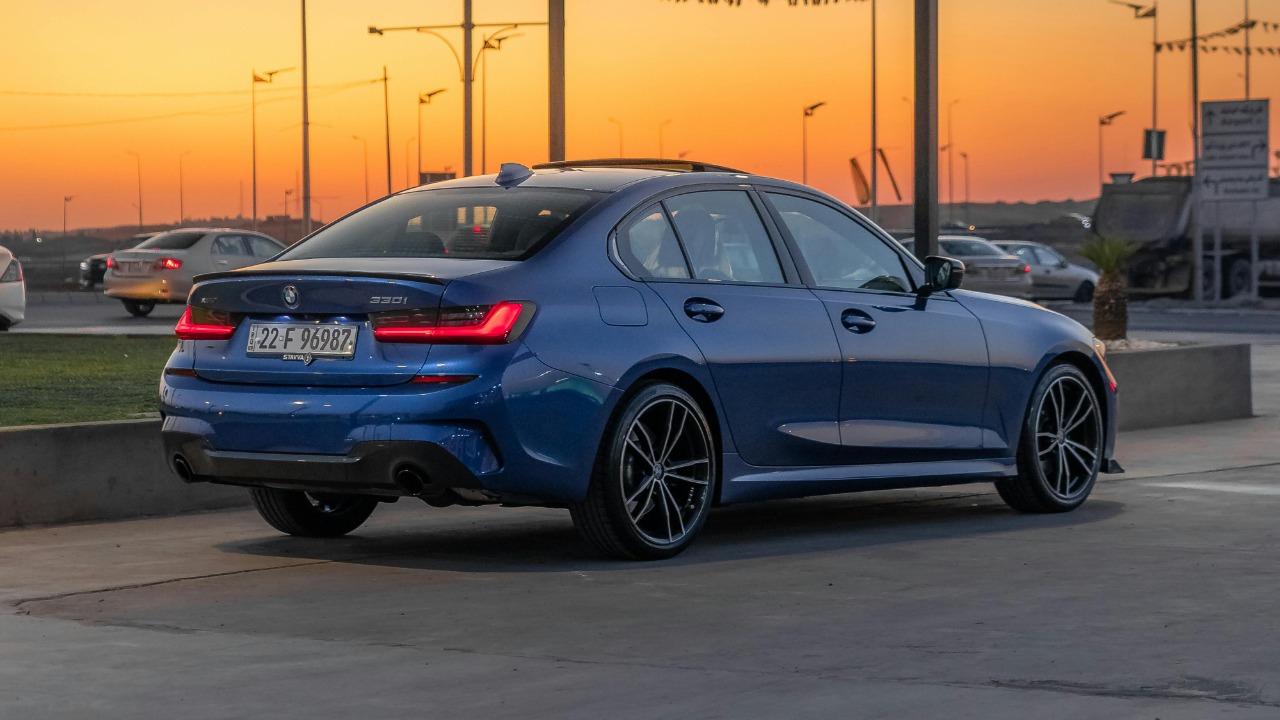
Performance shops do not operate in a vacuum, and many of their recommendations mirror what experienced track drivers share in online communities. In one Comments Section on a track day forum, a user named 2Loves2loves explains that air ducts can help a lot, and that better fluid and more frequent flushing often deliver more value than a big brake kit for many drivers, advice that aligns with how tuners prioritize cooling and maintenance before suggesting expensive hardware, a point that appears in a discussion titled Comments Section about whether big brake kits are worth it. That same thread highlights a common shop refrain: invest in quality pads, fluid, and lines first, then consider larger calipers only if the car still overheats its brakes.
Brand choices in these communities also echo what performance shops stock on their shelves. On a BMW 3 Series and 4 Series forum, owners debating the best brakes and rotors for a 340i note that the brembo and stop tech kits are out there and that one poster has seen 2 of 3 people with them, a small but telling sample that reflects how often tuners recommend those brands for German sport sedans, as captured in a thread that mentions Jan and highlights that pattern. Many shops also point customers toward complete systems from companies like PowerStop, which package pads, rotors, and hardware for popular models, because these kits simplify installation and reduce the risk of mismatched components that frustrate both mechanics and drivers.
How shops help customers choose the right level of upgrade
Professional tuners rarely push every customer toward the most aggressive setup, instead they match brake upgrades to how and where the car gets driven. A detailed overview of performance brake upgrades explains that if a driver spends most of their time in city traffic, they may not need full race hardware, while someone who drives hard on back roads or tracks their car will benefit from stronger discs and pads, a distinction captured in a guide that asks What are performance brake upgrades and what do they do and notes that brake discs, or rotors in American terminology, sit at the center of that decision, especially when a driver wonders if they should stick with the standard brakes or step up to a more serious What level. Shops often start that conversation by asking about tire grip, vehicle weight, and whether the car tows or sees mountain passes.
Many tuners also lean on data and product catalogs to keep their recommendations grounded in real world fitment and performance. One explanation of Google’s Shopping Data describes how Product information aggregated from brands, stores, and other content providers feeds a Shopping Graph that helps surface the right product for a specific vehicle, a tool that shops and consumers can use to compare pad compounds, rotor types, and kit contents before buying, as outlined in a breakdown of how the Product graph works. Retailers then tie those insights to specific listings, such as a detailed product entry that shows how pads, rotors, and hardware bundle together for a given model year, which helps performance shops verify compatibility before they recommend a specific kit to a customer.



Leave a Reply