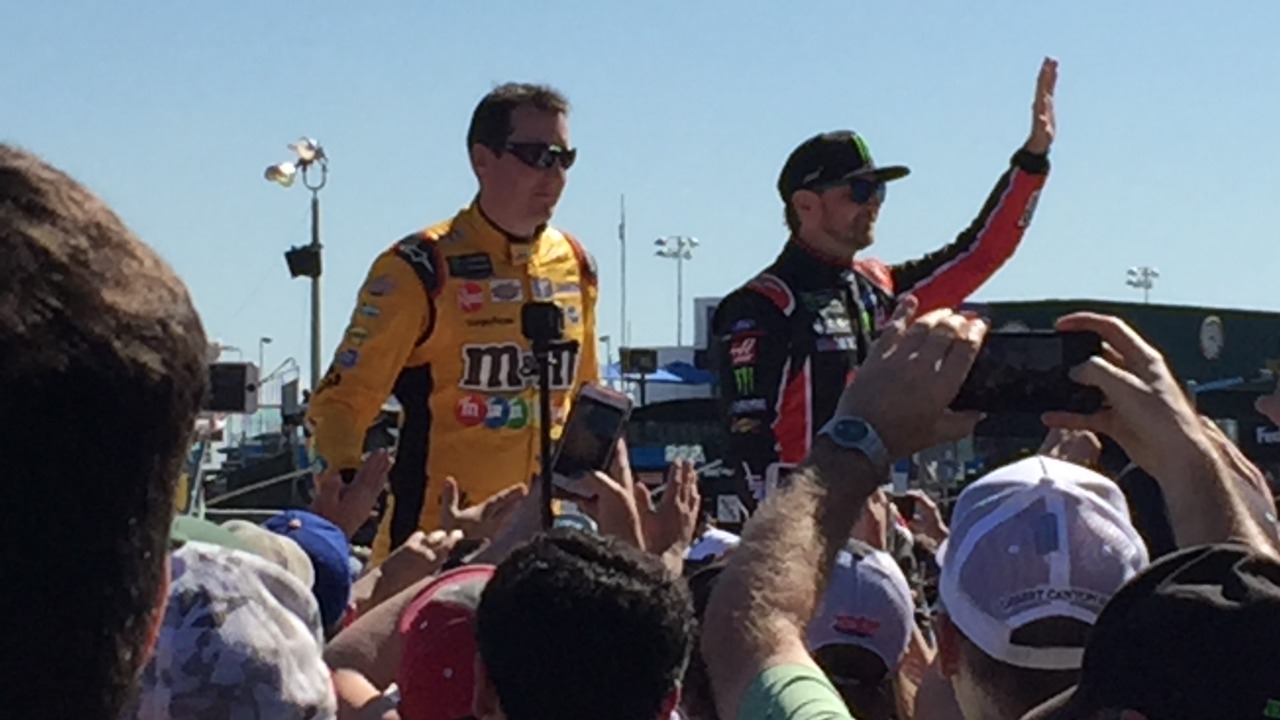
The rivalry between Kurt Busch and Kyle Busch turned family dinners into debriefs and Cup Series Sundays into psychological chess matches. Their battles, from childhood kart tracks to NASCAR’s biggest stages, created a volatile mix of resentment, ambition, and reluctant respect that made every shared grid feel like a coin flip between fireworks and history.
What made their story so compelling was not just that two brothers could win at the highest level, but that their relationship veered from open hostility to hard-earned peace while the cameras rolled. The tension between Kurt and Kyle did not simply color a few incidents, it shaped how fans, competitors, and even their own parents viewed every race where both Busch cars rolled to the line.
The roots of a rivalry that started before NASCAR
The unpredictability of the Busch brothers’ races began long before either of them strapped into a Cup Series car. As the younger sibling, Kyle Busch grew up chasing Kurt Busch, literally and figuratively, in parking lots and on kart tracks, measuring himself against the standard his older brother had already set. In one early go-kart showdown, there was only a single race between them, and Kyle’s takeaway was simple: he wanted to be better than Kurt, a mindset that hardened their competition into something more personal as they climbed the ladder together, a dynamic he later revisited while talking about Kurt.
That childhood chase created a hierarchy that neither brother could fully escape once real money, sponsors, and Cup Series points were on the line. The older brother had the early spotlight, the younger brother had the raw speed and a chip on his shoulder, and every shared track session became another test of who truly owned the family name. The rivalry was not manufactured by television or marketing departments, it was baked into their formative years, when beating each other meant more than beating anyone else on the grid.
“I hated him”: when family friction spilled onto the track
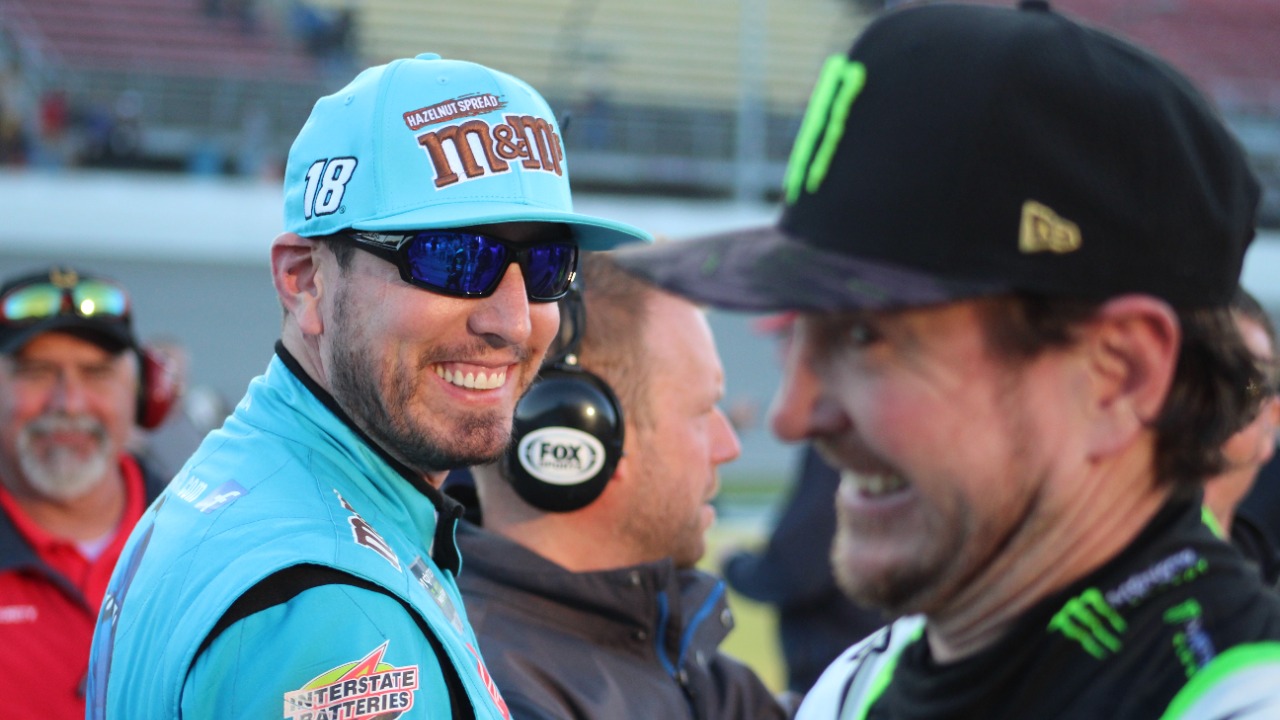
By the time Kyle Busch reached the Cup Series, the simmering tension with his elder brother had become impossible to hide. There was a stretch early in Kyle’s top-level career when he admitted that he “hated” Kurt, a blunt description of how their competition had curdled into something darker. The friction was so intense that their father refused to take sides, declining to play a part in the feud even as both sons pushed harder, a period later described as an intense beef that needed outside intervention.
The emotional stakes of those years made every on-track decision between them feel loaded. A block, a bump, or a risky dive into a corner was never just racecraft, it was another chapter in a family argument that had gone public. When Kyle chose aggression, fans wondered if it was about points or payback; when Kurt lifted, observers questioned whether he was protecting his younger brother or simply avoiding another week of headlines. The result was a sense that any race featuring both Busch cars could tilt from professional rivalry into personal conflict without warning.
The $1 million crash and a year of silence
The most vivid example of that volatility came in the All-Star environment, where pride and prize money collided. In one infamous All-Star Race, the Busch brothers were racing for a $1 million payout when contact between them ended in a crash that wiped out their shot at the jackpot. The fallout was so severe that Kyle and Kurt did not speak for roughly a year afterward, a self-imposed freeze they later acknowledged while revisiting how the All-Star incident in Feb left them barely on speaking terms.
That silence underscored how fragile their relationship had become and how much was at stake every time they lined up side by side. The crash was not just an expensive mistake, it was a public fracture that confirmed what many suspected: the Busch rivalry had crossed the line from competitive tension into emotional damage. For fans and competitors, it reinforced the sense that any close-quarters battle between the two could end in wrecked cars, bruised egos, and another long stretch where the brothers communicated only through their spotters and post-race quotes.
Villains, redemption, and the psychology of racing your brother
Over time, both Kurt and Kyle Busch were cast as villains in different eras, drivers who leaned into aggression and did not mind being booed. That outsider image fed into their sibling rivalry, because each brother knew the other was willing to play the heavy if it meant winning. Yet their story also evolved into one of unlikely redemption, as both men gradually confronted the anger and resentment that had defined their early years and began to talk more openly about how much they had hurt each other, a shift that framed them less as stock characters and more as complicated figures in an Aug narrative of growth.
Racing a brother at 190 miles per hour is a unique psychological test, and the Busch duo showed how that pressure can warp even the most talented competitors. Each pass carried the weight of childhood slights, each loss felt like a family referendum, and each win risked deepening the divide. Their gradual move from hostility to begrudging respect did not erase the past, but it did change the tone of their battles, turning some of the venom into a more measured, if still combustible, form of rivalry that fans could sense in their body language as much as in their lap times.
Records, near-feuds, and why every shared grid felt unstable
Even as their relationship lurched between conflict and détente, the Busch brothers were rewriting the Cup Series record book. Together, they closed in on the benchmark set by the Allison family, with reporting noting that the Busch brothers were approaching the Allisons’ total for Cup Series wins, a chase that highlighted how two siblings could dominate an era while still struggling to coexist. Their combined success, tracked in detail as The Associated Press chronicled their pursuit of that record, meant that every time they shared a front row, history was in play alongside their personal drama.
On track, that mix of stakes and emotion produced some unforgettable flashpoints, including a near-feud at Bristol that showed how quickly things could escalate. In that short-track cauldron, Kyle and Kurt Busch raced each other with the kind of intensity that made observers wonder if a full-blown family war was about to erupt, a moment later described as an almost brotherly feud that underlined how Kyle and Kurt Busch were not the only relatives in NASCAR, but were certainly among the most combustible. The unpredictability came from knowing that any hard battle between them might end in a highlight-reel finish or a headline-grabbing confrontation, with little middle ground.
From “Big Brother” tension to tapping the brakes
For all the chaos, there were quieter moments that hinted at a different path. At Soma Raceway one June, something happened that had not occurred in the 11 years since Kyle joined a program literally called Big Brother and began sharing more structured time with Kurt. That setting, away from the Cup Series spotlight, showed how the older-brother, younger-brother dynamic could soften when the stakes were not measured in trophies and television ratings, and how the same personalities that clashed in the garage could find common ground in a more controlled environment.
Over time, Kurt Busch acknowledged that the relationship had improved from the days when the brothers barely spoke. There was a period when they rarely communicated at all, but Kurt later said they do talk now and that “it’s better,” a shift that reflected how both men had learned to tap the brakes on their most destructive impulses. That evolution, described in detail when one report noted that There was a time they barely spoke, did not erase the rivalry, but it did make their interactions less volatile, even as the competitive fire remained.
Family, perspective, and a rivalry that finally found balance
What ultimately steadied the Busch brothers’ story was a broader understanding of what family competition can do to athletes at the highest level. In another sporting context, a reflection on how rivalries can evolve noted that, for the brothers involved, the sport was always about family and the time spent with parents, a sentiment that applies neatly to Kurt and Kyle as well. The idea that “For the brothers, the sport was always about family” captured how their parents’ presence at tracks and in motorhomes shaped their worldview, a perspective echoed in a tennis Hall of Fame setting where For the brothers in that story, as for the Busches, the line between family and competition was always thin.
In the end, the Busch rivalry did not disappear so much as it matured. Kurt and Kyle still raced each other hard, still carried the weight of their shared history, and still gave fans a sense that anything could happen when both were in contention. The difference was that, after years of crashes, silence, and public feuds, they found a way to coexist that allowed their talent and records to stand alongside the drama rather than being swallowed by it. The unpredictability never left their races, but it shifted from the threat of implosion to the possibility of seeing two brothers, finally at peace with their past, push each other to the edge of what was possible in a Cup Series car.