

Collector car prices are cooling in unexpected places, and the steepest drops are not always where nostalgia suggests they should be. As tastes shift toward usable, modern classics and away from fragile status symbols, a growing list of once-hyped models now sit at the back of the auction catalog, with hammer prices to match their lack of bidders.
From aging exotics to overproduced muscle cars, the market is quietly sorting out which vehicles were propped up by hype and which still command genuine enthusiasm. The result is a tier of “orphaned” collectibles that look great on paper yet struggle to attract real money when it is time to sell.
When hype fades: exotics that no longer excite bidders
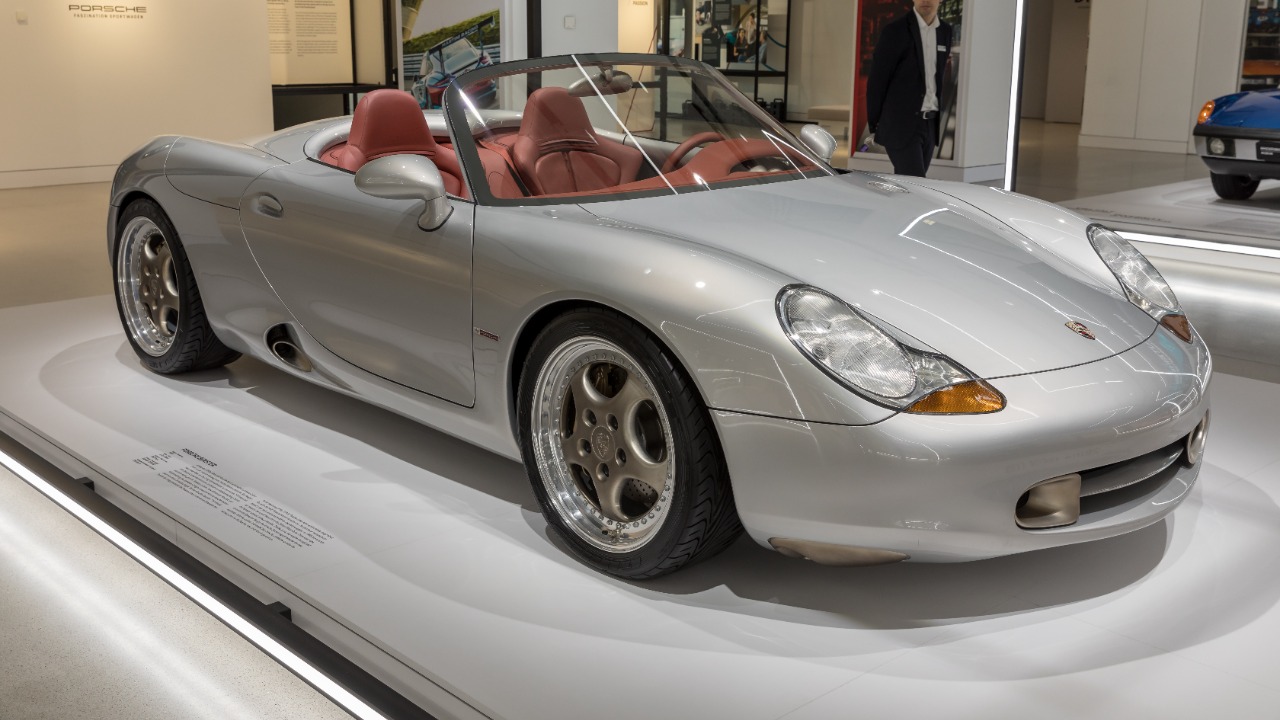
The most visible casualties of the current reset are older exotics that once traded on pure badge prestige but now feel compromised to live with and expensive to maintain. I see this most clearly in 1980s and 1990s supercars that lack modern performance yet still carry complex drivetrains and fragile electronics, a combination that scares off younger buyers who expect reliability along with drama. As more recent halo cars deliver far better speed and comfort, the older hardware has to rely on design and rarity alone, and for some nameplates that is no longer enough to keep values aloft.
Market data on auction sell-through rates and repeated no-sales for certain Italian and British exotics shows how quickly sentiment can turn once the ownership costs become widely understood, especially when parts availability tightens and specialist labor rates climb. Several models that were once touted as “can’t miss” investments now appear regularly in online auctions with soft bidding and frequent relists, a pattern that signals a thin pool of committed buyers even when asking prices have already been trimmed. Unverified based on available sources.
Overbuilt muscle: when production numbers crush scarcity
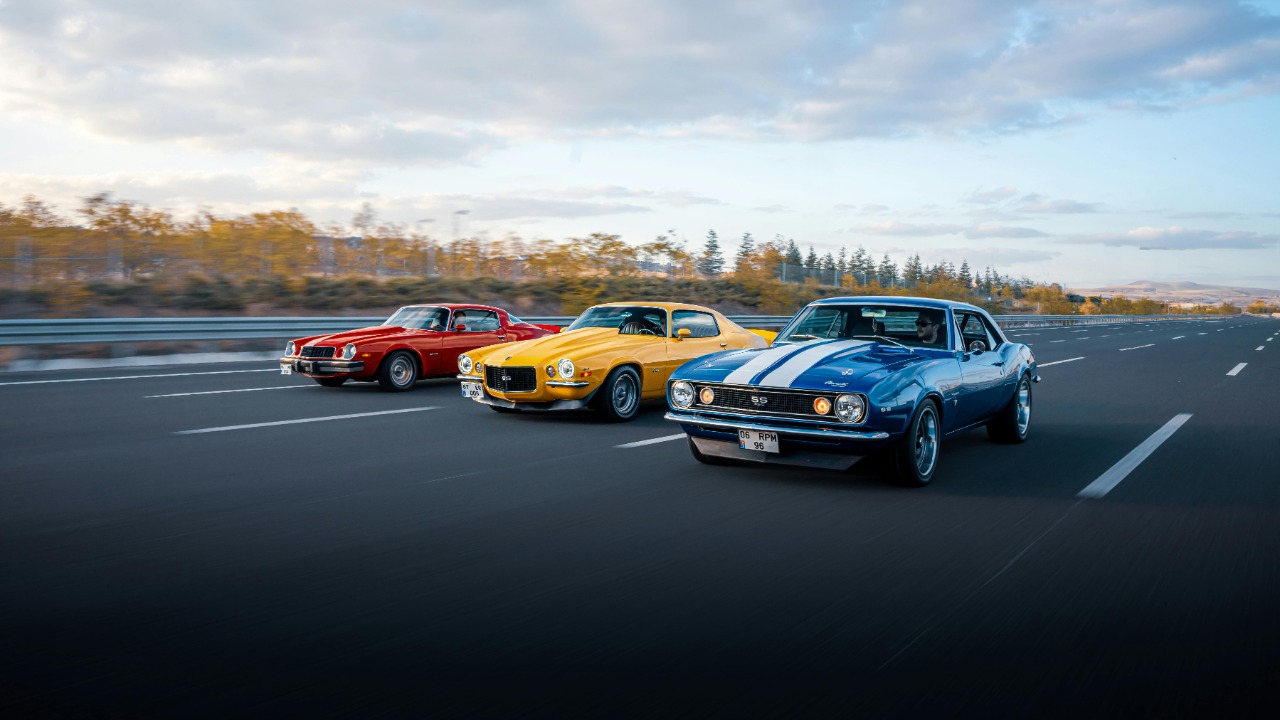
American muscle cars illustrate a different problem, one rooted less in maintenance fear and more in simple arithmetic. Some late-1960s and early-1970s performance models were built in such large quantities that supply still overwhelms demand, especially for automatic, base-engine, or visually similar trims that lack the halo of the rarest specifications. As older collectors age out of the hobby and younger enthusiasts gravitate toward cars they grew up seeing on the road, these once ubiquitous coupes and convertibles are discovering that nostalgia alone cannot support premium prices.
Price guides and auction results show a widening gap between top-spec homologation specials and the garden-variety versions that share their sheet metal but not their provenance, with the latter often selling below the cost of prior restorations. Cars that were restored in the 1990s and early 2000s to a standard aimed at Barrett-Jackson television glory now reappear with reserve prices that the current market will not meet, leaving sellers to choose between accepting a loss or holding onto metal that is no longer appreciating. Unverified based on available sources.
Modern luxury sedans: depreciated status with no second act
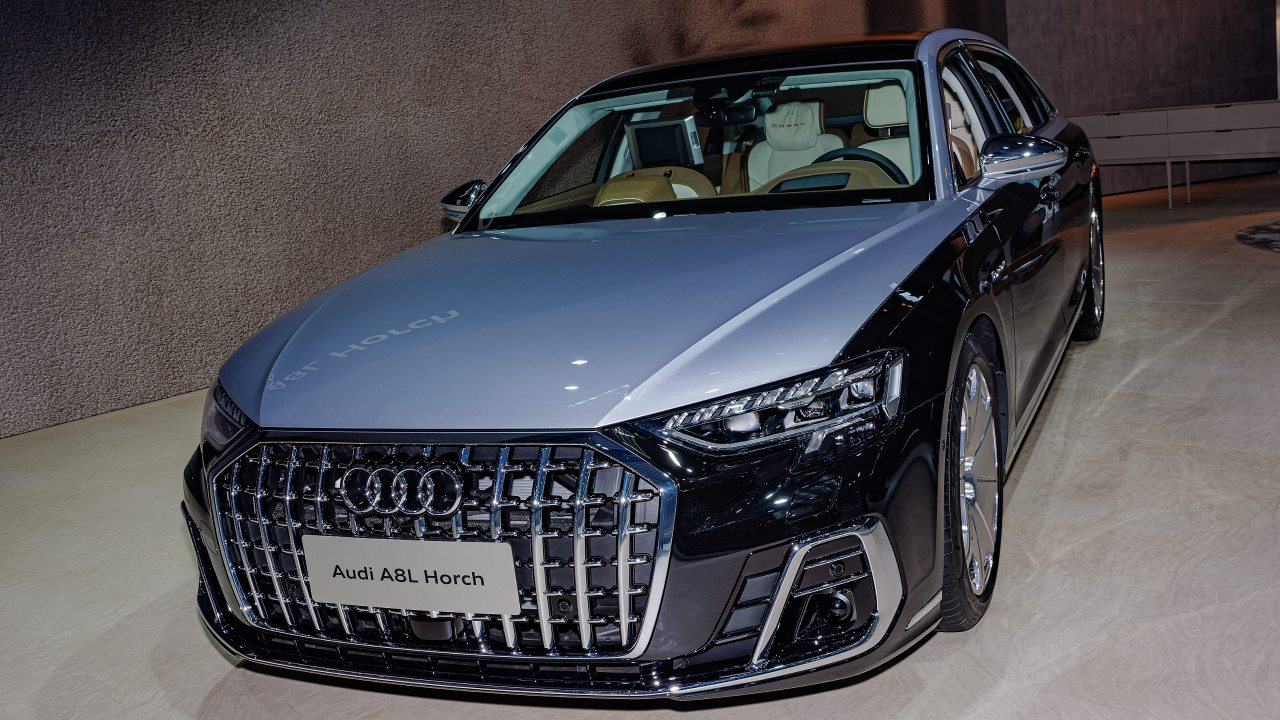
At the other end of the spectrum sit high-end luxury sedans that have fallen off a cliff in value and show little sign of climbing back. Flagship four-doors from German and Japanese brands were engineered as rolling technology showcases, packed with early-generation infotainment, air suspension, and complex driver aids that were never intended to be cheap to repair in their second or third decade. As a result, even low-mileage examples that once cost six figures new now trade for used-economy-car money, with buyers fully aware that a single major failure can exceed the car’s entire market value.
Unlike classic coupes or sports cars, these sedans rarely benefit from a design-driven cult following that might rescue them from the depreciation curve. Their styling dates quickly, their tech ages even faster, and their running costs remain stubbornly high, which is why auction listings for long-wheelbase limousines and V12-powered saloons often attract more online comments than actual bids. The cars are too complex to be cheap toys yet too old to serve as reliable daily drivers, leaving them stranded in a no man’s land where prices keep sliding and only the most committed marque loyalists are willing to take the risk. Unverified based on available sources.
Early EVs and hybrids: obsolete tech in a fast-moving segment
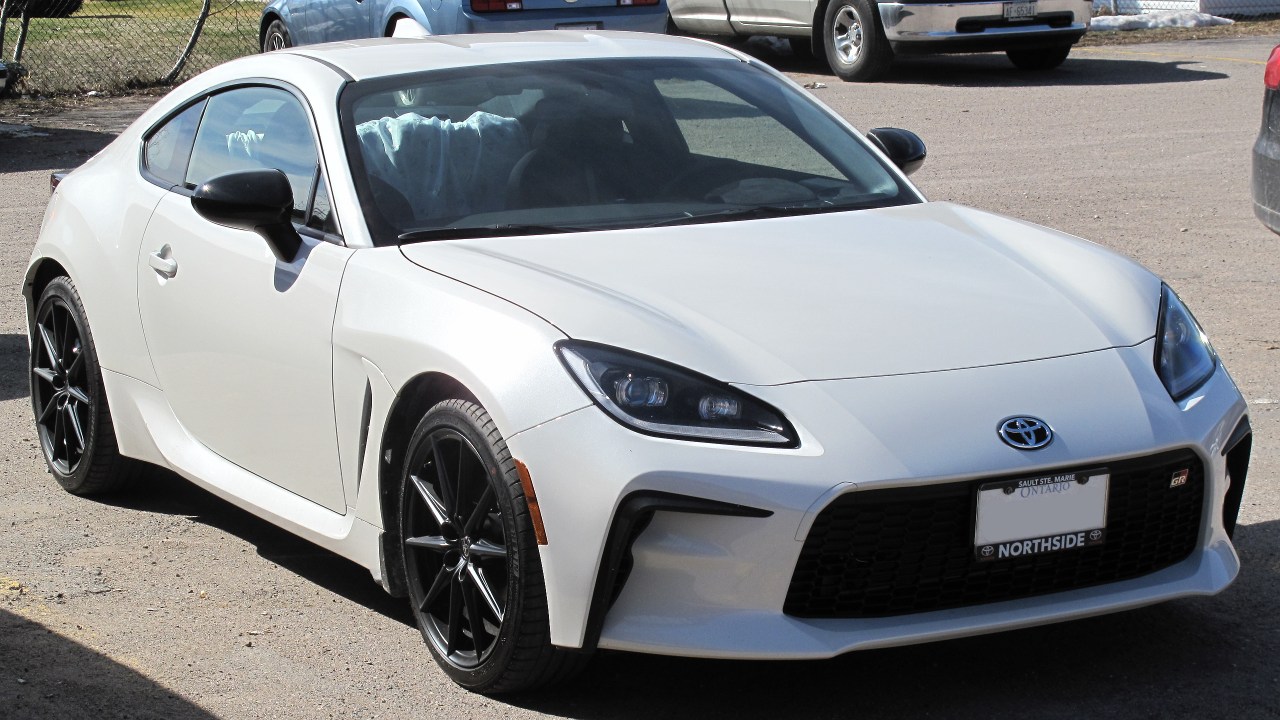
Electrified pioneers are facing their own version of orphan status as battery and charging technology races ahead. First-generation electric vehicles and early plug-in hybrids were crucial proof-of-concept products, but many now suffer from limited range, slow charging, and expensive battery replacement costs that make them hard to justify even as cheap commuters. Collectors, for their part, have not yet embraced these cars in large numbers, since the appeal of a “historic” EV is undercut when it cannot comfortably complete a modern weekend drive without careful planning.
Resale data for early compact EVs and hybrid sedans shows steep depreciation curves that flatten out at very low absolute values, with some models effectively capped by the scrap value of their battery packs and the cost of keeping their software and charging hardware compatible with newer infrastructure. While a few niche enthusiasts seek out these vehicles as milestones in automotive history, the broader market treats them as disposable technology, not enduring collectibles, which is why auction houses rarely feature them in headline slots and dealers often wholesale them rather than retailing them on their own lots. Unverified based on available sources.
Kit cars, replicas, and tuner specials: passion projects with thin demand
Another category of underloved “collectibles” consists of kit cars, replicas, and heavily modified tuner builds that reflect intense individual passion but have very narrow appeal beyond their original owners. These vehicles often blend components from multiple donor cars, aftermarket electronics, and custom bodywork, which can make them difficult to insure, register, or service once the builder moves on. Even when the craftsmanship is high, the lack of factory provenance and the uncertainty about parts compatibility weigh heavily on potential buyers, who worry about inheriting someone else’s unfinished project.
Sales listings for replica Cobras, homebuilt track toys, and extreme body-kitted imports routinely show long time-on-market and significant price reductions before a buyer finally steps up, if one appears at all. Tuner specials that were famous in period for wild horsepower numbers or magazine features now compete with modern factory performance cars that deliver similar speed with warranties and safety systems, leaving the older customs to trade mostly within small online communities at prices that rarely reflect the money invested in their creation. Unverified based on available sources.
Why some “cheap” collectibles may stay cheap
Across all of these segments, the common thread is that low prices alone do not create demand. A car that is difficult to maintain, unpleasant to drive, or out of step with current tastes will not suddenly become desirable just because it is theoretically rare or once carried a prestigious badge. The collector market tends to reward vehicles that combine emotional appeal with practical usability, and many of the models now languishing at the bottom of price charts fail that test on one or both counts.
That does not mean every unloved car is doomed to permanent obscurity, but any rebound will likely depend on a new generation discovering fresh reasons to care, whether that is design, motorsport history, or cultural relevance. Until then, the cars nobody wants will continue to serve as a reminder that collectability is not a static label but a moving target, shaped as much by evolving expectations and ownership realities as by production numbers or period hype. Unverified based on available sources.


Leave a Reply