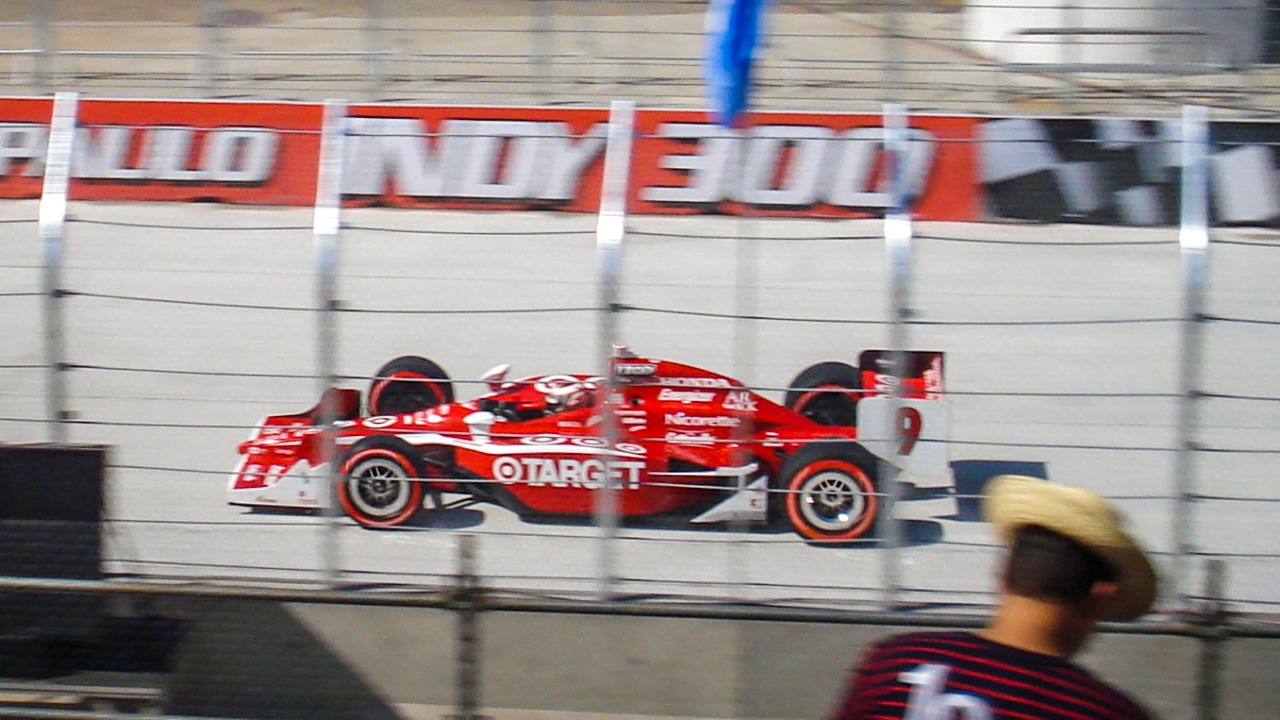
Scott Dixon and Will Power have spent more than a decade turning IndyCar title fights into a two-man stress test, pushing each other to refine racecraft, mentality, and even how long a driver can stay at the top of an unforgiving series. Their duel has not just filled highlight reels, it has quietly redrawn what the modern era of American open-wheel dominance looks like. I see their rivalry as the spine of a generation, a running argument about speed and consistency that has shaped how the rest of the grid measures greatness.
At its core, this is a story of two veterans who kept raising the bar instead of stepping aside, forcing the series to evolve around them. From tense clashes at Road America to title-deciding drama at Sonoma Raceway, Dixon and Power have turned shared track space into a long-running referendum on how champions are made, and how long they can stay that way.
The contrasting blueprints of Dixon and Power
When I look at Scott Dixon and Will Power, I see two very different paths to the same summit. Dixon has built his legacy on relentless consistency, stacking points and titles with a calm that borders on unnerving, while Power has carved his name through raw qualifying pace and a willingness to live on the edge. That contrast has defined the modern IndyCar conversation about what greatness looks like, because both approaches have produced championships and a steady climb up the all-time lists.
Their shared place in history became impossible to ignore once both drivers started chasing the sport’s legends in the record books. At Mid-Ohio, reporting noted that, like Scott Dixon, Will Power was poised to extend his own milestones, with the two veterans closing on the career win totals of A. J. Foyt at 67, Mario Andretti at 52, and Michael Andretti at 42, while also stacking poles in a way that put Power in rare air alongside names such as Jul and Curt Cavin chronicling the climb. The fact that both drivers are still adding to those numbers in their forties has turned their rivalry into a living benchmark for everyone else on the grid.
Sonoma as the crucible of a rivalry
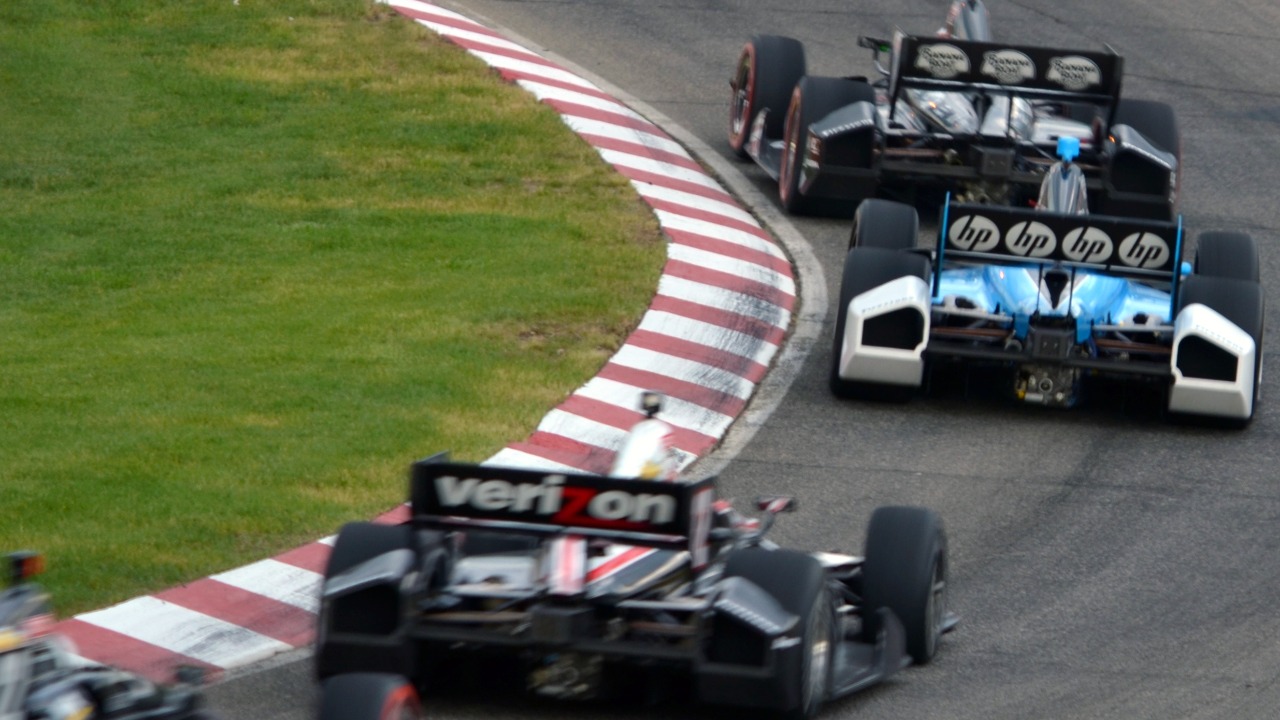
If there is a single track that captures how Dixon and Power reshaped an era, it is Sonoma Raceway. The place has been a recurring stage for their most consequential afternoons, and I still think of it as the crucible where their duel hardened into something that defined championships rather than just individual races. The layout rewards precision and tire management, which suits Dixon, but it also demands qualifying aggression and track position, which plays directly into Power’s strengths, and that tension has produced some of their most telling moments.
One of the clearest examples came when Scott Dixon surged from behind with three laps to go at Sonoma Raceway, passing late and snatching a dramatic win on a Sunday that left Will Power back in 10th and reshaped the title picture heading into the finale, with Helio Castroneves trailing by 51 points after that pivotal day in SONOMA, Calif. That same charge was captured from another angle when Scott Dixon was described overtaking Mike Conway with three laps remaining at Sonoma Raceway on a Sunday, a move that underlined how ruthlessly he could close out a race at SONOMA, Calif while others, including Power, faded in the closing stint.
The 2015 title swing and what it revealed
The 2015 season at Sonoma turned their rivalry from a series of shared podiums into a defining chapter of IndyCar history. I still see that finale as the moment when Dixon’s methodical approach collided head-on with Power’s high-wire style, with the championship hanging in the balance. It was not just about who finished ahead on the day, it was about which philosophy of racing would be rewarded when everything tightened under pressure.
Scott Dixon later reflected that everyone in the paddock raced with heavy hearts that weekend, calling it a very tough week for what he described as a small community, yet he still delivered under that emotional weight by winning the Sonoma finale and snatching the championship away from Juan Pablo Montoya after climbing from seventh when he passed Graham Rahal, a charge that underscored how ruthlessly efficient he could be when the stakes were highest for Dixon. A broader look at that campaign shows that, except for Dixon’s three race wins, the points table was remarkably tight, with the final standings placing him ahead of former champion Will Power in third, a snapshot that captured how the 2015 Verizon IndyCar Series balanced outright speed with season-long execution in a way that favored Dixon’s style over the more volatile peaks and valleys that had defined Series and the Power camp.
Flashpoints at Road America and the edge of respect
For all the mutual respect between Dixon and Power, their rivalry has never been polite in the way some long-running duels become. The edge has always been visible, and nowhere was that clearer than at Road America, where the stakes of their shared history boiled over into physical confrontation. I see those flashpoints not as outliers but as proof of how much both men have invested in staying at the top while the series keeps getting younger and more aggressive around them.
During practice at ELKHART LAKE, Wis, the reigning IndyCar champion Will Power was involved in a crash with Scott Dixon that left Power so furious he walked over and shoved his rival, later calling it a mistake on my behalf even as the incident highlighted how thin the margin for error had become between two drivers who had spent years trading titles at ELKHART. Those emotions did not vanish overnight, and they framed the context when Power returned to Road America and finally won there, a victory that carried extra weight because his emotions had hit a boiling point after that crash with Dixon on a Saturday the previous year, and he later admitted that moving past that moment helped him bring some focus back on racing at Road America.
How fans see two “grand old men” still setting the pace
What strikes me now is how the fan conversation around Dixon and Power has shifted from “who is better” to “how are they still doing this.” In an era when younger drivers arrive with full simulator programs and karting résumés that look like mini careers, these two have refused to fade into ceremonial roles. Instead, they keep winning races and shaping title fights, which has turned their longevity into a talking point all its own.
That sentiment surfaced clearly in a discussion where one fan asked, realistically, how much longer the two grand old men of IndyCar could keep competing at such a high level of competitiveness, a question that captured the mix of admiration and disbelief that now surrounds Realistically Dixon and Power. The series itself has leaned into that narrative, revisiting the 2015 finale in a Classic Rewind that shows Dixon rallying at Sonoma to win the 2015 series title, with the video highlighting how, after Juan Pablo Montoya dominated the season, the unlikeliest of situations unfolded to hand Dixon the championship and, by extension, to deepen the long-running duel that kept Will Power in his shadow on that decisive day at Classic Rewind.