Traffic stops are one of the most common ways people interact with law enforcement, and they can escalate quickly when drivers fumble for paperwork or do not understand what they are required to show. Having the right documents ready, and knowing how to present them calmly, can turn a tense roadside encounter into a brief administrative check. I focus here on the core records officers expect, how to handle them safely, and why preparation matters as much as knowing your rights.
The first request: your driver’s license
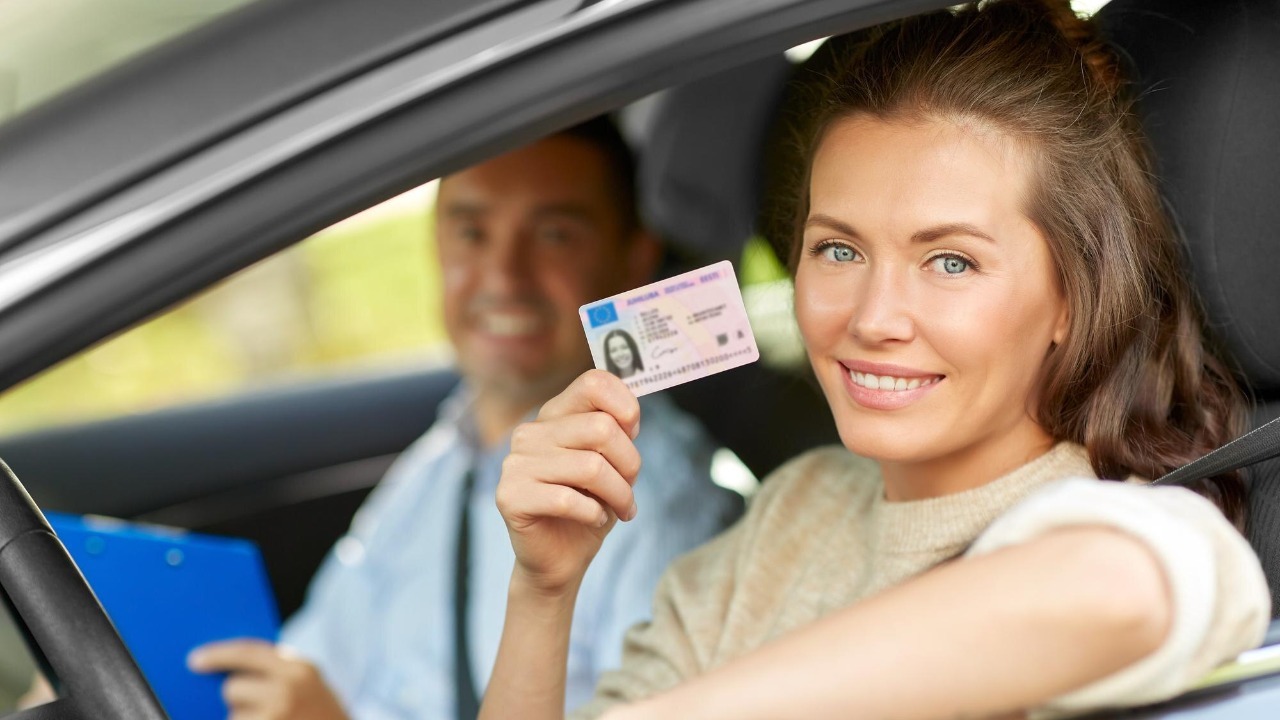
In nearly every traffic stop, the first document an officer will ask for is your driver’s license, because it confirms both your identity and your legal authority to operate the vehicle. I treat the license as the anchor of any roadside interaction, the one item that should never leave your wallet or digital wallet unless it is being renewed or replaced. Guidance for employers that verify identity for work makes the same point in a different context, stressing that All documents used to prove who you are must be unexpired, and that standard is just as important when you hand a license to an officer on the shoulder of a highway.
Legal guidance on roadside questioning underscores that a person who has been stopped while operating a motor vehicle generally must show police a valid driver’s license, and officers may check that the information is current if asked, which is why I tell drivers to confirm their address and renewal date before trouble finds them at a checkpoint or on a late‑night commute. One North Carolina checkpoint explainer is blunt that Driver identification is legally required, and that refusing to provide it can trigger additional charges or even an arrest. That is the practical reason I keep my license in a consistent, easy‑to‑reach spot and avoid burying it under receipts or loose cards that would force me to dig around in front of an already wary officer.
Registration and proof of insurance: the rest of the basic trio
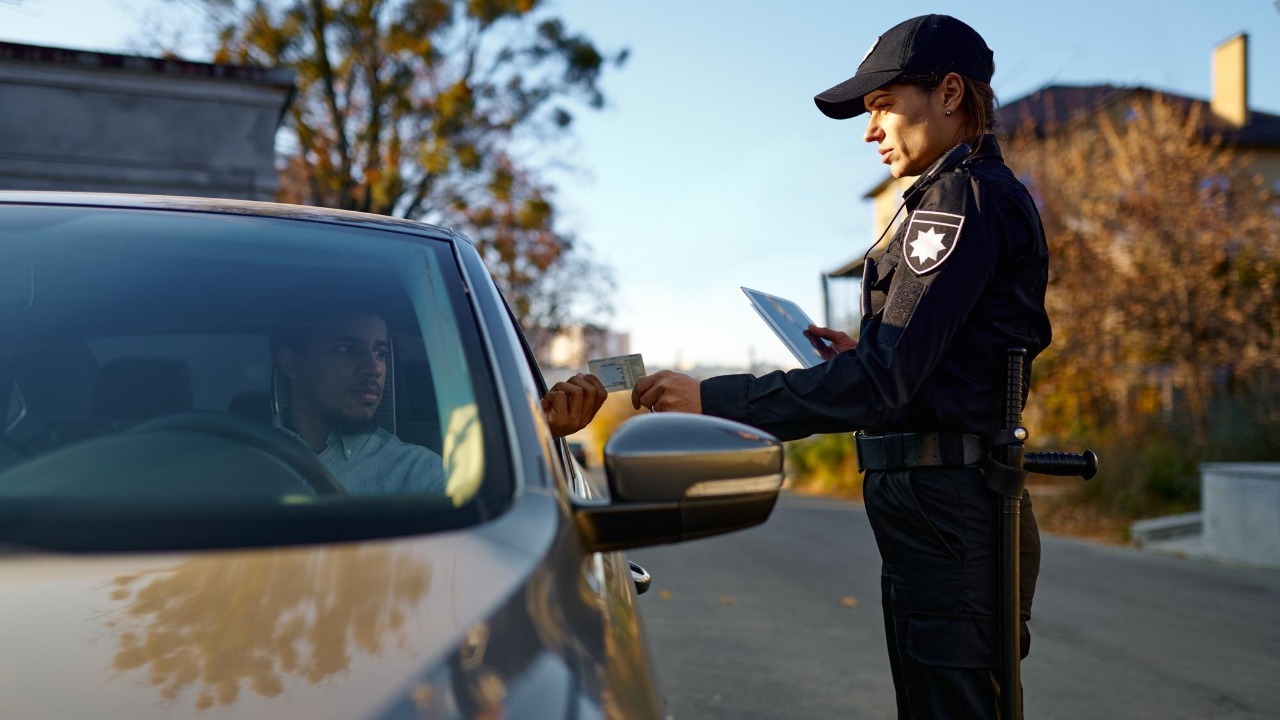
Once an officer has your license, the next question is usually about the car itself, which is where registration and insurance come in. I think of these as the rest of the basic trio, the documents that show the vehicle is legally on the road and financially covered if something goes wrong. A legal checklist for checkpoints spells this out clearly, noting that you are legally required to provide your vehicle registration and Proof of insurance along with your license, and that refusing to hand over those records can turn a routine stop into a criminal investigation. That is why I keep my registration card and insurance card together, either in a slim glove‑box folder or a dedicated sleeve in the center console.
Traffic defense lawyers who study how stops unfold emphasize that preparedness is not just a courtesy, it is a way to shorten the encounter and limit the questions you face. One legal perspective on North Carolina traffic stops notes that having your paperwork ready can expedite the police encounter and reduce the chance that an officer will go fishing for unrelated issues. Another guide aimed at drivers explains that Why Preparedness Matters When Getting Pulled Over is simple: officers are checking that your car is legally registered with the state and insured, and if you cannot prove that quickly, you invite citations, towing, or a prolonged roadside delay.
How officers typically ask for your documents
Understanding how the request will come helps you avoid panicked movements that can alarm an officer. Standard law‑enforcement training materials describe a predictable sequence: after you pull over, the officer will approach, identify themselves, and Explain why you were stopped before asking questions about your trip and requesting your documents. I have seen that pattern play out on quiet suburban streets and busy interstates alike, and it is a reminder to wait for the verbal cue instead of diving for the glove box the moment you see blue lights in the mirror.
State‑level safety handbooks echo that advice, urging drivers to acknowledge the officer, pull to a safe spot, and then wait with hands visible until the officer is at the window. One widely circulated guide frames it as a simple rule: Acknowledge the stop, avoid unnecessary or sudden movements, and answer additional questions only after providing identification. That sequence matters because it gives the officer a clear view of your hands and a sense that you are not trying to hide anything, which in turn makes it easier to reach for your registration or insurance card without triggering suspicion.
Staying safe while you reach for paperwork
Safety during a traffic stop is not just about what you hand over, it is about how you move while you look for it. Civil‑rights advocates in North Carolina advise drivers to Stay calm, not run, and not argue, resist, or obstruct the police, even if you believe your rights are being violated, because the roadside is not the place to litigate a dispute. I take that guidance seriously and pair it with a simple habit: I keep my hands on the steering wheel where the officer can see them, then tell the officer where my documents are before I move, whether that is in the glove box, a center console, or a phone wallet.
Traffic‑stop defense lawyers add a tactical layer to that advice, warning drivers to Avoid sudden movements or unexpected reaching, and to Keep their hands visible on the steering wheel to create a more cooperative environment and decrease the potential for misunderstandings. Firearms‑law specialists make a similar point in a different context, explaining that Reasoning about officer perception is critical because Sudden movements can be mistaken for reaching for a weapon, and that compliance while waiting for instructions ensures safety. I apply that same logic to routine stops: I move slowly, narrate what I am doing, and let the officer set the pace.
Why “current and valid” matters so much
Having the right documents is only half the equation; they also need to be current. Employment‑verification rules that require All identity documents to be unexpired reflect a broader legal expectation that official IDs and licenses are up to date, and traffic law follows the same logic. A car‑buying checklist aimed at new owners drives the point home, noting that a driver’s license Makes sure you are legally able to drive the vehicle and warning buyers to make sure it is not expired. I extend that same discipline to my registration and insurance cards, setting calendar reminders a month before each renewal so I am never explaining an outdated card on the roadside.
Legal commentators who walk drivers through their rights during stops are explicit that carrying these documents is not optional. One know‑your‑rights discussion notes that Carrying the required documents is legally mandated in most jurisdictions and that They must be current and valid, because being unable to produce them can complicate what might otherwise be a simple traffic stop. Another legal explainer on answering police questions reinforces that point, stating that a person who has been stopped while operating a motor vehicle generally must show a valid driver’s license and that officers may confirm the information is current if asked, a reminder that letting your paperwork lapse is not a harmless oversight but a risk you carry every time you turn the key in the ignition.
Balancing cooperation with your rights
Cooperating with document requests does not mean surrendering all your rights, and the line between the two is worth understanding before you see flashing lights. Civil‑rights advocates in North Carolina advise drivers to Don’t consent to a search of your vehicle if you do not want one and to remember that your car cannot be searched without your consent or a legal basis, even if you are nervous or feel pressured. At the same time, they stress that you should still provide your license, registration, and insurance when asked, because refusing those basics can itself be a violation.
Defense attorneys who dissect traffic stops for a living often advise drivers to limit conversation once the required documents are handed over. One legal analysis of roadside encounters puts it plainly in a section titled Stop Talking, arguing that Communicating during a traffic stop is an art and that While drivers should always provide identification and basic information, they are not required to answer every probing question that might later be used in the prosecution of legal matters. I follow that approach myself: I keep my documents organized and ready, hand them over promptly, and then keep my answers short and factual, letting the paperwork speak for itself as much as possible.