

The clash between Dale Earnhardt and Jeff Gordon did not just spice up a few Sunday afternoons, it rewired how stock car racing looked, felt, and sold itself to the world. Their duel for supremacy turned a regional spectacle into appointment viewing, pitting old-school grit against fresh-faced flash in a way that made even casual fans pick a side. I want to trace how that rivalry, equal parts respect and ruthless competition, helped drag NASCAR into the mainstream and reshape the sport’s identity.
At its peak, the tension between the grizzled veteran in black and the California kid in the rainbow colors became a kind of rolling referendum on what NASCAR should be. The Earnhardt vs. Gordon era was not just about who led the most laps, it was about who owned the future of the garage, the grandstands, and the TV cameras. The result was a rivalry that transformed the business, the storytelling, and the expectations around American stock car racing.
The perfect storm: Intimidator vs. California kid
Every great rivalry needs contrast, and this one had it in high definition. Dale Earnhardt arrived as the established enforcer, the Intimidator in black, already the measuring stick for everyone else in the garage. Then everything shifted when California-native Gordon, 20 years Earnhardt’s junior, slid into the No. 24 Chevrolet and started winning like he had skipped the rookie manual and gone straight to the record book, a surge that is laid out in detail around the moment when two legends collided on track and in the standings. The age gap, the driving styles, and even the paint schemes turned their battles into a rolling culture clash between old guard and new wave.
What made it explosive for the sport was that their opposition arrived just as NASCAR was ready for a bigger stage. Not only were NASCAR rivalries already a proven way to hook fans, this particular pairing had the right mix of generational tension and mutual respect to become a marketing department’s favorite fairy tale, which is why the way Their NASCAR story is framed still matters. I saw a sport that suddenly had a clear narrative: the seasoned master trying to hold off the ambitious prodigy, with every restart feeling like a new chapter in a long-running drama.
Owning the 1990s, one 1-2 finish at a time
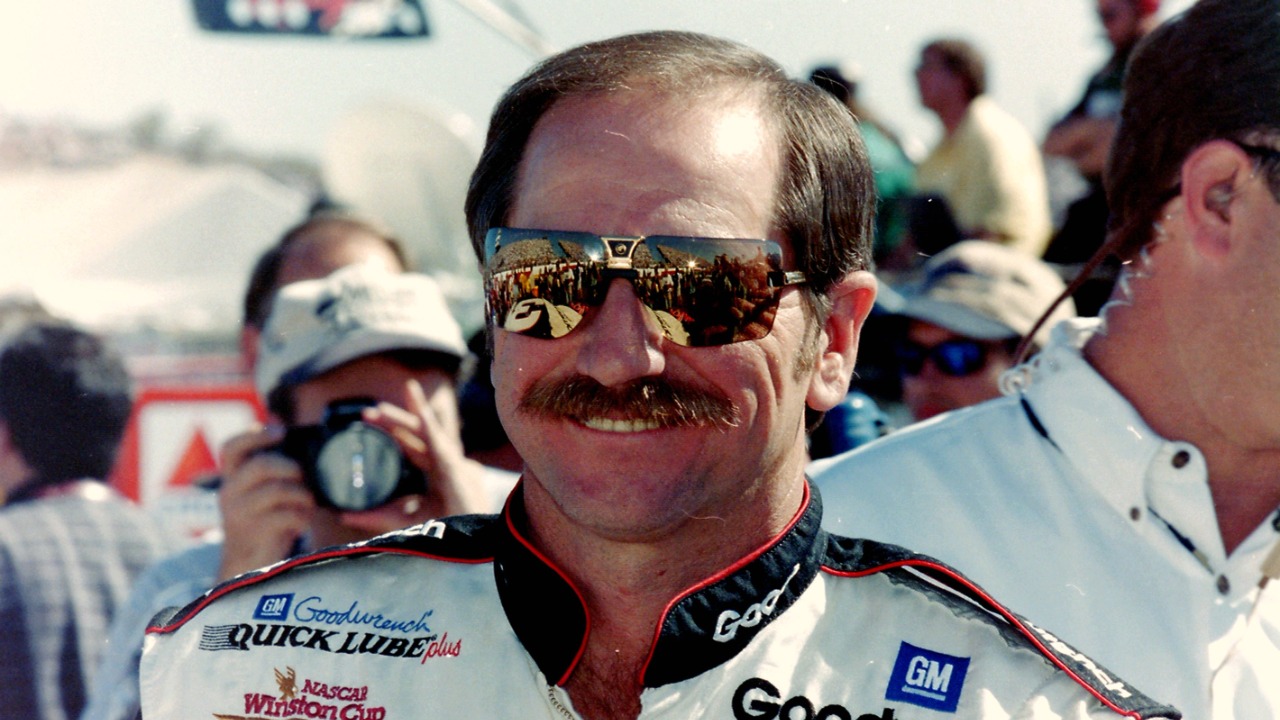
If the rivalry had been all sizzle and no steak, it would have faded like a sponsor that missed a payment. Instead, the results sheet turned into a shared résumé. During the 1990s, Dale Earnhardt and Jeff Gordon combined to win seven of the 10 NASCAR Cup Series championships, a decade-long tug-of-war that made everyone else look like they were racing for third place while Earnhardt Gordon During the Dale Earnhardt Jeff Gordon traded trophies. Their frequent 1-2 finishes turned Sunday afternoons into serialized showdowns, with fans learning to read the points table the way other people read stock tickers.
Head-to-head, the numbers underline just how often they had to stare each other down. Dale Earnhardt and Jeff Gordon lined up together in 258 races, starting with the 1992 Hooters 500 and running through the Last meeting in the 2001 Daytona 500, a span that is etched into the sport’s memory and cataloged in the breakdown of Dale Earnhardt Jeff Gordon 258 Hooters Last Daytona 500. When you share that much track space, every bump, block, and bold move becomes part of a larger saga, and I watched fans keep score not just in wins but in perceived slights and paybacks.
Pressure cookers and Pocono plot twists
Dominating an era is one thing, surviving the pressure of it is another, and Gordon has been candid about how quickly the stakes escalated. He has described how, as the wins piled up and the rivalry with Earnhardt intensified, everything around him seemed to accelerate, noting that “Obviously, things were happening at a pretty rapid pace as we were stacking up these wins,” a reflection that captures how fast the expectations grew once he was trading blows with the Intimidator and that is preserved in the account where Jun Obviously frame that moment. I see that as the emotional tax of rivalry, the way every victory lap doubles as a reminder that the other guy is plotting his response.
One of the most telling snapshots of their dynamic came at Pocono, where the surface-level storyline of a title fight masked a deeper shift in the sport’s balance of power. On the surface, the ending of that season looked like a simple case of Gordon rising while Earnhardt chased a record-breaking eighth title, but the more detailed breakdown of that Pocono stretch shows how the younger driver’s surge effectively closed the door on that milestone and signaled that the guard had truly changed, a turning point captured in the narrative around ARTIFACT THE WEEK Take Pocono Tim Richmond. For me, that is where the rivalry stopped being just a weekly headline and became the hinge on which the entire championship history swung.
Defining an era, even for the skeptics
Even people who roll their eyes at the word “rivalry” admit that Earnhardt and Gordon shaped how the 1990s are remembered. Some analysts have argued that The Gordon vs Earnhardt saga is one of the most hyped up non-rivalries ever, pointing out that the two were often separated by team strategies and different phases of their careers, a contrarian view laid out by Griffin Hunter The Gordon Earnhardt. I understand that instinct, but even if you strip away the hype, you are still left with two drivers whose overlapping primes forced fans, sponsors, and executives to pick what kind of future they wanted for the sport.
At the same time, the emotional core of the story is hard to deny. Dale Earnhardt and Jeff Gordon defined an era in NASCAR with their fierce rivalry and mutual respect on the track, a balance of aggression and admiration that still resonates in highlight reels and anniversary specials built around how Nov Dale Earnhardt and Jeff Gordon NASCAR Dal are remembered together. I see that as the secret ingredient: fans were not just watching two drivers fight, they were watching two philosophies of racing collide and then, often, nod in grudging appreciation after the checkered flag.
From American motorsport history to modern storytelling
Rivalries have always been the sport’s favorite narrative shortcut, and this one fit neatly into a much older pattern. Long before stock cars were trading paint, early contests like the Vanderbilt Cup helped prove that fans would show up not just for speed but for storylines, and Together, these developments reshaped American motorsport, laying the foundation for the structure, storytelling, and rivalries that define the sport today, a lineage that runs straight through to the Earnhardt vs. Gordon years and is traced in the history of how Together American racing evolved. When I look at that arc, the 1990s feel less like an accident and more like the inevitable payoff of decades spent learning how to package conflict on wheels.
By the time Earnhardt and Gordon were swapping championships, NASCAR had mastered the art of turning those conflicts into a weekly serial, and their rivalry became the flagship storyline. The sport leaned into the contrast, from the black vs. rainbow imagery to the constant reminders that one driver was chasing history while the other was rewriting it in real time, a framing that still shapes how fans talk about that decade and that is echoed in the way Feb coverage revisits their impact. I see the legacy every time a new pairing of drivers gets hyped as the next big thing, because whether they know it or not, they are all chasing the template that Earnhardt and Gordon built, one side-by-side finish at a time.

Leave a Reply