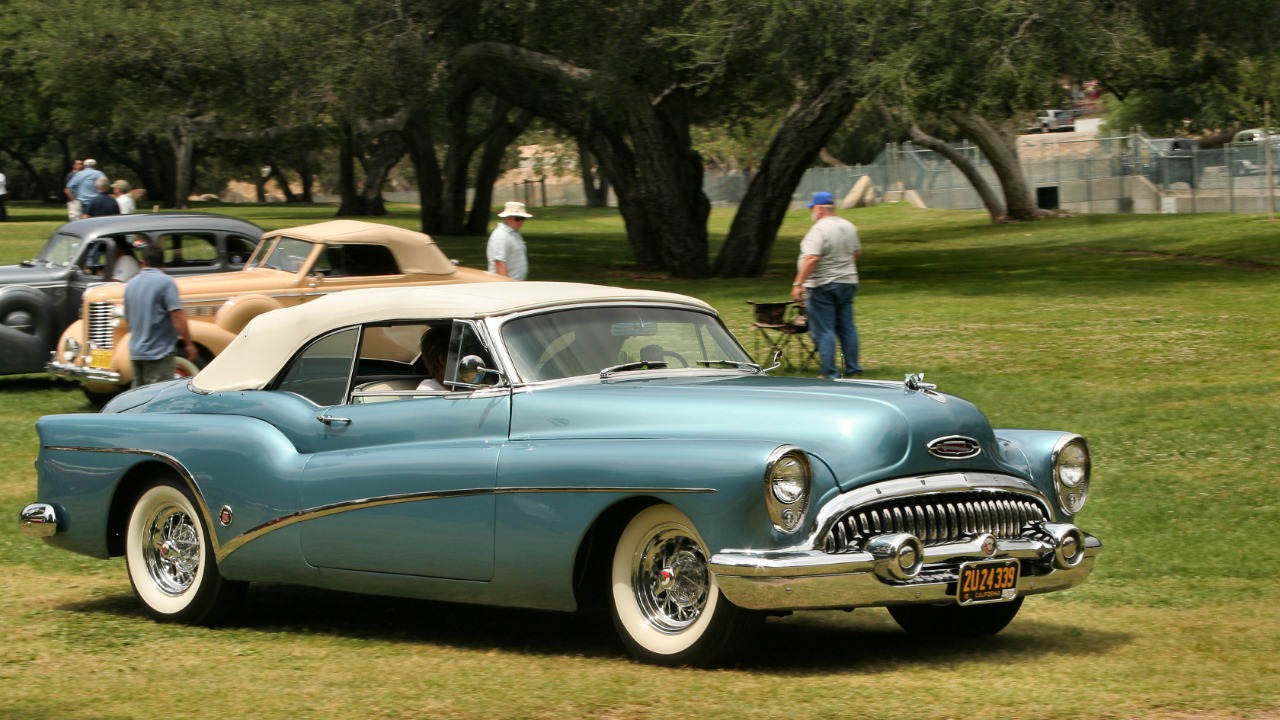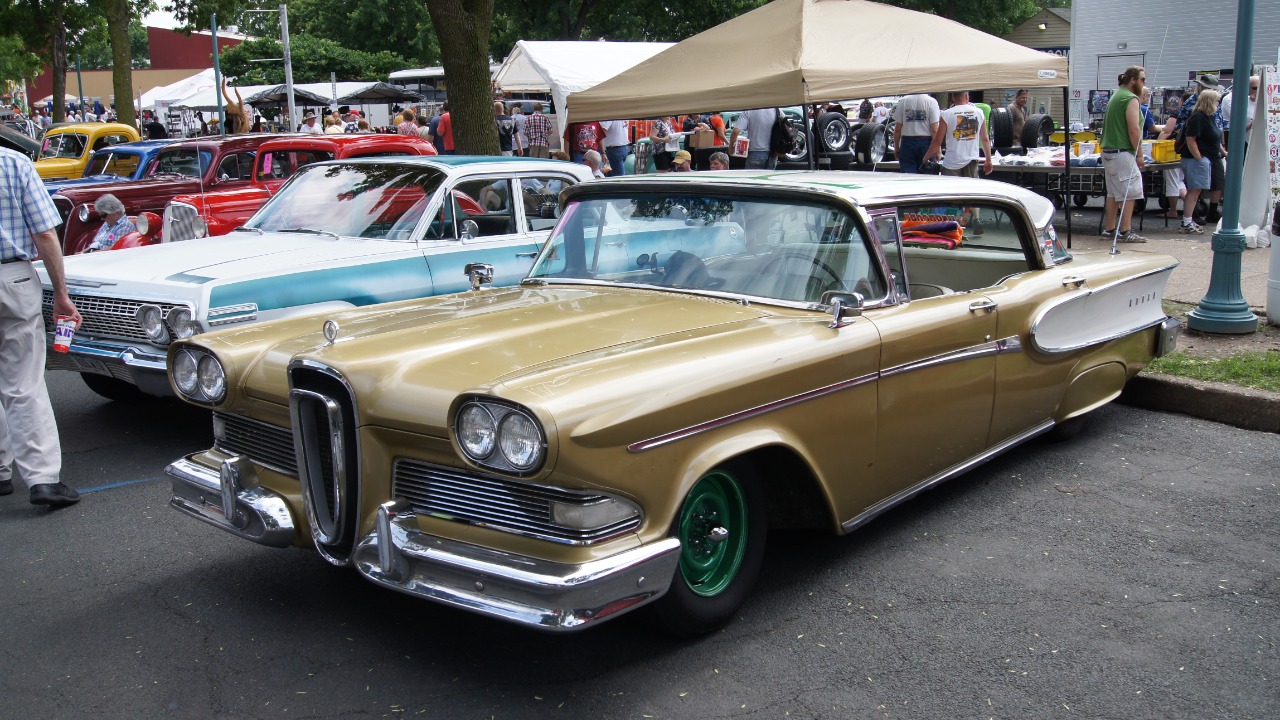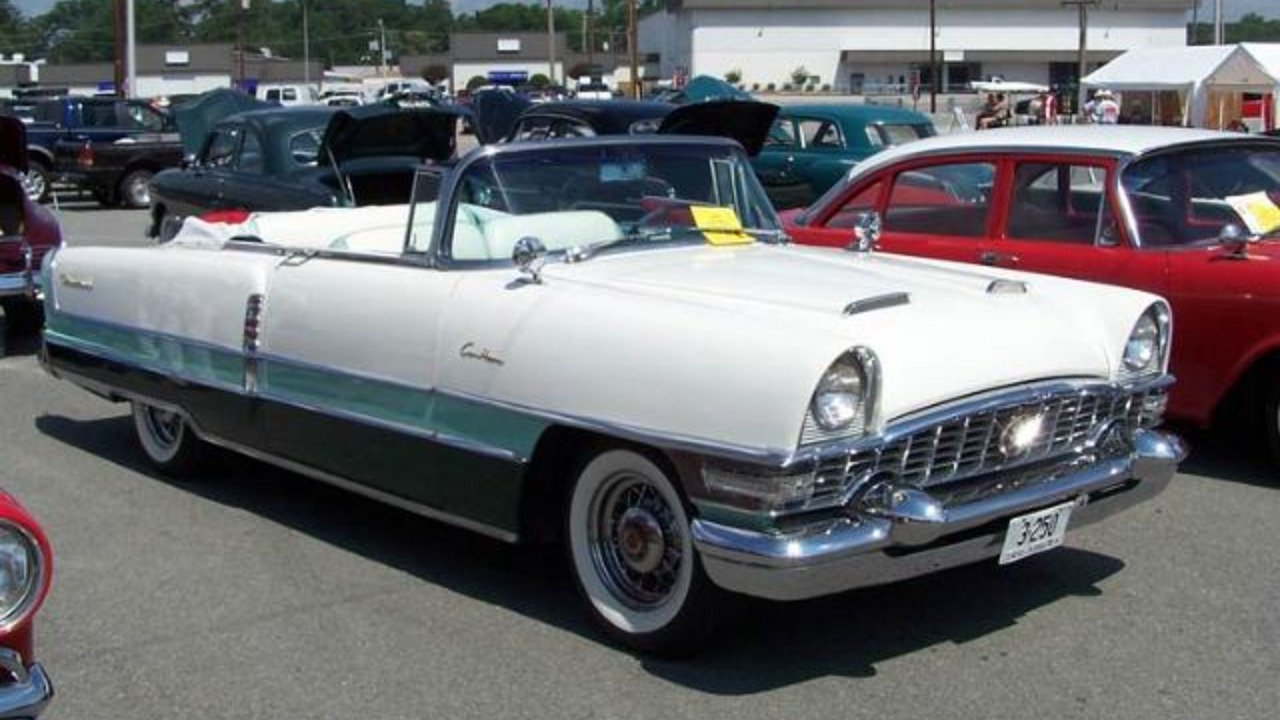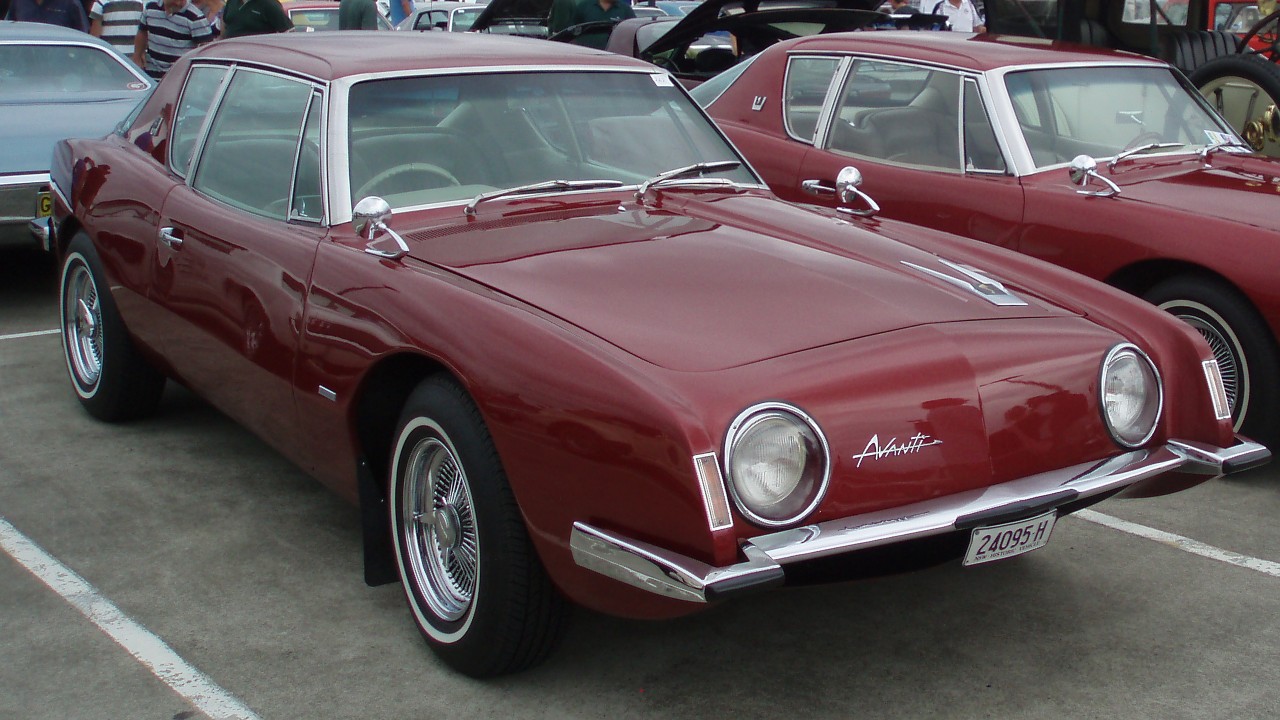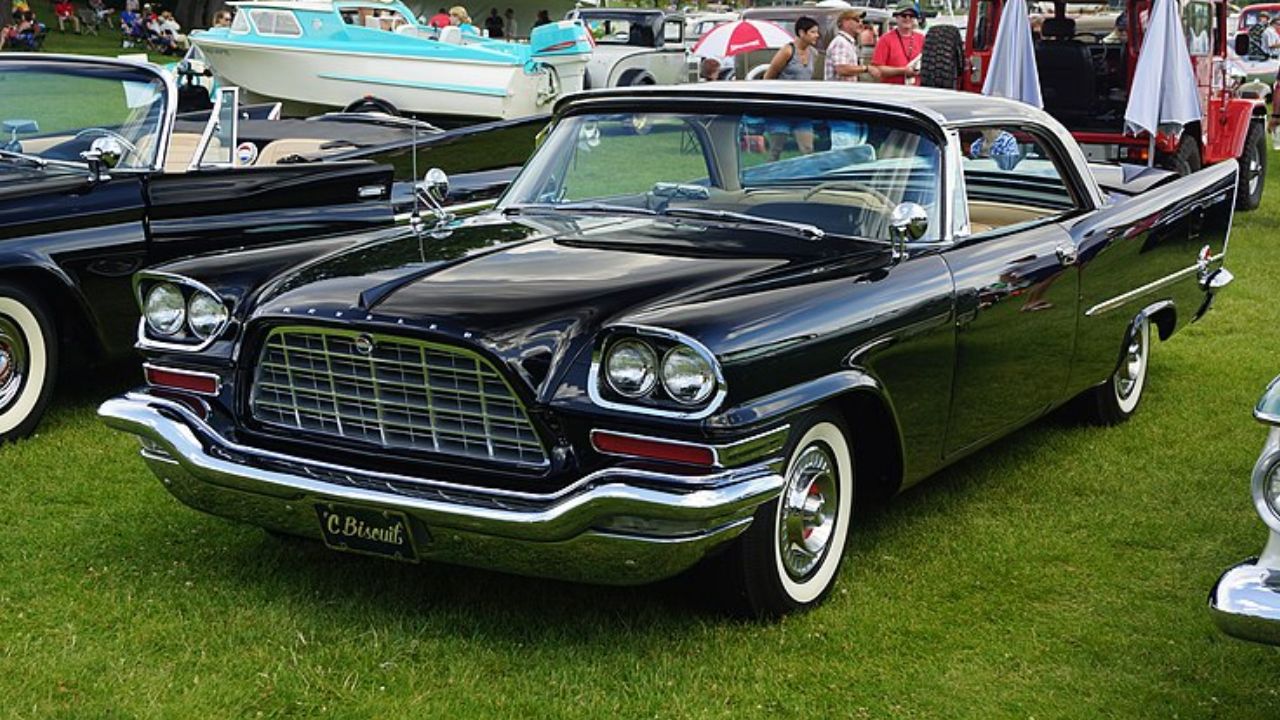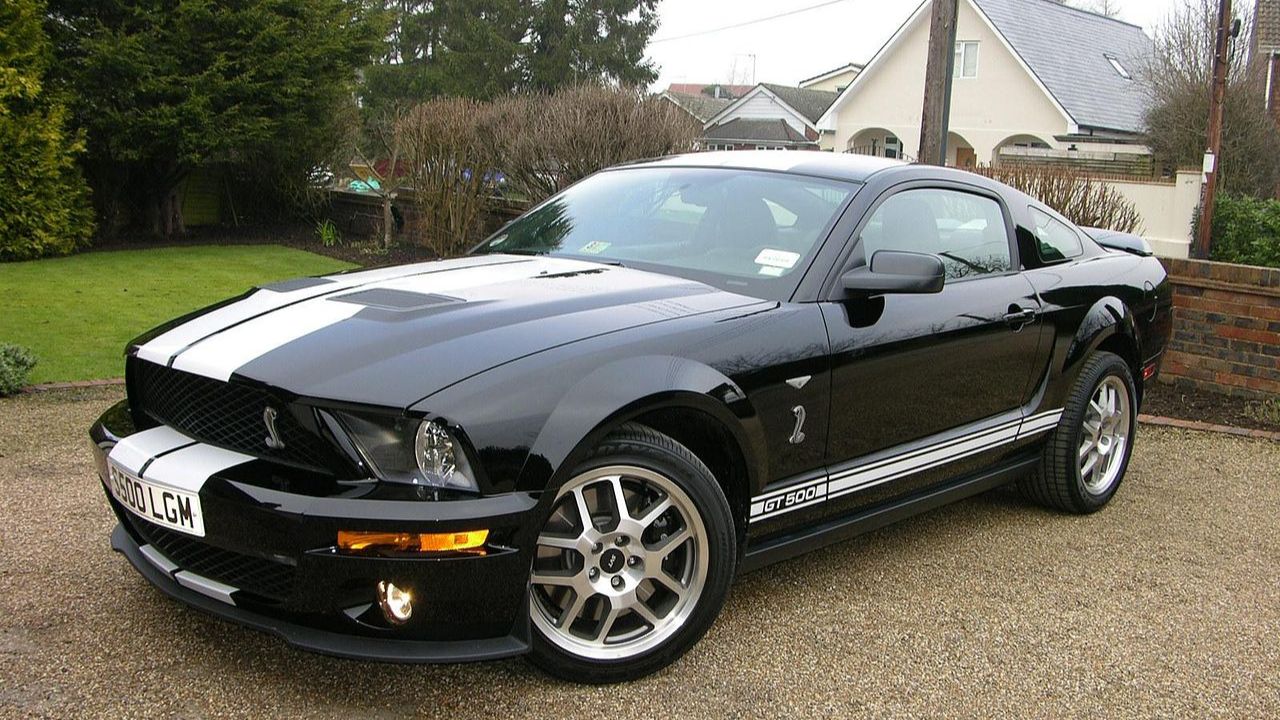
The American muscle car holds a special place in automotive history, symbolizing power, freedom, and a rebellious spirit. Muscle car meets have become cultural phenomena, drawing enthusiasts from all walks of life to celebrate these iconic vehicles. The timeless allure of these gatherings and the passion that fuels them continue to resonate with car lovers worldwide.
The Historical Roots of Muscle Car Culture

The golden era of muscle cars, spanning the 1960s and 1970s, marked a pivotal time in automotive history. Iconic models such as the Ford Mustang, Chevrolet Camaro, and Dodge Charger emerged during this period, capturing the imagination of a generation. These vehicles combined powerful engines with sleek designs, offering an exhilarating driving experience that was both accessible and thrilling. Muscle cars became synonymous with American ingenuity and youthful exuberance, embodying a spirit of rebellion and freedom.
Muscle cars quickly became ingrained in American pop culture, often featured in movies, television, and music. Films like “Bullitt” and “Vanishing Point” showcased the raw power and speed of these machines, while songs like “Little Deuce Coupe” by The Beach Boys celebrated their unique appeal. As muscle cars gained a cult following, informal gatherings of enthusiasts began to take shape, eventually evolving into the organized events we see today. These early meets laid the groundwork for a thriving community that continues to celebrate the legacy of American muscle.
The Community and Camaraderie
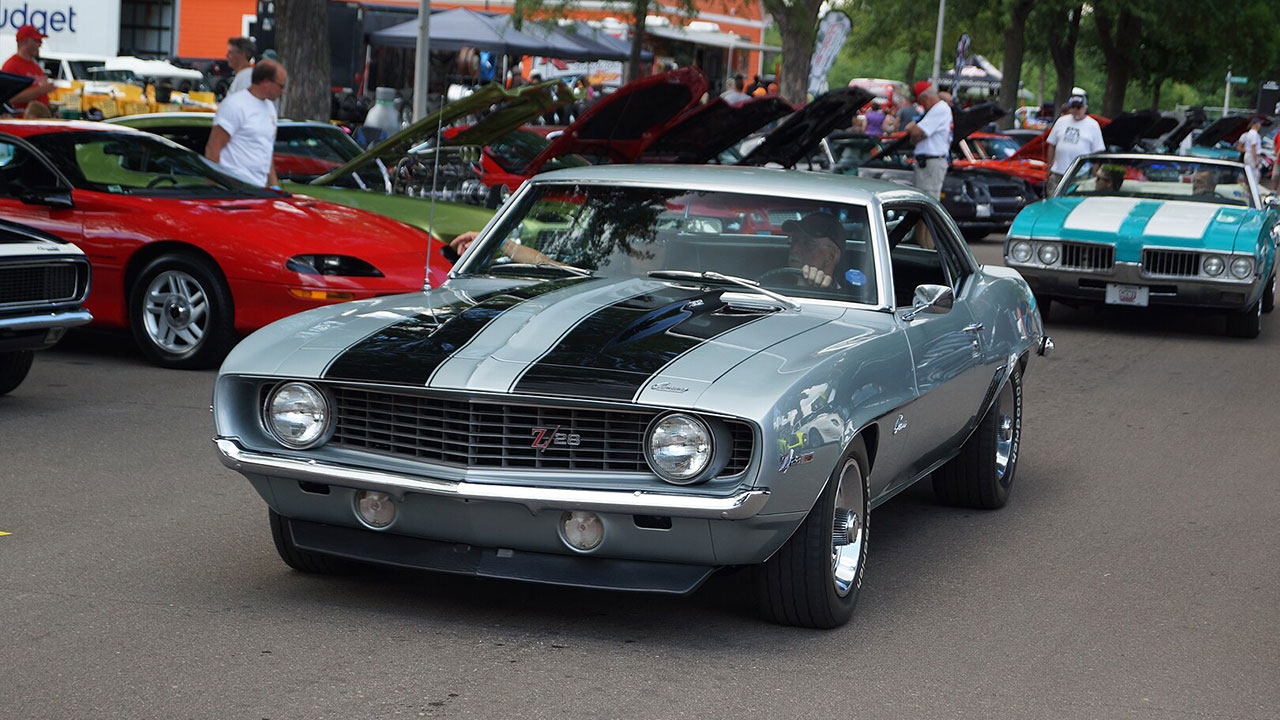
Muscle car meets attract a diverse range of enthusiasts, united by their shared passion for these iconic vehicles. From seasoned collectors to young newcomers, the community welcomes individuals from all backgrounds. Many attendees are drawn to the sense of camaraderie that these events foster, where friendships are formed over a mutual appreciation for horsepower and design. Participating in a muscle car meet often feels like joining an extended family, where knowledge and stories are freely exchanged.
Long-time participants frequently share tales of the friendships forged at these gatherings. For some, the connection goes beyond a shared interest in cars, leading to lifelong bonds. Muscle car clubs and online communities play a crucial role in sustaining this culture, providing platforms for enthusiasts to connect, share advice, and organize events.
The Thrill of the Drive and Display

Driving a classic muscle car is an experience unlike any other. The rumble of a V8 engine, the raw power beneath the hood, and the sensation of acceleration all contribute to an unforgettable ride. These vehicles are celebrated not only for their performance but also for their engineering achievements. Muscle car enthusiasts often take great pride in restoring or modifying their cars, showcasing their craftsmanship and dedication at meets.
The artistry involved in restoration projects and custom modifications is a highlight of muscle car meets. From meticulously restored vintage models to uniquely customized creations, attendees have the opportunity to admire the diverse array of vehicles on display. The sensory experience of a muscle car meet is equally captivating, with the roar of engines, the gleam of polished chrome, and the vibrant colors creating an atmosphere of excitement and nostalgia.
Economic and Cultural Impact

Muscle car meets contribute significantly to local economies, generating tourism and business opportunities in the areas where they are held. Events like the “Woodward Dream Cruise” in Michigan attract hundreds of thousands of visitors each year, boosting revenue for local hotels, restaurants, and shops. The economic impact extends beyond the events themselves, as enthusiasts invest in parts, services, and merchandise related to their passion.
The influence of muscle car culture can also be seen in modern automotive design and marketing. Car manufacturers often draw inspiration from classic muscle cars, incorporating retro elements and performance features into contemporary models. This connection to the past resonates with consumers and helps preserve the legacy of American muscle. Moreover, muscle car meets play a vital role in educating new generations about the history and significance of these vehicles, ensuring that their story continues to be told.
Challenges and the Future of Muscle Car Meets

As the automotive landscape evolves, muscle car meets face several challenges. Environmental concerns are prompting discussions about sustainability within the community. Enthusiasts are increasingly exploring ways to reduce their ecological impact, such as using alternative fuels or implementing eco-friendly practices at events. While traditional muscle cars are known for their fuel consumption, the community is actively seeking ways to balance their love for these vehicles with environmental responsibility.
The rise of modern technology and electric vehicles presents both opportunities and challenges for muscle car meets. On one hand, advancements in automotive technology could lead to new innovations in performance and design. On the other hand, there is a concern that the traditional aspects of muscle car culture may be overshadowed by the growing popularity of electric cars. To keep the culture alive, enthusiasts are focusing on celebrating the heritage and craftsmanship of classic muscle cars while embracing the possibilities of the future.
Strategies for preserving the culture include fostering inclusivity and adapting to changing times. By welcoming new members and encouraging diverse perspectives, the community can ensure that muscle car meets remain vibrant and relevant. Additionally, integrating modern technology, such as virtual events and digital platforms, can help reach a wider audience and sustain interest in muscle cars for years to come.
Like Fast Lane Only’s content? Be sure to follow us.
Here’s more from us:
*Created with AI assistance and editor review.