The world of motorsports has always been synonymous with speed, thrill, and adrenaline. However, these exhilarating aspects also come with inherent risks, which have necessitated a continuous evolution of safety measures. Significant milestones and advancements in motorsport safety over the years have transformed the sport, making it safer for drivers and spectators alike.
The Early Days of Motorsport Safety
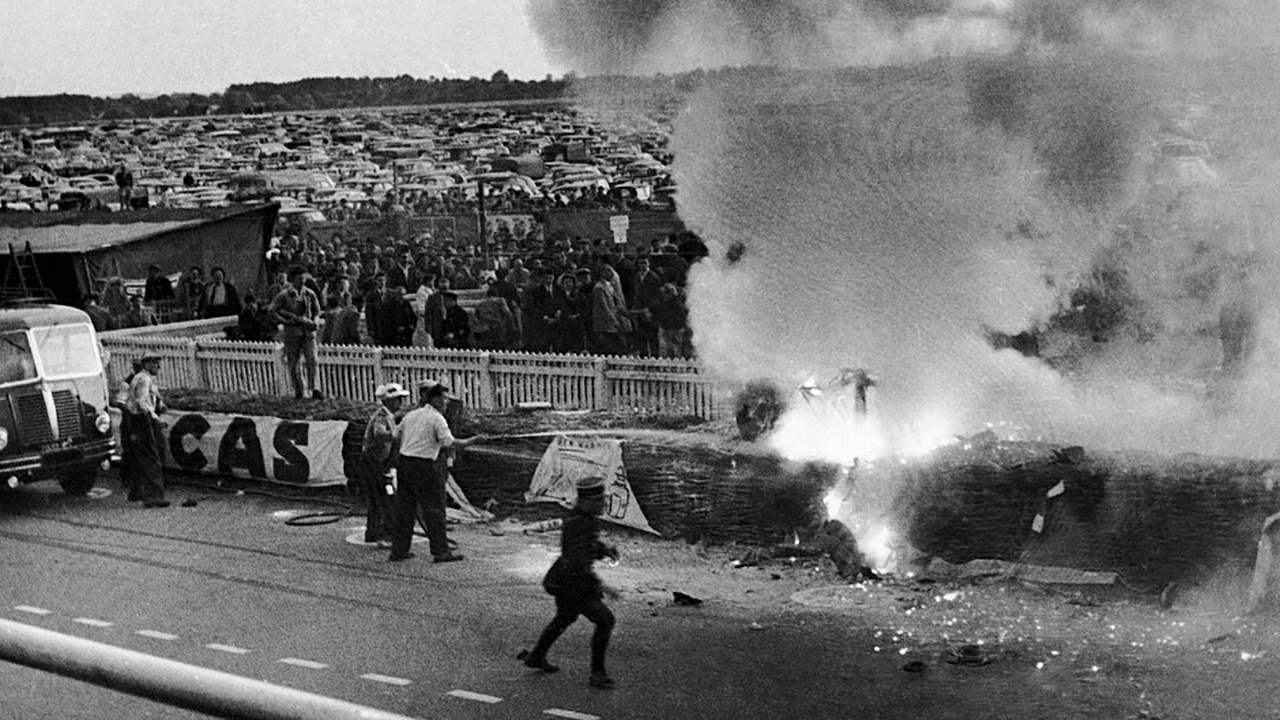
In the early days of motorsport, safety was not a primary concern. Drivers often wore little more than leather caps and goggles, offering minimal protection. The lack of standardized equipment meant that many drivers faced significant risks on the track. Infamous incidents, such as the 1955 Le Mans disaster, where a car crash resulted in the deaths of over 80 spectators and the driver, underscored the urgent need for better safety measures. These tragedies highlighted the vulnerabilities in motorsport and pushed for a reevaluation of safety protocols.
As the sport grew, governing bodies began to introduce basic safety regulations. Organizations like the Fédération Internationale de l’Automobile (FIA) played a crucial role in establishing the first set of safety rules. However, these changes were not always welcomed. Teams and drivers often resisted new safety protocols, fearing they might hinder performance or increase costs. Despite initial resistance, the introduction of safety regulations marked a pivotal step towards prioritizing driver and spectator safety.
Technological Innovations and Safety Gear
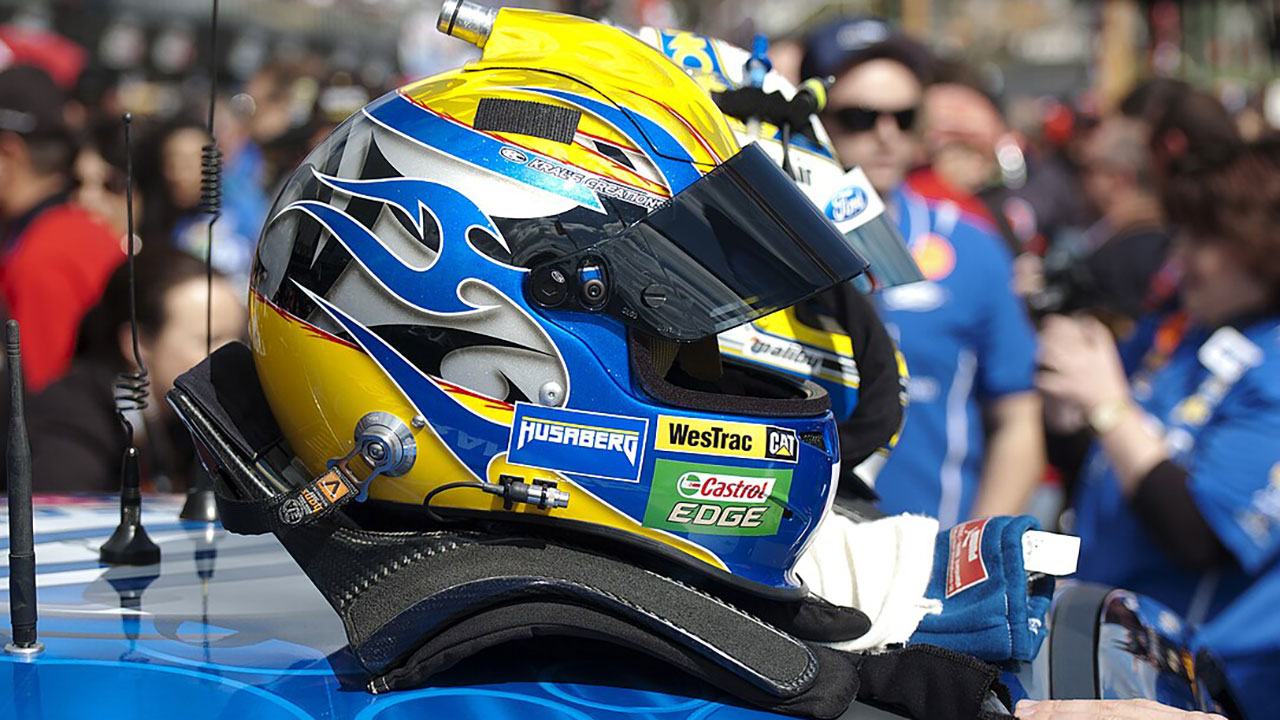
One of the most significant advancements in motorsport safety has been the evolution of helmet design. Early helmets, made from leather, offered little protection against high-speed impacts. Over time, materials like fiberglass and carbon fiber were introduced, leading to the development of modern helmets that are both lightweight and incredibly strong. The introduction of the HANS (Head and Neck Support) device further revolutionized helmet safety, significantly reducing the risk of head and neck injuries in crashes.
Fire-resistant suits have also undergone significant development. Initially, drivers wore cotton suits that provided no protection against fire. The introduction of Nomex, a fire-retardant material, in the 1960s marked a turning point. These suits are designed to withstand intense heat, giving drivers precious seconds to escape in the event of a fire. Real-life incidents, such as Niki Lauda’s fiery crash in 1976, have demonstrated the life-saving potential of these suits, underscoring their importance in motorsport safety.
Track and Vehicle Safety Enhancements
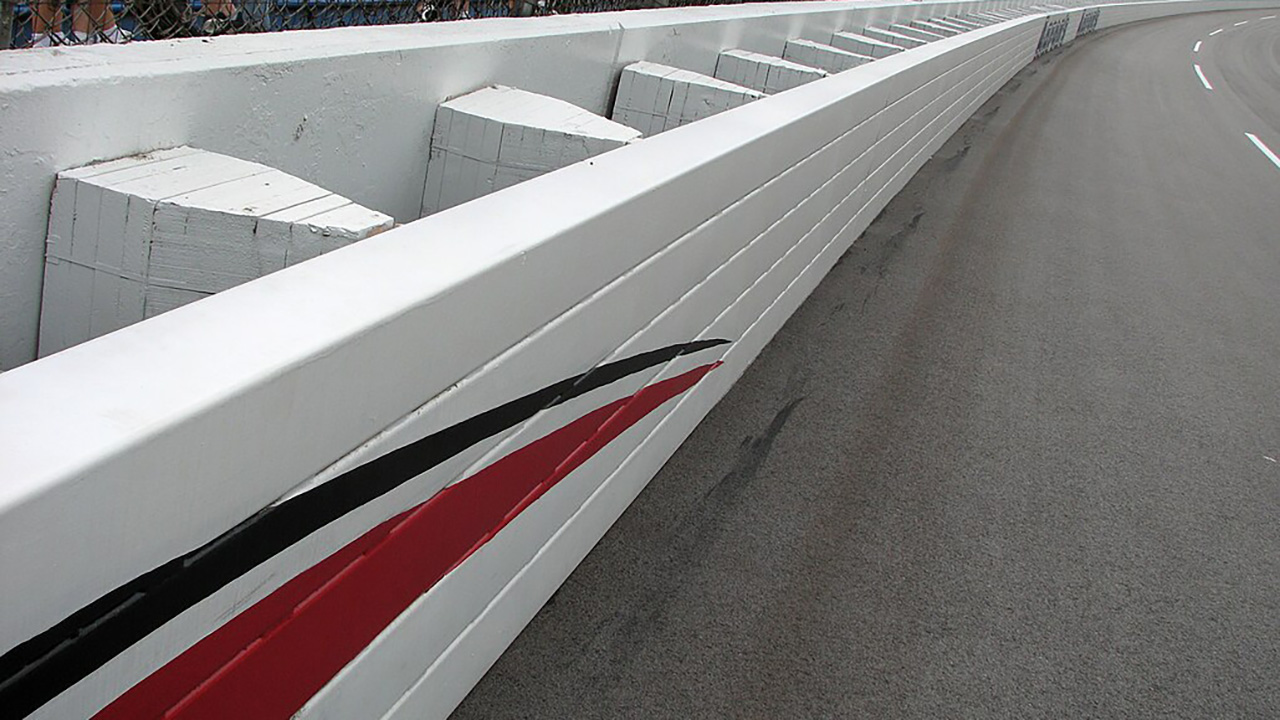
Improvements in track and barrier design have been instrumental in enhancing driver safety. Early racetracks were often lined with hay bales or simple guardrails, offering little protection in the event of a crash. Today, tracks are designed with safety in mind, featuring impact-absorbing barriers like the SAFER (Steel and Foam Energy Reduction) barrier, which significantly reduces the force of impact during a crash. Additionally, track layouts have been modified to include run-off areas that allow drivers to regain control of their vehicles safely.
Vehicle structural innovations have also played a crucial role in improving safety. The development of roll cages and reinforced chassis designs has increased driver protection during collisions. Modern racing cars are equipped with crumple zones and energy-dissipating structures that absorb impact forces, reducing the risk of injury. These advancements have been crucial in ensuring that drivers can walk away from high-speed crashes with minimal injuries.
The Role of Data and Research in Safety
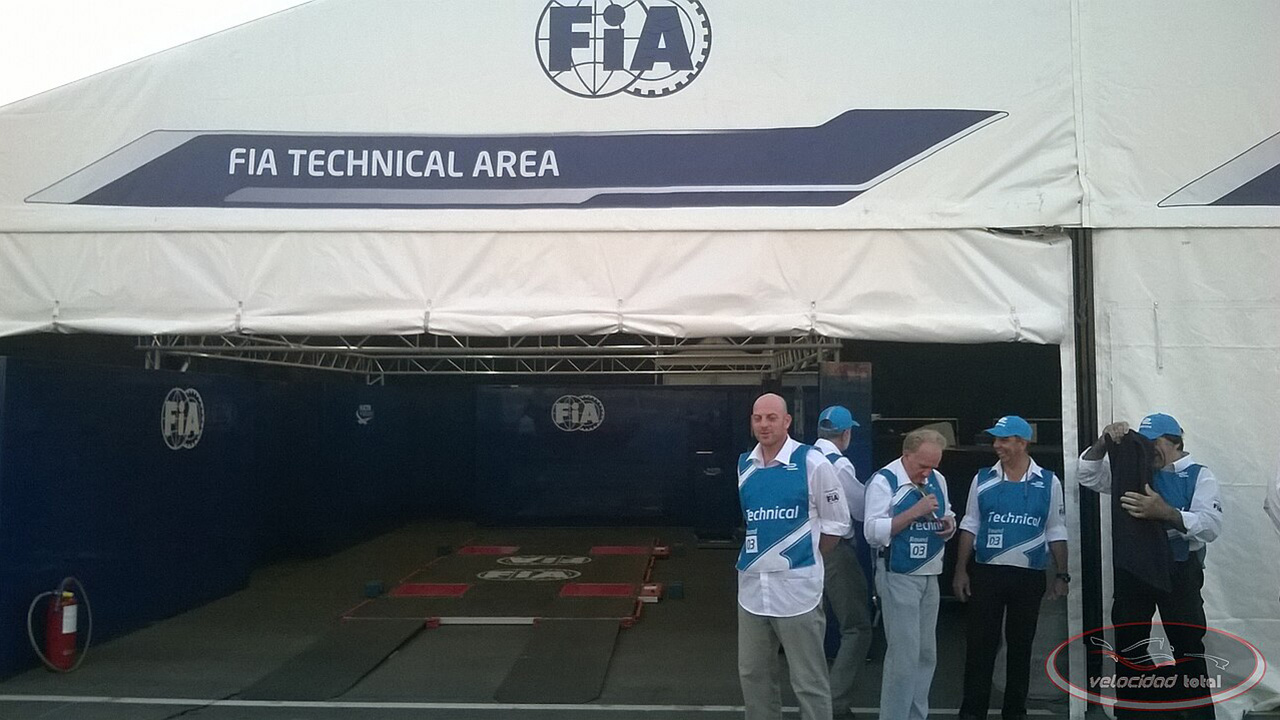
The use of crash data and simulations has become an integral part of improving motorsport safety standards. By analyzing data from crashes, engineers can identify weaknesses in vehicle design and implement improvements. Computer simulations allow for the testing of various crash scenarios, helping to predict and mitigate potential impacts. This data-driven approach has led to significant advancements in safety technology, ensuring that vehicles are better equipped to handle crashes.
Collaborations with research institutions have further enhanced safety innovations. Motorsport organizations often partner with academic institutions to conduct research and develop new safety technologies. For example, the FIA Institute for Motor Sport Safety and Sustainability works closely with universities to study crash dynamics and develop new safety standards. These collaborations have resulted in groundbreaking innovations, such as advanced crash helmets and improved barrier designs, that continue to enhance safety in motorsport.
Future Trends in Motorsport Safety
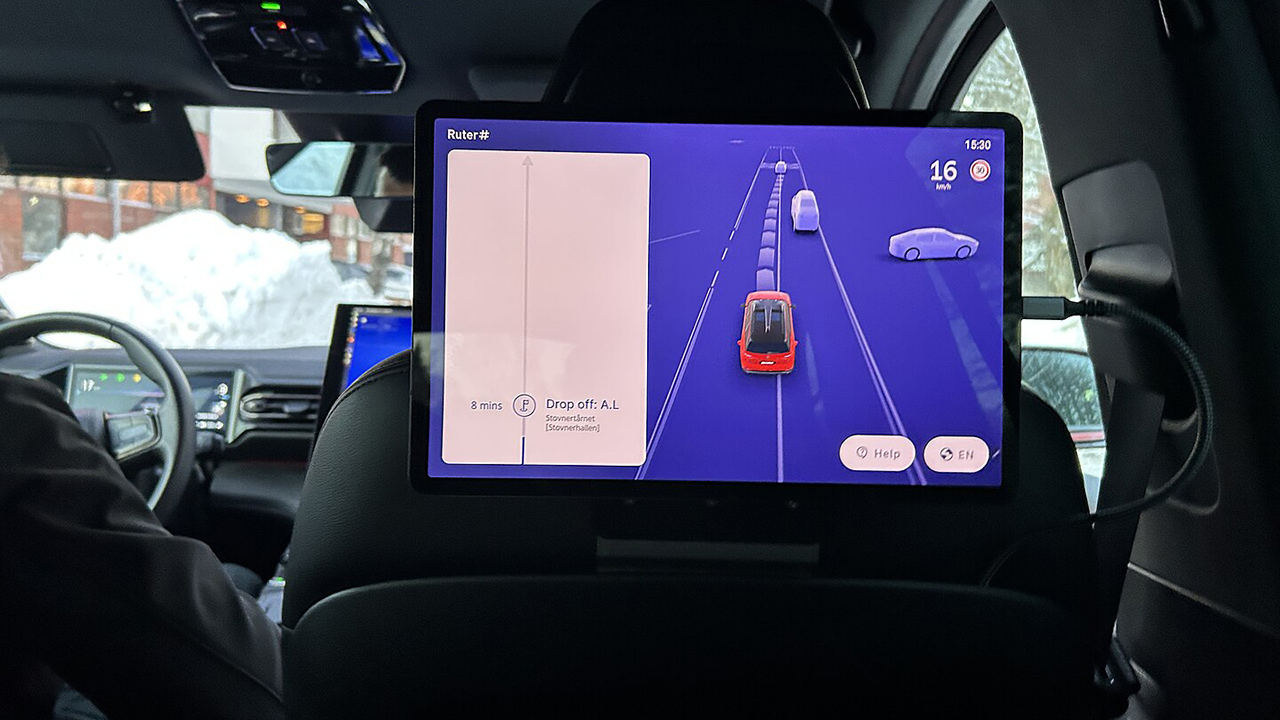
Emerging technologies are poised to further revolutionize motorsport safety. Autonomous technologies, such as driver-assist systems, have the potential to enhance safety by reducing human error. Additionally, artificial intelligence is being explored for real-time safety monitoring and response, offering the possibility of predicting and preventing accidents before they occur. These technologies could significantly reduce the risk of crashes and improve overall safety in the sport.
As motorsport continues to evolve, so too do safety regulations and standards. Governing bodies are constantly reviewing and updating safety protocols to keep pace with technological advancements. The challenge lies in balancing the competitive nature of the sport with the need to ensure driver safety. As new technologies emerge, it is likely that safety regulations will continue to adapt, ensuring that motorsport remains both thrilling and safe for all involved.