The 1953–1962 C1 Corvette may not have been perfect, but it laid the groundwork for everything the Corvette would become. What started as a fiberglass-bodied roadster with a six-cylinder engine evolved quickly into something far more serious. These 10 facts explore how the first Corvette set the tone for decades of American sports cars.
It Debuted with a Straight-Six, Not a V8

The very first 1953 Corvette came with a 235-cubic-inch “Blue Flame” inline-six. It was borrowed from Chevy’s sedan lineup and tuned to make 150 hp using triple Carter carbs and a higher-lift cam.
Paired with a 2-speed Powerglide automatic, performance wasn’t exactly blistering. Zero to 60 took around 11 seconds. But GM wasn’t chasing raw speed yet—it was more about showing the world America could build a sleek two-seater.
Only 300 Units Were Built in 1953
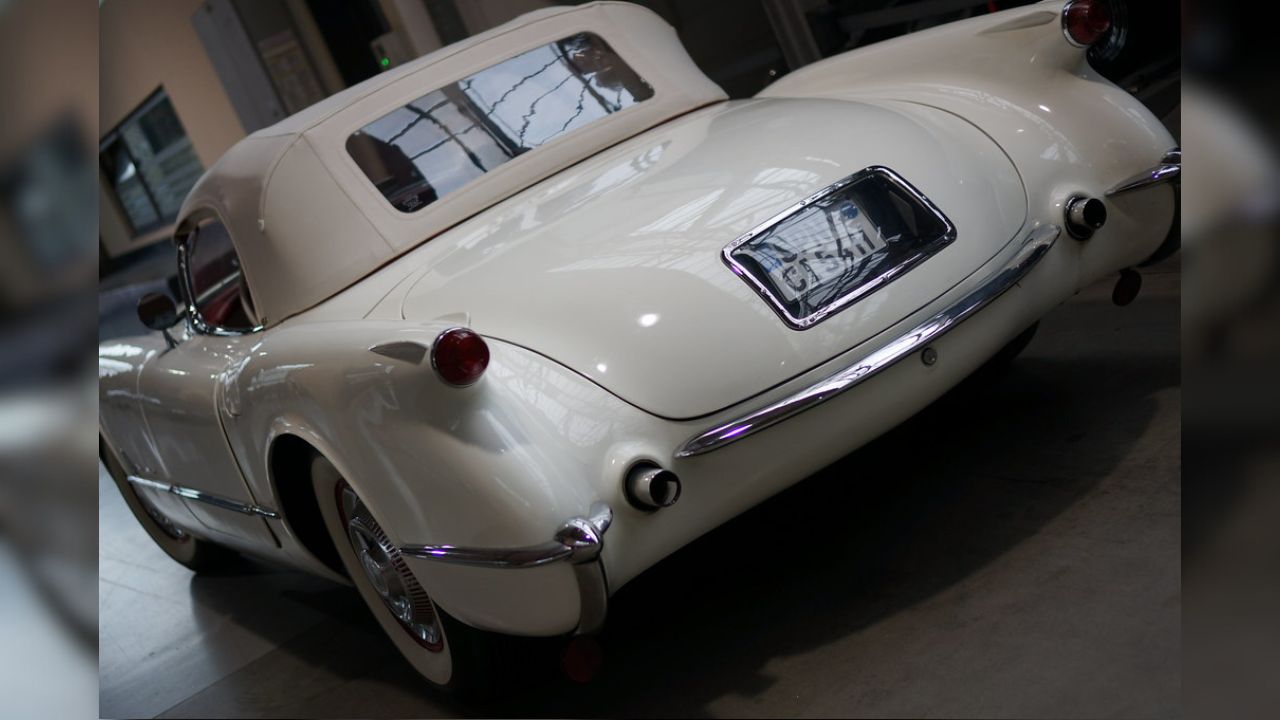
Every 1953 Corvette was hand-assembled in Flint, Michigan. The total production run was just 300 cars—all painted Polo White with red interiors and black tops.
Because fiberglass molding was still new to GM, quality varied car to car. Early examples often needed rework to fit panels or doors. Still, those first 300 are some of the most collectible today, not because they were fast—but because they marked the beginning.
Fiberglass Made the C1 Lightweight—but Tricky

At 2,850 pounds, the 1953 Corvette was fairly light for its size, thanks to the fiberglass body. It was GM’s first production use of the material, chosen for its flexibility and tooling cost.
Fiberglass allowed for curved, flowing shapes that steel stamping couldn’t match easily. But early Corvettes suffered from cracking, warping, and inconsistent thickness—making repairs tough. It was a bold gamble for GM at the time, and it paid off in long-term design freedom.
The First V8 Didn’t Arrive Until 1955
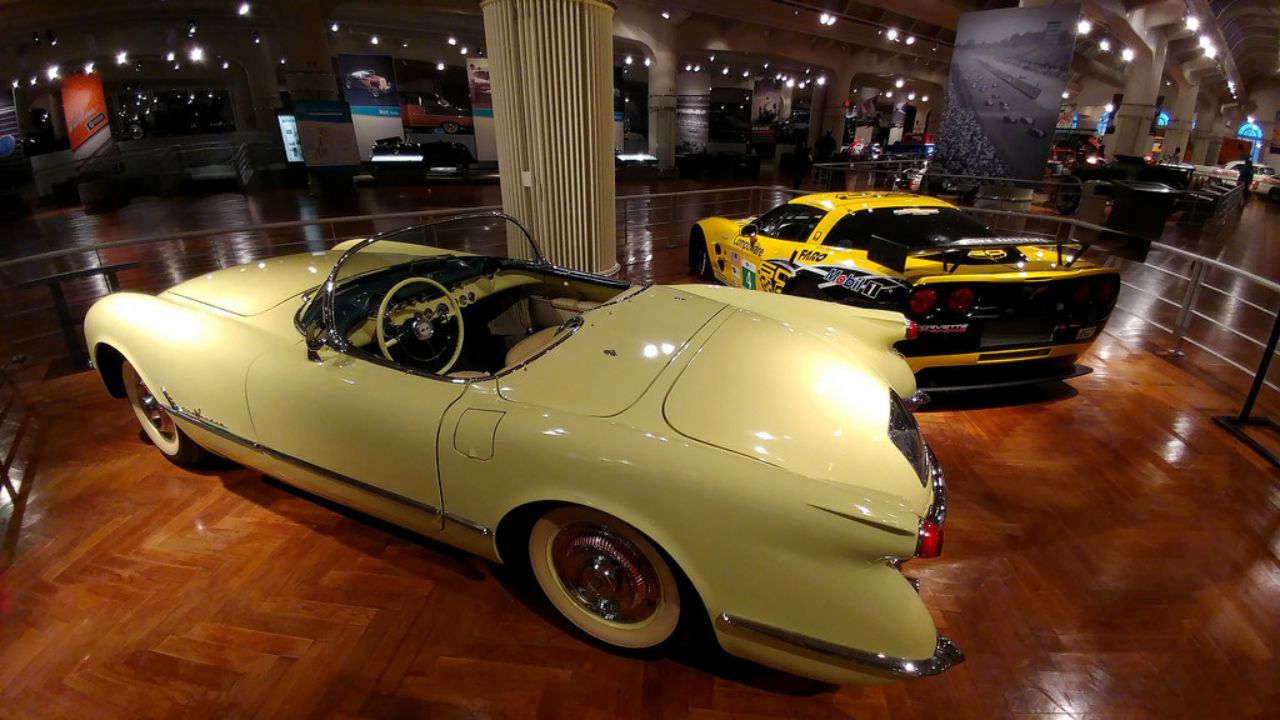
The Corvette finally got serious in 1955 when Chevrolet dropped in the 265-cubic-inch small block V8. It made 195 hp with a 4-barrel carb—an instant upgrade over the inline-six.
Even more important was the new 3-speed manual transmission that could be ordered with it. That combo cut 0–60 times below 9 seconds and gave buyers a reason to take the Corvette seriously. Sales ticked up, and so did credibility.
It Wasn’t an Immediate Hit
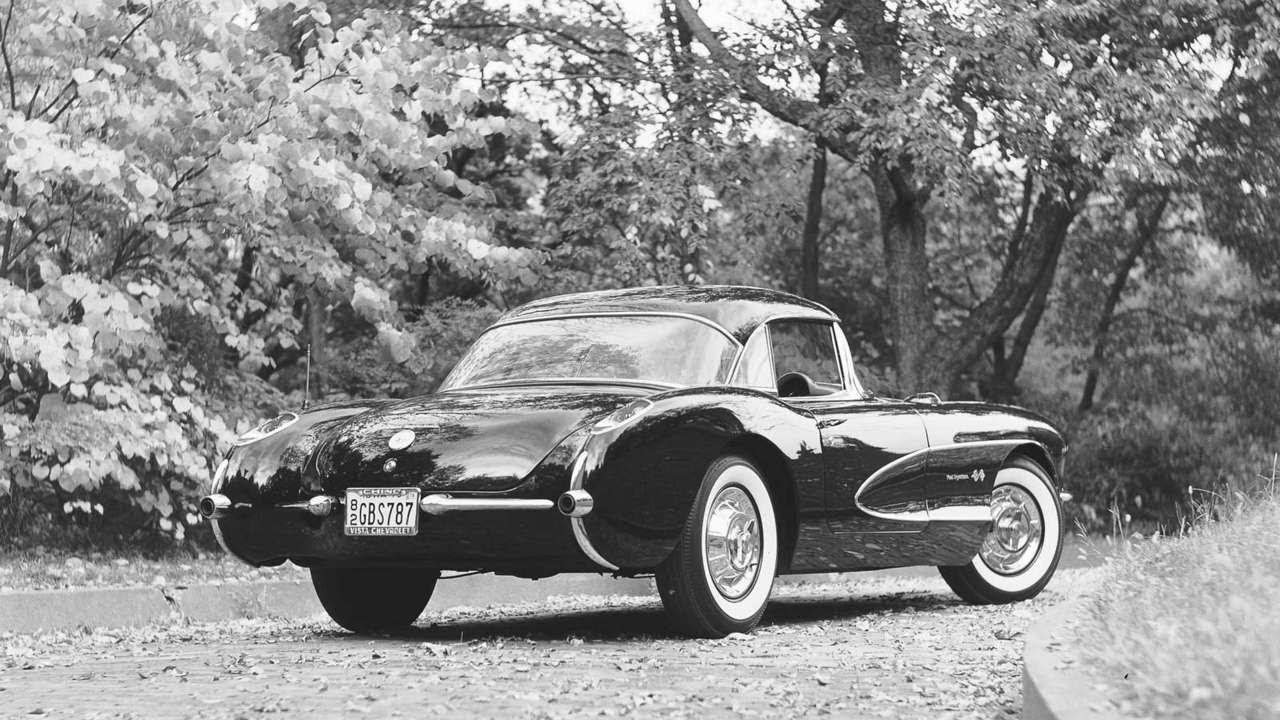
Despite the buzz at GM’s 1953 Motorama, early Corvette sales were weak. Only 3,640 were built in 1954, and nearly 1,000 sat unsold at year’s end. Dealers weren’t sure what to do with a pricey two-seater that didn’t go fast or handle like a European rival.
The turning point came when Zora Arkus-Duntov joined the program. He recognized the Corvette’s potential and pushed for more performance, better handling, and true sports car credentials—starting with the V8.
Zora Arkus-Duntov Saved the Program
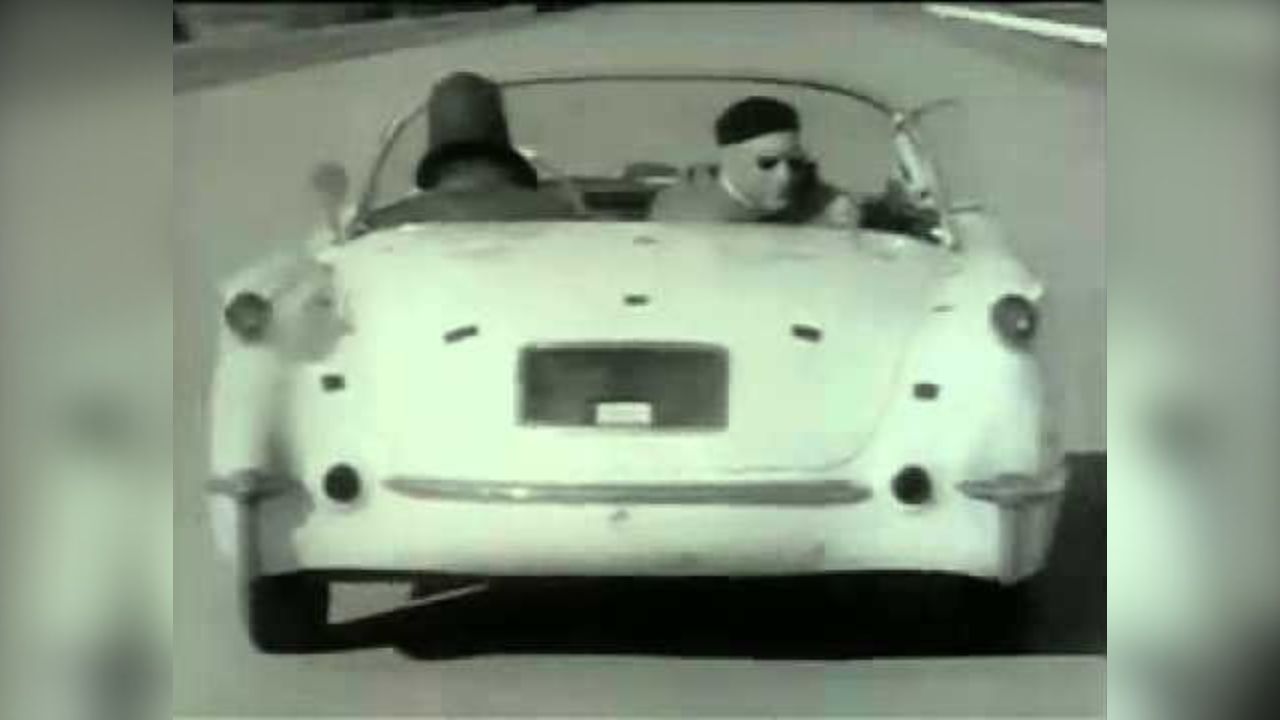
Duntov, an engineer and racer with European experience, saw the Corvette’s future before most of GM did. He wrote a now-famous memo titled “Thoughts Pertaining to Youth, Hot Rodders, and Chevrolet” that urged Chevy to build a performance image.
Under his guidance, the Corvette got disc brakes, better rear axles, high-lift cams, and fuel injection. By 1957, the C1 could be ordered with 283 hp—one horse per cubic inch—putting it in league with the best sports cars of its day.
Fuel Injection Arrived in 1957
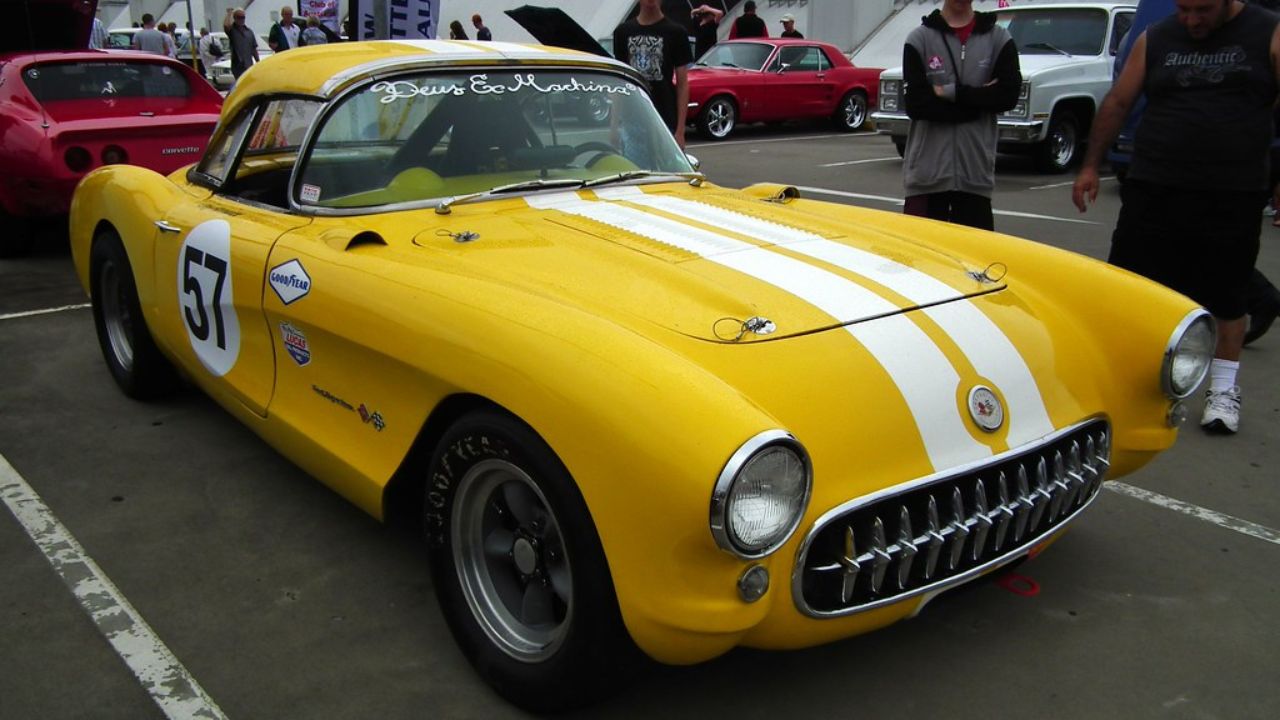
The 1957 Corvette offered optional Rochester mechanical fuel injection, making it one of the first production cars to offer the tech. The system boosted the 283 V8 to 283 hp, creating a performance benchmark at the time.
The setup was complex and expensive, but it showed that GM was no longer playing it safe. Fuel injection made throttle response sharper and allowed the Corvette to punch above its weight—even if tuning it was a science project.
By 1962, the C1 Hit 327 Cubic Inches
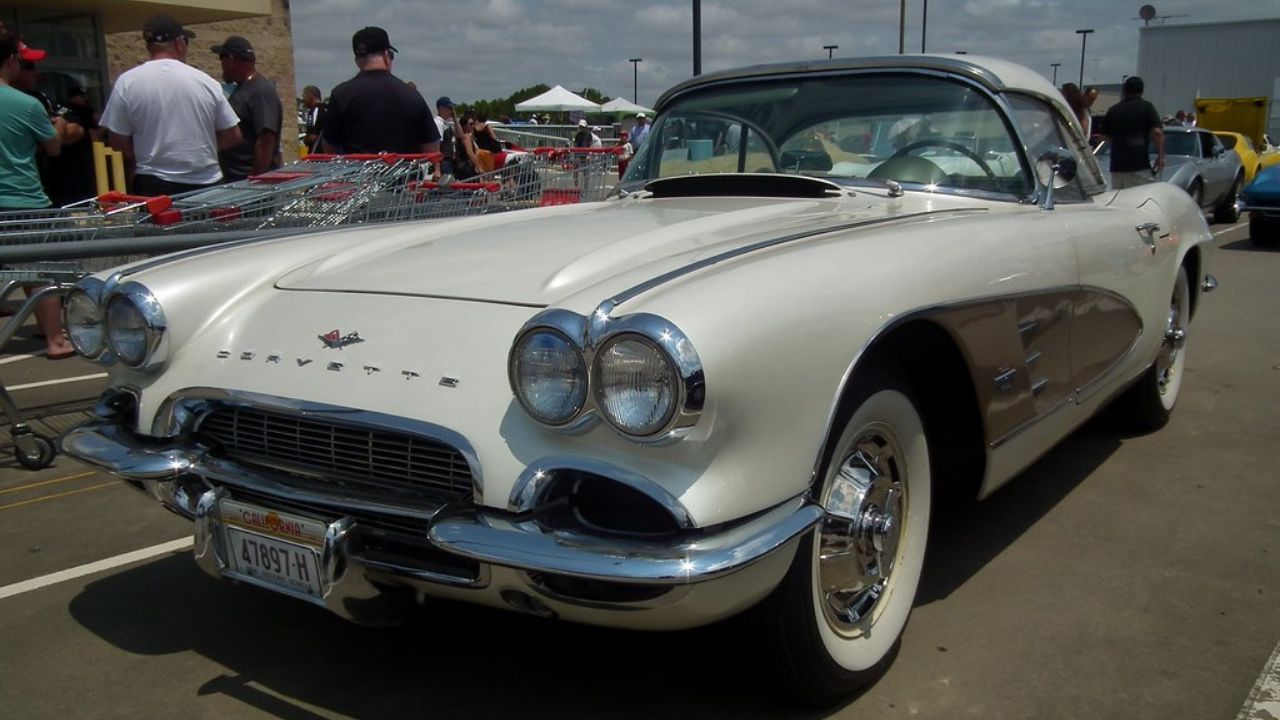
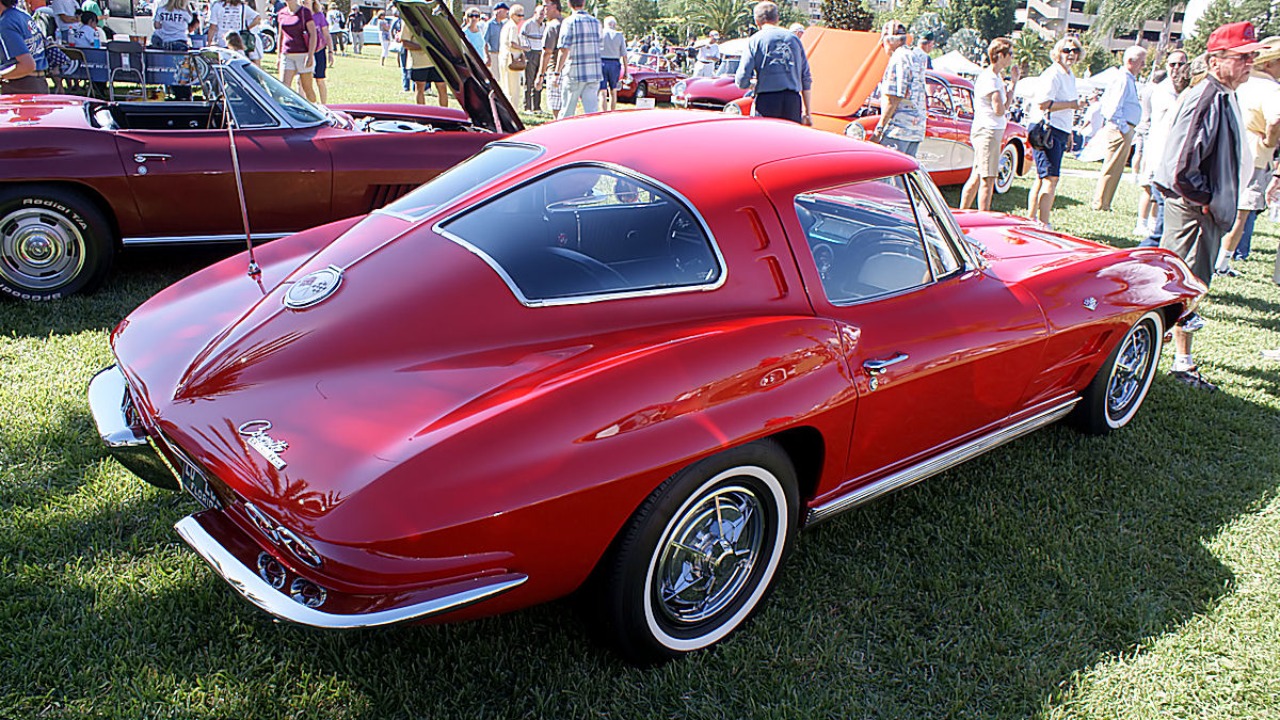
The final year of the C1 brought the best performance of the generation. In 1962, Chevy dropped in the 327-cubic-inch small-block V8, with up to 360 hp available with fuel injection.
It was the cleanest, quickest C1 ever built. The front end stayed similar to earlier models, but the rear ditched the fins for a flatter decklid. It could run 0–60 in under six seconds—solid proof the Corvette had fully evolved from style icon to legitimate sports car.
Interiors Were Simple, but Functional
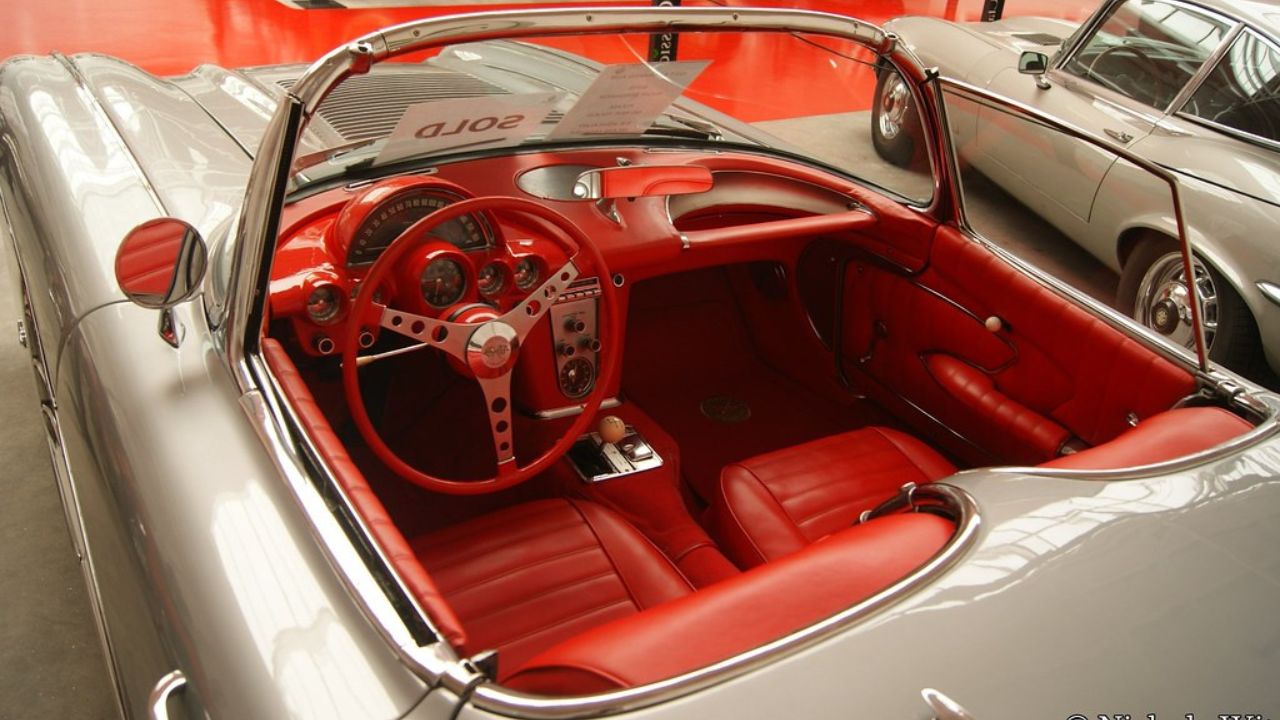
The earliest C1s had a spartan cockpit: no exterior door handles, a two-spoke steering wheel, and basic bucket seats. Instrumentation was basic but useful—speedo, tach, fuel, temp, and oil pressure gauges front and center.
By the late C1 years, the interior had grown more refined. You got a passenger grab bar, color-matched dash panels, and optional radio. Still, everything was focused on the driver. It wasn’t luxury—it was performance with a steering wheel.
The C1 Set the Template
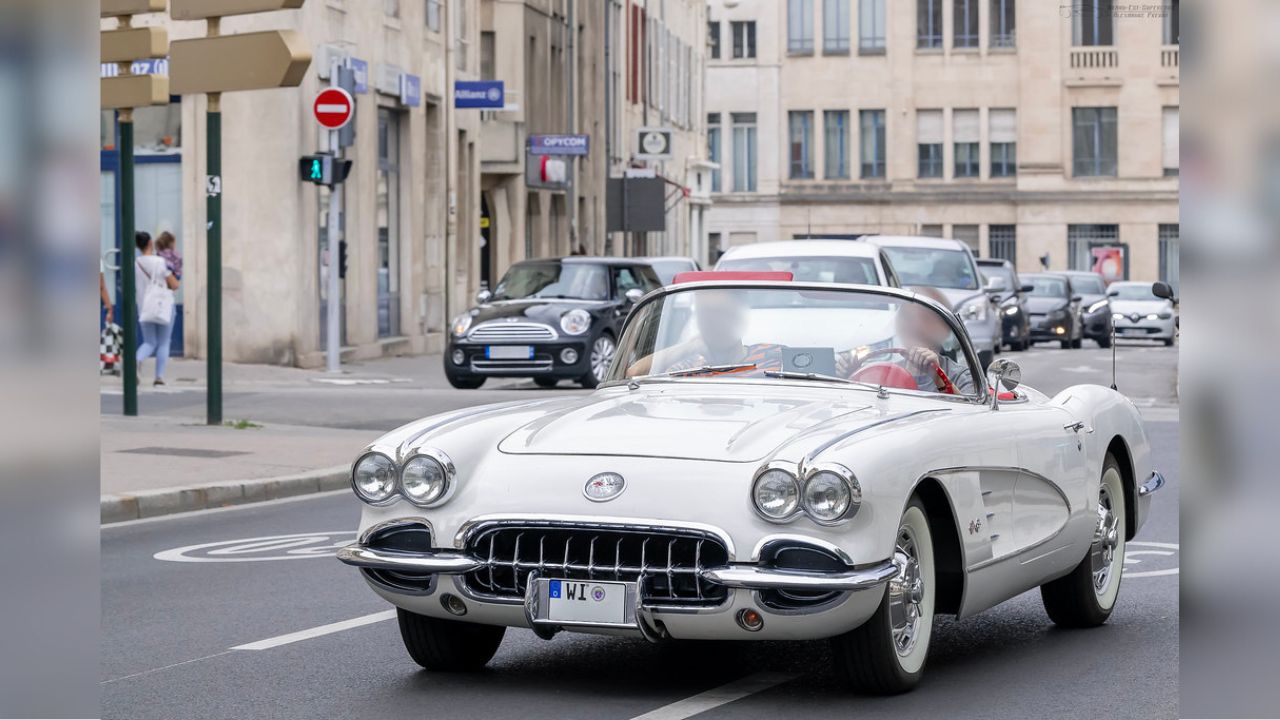
The C1 Corvette laid out the formula that every generation since has followed: lightweight body, front-mounted V8, rear-wheel drive, two seats, and a low-slung silhouette.
It wasn’t perfect, especially in the early years. But by the end of the C1’s run, the car had gone from novelty to national icon. The engineering got sharper, the engines got stronger, and Chevy knew they had something worth keeping around.
Like Fast Lane Only’s content? Be sure to follow us.
Here’s more from us:
*Created with AI assistance and editor review.