
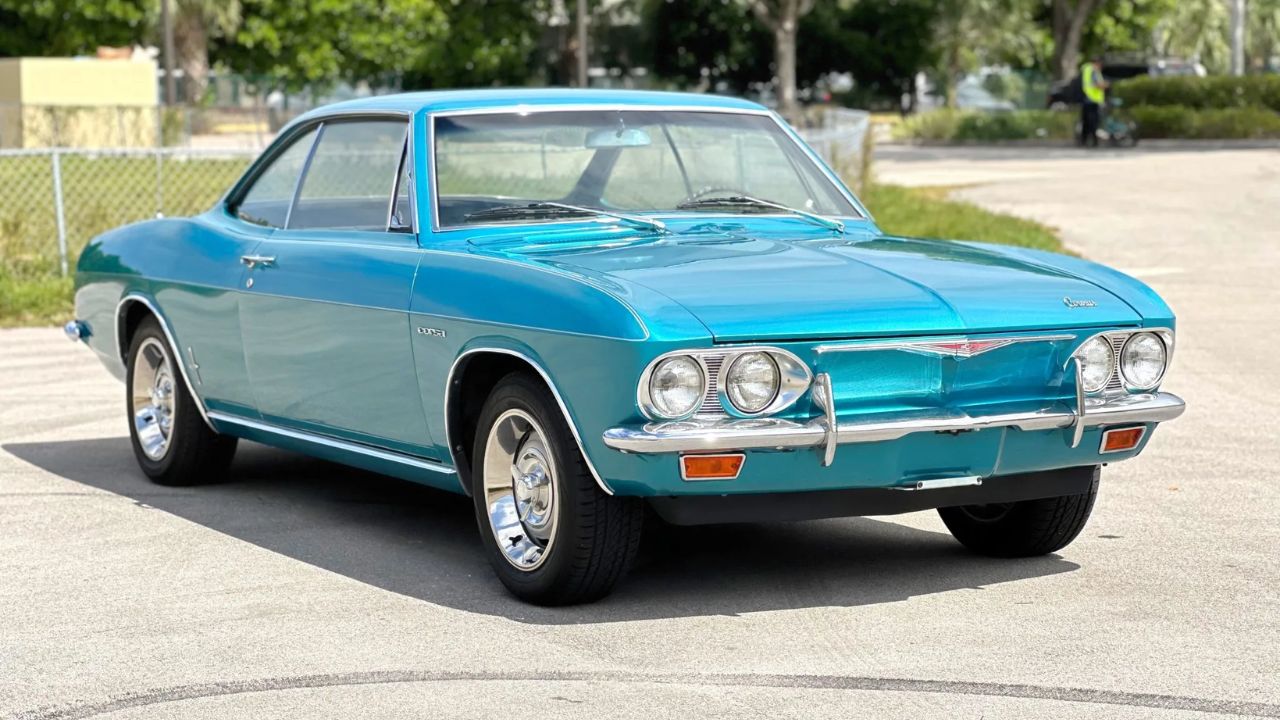
Before the Camaro took on the Mustang and claimed its spot in the muscle car world, Chevrolet was already testing the waters with something very different. The Corvair Monza wasn’t a powerhouse, and it wasn’t built to race—but it showed GM there was real demand for compact, stylish coupes that offered more than just basic transportation.
This isn’t just a story about what came before the Camaro. It’s about the car that shaped how Chevrolet thought about performance, design, and younger buyers. The Monza may be overlooked now, but without it, the Camaro might’ve taken a very different path.
The Corvair Monza Set the Tone Early
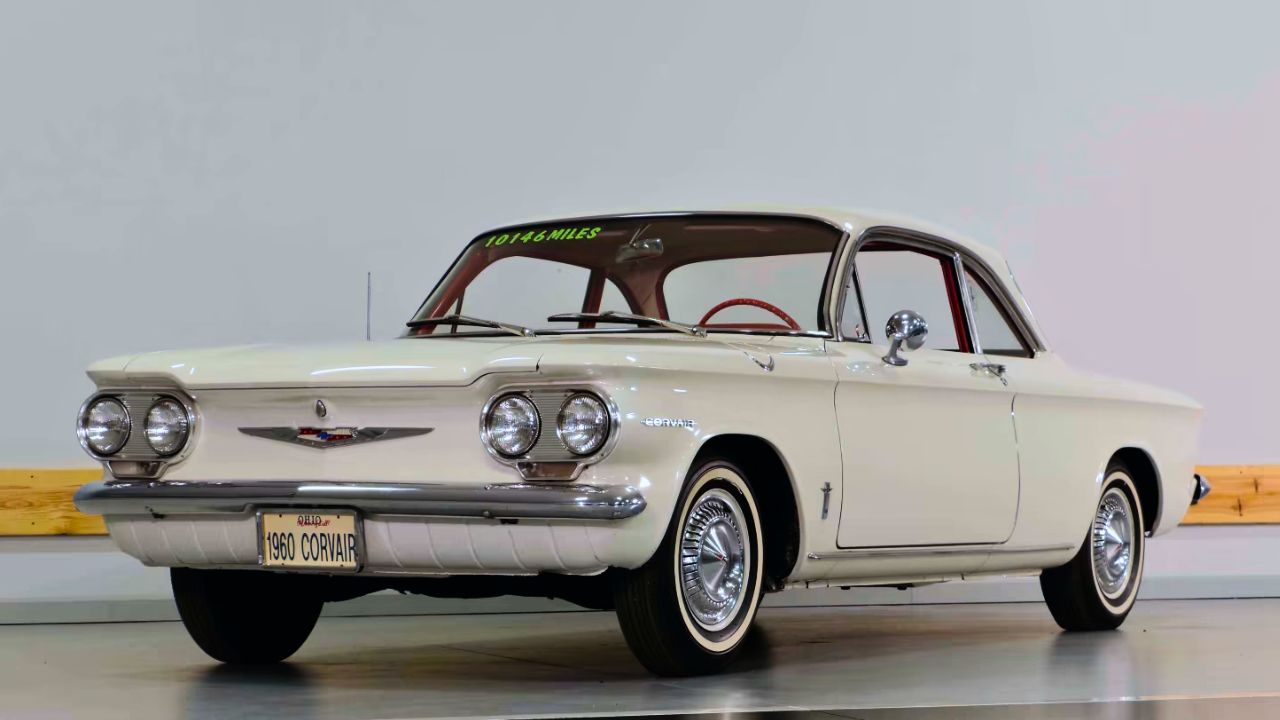
Before the Camaro ever turned a wheel, Chevrolet had the Corvair Monza—an upscale, sporty version of the Corvair that hit the market in 1960. It wasn’t a muscle car, but it did offer a glimpse of where GM was heading with personal performance coupes.
With bucket seats, a floor shifter, and a tighter handling package, the Monza stood apart from the economy car crowd. It showed GM that buyers wanted style and performance even in compact form. Internally, it was viewed as Chevy’s answer to European sport coupes—light, fun, and driver-focused.
Rear-Engine Layout Made It Unique
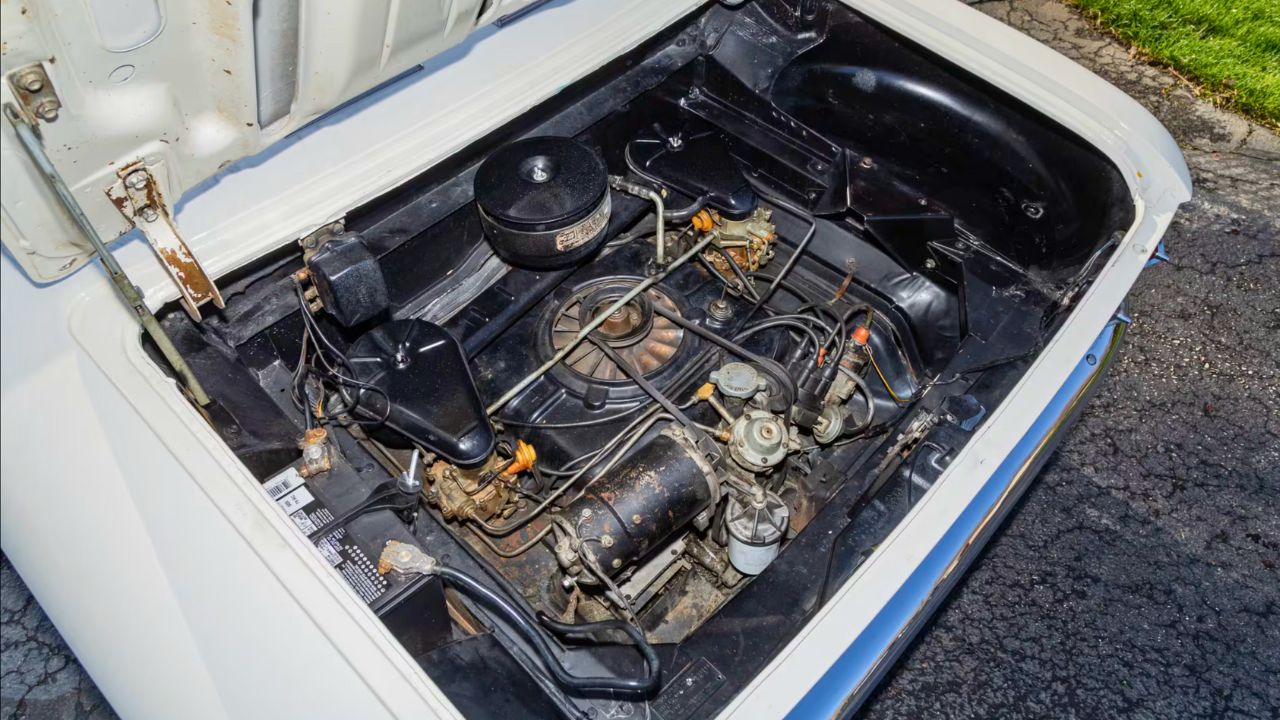
Unlike anything else GM was building at the time, the Corvair had its air-cooled flat-six engine mounted in the rear. This gave the car a different weight balance and road feel than front-engine rivals. For better or worse, it made the Corvair stand out.
The Monza took that setup and made it sportier. The rear-engine layout gave it solid traction and a unique handling dynamic, especially in early models with swing axle suspensions. While it wasn’t meant for drag strips, it carved corners in a way other Chevys didn’t.
Performance Was Modest but Sporty
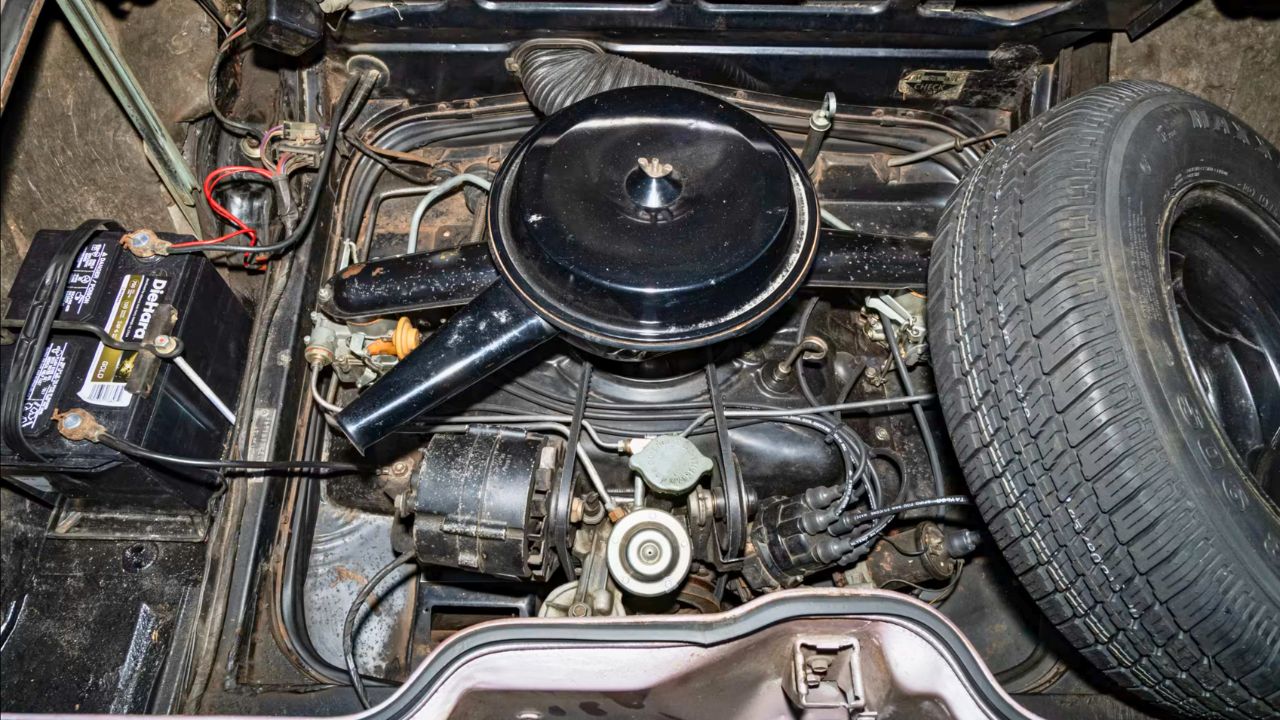
The Corvair Monza was never about straight-line speed, but the optional 102-horsepower and later 110-hp versions of the 2.7L flat-six gave it respectable pep. Later turbocharged Spyder and Corsa variants pushed things up to 150 and even 180 hp by 1965.
What the Monza lacked in low-end torque, it made up for with smooth revs and a lighter curb weight than most GM coupes. Paired with a 4-speed manual, it offered a spirited drive without needing big power. It was the feel, not just the numbers, that made it fun.
The Design Language Influenced Future GM Cars
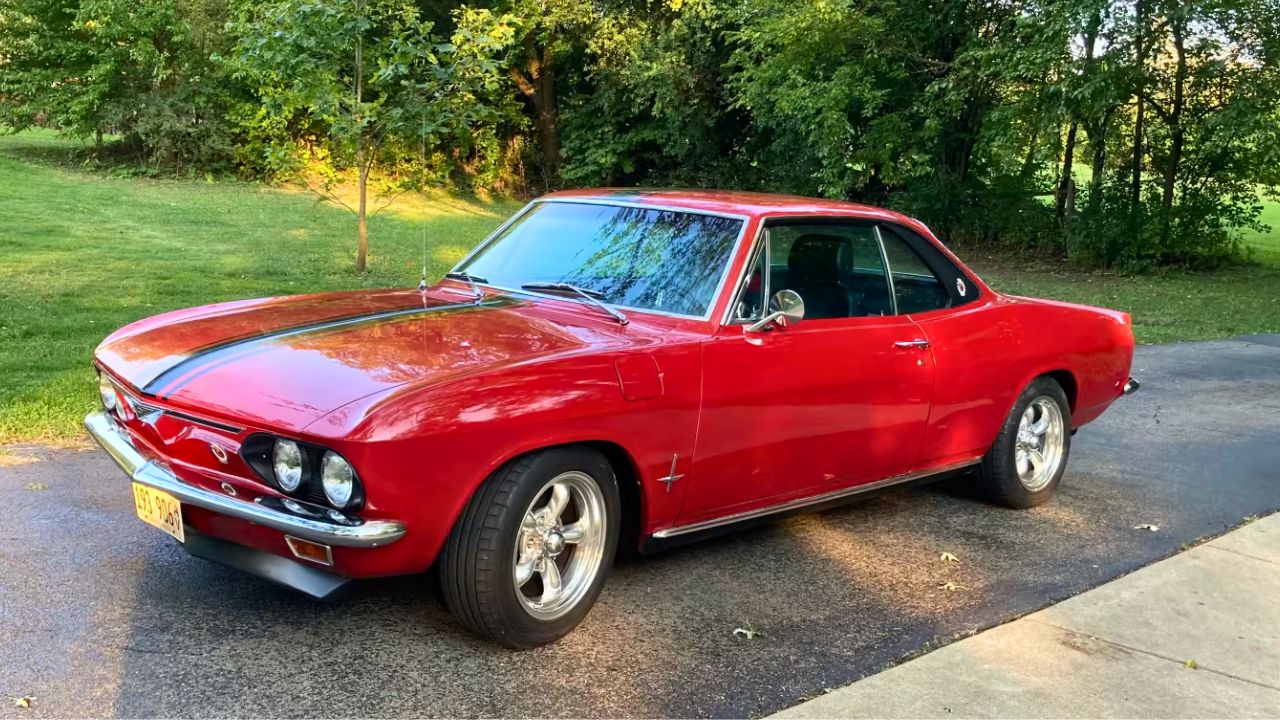
The Monza’s clean lines, compact shape, and sporty proportions resonated beyond its own badge. Its short deck, long hood look—even with a rear engine—helped guide the design DNA that would appear in later cars like the Camaro and even the early Firebird.
It also proved that Chevrolet could sell sporty styling in a compact package. Buyers didn’t need full-size muscle to feel connected to their cars. The Camaro kept that lesson alive when it launched in 1966, only this time with a front engine and much more power.
It Was a Direct Response to Import Growth
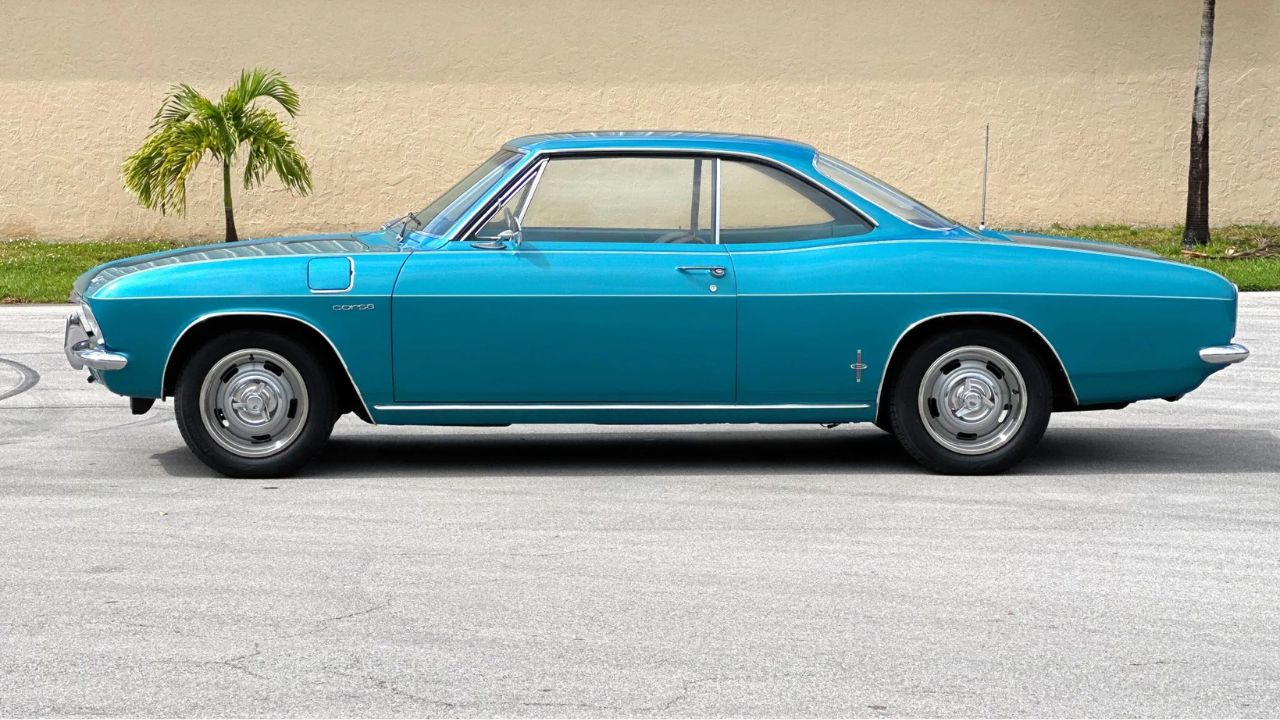
The Monza was Chevy’s answer to the rising popularity of imported cars—namely the VW Beetle and various European coupes. GM wanted a compact car with a premium twist, and the Monza trim level delivered just that.
The Monza proved that American buyers were open to smaller, more refined vehicles if they didn’t feel stripped down. It laid the groundwork for the “personal coupe” category that would explode later in the decade. The Camaro picked up where the Monza left off—but with Detroit horsepower behind it.
The Monza Gained a Cult Following Quickly
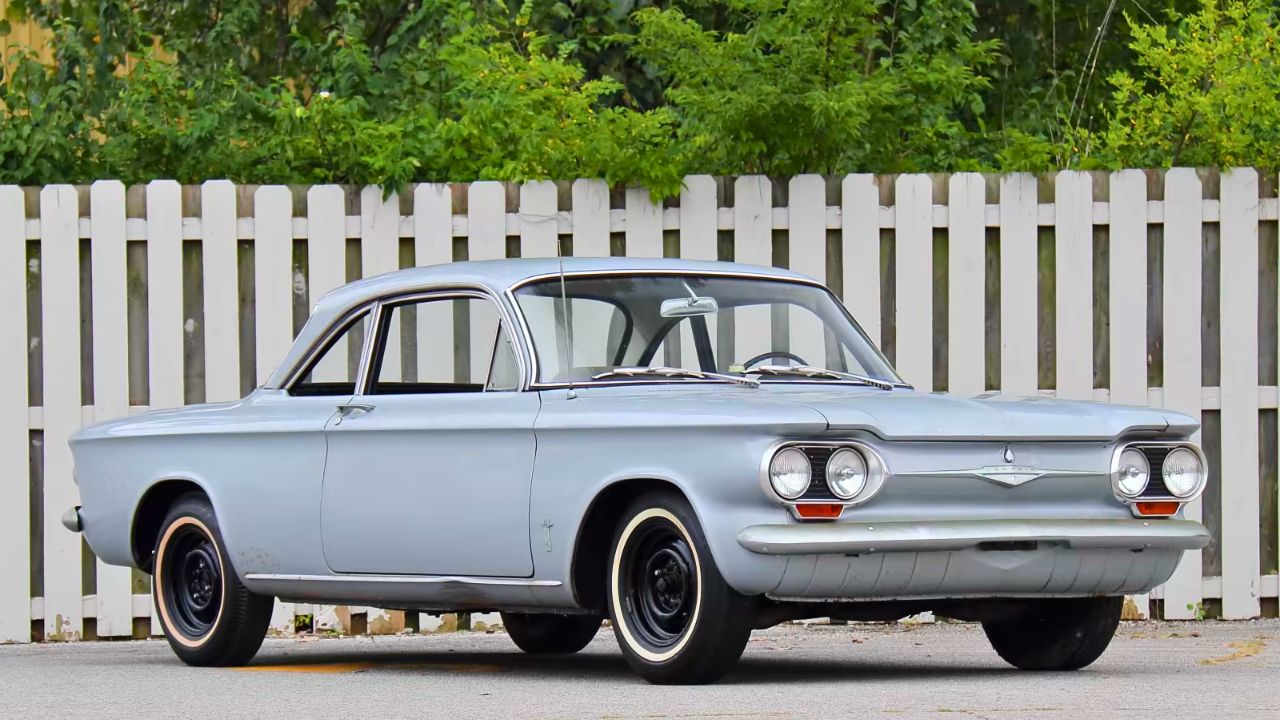
By 1961, just a year after launch, the Corvair Monza accounted for more than half of all Corvair sales. It had become the aspirational choice in the compact segment—a go-to for young professionals and car-savvy buyers looking for something a little sharper than the average sedan.
It was one of the few compact American cars that felt more European in attitude. This crowd appeal carried over into the Camaro, which Chevrolet aimed squarely at the growing youth market when the Mustang began dominating the scene. Monza walked so Camaro could run.
Sales Were Strong in the Early Years
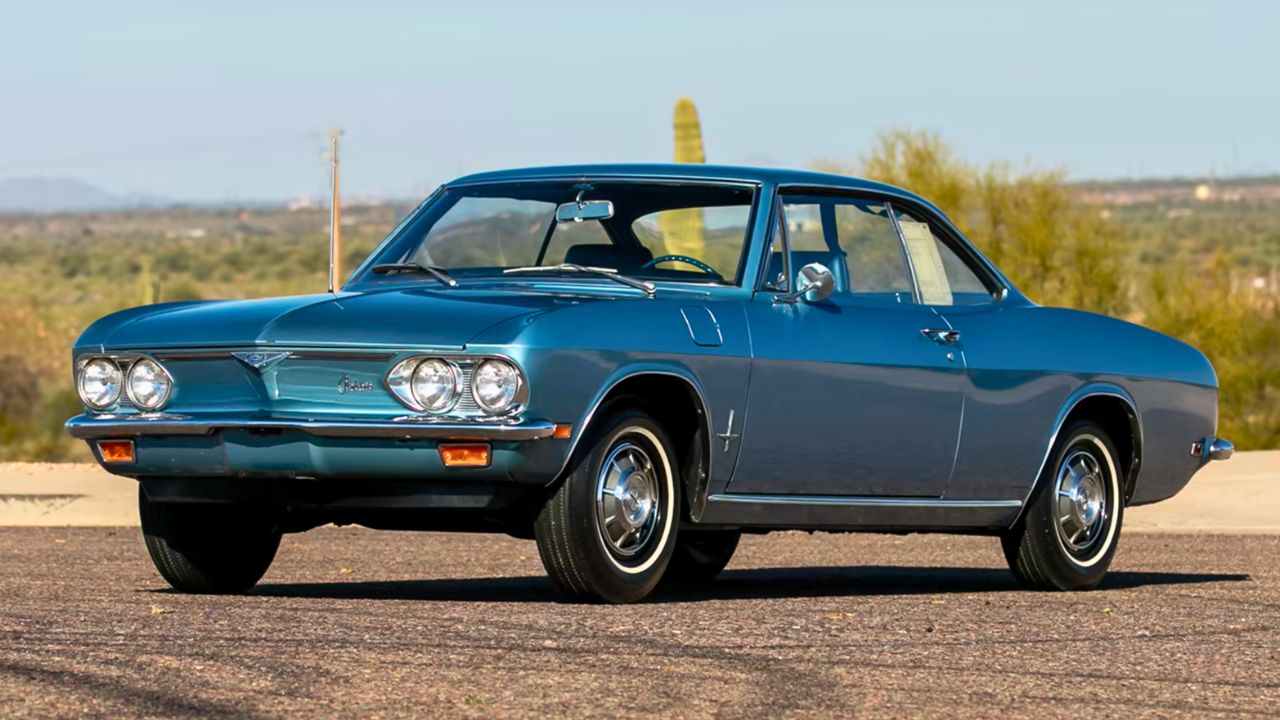
In 1961, Corvair sales topped 329,000 units, with the Monza accounting for a major chunk. Chevrolet had tapped into a market it didn’t even know existed just a few years earlier—buyers who wanted economy and style.
While later safety concerns and performance rivals cooled Corvair sales by the mid-’60s, the early Monza models had already done their job. They validated the idea that GM could offer smaller performance coupes—and laid the foundation for something bigger when the muscle car era really kicked in.
It Showed the Value of a Sports Trim Package
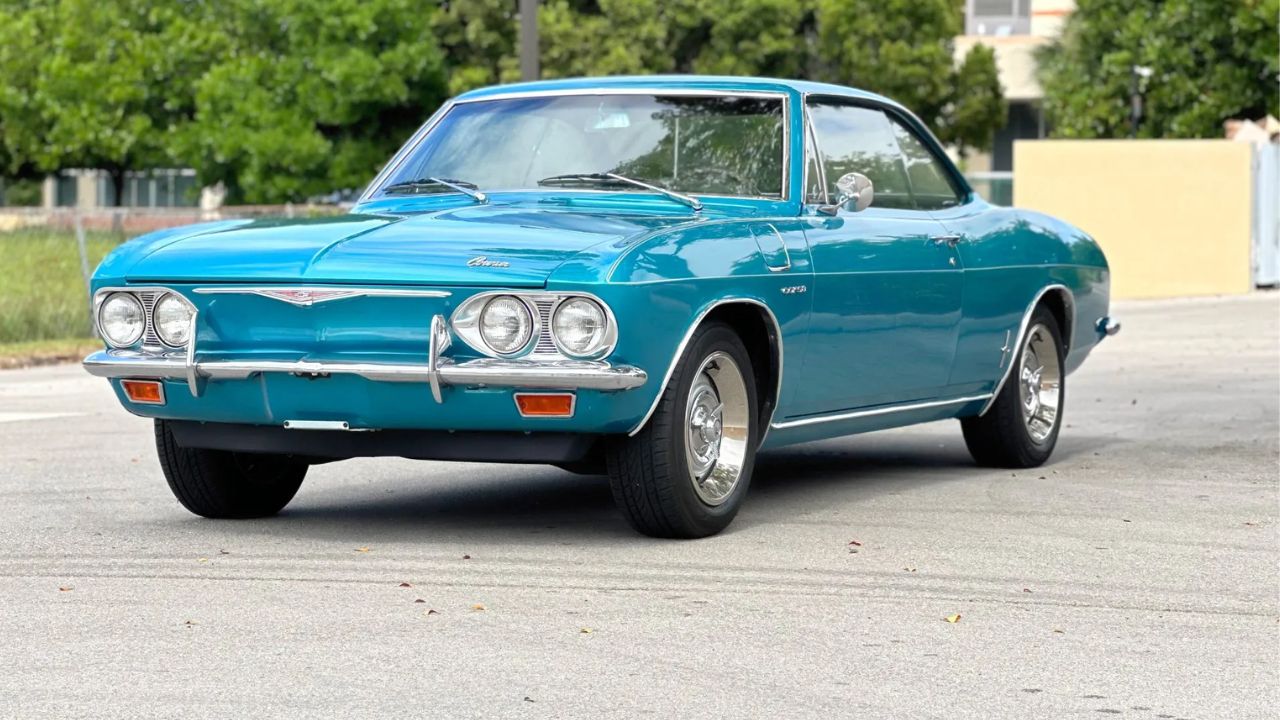
The Monza wasn’t just a body style—it was a strategy. The trim package added visual and tactile upgrades without a full mechanical overhaul. Bucket seats, better trim, floor shift, and improved gauges gave it a sporty feel while keeping costs down.
That same philosophy would carry over into the Camaro, where RS and SS packages offered visual and performance upgrades tailored to different buyers. The Monza proved you didn’t have to build an entirely new car—just make the right changes to target a different crowd.
The Corvair’s Legacy Was Complicated
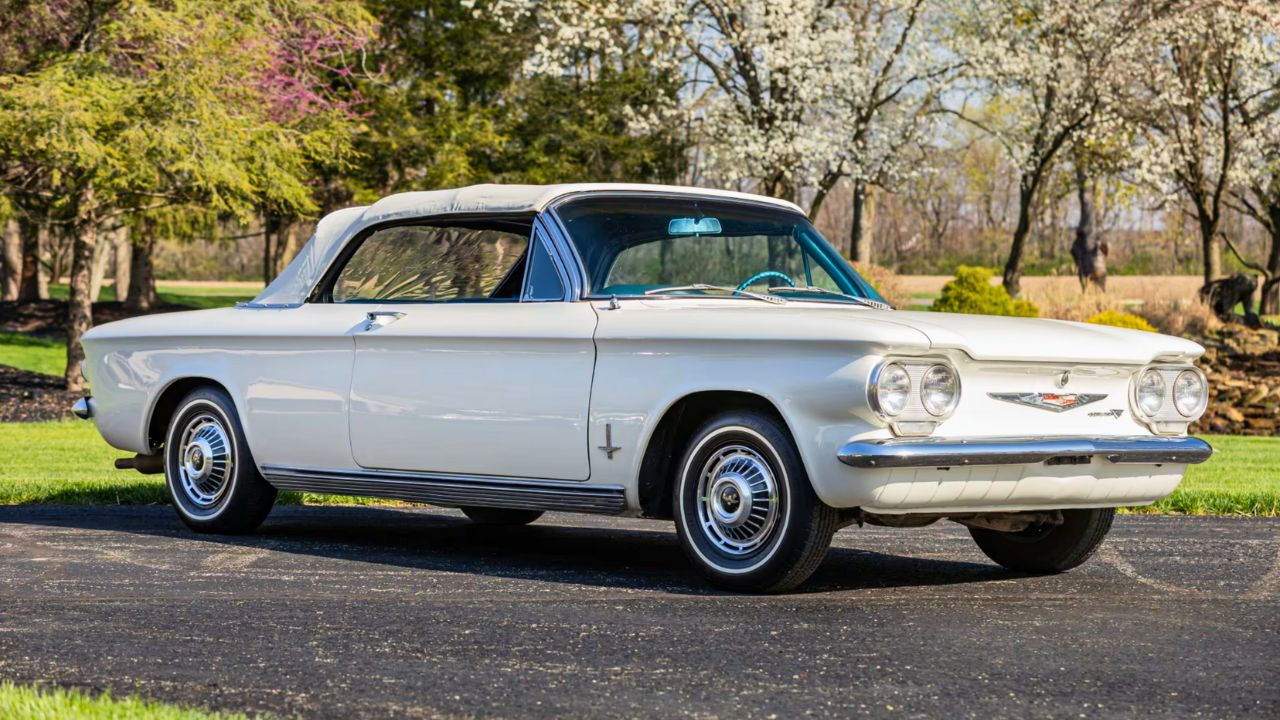
By the mid-’60s, Ralph Nader’s Unsafe at Any Speed painted the Corvair as a handling hazard, particularly early swing-axle models. While GM updated the suspension in 1965, the damage to the Corvair’s image was done.
But within GM, the Monza’s impact was still felt. It proved that a sporty coupe could live alongside family cars in the showroom and that performance wasn’t just about drag strips. The Camaro learned from those early wins—and steered clear of the rear-engine gamble.
It’s a Forgotten Link Worth Remembering
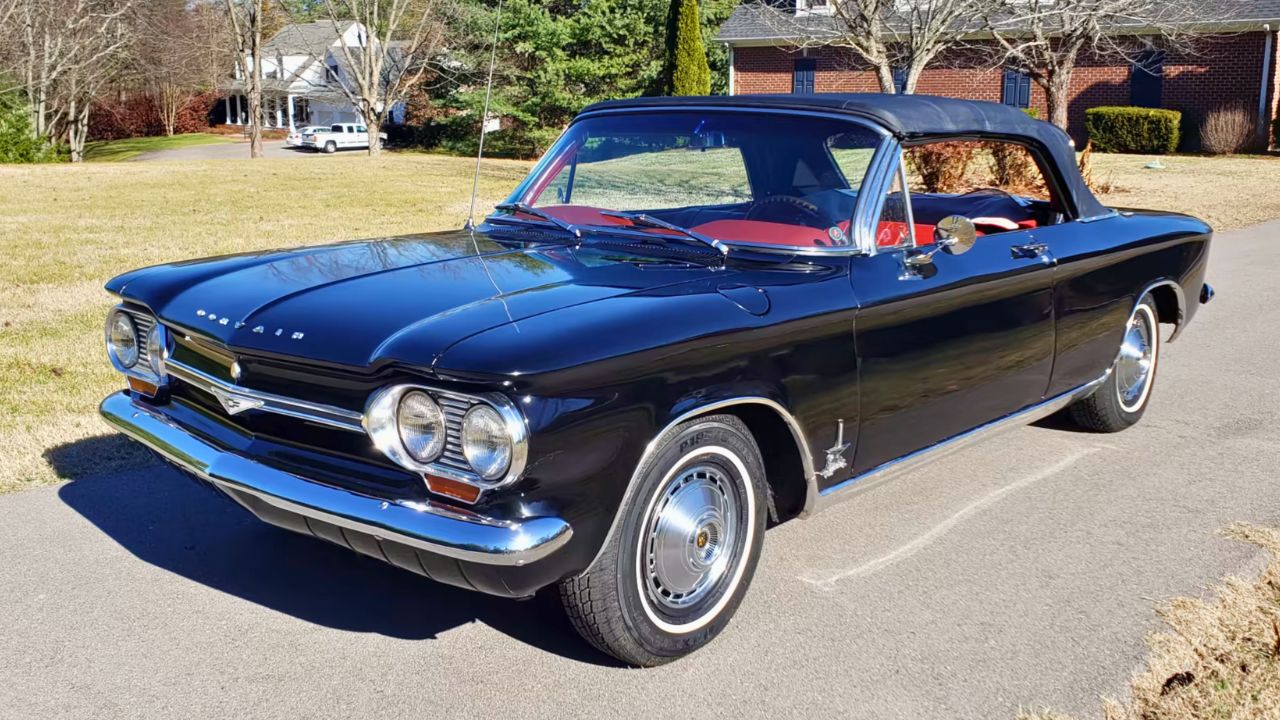
The Camaro didn’t come from nowhere. It came from a company experimenting with style, engineering, and market reach through the Corvair Monza. While the Camaro would become an icon, it owes more than a little of its DNA to the Monza’s early success.
Today, the Corvair Monza is often overlooked, but it was GM’s first real attempt at a small, stylish, performance-minded car—and it struck a nerve. For those who know their history, it’s the missing link between economy and muscle, between imports and ponycars.
*Created with AI assistance and editor review.




Leave a Reply