
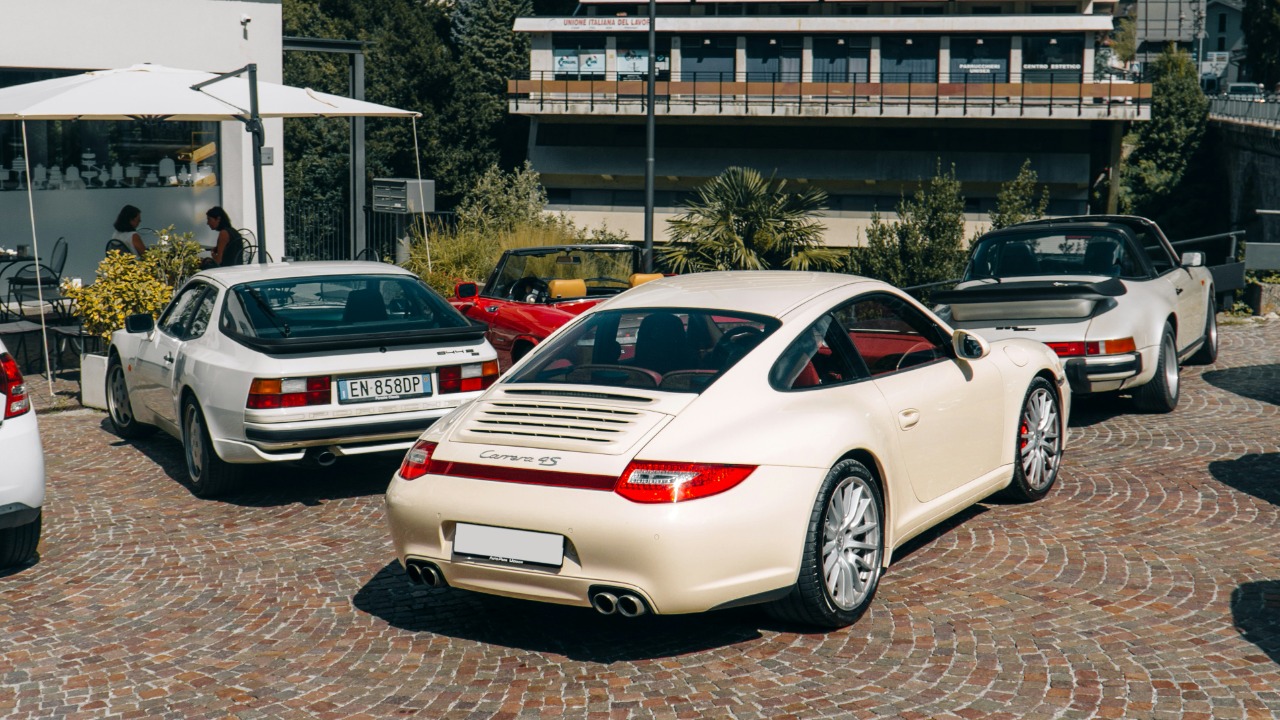
Collectors quietly track the next generation of icons long before auction houses catch on. The most tuned-in experts already see a shortlist of modern cars and cultural touchpoints that look set to define this era for future enthusiasts.
Their whispered tips share a common thread, from limited production sports cars to sharp design objects and even dystopian novels. Each candidate captures a specific moment in technology, taste, or politics that later generations will want to own, study, or simply remember.
How experts really spot a future classic
Specialists do not rely on nostalgia alone when they single out tomorrow’s blue-chip machines. They look for rarity, strong design identity, and a driving or user experience that feels unlike anything else on the road or in the home. Detailed valuation guidance stresses that Future classics combine scarcity with emotional pull and technological significance, which together create long-term demand.
Design curators apply similar filters outside the car world. Writers Monica Khemsurov and Jill Singer describe how they tried to imagine which objects people will still use and remember in 2050, focusing on pieces that feel both of their time and strangely timeless. Their conversation about Monica Khemsurov and Jill Singer highlights how cultural relevance and daily utility can matter as much as price or prestige when predicting which designs will endure.
The performance cars already earning whispered approval
Performance specialists increasingly point to focused driver’s cars that resist digital overload. One of the clearest examples sits in Stuttgart, where Porsche created the ultra limited 911 S/T as a purist special. Analysts note that 911 S/T production stops at just 1963 units, a figure that mirrors the birth year of the original 911 and instantly gives the car a built in story that collectors can recite.
Track focused roadsters also attract quiet confidence. Enthusiasts highlight the Honda S2000 for its screaming four cylinder engine and unusually high power to capacity ratio, traits that modern turbocharged cars rarely match. Commentators argue that There are very few cars like the Honda S2000, and they describe it as a safe bet for long term desirability because it delivers a raw, high rev experience that regulators and market trends now discourage.
Electric pioneers and everyday heroes lining up for legend status
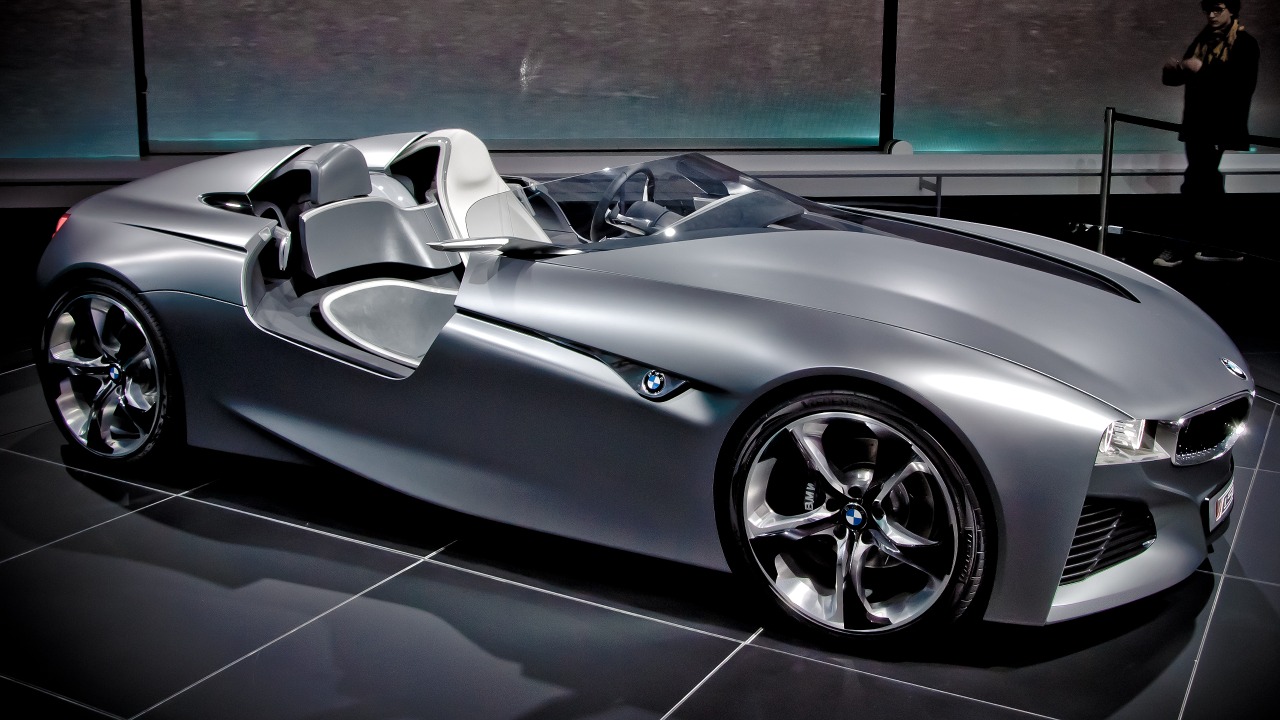
Electric trailblazers and clever small cars now sit high on expert watchlists. Analysts who study long term values argue that early battery powered models with distinctive styling and engineering will gain stature once the market fully normalizes around electric power. One detailed guide notes that Vehicles that embody a specific era or technological leap stand a better chance of classic status, which puts early premium EVs firmly in the frame.
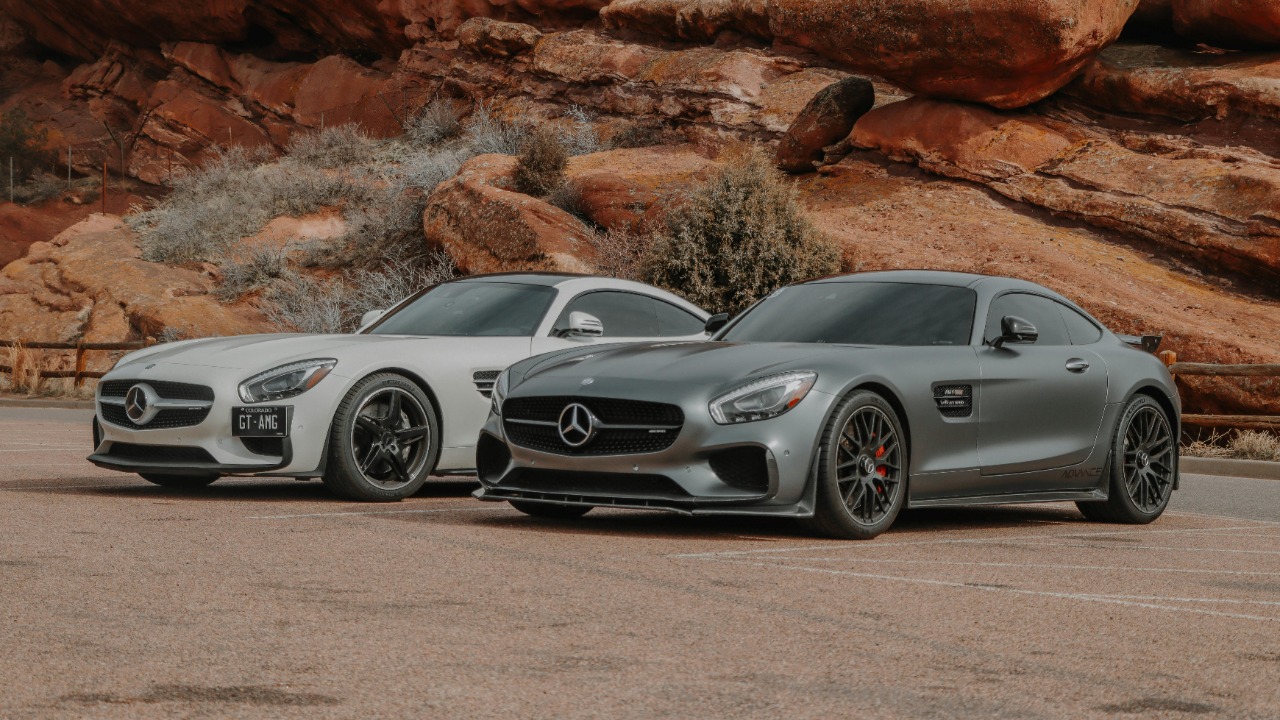
Specialist dealers already name specific models that fit this pattern. One list of likely future icons singles out the BMW i3, the Ford Fiesta ST, and the Mercedes AMG GT as top candidates, arguing that each car mixes distinctive design with a strong driving character. The same analysis frames these picks as Our top five modern vehicles likely to become future Classics, and it stresses that buyers should focus on well kept, low mileage examples while prices remain accessible.
The insider shortlists shaping collector gossip
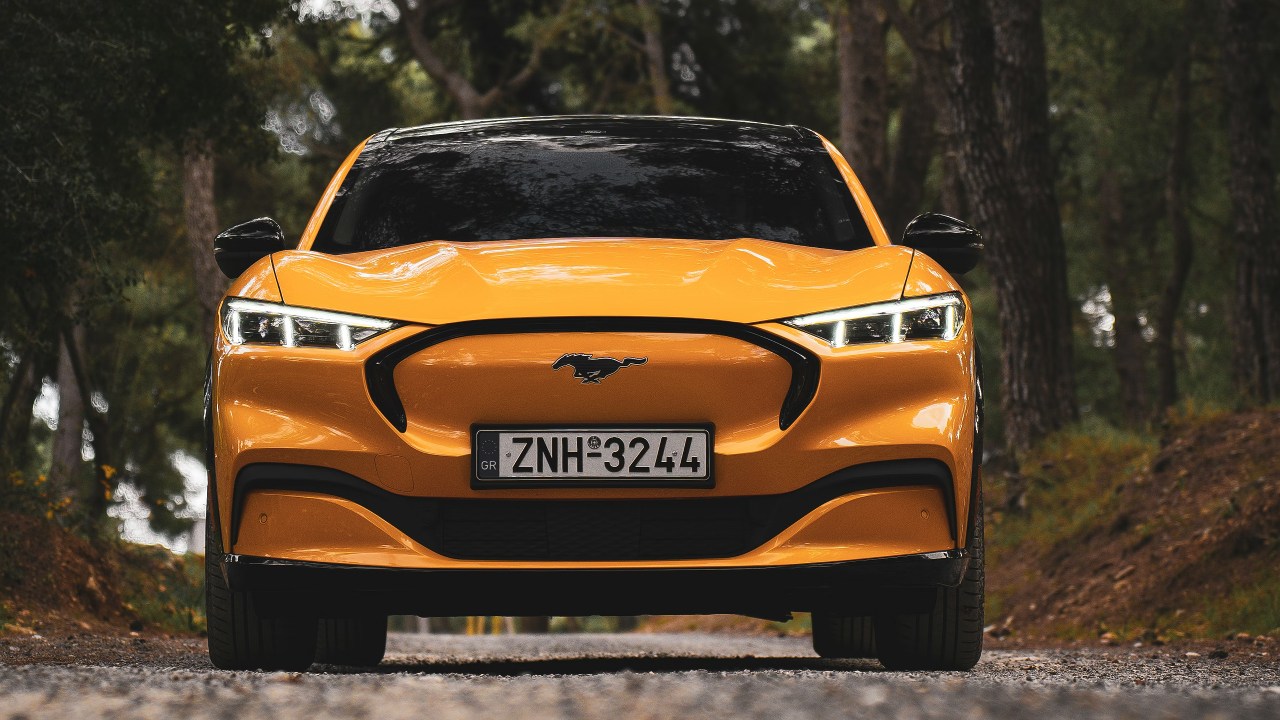
Motoring insiders do not just talk in generalities, they publish concrete shortlists that quietly steer the market. One motoring expert recently highlighted eight cars that look poised to gain serious status, including a flexible electric model that can be ordered as a five seater, a seven seater, a cargo van, or a 286hp four wheel drive GTX halo version. The same commentator, identified as Welham, notes that You can pick from five or seven seaters or that GTX model today, but predicts that the most interesting specifications will soon become hard to get hold of.
Independent testers echo that structured approach. A detailed feature on collectible potential explains how CR experts weigh in on what determines a car’s desirability, then share their own picks for models that could become classics twenty years from now. The piece, written By Devin Pratt, underlines that expert panels look beyond headline performance and consider reliability, running costs, and owner satisfaction when they forecast which cars will still feel desirable decades later.
Design objects, cult books, and the classics beyond cars
Collectors increasingly treat books and design pieces like they treat rare coupes and superminis. Readers on one influential forum argue that The Handmaid and its sequel, Testament, will stand as defining texts for future generations because they capture the fear and tension of modern politics in a way that remains accessible. One contributor writes that The Handmaid Tale and Testament will likely become modern classics because future readers may struggle to fathom how close the fiction came to reality.
Literary scholars already treat the original novel as a touchstone for contemporary dystopian writing. The book’s influence now stretches from television to political protest, where its red cloaks and white bonnets appear as shorthand for resistance to authoritarian control. Cultural databases that track major works of fiction highlight The Handmaid’s Tale as a central reference point, which strengthens the case that first editions and early tie in memorabilia will attract serious attention from collectors who focus on literature rather than machinery.
The quiet market in objects hiding in plain sight
Some of the most promising future classics already sit in living rooms and garages as unremarked everyday tools. Design curators point to humble household items that combine clever engineering with a distinctive look, arguing that people will only recognize their importance once newer technologies replace them. The conversation around future classics circa 2050 suggests that a simple lamp, chair, or speaker can gain cult status if it captures a shift in how people live or work.
Car buyers face a similar situation with current models that still feel ordinary on the street. Analysts who study long term values advise enthusiasts to look closely at limited trims, unusual color combinations, and early production runs of important models. They note that a seemingly standard valuation guide can hide clues about which specifications will later command premiums, especially when production quietly shifts to more generic setups.
Why scarcity, story, and design now matter more than badges
Brand prestige still helps, but it no longer guarantees future legend status on its own. Analysts now pay closer attention to the story behind a model, the context of its release, and the way it reflects broader shifts in technology or culture. One detailed framework stresses that Vehicles that embody a specific era, design philosophy, or technological leap stand out more than those that simply carry a famous badge.
That logic helps explain why some niche products already attract speculative interest. Collectors quietly track limited run accessories and branded objects that accompanied important cars or cultural releases, from special edition watches to rare scale models. Online marketplaces now list several such product lines that already show rising prices for early or unusual variants.
The investment play: reading signals before the crowd
Serious investors treat future classics as a long game that rewards patience and research. They study production numbers, option lists, and ownership costs, then cross check those details against cultural relevance and design quality. Detailed guidance on Future classics stresses that buyers should balance emotional appeal with practical considerations like parts availability and maintenance complexity.
Online marketplaces and search platforms now provide a rich trail of data for those willing to dig. Collectors can track how specific accessories, limited editions, or even related merchandise perform over time, using that information to gauge broader interest. Listings for niche automotive product ranges and design led product lines already show how quickly values can move once a small group of enthusiasts decides that an item represents a key moment in automotive or cultural history.


Leave a Reply