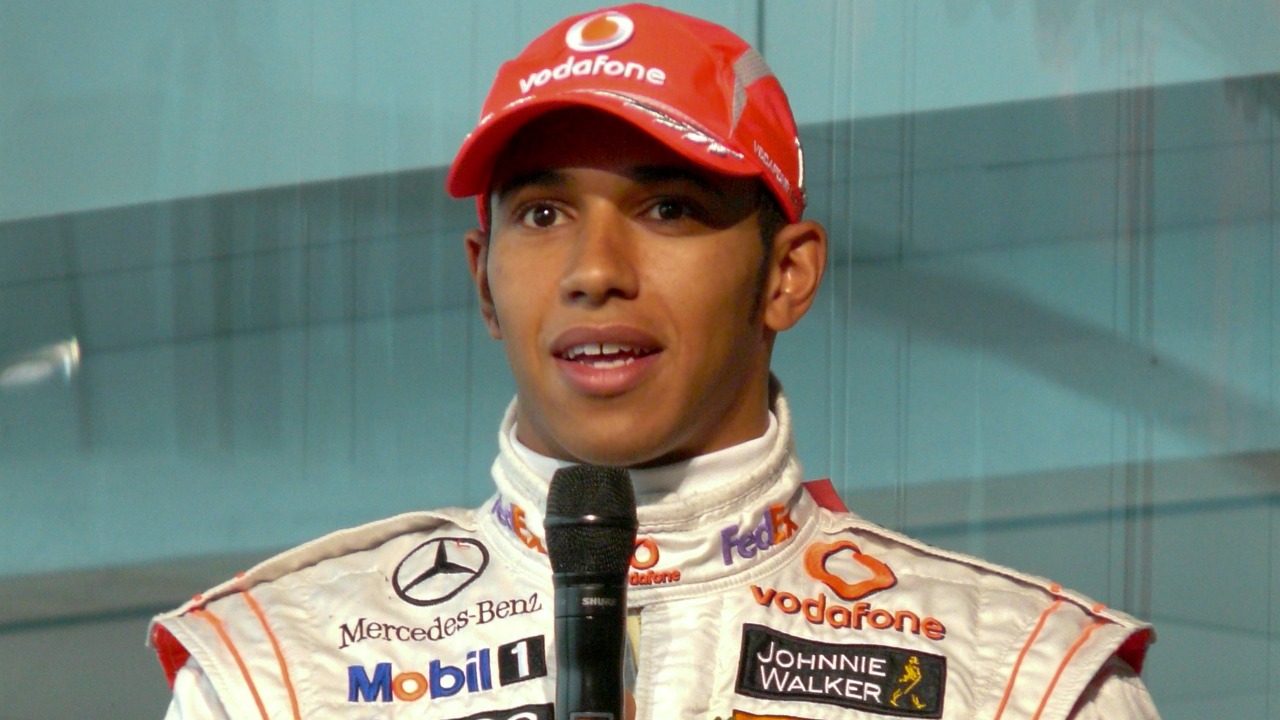
On a soaked afternoon at Silverstone in 2008, Lewis Hamilton did more than win his home race. He redrew the limits of what a Formula 1 driver could do in the rain, turning a treacherous British Grand Prix into a lesson in control, courage and calculation. More than a decade later, that performance still stands as the benchmark for wet-weather brilliance, the day Hamilton’s reputation as a rain master hardened into something close to legend.
What unfolded that day was not simply a dominant victory but a complete reimagining of how to manage risk, tyres and traffic when the track is on the edge of undriveable. In a field of world champions and title contenders, Hamilton found grip where others found chaos, and he did it with a level of precision that continues to shape how modern drivers and teams think about racing in the wet.
The storm that set the stage
The 2008 British Grand Prix arrived at a volatile moment in the title fight, with Hamilton under pressure to reassert himself in front of a home crowd that expected nothing less than a charge to the front. The weather turned that expectation into a high-wire act, as heavy rain left Silverstone slick, unpredictable and ready to punish the slightest lapse in judgement. In those conditions, the race quickly became a test of nerve as much as speed, with the spray so dense that drivers were often guessing at braking points and grip levels rather than seeing them.
From the opening laps, the field fractured into those who could survive the conditions and those who could exploit them, and Hamilton immediately placed himself in the second group. Reports on his performance describe how the wet-weather masterclass began with decisive moves in the opening laps, as he attacked rivals who were still feeling their way into the conditions. The combination of a treacherous track and a title battle in flux meant every decision carried outsized consequences, yet Hamilton’s aggression was matched by a striking level of control that set the tone for the rest of the afternoon.
How Hamilton turned chaos into control
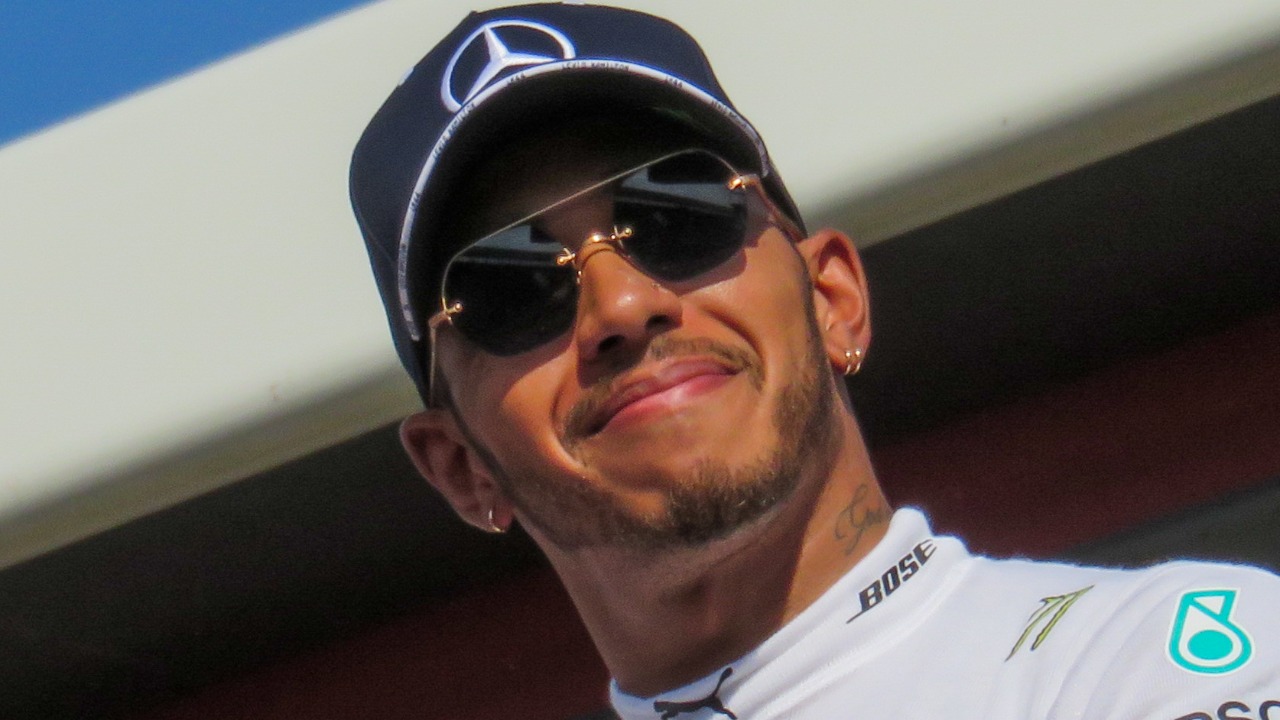
What separated Hamilton that day was not just raw pace but the way he read the evolving grip, lap after lap, while others were simply trying to stay on the road. As the rain intensity shifted and standing water built up in different corners, he adapted his lines, braking points and throttle application with a fluidity that made the car look planted while others snapped into spins. Analysis of his drive notes how the sophomore F1 driver effectively created a league of his own at Silverstone, building a rhythm that allowed him to push while rivals tiptoed.
That rhythm translated into a crushing advantage on the stopwatch. In the closing stages, Hamilton’s pace was so relentless that he was able to lap cars that had started the day as realistic podium threats, a visual confirmation of the gulf in confidence and feel. Later breakdowns of the race highlight how his ability to find grip on the racing line and off it turned the British Grand Prix into a showcase of judgement under pressure, with his drive ranked among the sport’s greatest races for the way it combined outright speed with strategic clarity.
The margin that stunned the paddock
In Formula 1, winning margins are usually measured in tenths or a handful of seconds, especially in a title-contending car. Hamilton’s victory at Silverstone tore up that convention. By the chequered flag, he had pulled so far clear that the result looked more like a different formula entirely than a standard grand prix. The scale of that dominance is one of the reasons the race is still cited as a defining moment in his career.
Contemporary assessments of the drive underline just how extreme the gap was, noting that Hamilton’s winning margin over Nick Heidfeld was a staggering 68.577 seconds. That figure, attached to Hamilton and Nick Heidfeld, is not just a statistic but a measure of how completely he mastered the conditions while others floundered. In the context of modern F1, where performance is tightly controlled and margins are usually razor-thin, that kind of gap in a rain-hit race is almost unheard of.
Why Silverstone 2008 still defines wet-weather greatness
Over time, Hamilton has produced a catalogue of standout drives in the rain, from his precision in Monaco to late-career charges in changing conditions. Yet the 2008 British Grand Prix continues to be singled out as the purest expression of his feel in the wet. Lists of the sport’s greatest rain performances routinely place Lewis Hamilton and the 2008 British Grand Prix In the top tier, emphasising how he gained positions off the line and then controlled the race on a track that caught out even seasoned veterans. That combination of a home crowd, a live championship battle and treacherous conditions gave the performance a resonance that still shapes how his career is judged.
The race has also become a reference point in broader discussions of Silverstone’s history. Guides to the circuit’s most memorable moments highlight how Hamilton, listed as Hamilton and Lewis Hamilton, stormed to victory in the wet in 2008, noting how he carved through the field at Silverstone to challenge his team-mate for the lead. Another retrospective frames 2008 as a Masterclass in the Wet In classic British conditions, describing how Hamilton (Lewis Hamilton) put on an absolute clinic in wet-weather driving at the British circuit. When multiple independent looks at the track’s history converge on the same race as a defining moment, it underlines just how deeply that afternoon is etched into the sport’s collective memory.
The drive that reshaped Hamilton’s legacy
For Hamilton himself, Silverstone 2008 was more than a single great day, it was a pivot point in how he was perceived by rivals, teams and fans. The performance helped reframe him from a fast young contender into a driver who could bend the most hostile conditions to his will. Later rankings of his career highlight how that British Grand Prix helped him reclaim title momentum and is consistently grouped among his greatest races, precisely because it fused championship stakes with a level of execution that few could match.
The race has also become a touchstone in fan culture. Video compilations and archival clips, such as the Silverstone 2008: Hamilton’s wet weather masterclass Video, keep the images of his car slicing through spray alive for new audiences. Social media tributes describe how Hamilton, in a race filled with rain, zero grip and sliding cars, turned what began as a struggle into one of his most intelligent, controlled and legendary wins ever. When fans and analysts reach for examples of his greatness, Silverstone in the wet is rarely far from the conversation.
How Silverstone 2008 still shapes the way we watch the rain
Hamilton’s masterclass has also become a measuring stick for every wet race that has followed, particularly at Silverstone itself. When rain arrived again at the British Grand Prix in 2024, analysis of the race noted how the outcome might have been very different if the weather had behaved another way. One breakdown observed that, Had the showers skirted the circuit rather than soaking it, Had the rain somehow blown around Silverstone, Russell probably would have won before the changing conditions helped unravel his race. The comparison is implicit but powerful, every new wet British Grand Prix is held up against the standard Hamilton set in 2008.
Beyond Silverstone, his broader reputation in the rain has been reinforced by other standout drives. At Monaco, for example, Hamilton (Lewis Hamilton) has been praised for supreme car control and fearless precision as he carved his way through the field, a quality highlighted in lists of iconic moments from the principality. When fans debate the greatest wet-weather drivers, they often point to a body of work that stretches from Silverstone to Monaco and beyond, with 2008 as the foundational chapter.
The enduring weight of a single race
What makes the 2008 British Grand Prix so enduring is how it continues to inform Hamilton’s place in the sport even as his career has evolved. Later reflections on his journey, including posts looking back at his move from McLaren to Mercedes and the arc that followed, often circle back to his ability to deliver on days when others falter. One fan, reflecting on Hamilton’s final race for Mercedes after six championships in 12 years, admitted they had not followed F1 in about 2.5 years but still described Hamilton as the greatest F1 driver of all time, a sentiment rooted in memories of days like Silverstone in the rain.
Even within curated lists of his achievements at his home circuit, the 2008 race is treated as a high point. Overviews of his nine Silverstone wins note how he went from spectacularly mastering the rain to crossing the line on three wheels in later years, but they consistently single out that early triumph as one of his greatest drives. When I look at how the sport still talks about that afternoon, from formal rankings of Best Drives to fan-made tributes, it is clear that Hamilton did more than win a race in the rain. He set a standard for wet-weather excellence that every future storm at Silverstone will be judged against, and in doing so, he rewrote what Formula 1 brilliance can look like when the skies open.