
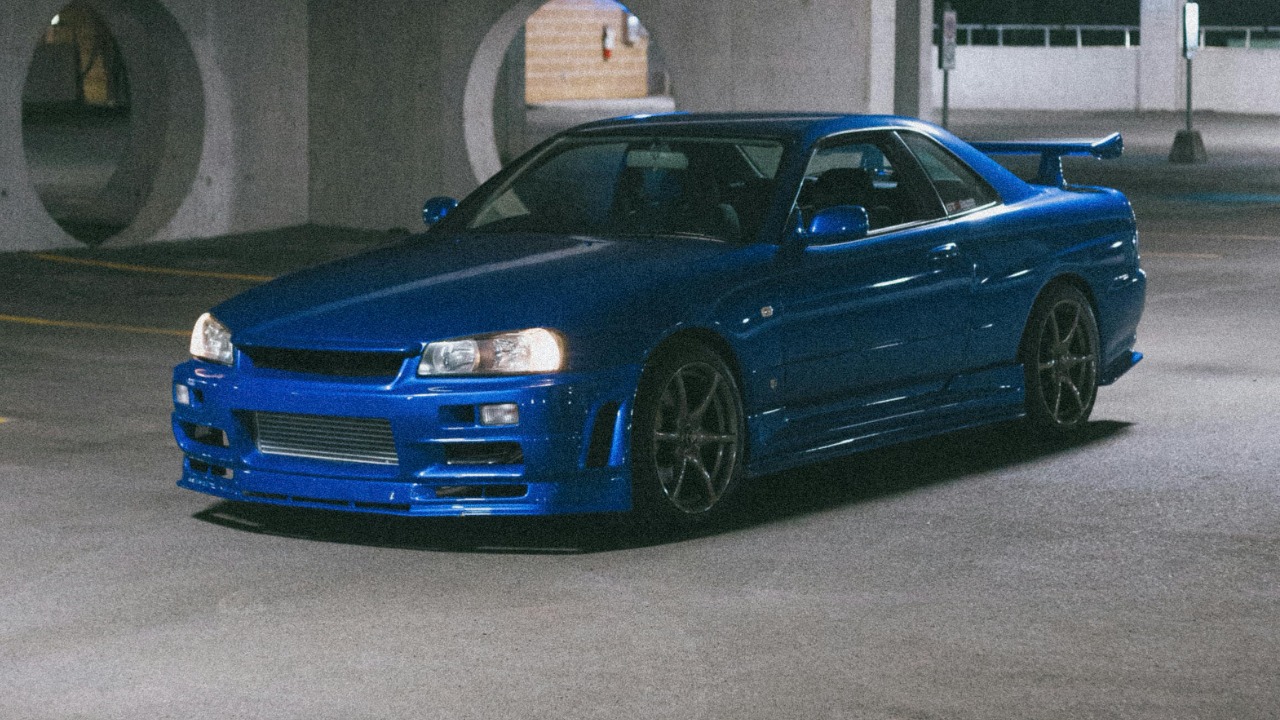
Japanese performance cars now command the kind of reverence once reserved for Detroit’s loudest V8s, and values reflect it. Collectors chase clean examples, tuners push record power, and younger drivers treat these machines as the new benchmark for attainable speed.
How Japanese icons earned muscle-car credibility
Enthusiasts increasingly compare classic Japanese performance models with American muscle because both camps prioritize straight-line thrust and emotional drama. I see that shift most clearly in how buyers talk about torque, quarter-mile times, and modification potential rather than only heritage or badge prestige. Collectors who once hunted only Chevrolet Chevelle SS or Dodge Charger R/T now cross-shop turbocharged Japanese coupes that deliver similar thrills with smaller displacement and advanced engineering. That mindset treats a well-sorted Nissan Skyline GT-R or Toyota Supra as a peer to traditional big-block legends rather than a quirky alternative.
Market behavior reinforces that perception as auction results for clean Japanese performance cars climb into territory once dominated by classic Detroit iron. Buyers pay significant premiums for low-mileage examples, documented ownership histories, and unmodified drivetrains, mirroring long-standing habits around collectible American muscle. Tuners then validate the performance narrative by extracting huge power from factory turbo engines while maintaining daily drivability, a combination that muscle platforms historically struggled to match. Those overlapping priorities around speed, scarcity, and story now place Japanese classics firmly inside the same enthusiast conversation as the most celebrated American V8 coupes.
Nissan Skyline GT-R: the all-wheel-drive giant killer
Nissan’s Skyline GT-R family, particularly the R32, R33, and R34 generations, rivals American muscle because it delivers brutal acceleration with sophisticated control. I view the R32 GT-R as a turning point, since its all-wheel-drive system and twin-turbo inline-six embarrassed larger, heavier rivals on track and street. Enthusiasts nicknamed it a giant killer because it routinely outpaced more powerful cars, which mirrors how early muscle models humbled expensive European machinery. That reputation now drives collectors to treat clean GT-Rs as blue-chip assets, especially as import rules open access to previously forbidden variants.
Later Skyline GT-R generations strengthened that muscle-rival status by pairing aggressive styling with tunable drivetrains that comfortably handle big power increases. Tuners regularly push RB26DETT engines far beyond factory output while maintaining reliability, a trait that echoes the stout bottom ends of classic American V8s. Owners often chase four-figure horsepower builds while still driving to work, which blurs the line between drag-strip toy and practical performance car. As values climb and parts support remains strong, I see the Skyline GT-R occupying the same cultural lane as iconic American muscle coupes that enthusiasts modify, race, and collect for decades.
Toyota Supra and Mazda RX-7: turbo legends with cult status
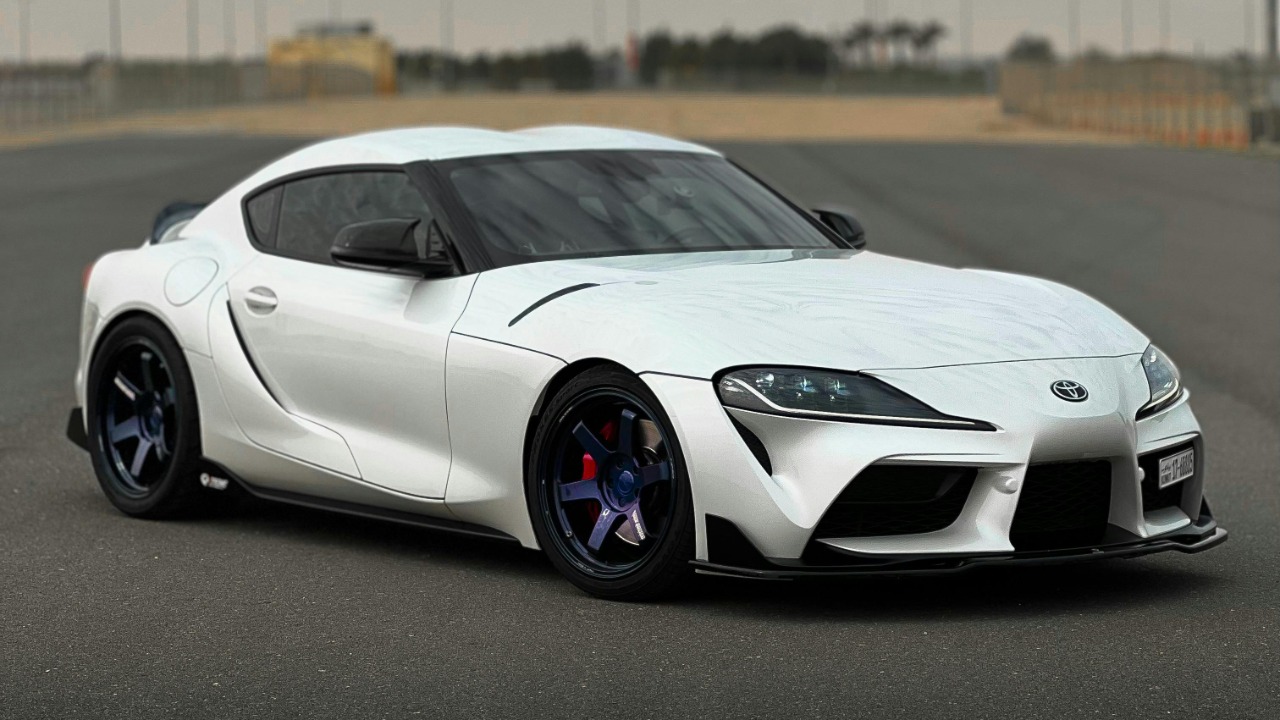
Toyota’s Supra, especially the fourth-generation A80, now stands shoulder to shoulder with American muscle because it combines huge tuning headroom with unmistakable presence. I often hear owners describe the 2JZ-GTE engine as a modern counterpart to classic small-block V8s, thanks to its strength under heavy boost. Builders routinely double or triple factory power figures while retaining street manners, which mirrors how muscle fans bolt on superchargers and nitrous kits. That blend of durability, rear-wheel-drive balance, and aggressive styling gives the Supra the same poster-car aura that once belonged almost exclusively to Detroit coupes.
Mazda’s RX-7 takes a different path to muscle-rival performance by using a lightweight rotary engine and low curb weight instead of displacement. I find that enthusiasts respect its high-revving character and sharp handling in the same way they admire nimble small-block pony cars. Turbocharged variants deliver serious straight-line speed, yet the chassis rewards precise driving, which broadens its appeal beyond drag racing. As clean FD-generation RX-7s grow rarer and more valuable, their combination of distinctive engineering and tuner potential places them firmly among the most sought-after performance cars of their era.
Mitsubishi Lancer Evolution and Subaru WRX STI: rally-bred street brawlers
Mitsubishi’s Lancer Evolution and Subaru’s WRX STI rival American muscle by translating rally technology into explosive street performance that feels raw and mechanical. I see them as four-door muscle cars for drivers who need practicality but refuse to sacrifice acceleration or engagement. Turbocharged four-cylinder engines, aggressive all-wheel-drive systems, and short gearing deliver the same shove-in-the-seat sensation that defines classic V8 coupes. Owners often treat these sedans as blank canvases for bolt-on power upgrades, exhaust systems, and suspension tuning, echoing decades of muscle-car modification culture.
These rally-bred machines also challenge muscle cars by offering year-round usability without diluting their performance focus. I notice that drivers in colder climates gravitate toward Evolution and WRX STI models because all-wheel drive lets them exploit power on imperfect roads. That usability broadens the audience beyond weekend cruisers and track-day regulars, which historically limited some rear-wheel-drive muscle platforms. As special editions and final-year models gain collector attention, the market increasingly treats these turbo sedans as modern classics rather than disposable tuner cars.
Honda NSX and Acura Integra Type R: precision over brute force
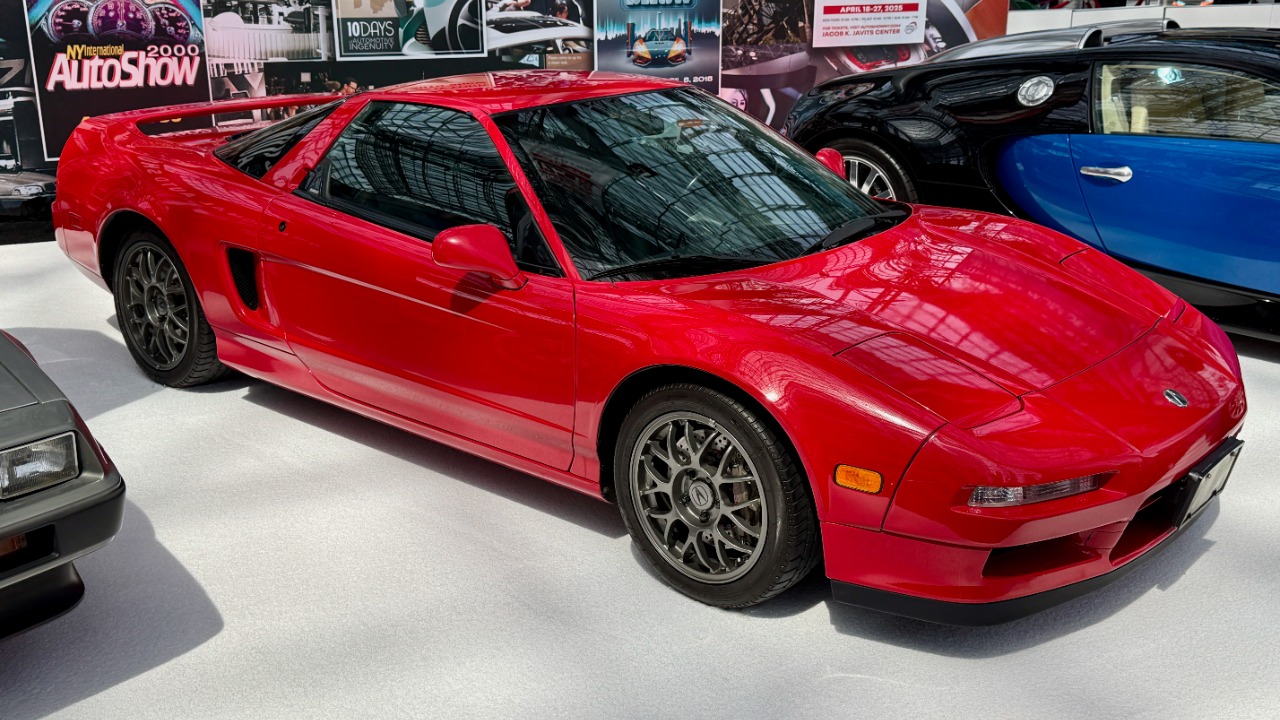
Honda’s NSX rivals American muscle from a different angle by proving that precision engineering and balance can match raw displacement for driver satisfaction. I view the original NSX as a bridge between exotic supercars and everyday sports coupes, with reliability and usability that muscle owners appreciate. Its mid-engine layout, high-revving V6, and aluminum construction deliver performance that feels surgical rather than overwhelming, yet still deeply emotional. That approach challenges the notion that only big torque defines a serious performance car, expanding the definition of what muscle-level excitement can mean.
The Acura Integra Type R reinforces that argument by extracting remarkable pace from a relatively modest engine through weight reduction and meticulous tuning. I often hear enthusiasts compare its character to lightweight American pony cars that prioritize agility over sheer straight-line dominance. The B18C5 engine’s willingness to rev and the chassis’ razor-sharp responses create an intensity that rivals far more powerful machines. As surviving examples with original components become scarce, collectors increasingly treat the Integra Type R as a benchmark for front-wheel-drive performance and a legitimate peer to revered muscle coupes.


Leave a Reply