The 1970s didn’t just kill off high compression—it quietly buried some serious muscle machines. While everyone remembers the GTO, Charger, and Mustang, a handful of bruisers slipped through the cracks. Some had short production runs, others were victims of marketing misfires or shifting priorities at the factory. But make no mistake—these forgotten cars could run hard, looked the part, and deserve a second glance. Let’s take a look at ten muscle cars from the ’70s that vanished before most people even knew they existed.
1971 AMC Matador Machine

AMC’s Machine package didn’t die with the Rebel. For 1971, they moved it over to the Matador—though few noticed. Only a handful were built with the optional 401 V8, putting out 330 hp and backed by a beefy 4-barrel carb. It had all the right muscle-car cues: stripes, scoops, and buckets. It just didn’t have the right name.
The Matador Machine got buried under AMC’s marketing shuffle and a crowded lineup. It was overshadowed by the Javelin and AMX, and with no strong brand push, it faded fast. Today, finding one is nearly impossible—and most people wouldn’t recognize it if they did.
1973 Pontiac Grand Am 455
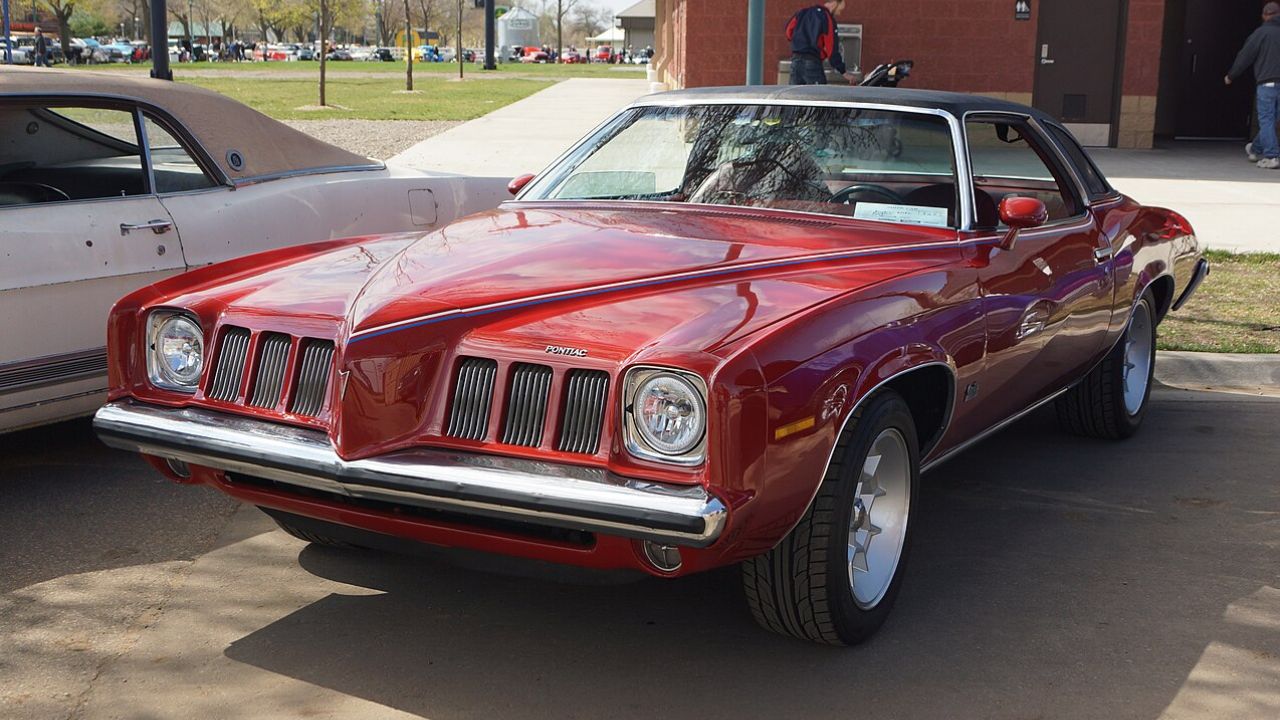
Before the Grand Am went front-wheel-drive, it had some teeth. The 1973 model could be ordered with a 455 HO V8, delivering 250 net horsepower and healthy torque. It shared the Colonnade body with the LeMans but had Euro-style touches like a flexible nose and a strut-style front suspension.
It was meant to fight BMWs and Buicks at the same time, and that was a problem. Pontiac marketed it as both luxury and performance, which confused buyers. Combine that with the rising cost of gas and insurance, and the 455 Grand Am became an afterthought.
1970 Chrysler 300 Hurst
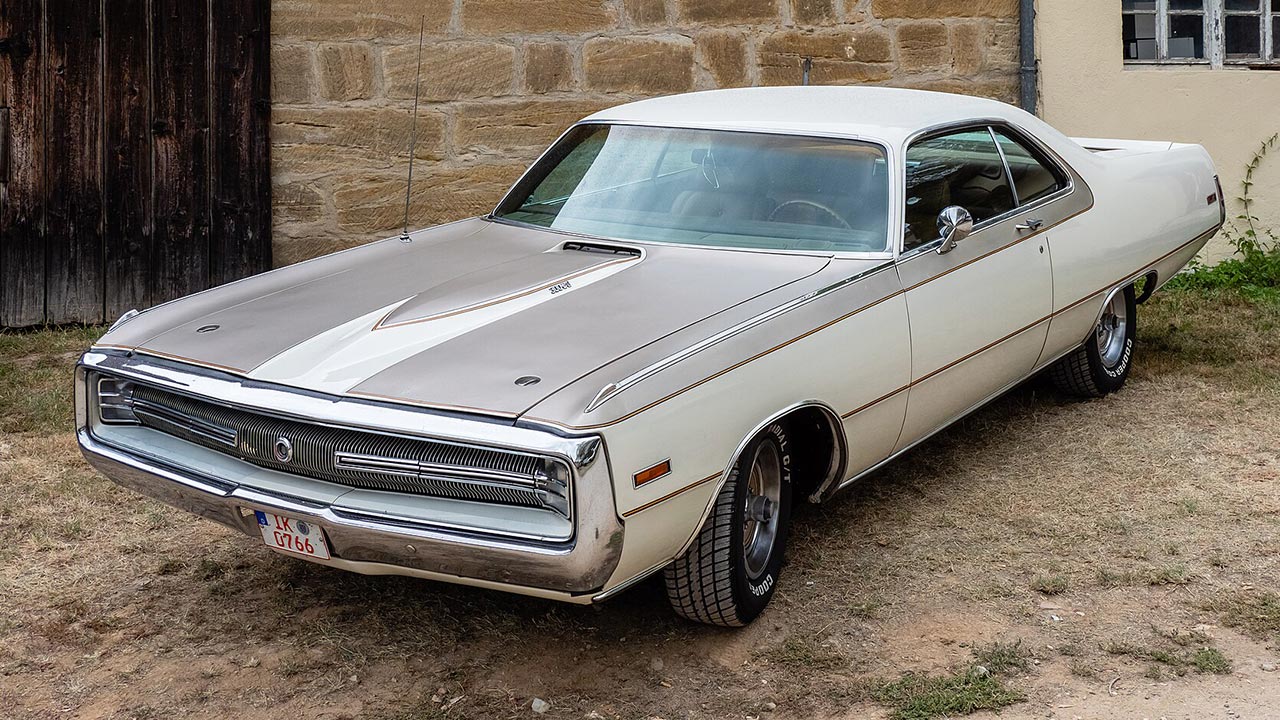
Only 485 were made, and it wasn’t exactly a sales success. But the 300 Hurst packed a 440 Magnum under its long hood and featured a fiberglass trunk lid and hood inserts from Hurst. It rode on torsion bars up front, leafs in the rear, and looked every bit the luxury missile it was.
Despite Hurst branding and a big-block under the hood, it never really caught on. Too heavy, too expensive, and too much like a personal luxury coupe, it was overlooked in muscle circles. Still, it was one of Chrysler’s last gasps of big-block performance before things got soft.
1970 Mercury Cyclone Spoiler
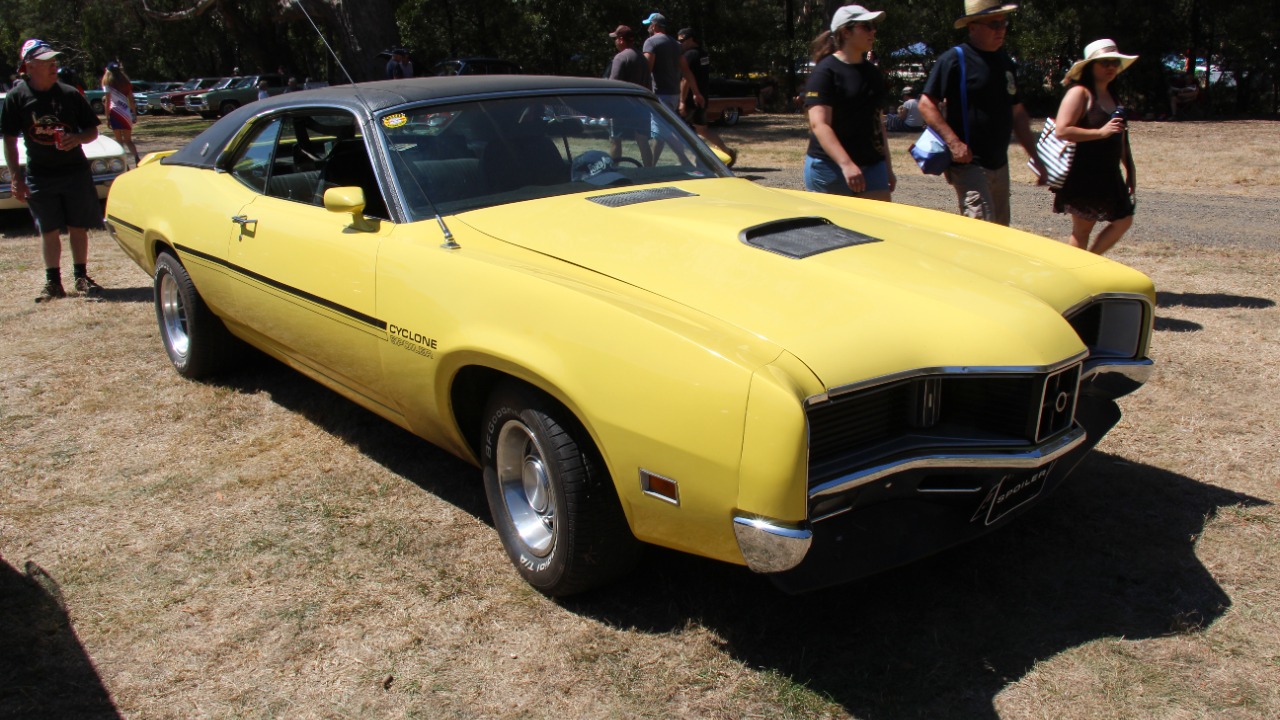
This was Mercury’s version of the Torino Cobra, and it came with serious hardware: a 429 Cobra Jet V8, Ram Air, and a factory-rated 370 horsepower. With unique stripes, hideaway headlights, and functional scoops, it had all the muscle flair—but it got lost in Ford’s massive lineup.
The Cyclone Spoiler was fast, but Mercury never had the same street cred as its Ford cousins. It didn’t help that NASCAR connections weren’t emphasized the way Dodge pushed the Charger Daytona. Today, it’s a forgotten heavyweight with all the right DNA.
1975 Oldsmobile Omega SX
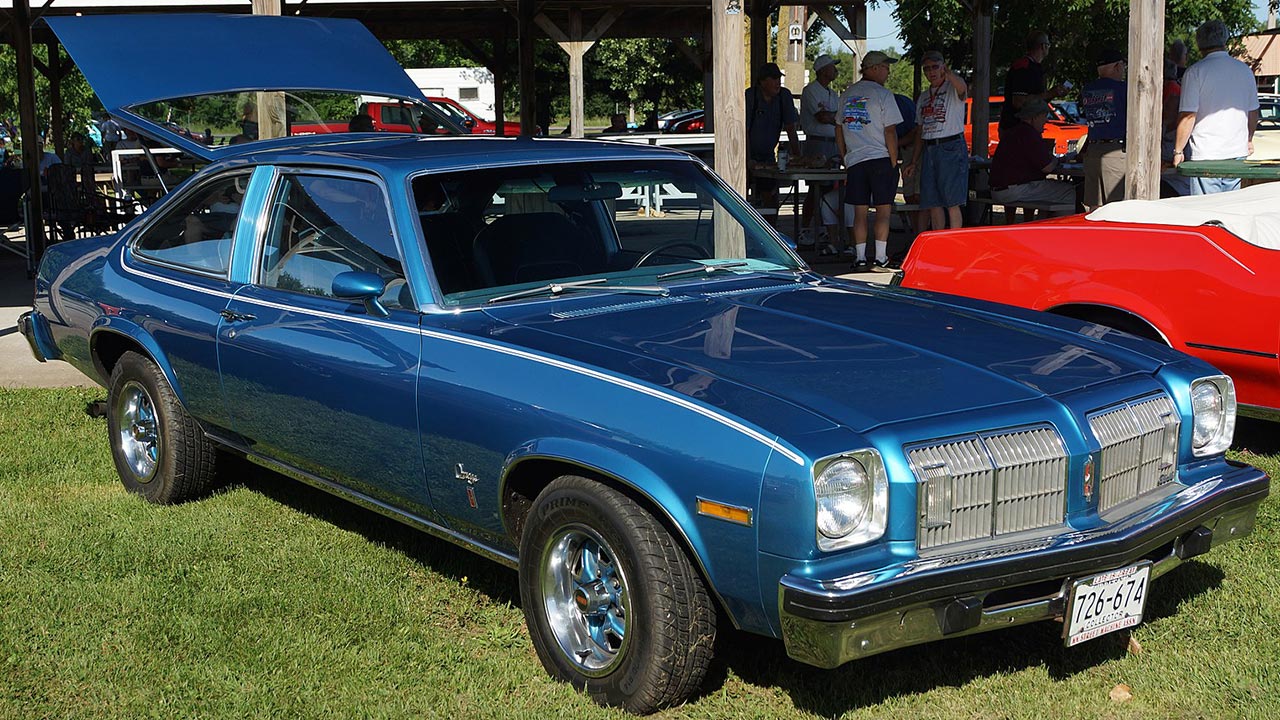
In 1975, Oldsmobile quietly slid a 350 4-barrel V8 into the compact Omega under the SX trim. It was part of GM’s X-body family, sharing its bones with the Nova. The SX was a one-year-only package that gave buyers a sleeper with some genuine V8 punch and buckets.
But it got no attention. By the mid-’70s, the performance game was mostly over, and Oldsmobile wasn’t about to make noise about a warmed-up compact. It vanished after one year, making it one of the rarest sleeper muscle compacts you’ve probably never heard of.
1971 Dodge Charger Super Bee

The Super Bee name moved from the Coronet to the Charger in 1971, but the magic didn’t follow. You could still get a 440 Six Pack or even a Hemi, though most buyers went for the standard 383 Magnum. It had the goods but felt more like a trim level than a performance flagship.
Sales dropped hard, and by 1972, the Super Bee was dead. Dodge was already leaning toward luxury trims and special editions. The 1971 Bee had muscle car heart but lacked identity in a lineup that was becoming more about style than speed.
1974 Plymouth Duster 360
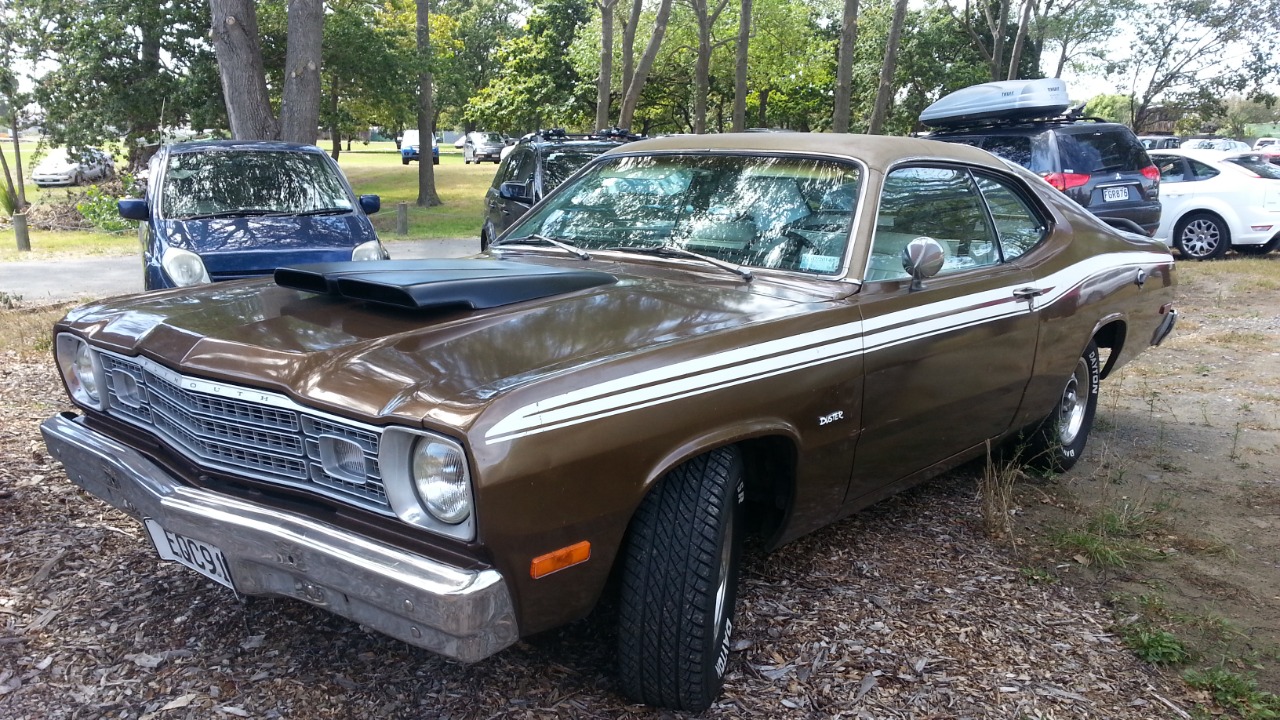
A Duster with a 360 small-block may not sound rare, but the ’74 version was the last to pack real punch before emissions rules took over. With 245 net horsepower and a curb weight around 3,100 pounds, it could run the quarter in the high 14s.
It didn’t scream muscle car, and it wasn’t expensive, but that was the point. Plymouth gave buyers a way to go fast without breaking the bank, but no one remembers it that way. It’s always the 340 Duster that gets the love, even though the 360 had just as much street cred.
1976 Chevrolet Laguna Type S-3
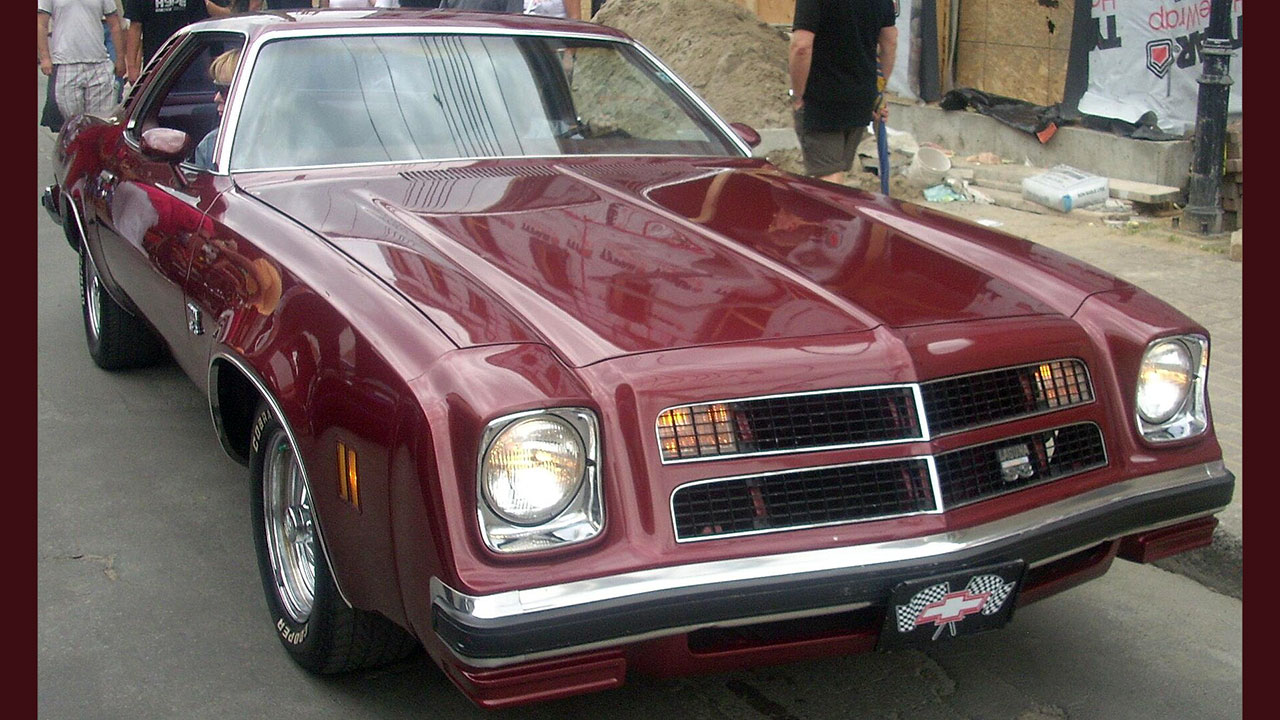
NASCAR gave this one a shot in the arm. The S-3 package added aero tweaks and a sloped nose that actually helped on the track. Under the hood, the 454 was still available (barely), and you could option it with a TH400 and 3.42 gears.
But it wasn’t sexy enough to be a Camaro or Chevelle, and by ’76, the muscle car crowd had moved on. Chevy dropped the Laguna after that year, leaving behind a strange mix of performance and comfort that never got its due.
1970 Buick GS 455 Stage 1 Convertible
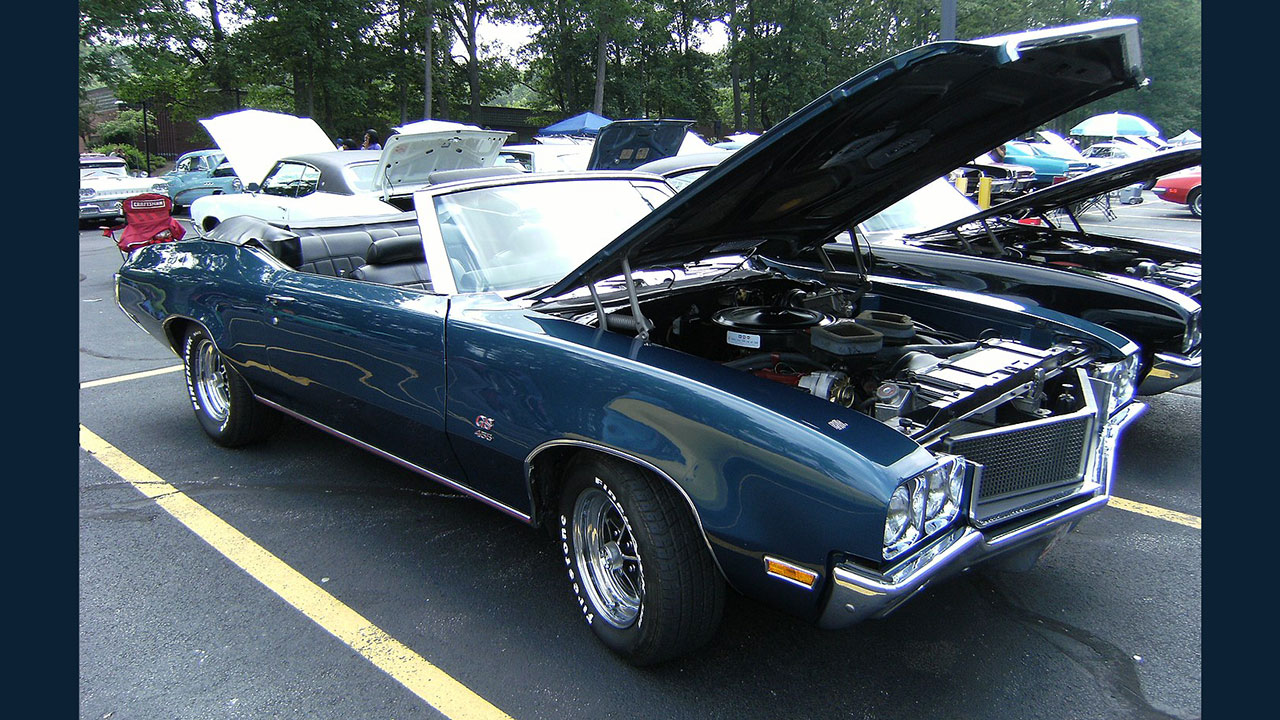
Everyone talks about the hardtop Stage 1, but the convertible version was far rarer. Buick built just 232 drop-tops with the 455 Stage 1, a motor that cranked out 510 lb-ft of torque. That’s still monstrous by any standard.
Despite its brute power, it was wrapped in a quiet, smooth-riding shell. Many buyers didn’t push these cars hard, and that might be why few remember how quick they actually were. The convertible GS 455 Stage 1 was one of the fastest muscle cars of the era, but you wouldn’t know it at a glance.
1971 Ford Torino GT 429
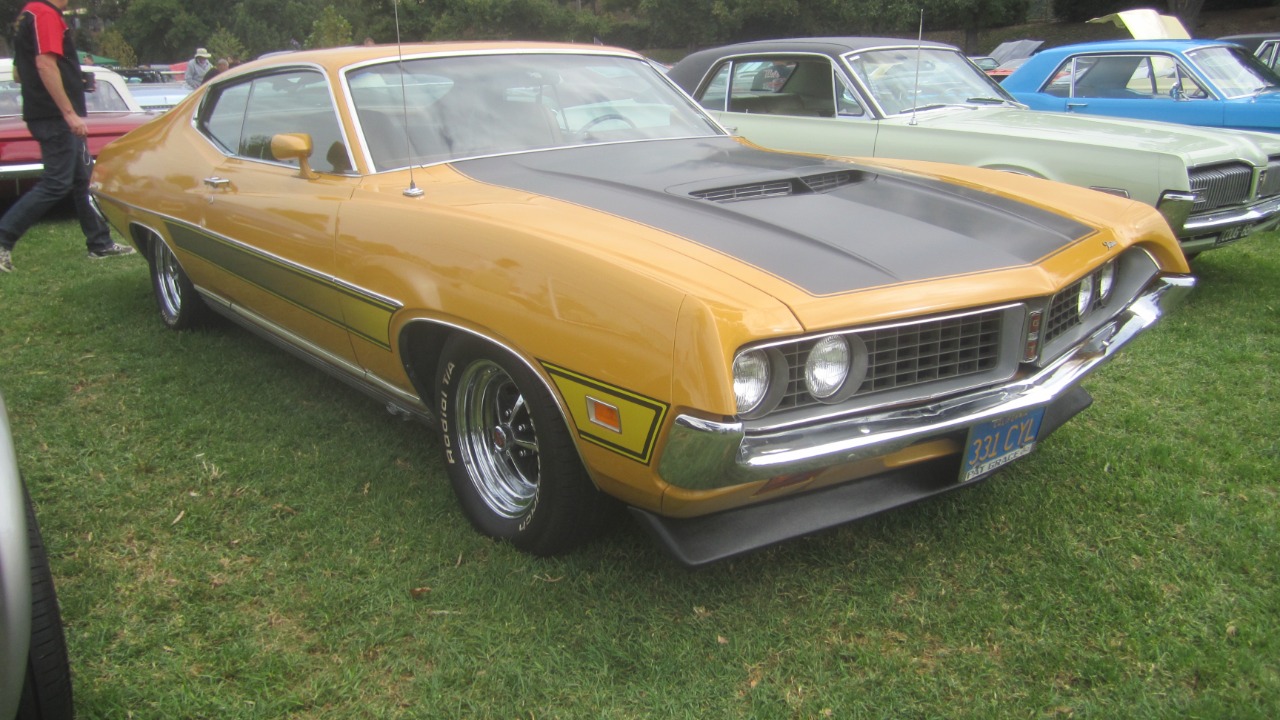
The 429 Cobra Jet was still on the menu in ’71, and the Torino GT could be ordered with it—complete with Ram Air and a C6 automatic. Rated at 370 hp, it was a serious threat at the stoplight. You just had to get past the oversized ’71 styling.
Sales dropped sharply from 1970, and Ford never fully committed to the GT trim’s performance identity. The muscle was still there, but the image faded fast. After ’71, Ford’s focus moved to intermediates and personal luxury cars, leaving this one behind.
Like Fast Lane Only’s content? Be sure to follow us.
Here’s more from us:
*Created with AI assistance and editor review.