
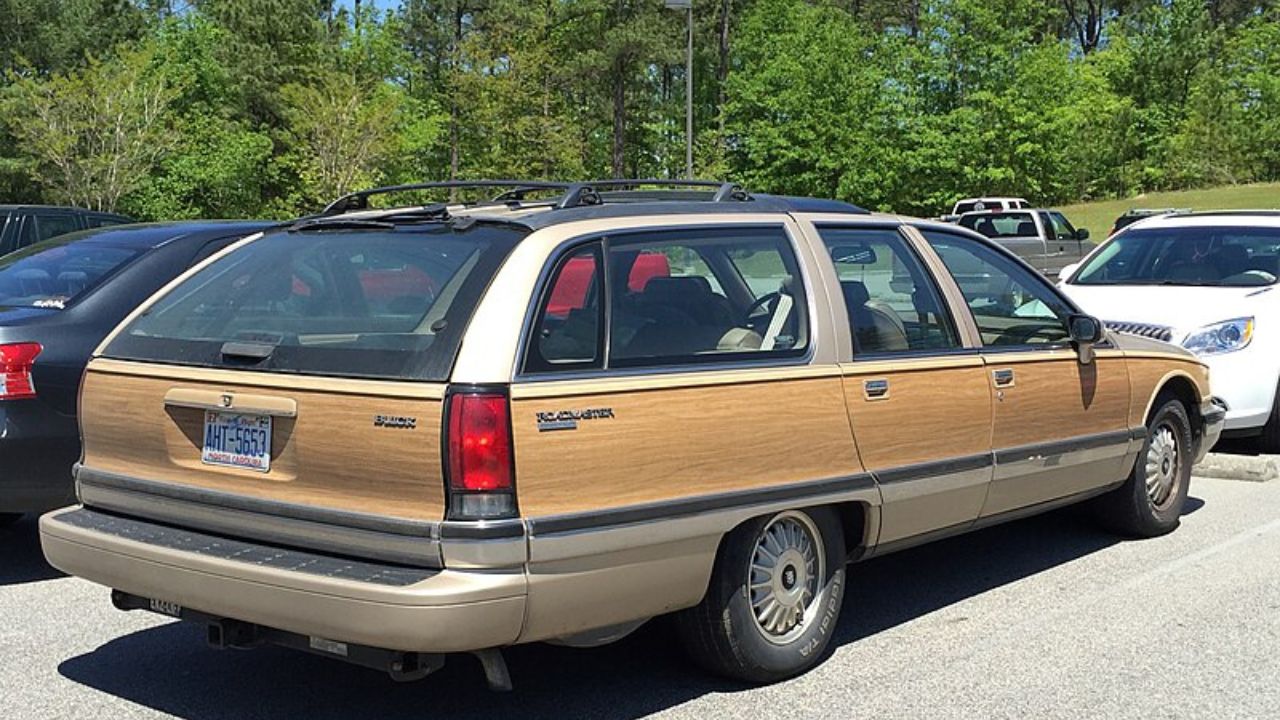
The Buick Roadmaster Estate Wagon of the mid-1990s came with the same LT1 5.7-liter V8 used in the Corvette. This wasn’t your average suburban grocery-getter—it was a rear-wheel-drive sleeper with real muscle under the hood. Big, comfortable, and surprisingly quick, the LT1-powered Roadmasters offered a rare blend of American luxury and raw power. Here are some facts that prove this wagon meant business.
It used the same LT1 as the Corvette
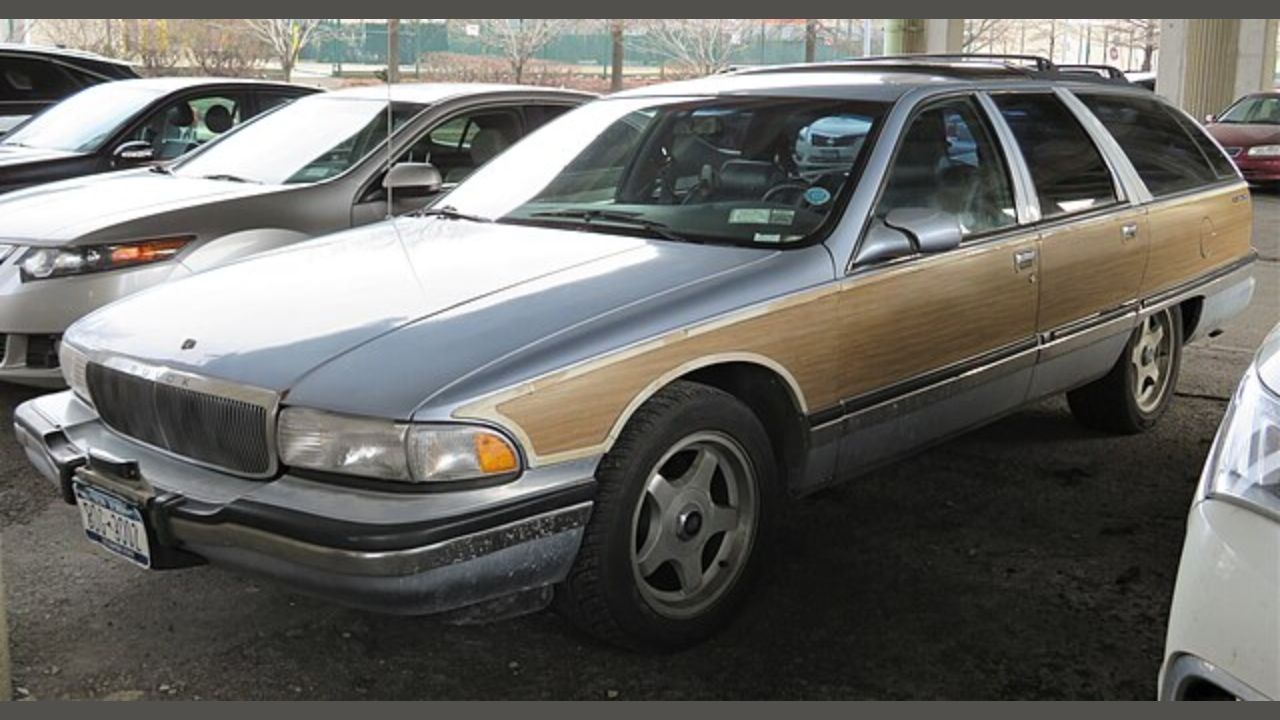
Starting in 1994, the Roadmaster Estate got the 5.7-liter LT1 V8, producing 260 hp and 330 lb-ft of torque. It was detuned from the Corvette version but still plenty capable.
The LT1 pushed the 4,400-pound wagon to 60 mph in around 7.5 seconds. It ran through a 4L60-E automatic and used rear-wheel drive—serious drivetrain cred for a full-size wagon.
It had a tow rating most SUVs would envy
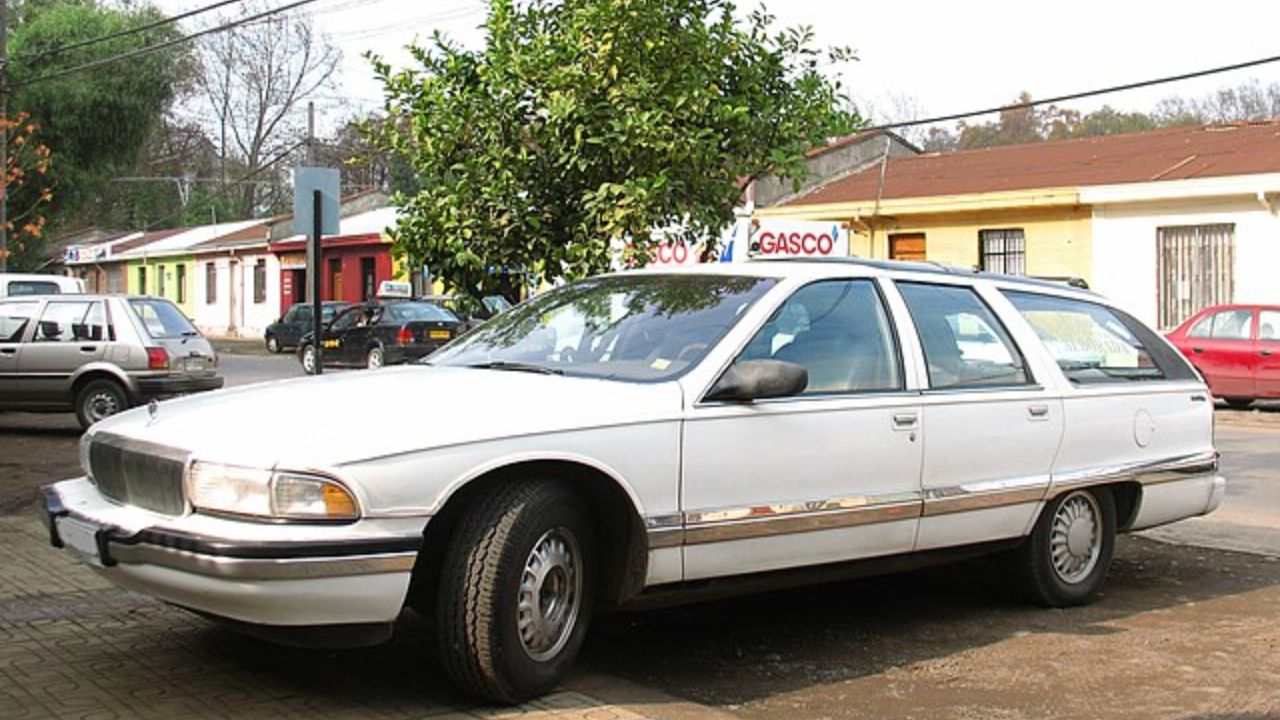
Despite its luxury looks, the Roadmaster Estate could tow up to 5,000 pounds when equipped with the factory towing package. That included a limited-slip rear differential and upgraded cooling.
This wasn’t just for show. It had a full-perimeter frame, heavy-duty suspension, and a long wheelbase. The towing package made it a genuine workhorse—especially for road trips with trailers or boats.
The rear-facing third-row seat made it a true family hauler
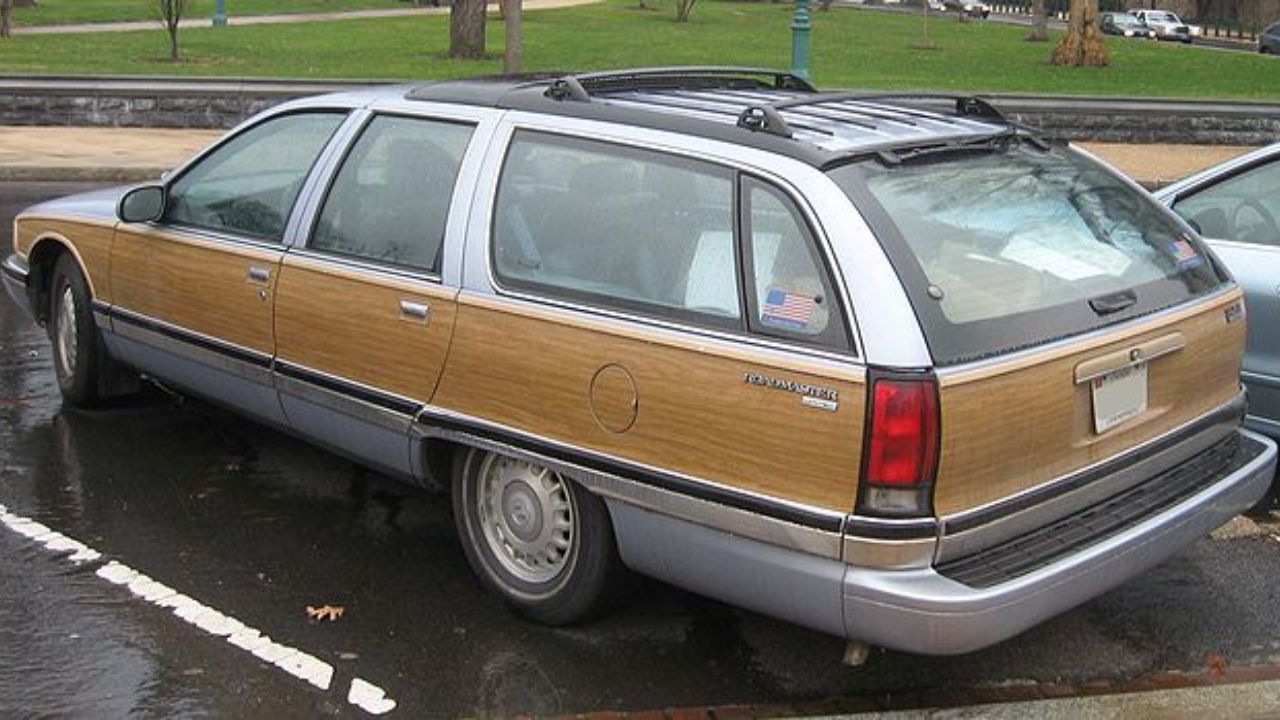
The Roadmaster wagon seated up to eight thanks to a rear-facing third row that folded flat. It was a nod to an earlier era of American wagons.
With the third row down, cargo space ballooned to over 74 cubic feet. Whether you were hauling plywood, sports gear, or kids, the Roadmaster could carry it without complaint—and look cool doing it.
It came loaded with real features
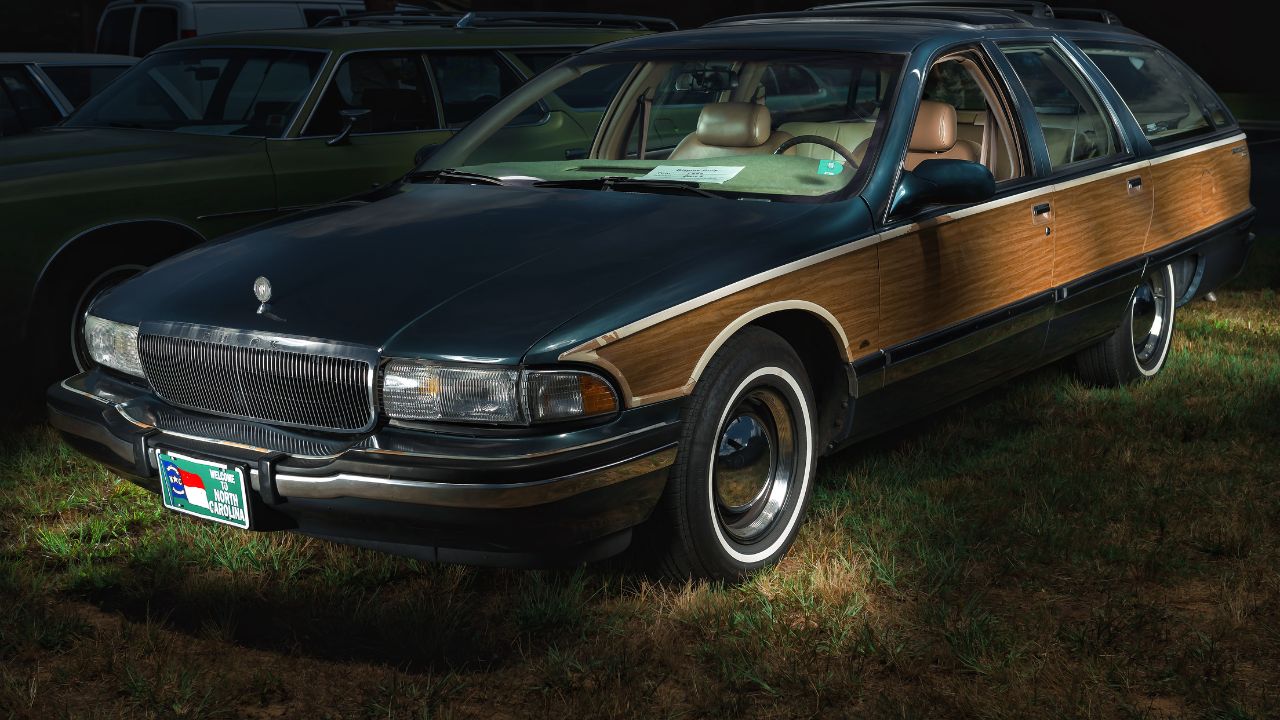
Buick didn’t skimp on the Roadmaster’s equipment. Power seats, leather upholstery, automatic climate control, and even twilight-sensing headlights came standard or optional.
By 1996, it had dual airbags and an electronically tuned radio with a power antenna. This wasn’t a stripped-down utility wagon—it was a luxury cruiser with a powertrain that could haul.
The “wood” trim was purely cosmetic—but memorable

The simulated Di-Noc woodgrain down the sides wasn’t structural, but it gave the wagon a unique throwback charm. It was purely decorative and could be deleted if buyers wanted a cleaner look.
While some scoffed, the faux-wood sides became part of its identity. Today, they’re often what people remember most—either lovingly or ironically—when they spot one on the road.
Production numbers were surprisingly low
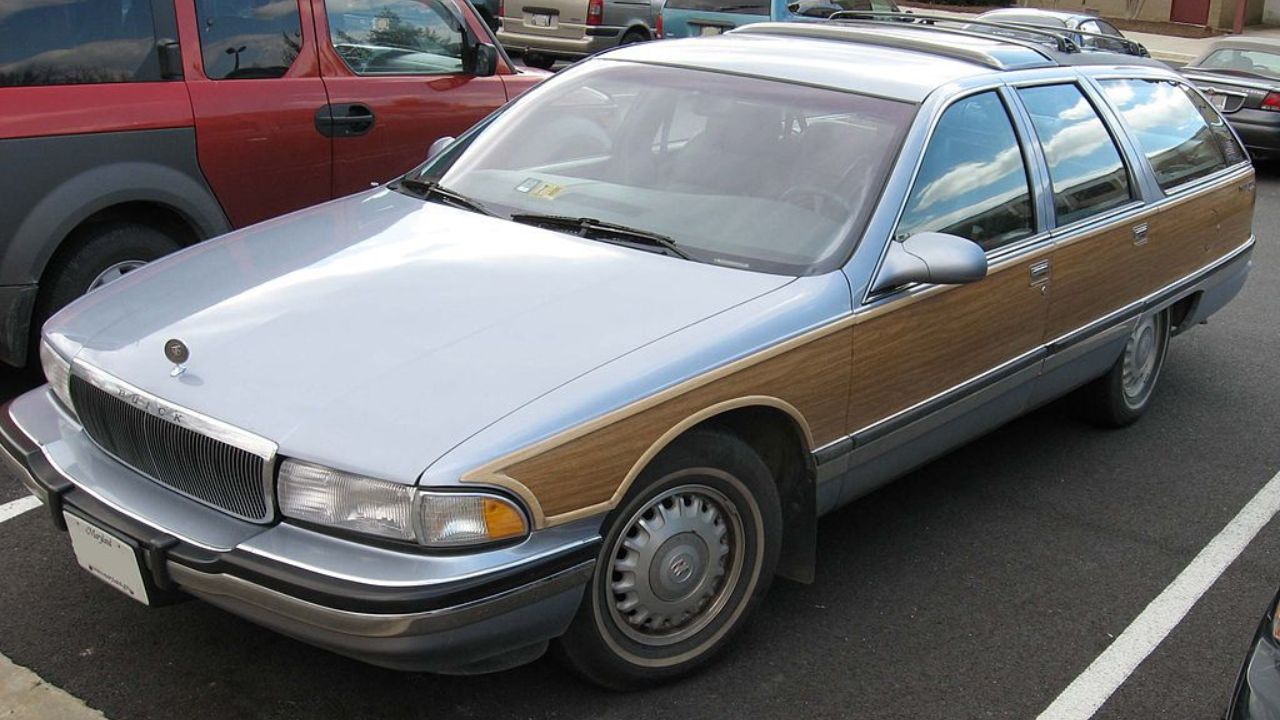
From 1994 to 1996, Buick built just under 55,000 LT1-powered Roadmaster wagons. That makes them relatively rare, especially considering how many were used hard and eventually scrapped.
Their short production run and dual appeal—both practical and fast—have helped them gain traction in the collector world. Clean examples are rising in value, especially those with the tow package.
It marked the end of the American station wagon era
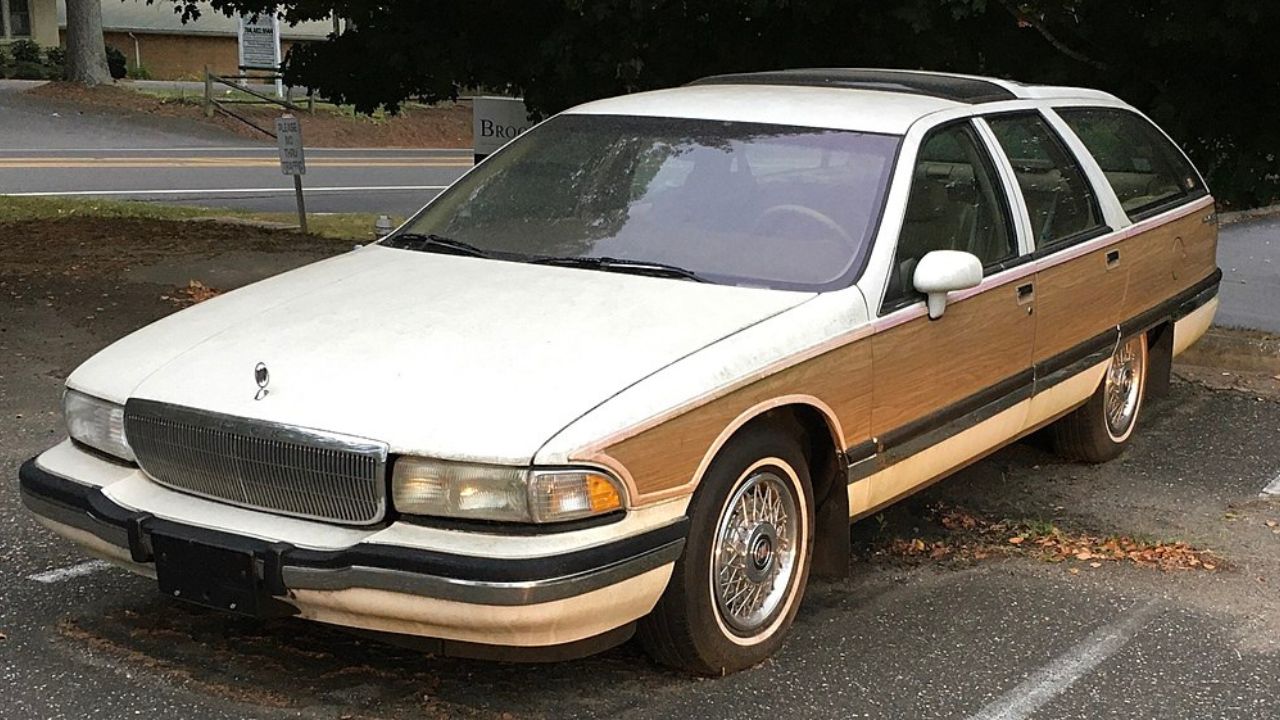
The 1996 Roadmaster Estate Wagon was the last full-size, V8-powered station wagon GM produced for North America. After that, minivans and SUVs took over.
The end of the line for the B-body wagon closed the book on a generation of long-roof, V8 family haulers. For many, the Roadmaster was the final word in a uniquely American formula.
Like Fast Lane Only’s content? Be sure to follow us.
Here’s more from us:
*Created with AI assistance and editor review.

Leave a Reply