
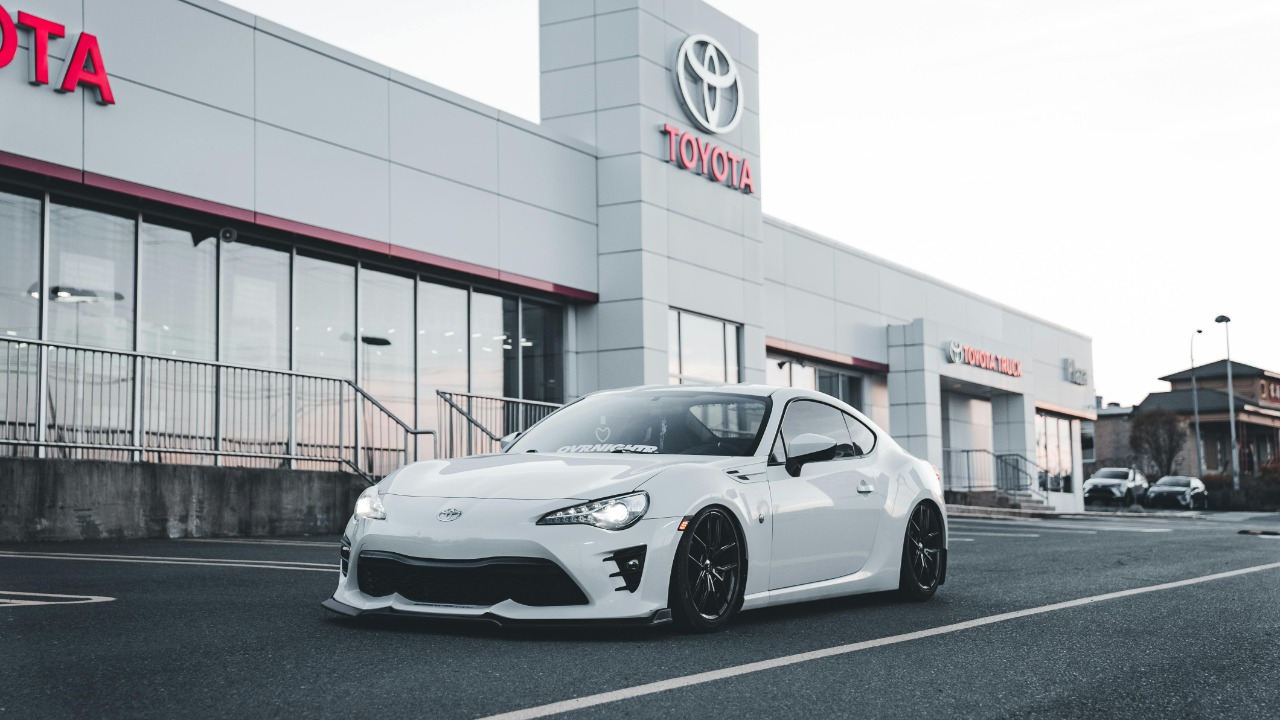
Shoppers who care about longevity increasingly look past touchscreen tricks and focus on what will still feel solid in 15 years. The models most likely to outlast today’s crowded lineup share a simple formula, with conservative engineering, proven drivetrains, and brands that treat durability as a core value rather than a marketing slogan.
Drivers who understand that formula can spot vehicles and engines that keep earning their keep long after the first owner moves on. The standouts below show how smart design, careful material choices, and disciplined maintenance can turn a new purchase into a long term workhorse.
Modern cars, old myths, and what “built to last” really means
Many enthusiasts insist that new vehicles feel fragile, yet data and shop experience tell a more nuanced story. Technicians who see failures every day argue that Not every modern platform deserves the “disposable” label, and that Modern designs often outlast what drivers remember from Back in the carburetor era. Independent repair specialists point to better corrosion protection, tighter machining, and more consistent electronics as quiet upgrades that rarely make marketing copy but dramatically improve reliability.
Longevity also depends on how owners treat their vehicles, not just how factories assemble them. Analysts who track real world outcomes note that Cars today are built to last longer than ever, but only if drivers follow basic maintenance and avoid neglecting early warning signs. That combination of stronger engineering and smarter ownership means the right models can realistically serve multiple families, which raises the stakes when choosing what to park in the driveway.
Brands that keep showing up in reliability data
Some manufacturers now treat durability as a measurable outcome rather than a vague promise. Large scale analysis of owner reports continues to place Subaru, Lexus, and Toyota near the top for reliability, while GMC and Cadillac sit near the bottom of those rankings. That spread reflects different engineering philosophies, with the leaders often favoring incremental updates over radical redesigns that introduce untested components.
Those same studies show that brand reputation still matters when predicting which models will age gracefully. Shoppers who want a vehicle that can outlive several payment cycles increasingly gravitate toward Subaru, Lexus, and Toyota because their track records stretch across multiple generations of vehicles. At the other end, buyers who choose GMC or Cadillac often accept higher risk in exchange for features or styling, which can matter less once a vehicle enters its second decade.
Subaru Forester, the quiet survivor in the crossover crowd
Compact crossovers rarely earn “forever car” status, yet the Subaru Forester keeps building a case for long term ownership. Engineers designed the Subaru Forester around a simple recipe of a flat four engine, standard all wheel drive, and a tall, practical cabin that avoids gimmicks. That conservative approach helps the Forester shrug off daily abuse, from winter salt to gravel roads, without the fragile trim and complex air suspensions that plague some rivals.
Resale behavior also hints at how long a model can stay useful. Dealers who track trade in values note that Forester owners often see strong equity even when they upgrade after only a few years, because the market expects the underlying hardware to keep going for the next driver. One retailer even highlights that this is great news if buyers plan to upgrade, since a Forester can hold value whether they choose a New or Used Model, a point reinforced in a focused benefits breakdown. That combination of durability and demand makes the Forester one of the few crossovers that can realistically serve as a long term family hauler rather than a short lease experiment.
Engines built to outlast the sheet metal
Powertrains often decide whether a vehicle becomes a lifer or a liability. Toyota has built a reputation on engines that keep running long after the body shows age, and the company’s heavy duty diesel straight six illustrates that philosophy. The Toyota 1HZ Engine has logged 35 Years And Still Going Strong in global service, particularly in the Toyota Land Cruiser 70 Series and the 79 Double Cabin workhorse. Those exact figures, 35, 70, and 79, underline how long this design has stayed relevant in harsh conditions.
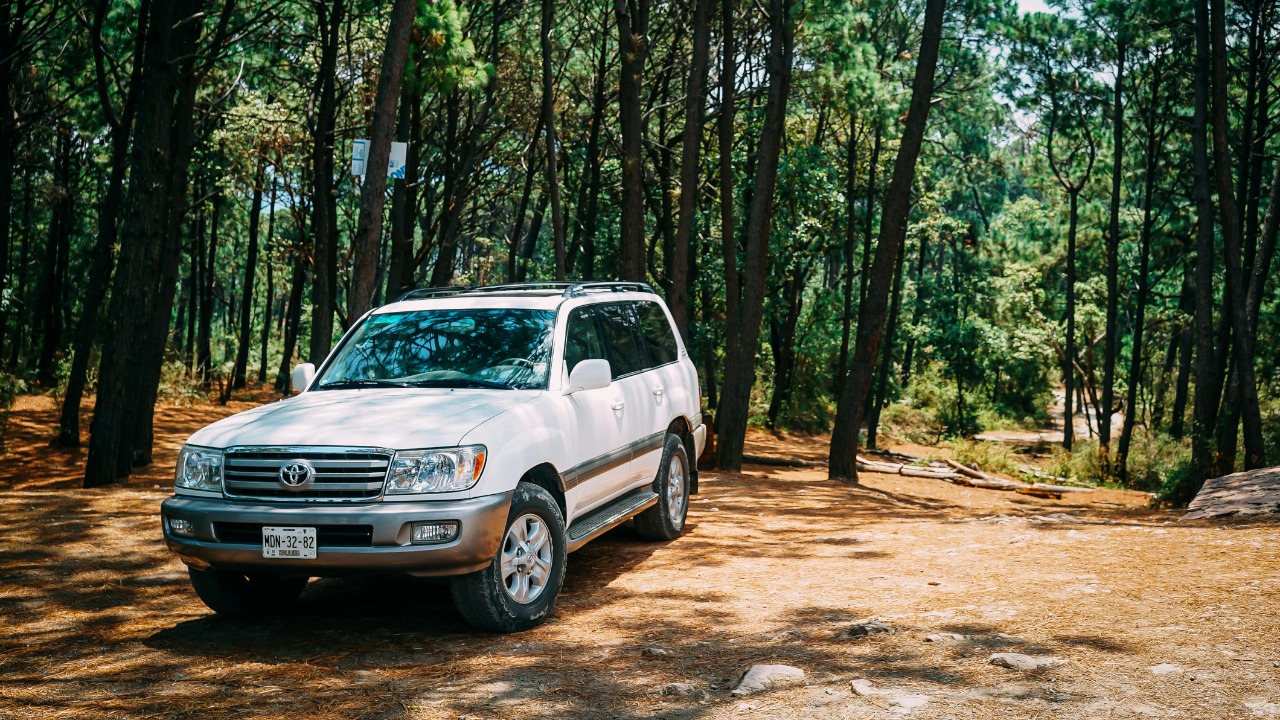
Gasoline performance fans see a similar pattern in Toyota’s legendary inline six. Enthusiasts still praise the Toyota 2JZ GE and Toyota 2JZ GTE engine families for their ability to handle power upgrades while maintaining reliability. An expert guide to the best car engines for reliability singles out the GTE variant as a benchmark for strength, which helps explain why tuners keep reviving old chassis built around it. When an engine can outlive multiple bodies and still attract demand, it signals the kind of overbuilt engineering that future classics require.
Trucks and SUVs that aim for a lifetime of work
Pickup buyers often judge value by how many years a truck can tow, haul, and commute without major drama. Some modern trucks still chase that old school ideal, pairing stout frames with drivetrains that favor longevity over peak output. A recent overview of pickups that can realistically serve for decades highlights several platforms that match that brief, with one list even carrying an Image Credit to Toyota for its contribution. That recognition reflects how carefully chosen components and conservative tuning can keep a truck relevant long after the latest infotainment trend fades.
Long lived SUVs follow a similar pattern, often sharing frames and engines with work trucks. Video reviewers who focus on durability rather than lap times increasingly spotlight models that trade cutting edge tech for proven hardware. One popular breakdown of the 10 Best SUVs You Must Own in 2025 to 2026 even features a segment titled 10 SUVs That Will Outlive You, Built to Last FOREVER, presented by Tarmac Hub in its Comments and chapter list. That framing may sound dramatic, but it captures a real shift in buyer priorities as more drivers look for vehicles that can stay in the family fleet for a generation.
Why some new cars still feel fragile
Not every modern model earns a reputation for toughness, and some critics argue that cost cutting and complexity undermine longevity. Commentators who track ownership headaches point to thinner materials, glued interiors, and touch sensitive controls that fail more often than old fashioned switches. One widely shared video bluntly asks why new cars will not last and claims they seem to be built like crap, with the host in Apr warning that buyers could be stuck paying significant money for repairs as buttons disappear in favor of fragile screens, a concern captured in a detailed analysis of modern design trends.
Those critiques do not contradict the data that shows overall reliability improving, but they highlight a divide between robust mechanicals and delicate user interfaces. Owners may enjoy engines and transmissions that easily clear 200,000 miles while fighting failing infotainment units, peeling trim, and glitchy driver aids. That gap explains why some drivers feel nostalgic for simpler dashboards even as they acknowledge that today’s powertrains rarely need the constant tinkering that older vehicles demanded.
How to choose a model that will outlive today’s lineup
Drivers who want a vehicle that can outlast most of today’s showroom options need a clear checklist. Proven brands like Subaru, Lexus, and Toyota offer a strong starting point, especially when paired with conservative engines such as the Toyota 1HZ or the Toyota 2JZ GTE. Crossovers like the Subaru Forester, body on frame SUVs that share parts with work trucks, and pickups recognized as built to last a lifetime all fit the pattern of vehicles that can stay useful long after their styling ages.
Longevity also depends on owner behavior, so buyers should factor maintenance discipline into their plans as carefully as they study spec sheets. Modern Cars can deliver unprecedented durability, but only if drivers respect service intervals, address small issues early, and avoid chasing every new gadget at the expense of proven hardware. The models highlighted here show that it remains possible to buy a vehicle today that will still feel trustworthy when most of its peers have cycled through multiple owners and several trips across the auction block.

Leave a Reply