
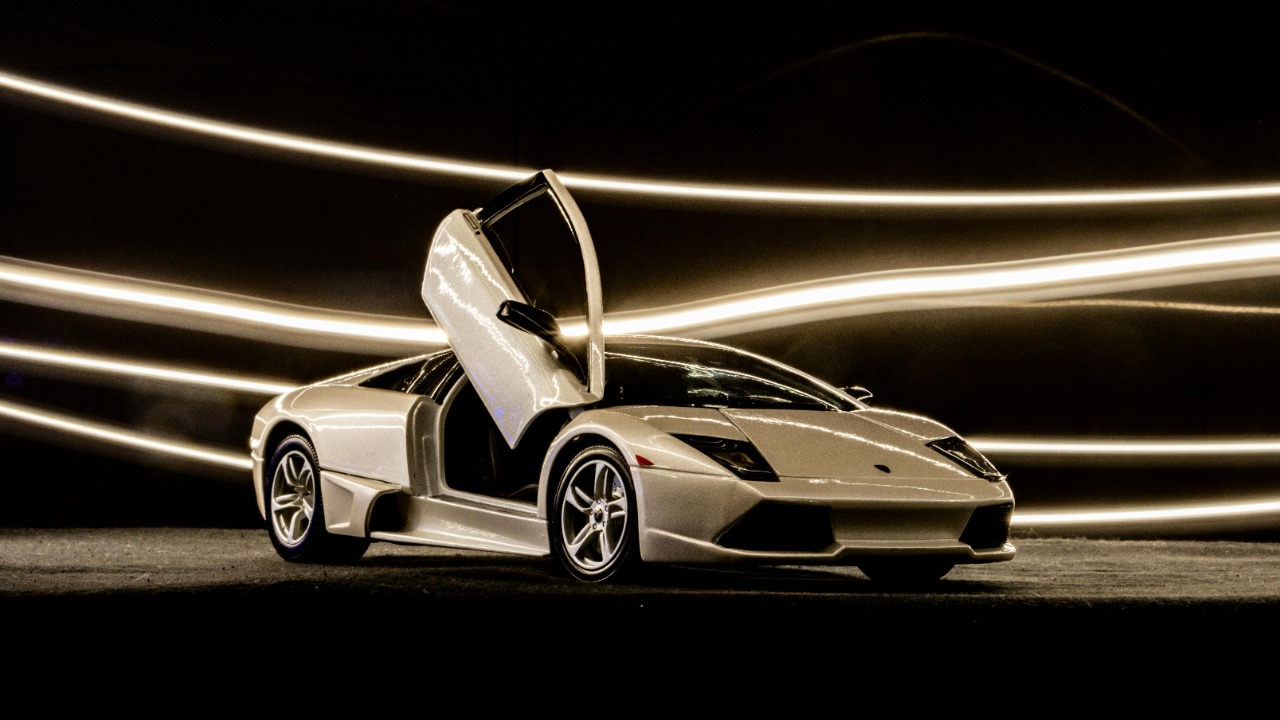
The Lamborghini Murciélago arrived at a moment when supercars were supposed to be growing up, yet it chose noise, drama and excess instead. Across its decade in production, it turned the transition to corporate stewardship into a rolling spectacle of scissor doors, V12 thunder and unapologetically difficult manners. When I look back on those Murciélago years, what I see is a company briefly deciding that pure chaos was not a problem to be solved, but a personality to be celebrated.
The first VAG bull that refused to behave
The Murciélago carried a heavy brief: it was the first flagship developed entirely under the direction of the Volkswagen Audi Group, and on paper that should have meant discipline and predictability. Instead, the car that emerged was a wild contradiction, a machine that mixed new corporate resources with the kind of unruly character enthusiasts feared might disappear. As one detailed guide notes, the Murcielago was Significantly, Murcielago, Volkswagen Audi Group, VAG, and that context makes its feral personality feel almost defiant.
Official history describes the Murciélago as the most technically advanced of the brand’s V12s when it was first presented, yet the language around it still leans on mythology and spectacle rather than restraint. The factory biography lists the car simply as a new Model, Murci, Lamborghinis, but behind that tidy phrasing sat a mid engine brute that treated aerodynamics, cooling and stability as excuses for giant intakes and pop up vents. I read that as a statement of intent: even with German oversight and modern engineering, Lamborghini was not ready to trade theater for tidiness.
A V12 that still sounded like a street fight
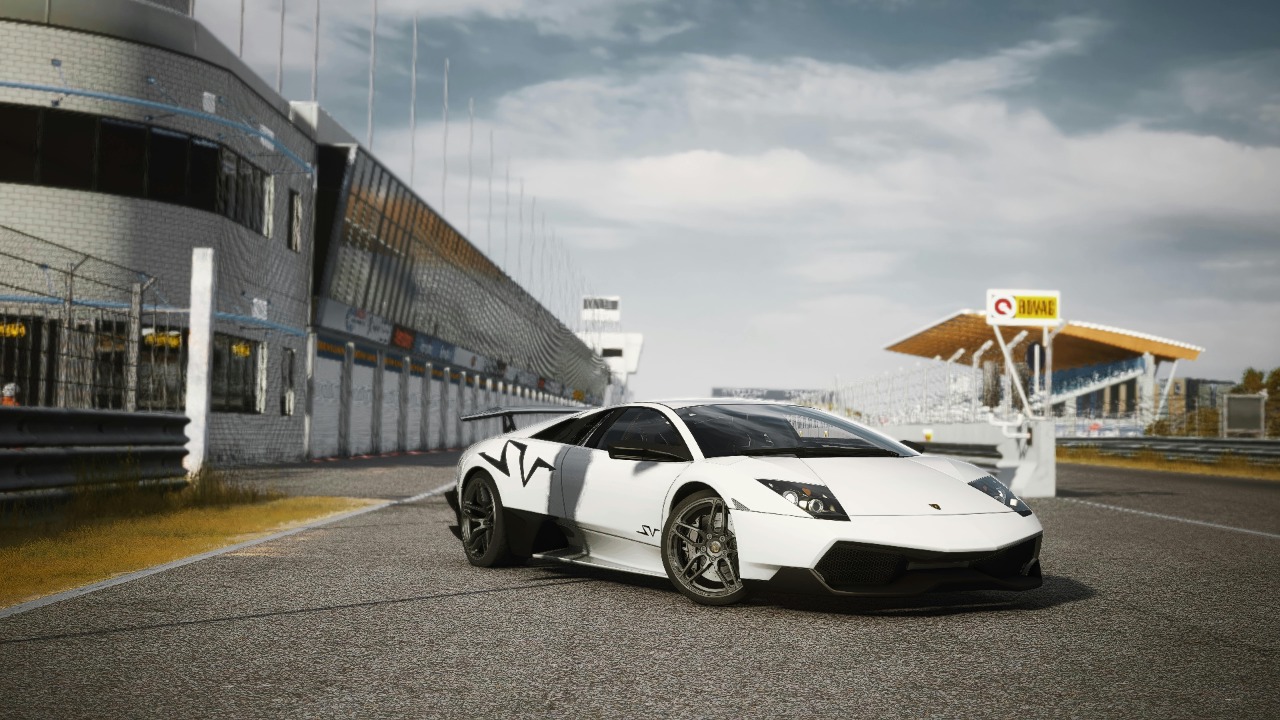
For all the talk of platforms and corporate parents, the Murciélago’s legacy lives in its V12, a powerplant that felt closer to a mechanical riot than a modern power unit. Owners and fans still single out a 2003 Lamborghini Murciélago as the last V12 Lambo that both looks and sounds like unfiltered aggression, describing the Jun, Lamborghini Murci, Lambo, Skip as a kind of final stand for old school noise. That sentiment captures why the car still resonates: it was not just fast, it was confrontational, a soundtrack that turned every tunnel into a public event.
Period testing backed up the sense that this was a car that demanded respect rather than coddling its driver. A contemporary review from From the July, Car and Driver, Despite the described how the Murciélago could both tame and provoke, noting the commotion it created and the low speed understeer that reminded you this was still a big, mid engine bull. I read those impressions as proof that Lamborghini, even under new ownership, was not chasing effortless speed so much as a kind of barely contained violence that made every drive feel like a small victory.
Design that turned impracticality into a virtue
Visually, the Murciélago never tried to hide its excesses, and that is exactly why it has aged so well. The official record describes the Murciélago as an all wheel drive, mid engine sports car, and the early Murci, Lamborghini Murci, Rear, Interior, The Murci details show a wedge that sharpened the brand’s 1960s roots into something even more aggressive. The rear view is a wall of vents and exhaust, the interior a low slung cockpit that prioritizes drama over ergonomics, and together they create a car that looks hostile even when parked.
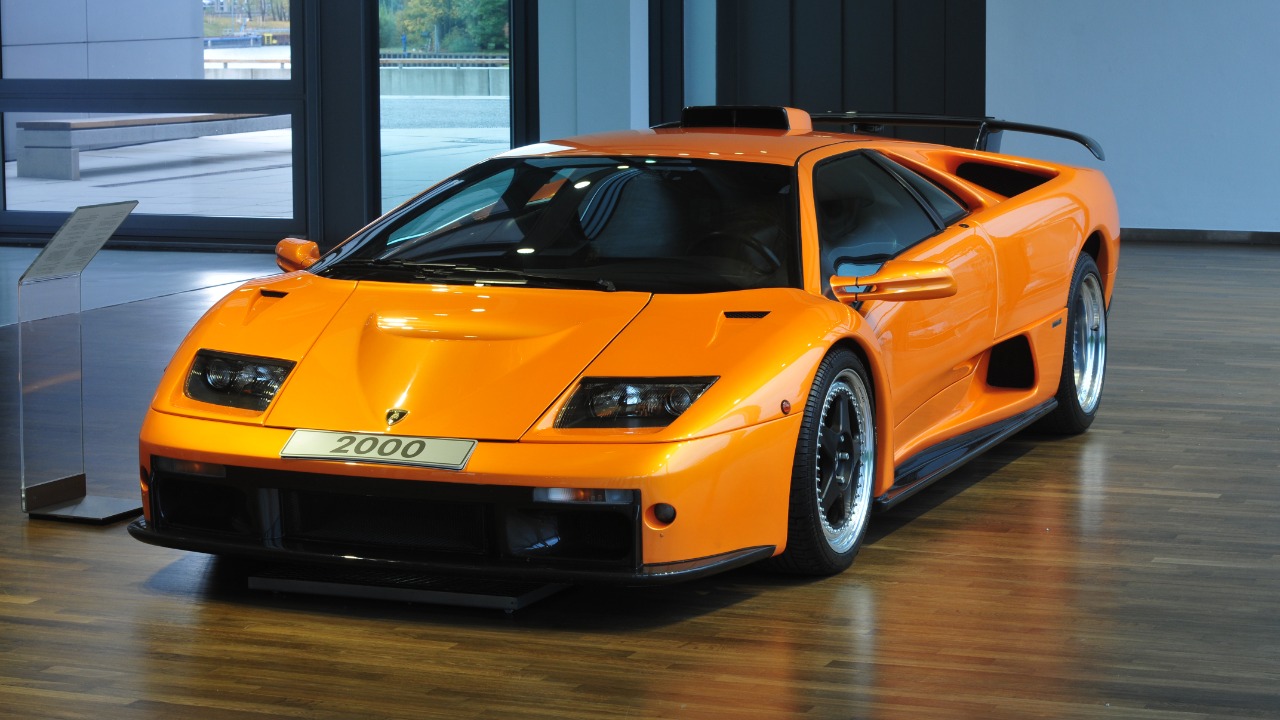
That hostility extended to daily usability, and yet owners often talk about those compromises with a kind of pride. A history piece from a Florida dealer, framed around When, Murcielago, The Lamborghini Diablo, Lamborghini, sets the Murciélago between the more infamous Diablo and the later, more polished successors, and that positioning feels right. The Murciélago kept the scissor door theater and awkward sightlines of its predecessor, but wrapped them in a slightly more cohesive shape, turning impracticality into a kind of badge of honor for those willing to live with it.
The Roadster, where chaos went fully topless
If the standard coupé was already unhinged, the Murciélago Roadster pushed the chaos into open air. One enthusiast video flatly calls the Lamborghini Murcielago Roadster the last old school Lambo, and the clip’s description, which name checks The Lamborghini Murcielago Roadster Is the Last Old, School Lambo, treats the car as a rolling time capsule. I share that view: with its removable roof panel, exposed engine bay and even more compromised structure, the Roadster feels like a final, glorious refusal to prioritize sense over sensation.
Later commentary on a 2006 example underlines how the open top version blurred the line between modern supercar and old world exotic. A walkaround of a Oct, Lamborghini Mercielago Roadster and describes it as insane, noting that people often assume it is more refined than it really is. That mismatch between expectation and reality is the Roadster’s charm: it looks like a contemporary flagship, yet behaves like a barely domesticated concept car, with wind noise, chassis flex and a roof solution that turns every rain cloud into a logistical exercise.
Ownership as a contact sport
Living with a Murciélago has never been for the faint of heart, and that is exactly why its fans cherish it. A long form video essay that asks whether the Murciélago is the last great supercar leans heavily on the realities of ownership, with the presenter in Oct walking through the quirks, costs and compromises that come with the badge. I find that framing honest: the Murciélago is not simply a poster car, it is a machine that demands patience, mechanical sympathy and a willingness to accept that drama in the driver’s seat will be matched by drama in the workshop.
Those demands are part of a broader pattern that stretches back through the brand’s history. The same dealer piece that contrasts the Murciélago with The Lamborghini Diablo points out how each model served similar purposes for different eras, and in both cases ownership meant embracing a certain level of unpredictability. In the Murciélago’s case, that unpredictability was amplified by its mix of older V12 architecture and newer electronics, a combination that could deliver sublime performance one day and baffling warning lights the next, yet owners often recount those stories with a smile rather than regret.
The farewell parade and the end of an attitude
When production finally ended, Lamborghini did not quietly roll the Murciélago off the line, it staged a send off that felt more like a rock band’s final tour. A video of a Nov, Parade of, Lamborghini, Murci shows a procession of iconic V12 models passing through the factory gate, with the last Murciélago taking its place among legends. That image, a line of scissor doors and snarling exhausts, captures how the company itself saw the car: not as a transitional product, but as a full blooded member of the V12 dynasty.
Looking back now, I see that parade as more than a ceremonial goodbye, it was a marker of the end of a particular attitude. Later flagships would become faster, more usable and more digitally sophisticated, yet the Murciélago years stand apart as a moment when Lamborghini, even under the umbrella of a global group, chose to lean into its most chaotic instincts. The car’s mix of corporate backing and unfiltered personality should not have worked, yet it did, and that tension is exactly why the Murciélago still feels like the last time a mainstream supercar was allowed to be this gloriously unruly.


Leave a Reply