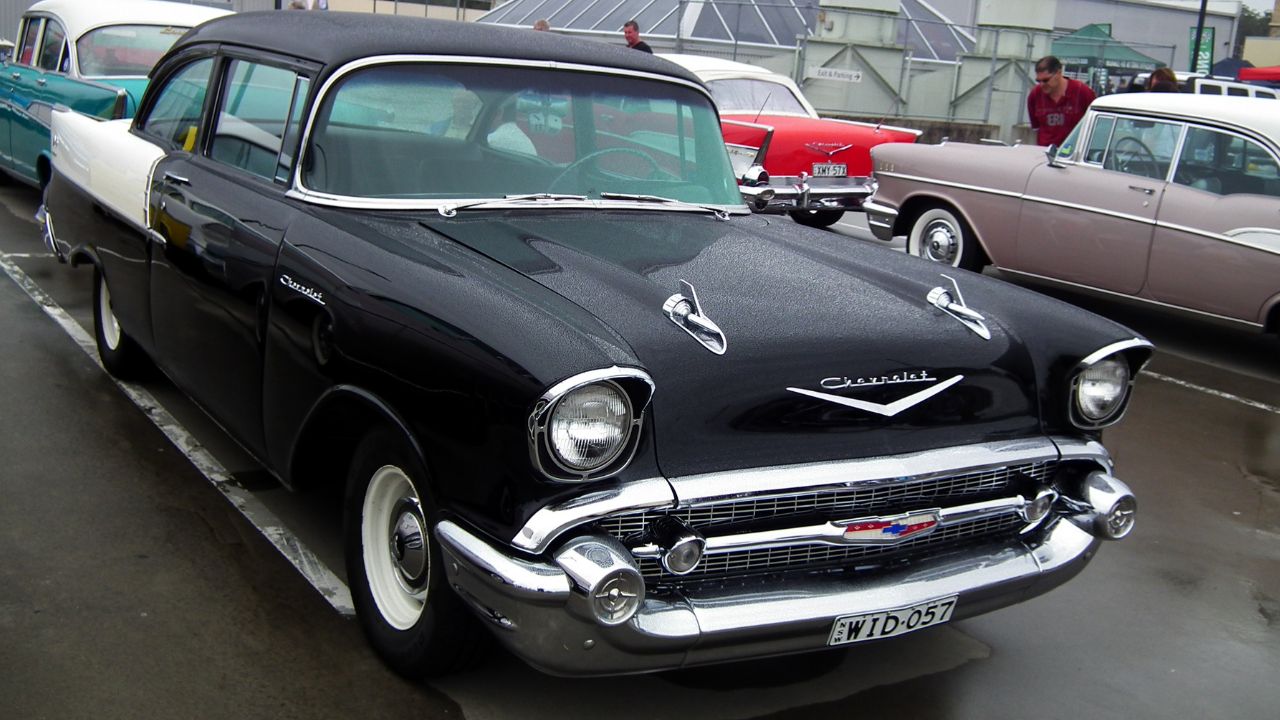
The 1957 Chevy Bel Air is often celebrated as an iconic symbol of American automotive craftsmanship, renowned for its stylish design and noteworthy performance. However, another lesser-known ’57 Chevy model surpassed the Bel Air in speed and performance, capturing the interest of car enthusiasts and collectors. This remarkable vehicle, known as the Black Widow, has a fascinating history that speaks to its engineering brilliance and lasting legacy.
Historical Background
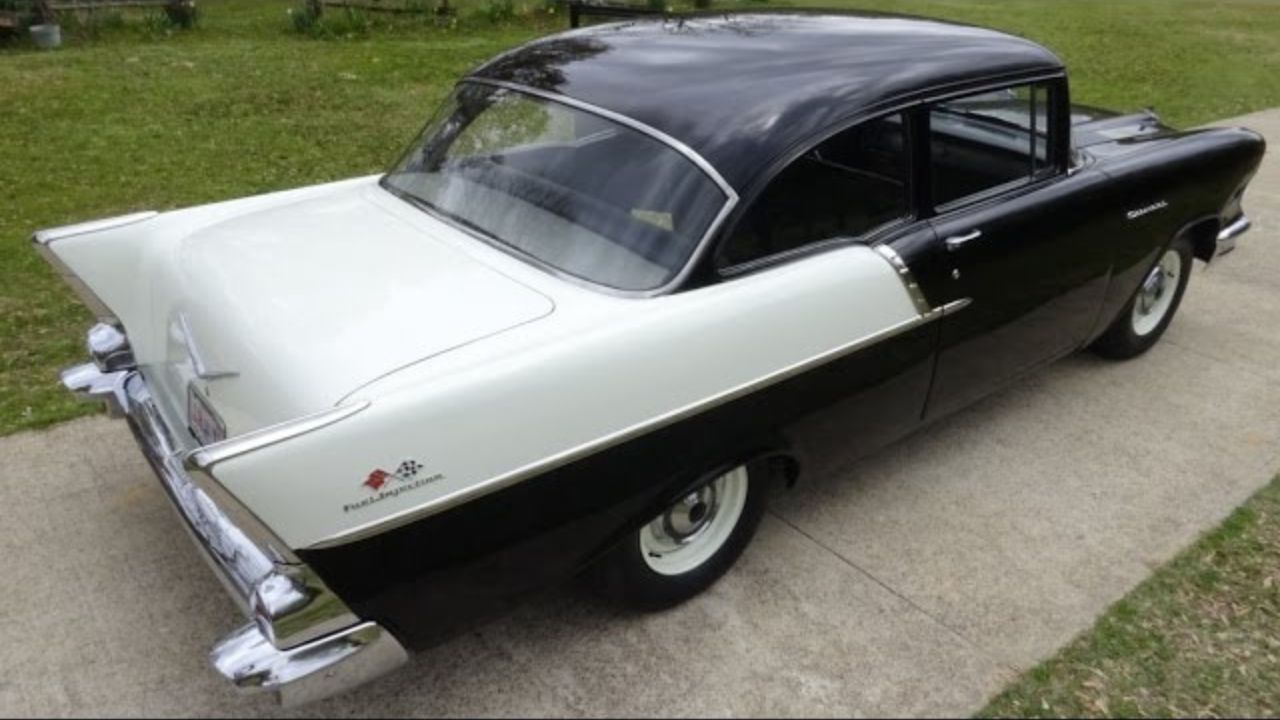
The 1957 Chevy Bel Air was a paragon of American automotive excellence, standing out with its distinct tailfins and chrome detailing. It became a cultural icon, embodying the optimistic spirit of the 1950s. The Bel Air’s development was marked by innovative design choices that appealed to consumers, such as its comfortable ride and powerful V8 engine, making it a top choice for families and car enthusiasts alike. The model’s performance specs were impressive for the time, featuring a robust engine that could deliver a remarkable driving experience.
While the Bel Air was gaining fame, the Chevrolet division at General Motors was also working on a different kind of masterpiece. Enter the Black Widow, a car designed specifically for NASCAR racing. Unlike the Bel Air, the Black Widow was engineered for speed and competition. Its purpose was to dominate the racetrack, and it did just that by incorporating advanced mechanical innovations that set it apart from its more popular sibling. The differences in engineering and design between the Black Widow and the Bel Air were significant, with the former boasting features that prioritized performance over comfort.
Engineering Marvels
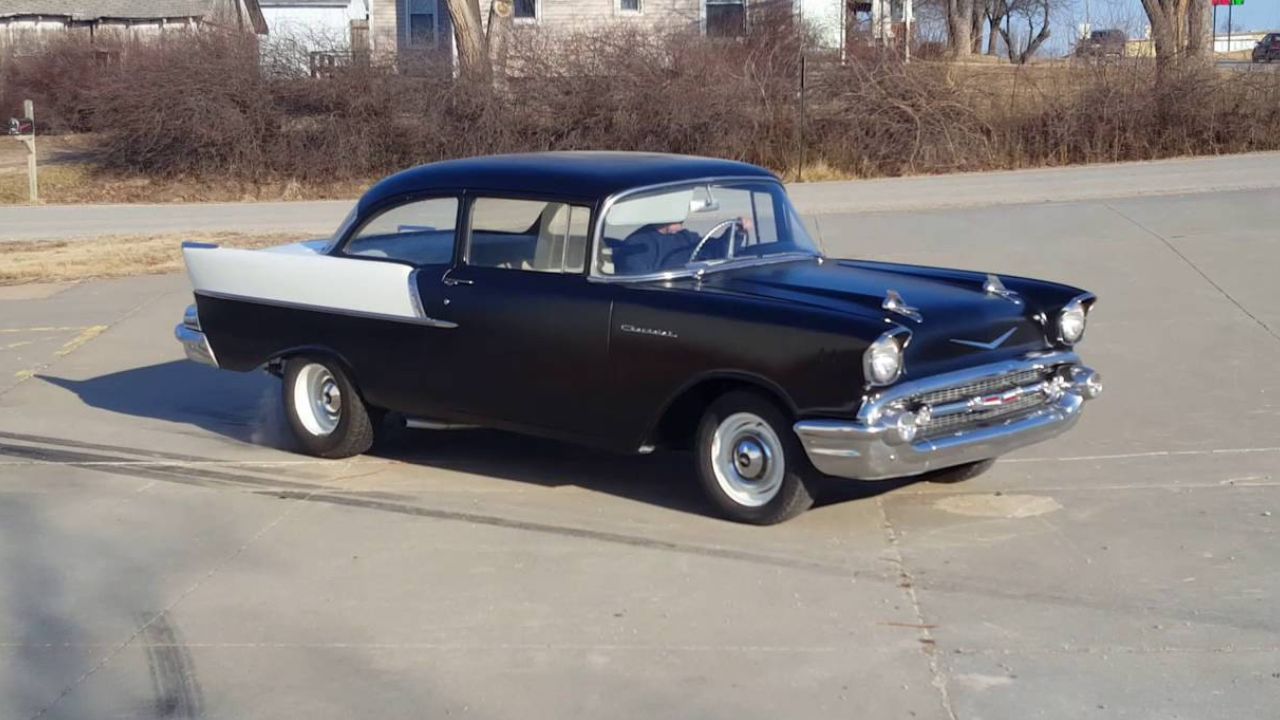
The Black Widow was a true engineering marvel, thanks in part to its advanced fuel-injection system. This system was a groundbreaking innovation that significantly enhanced the car’s speed and efficiency. The fuel-injection setup allowed for more precise control over the air-fuel mixture, resulting in improved engine performance and responsiveness. This was a stark contrast to the carbureted engines found in the Bel Air, which, while powerful, could not match the precision and power delivery of the Black Widow’s fuel-injected engine.
In addition to its mechanical prowess, the Black Widow featured unique design elements that further contributed to its superior performance. Structural modifications, such as reinforced chassis and specialized suspension systems, were implemented to enhance the car’s racing capabilities. These changes improved weight distribution and aerodynamics, allowing the Black Widow to achieve higher speeds and better handling on the track. The combination of these innovations made the Black Widow a formidable competitor in NASCAR, solidifying its place in racing history.
The Legacy of the Black Widow
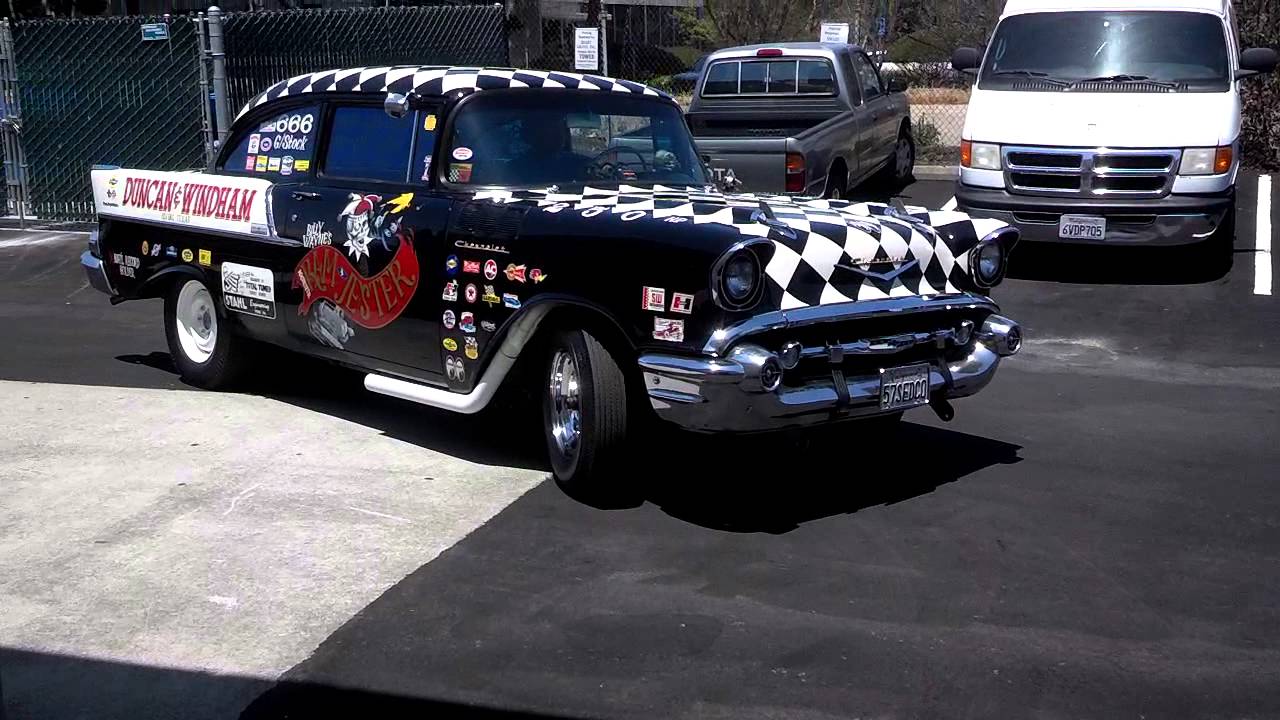
The Black Widow’s impact on racing history is undeniable. Its notable victories and records in NASCAR racing helped to cement Chevrolet’s reputation as a powerhouse in the automotive industry. The Black Widow’s success on the track influenced the design and engineering of subsequent Chevy models, pushing the boundaries of what was possible in automotive performance. This influence extended beyond Chevrolet, inspiring advancements across the racing industry as a whole.
Today, the Black Widow remains a coveted piece of automotive history, with collectors and enthusiasts dedicated to preserving its legacy. Restoration efforts have been ongoing, with many passionate individuals working tirelessly to maintain the car’s original glory. The Black Widow can often be seen at modern car shows and automotive museums, where it continues to captivate audiences and inspire admiration for its engineering excellence.
Cultural Significance
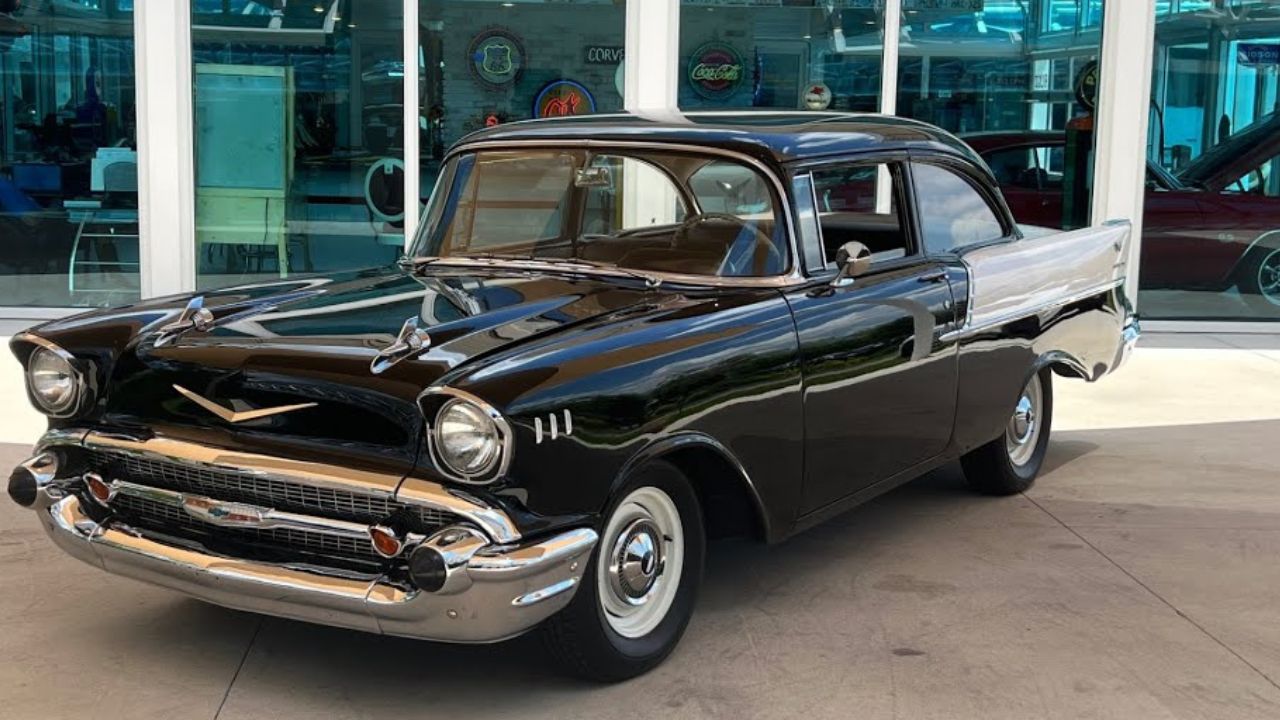
The Black Widow has left an indelible mark on popular culture, making appearances in films, TV shows, and automotive literature. Its sleek design and storied history have made it a favorite among car enthusiasts, who continue to celebrate its achievements and legacy. The Black Widow’s fan base remains active, with many passionate supporters who appreciate its role in shaping racing history and automotive innovation.
When comparing the cultural legacies of the Black Widow and the Bel Air, each model represents distinct aspects of 1950s American culture. The Bel Air is often seen as a symbol of post-war prosperity and family life, while the Black Widow embodies the competitive spirit and technological advancements of the era. Debates among collectors continue regarding which model holds greater significance in automotive history, but both cars have undoubtedly left a lasting impact on the industry and culture.
The Black Widow’s story is a testament to the ingenuity and passion that defined a pivotal era in automotive history. Its legacy endures, celebrated by those who recognize its contributions to both racing and cultural heritage. Whether seen on the racetrack or admired at a car show, the Black Widow remains a symbol of speed, innovation, and the enduring allure of classic American automobiles.
Like Fast Lane Only’s content? Be sure to follow us.
Here’s more from us:
*Created with AI assistance and editor review.