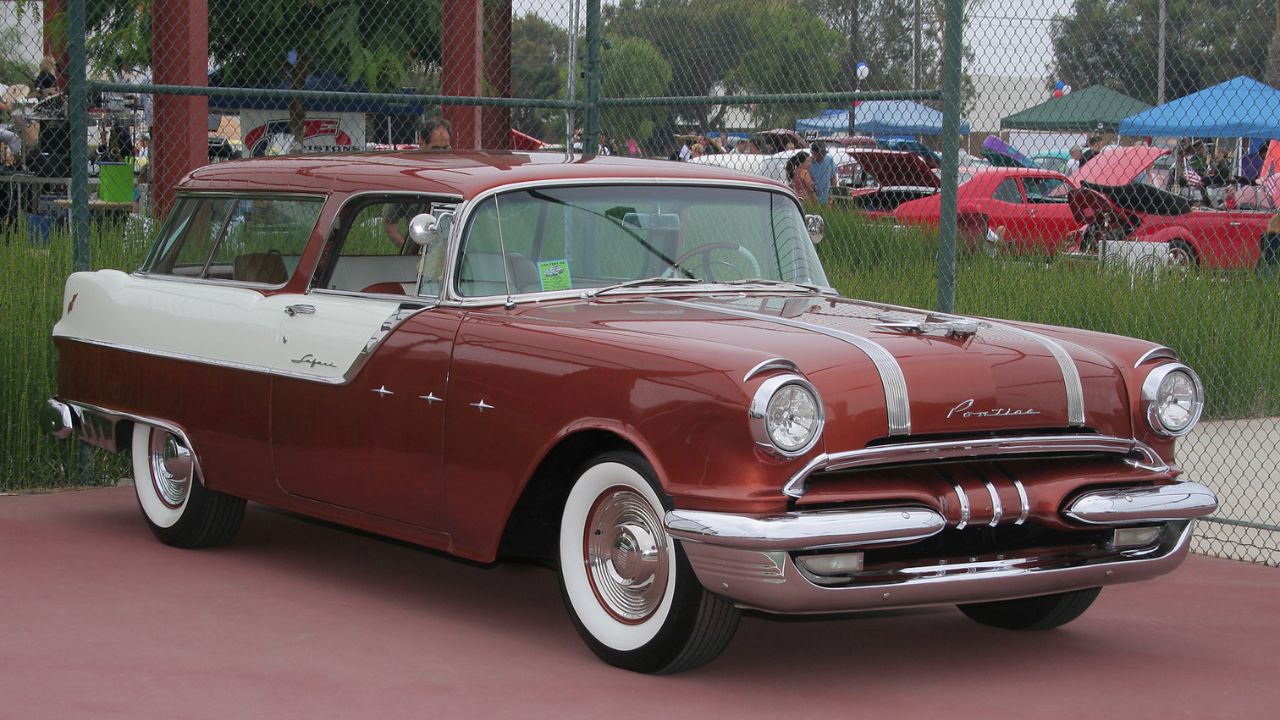
When people talk Pontiac V8s, the conversation usually stops at the 389 Tri-Power, Ram Air IV, or the SD-455. Fair enough—they earned their stripes. But tucked in the lineup were other V8s that either got overlooked, underappreciated, or flat-out dismissed. Some were built for efficiency, some for full-size cruisers, and a few had real potential that nobody seemed to notice. They weren’t bad engines—they just showed up at the wrong time, in the wrong cars, or with the wrong marketing. Here are 10 Pontiac V8s that rarely get the credit they might deserve.
Pontiac 265 V8 (1977–1981)
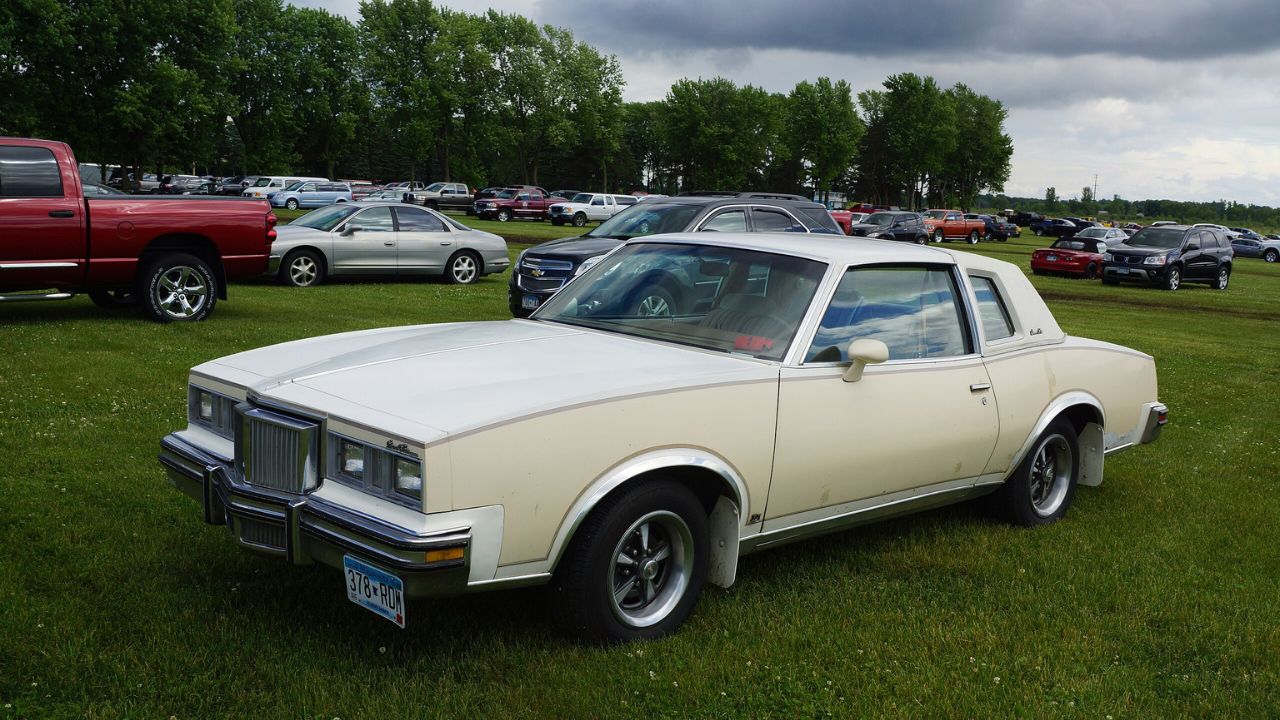
The 265 cubic-inch V8 was Pontiac’s smallest-displacement V8 and arrived during a fuel economy crunch. It made just 120 hp and around 210 lb-ft of torque in base trim, with a 2-barrel carb and 8:1 compression. It was mostly stuffed into mid-size and full-size Pontiacs like the LeMans and Bonneville—not exactly performance targets. The block was a shortened version of the 301 and weighed less than older Pontiac V8s, but it had little upside. It wasn’t quick, didn’t sound aggressive, and got overshadowed even by small-block Chevys in the same lineup.
Pontiac 301 V8 (1977–1981)
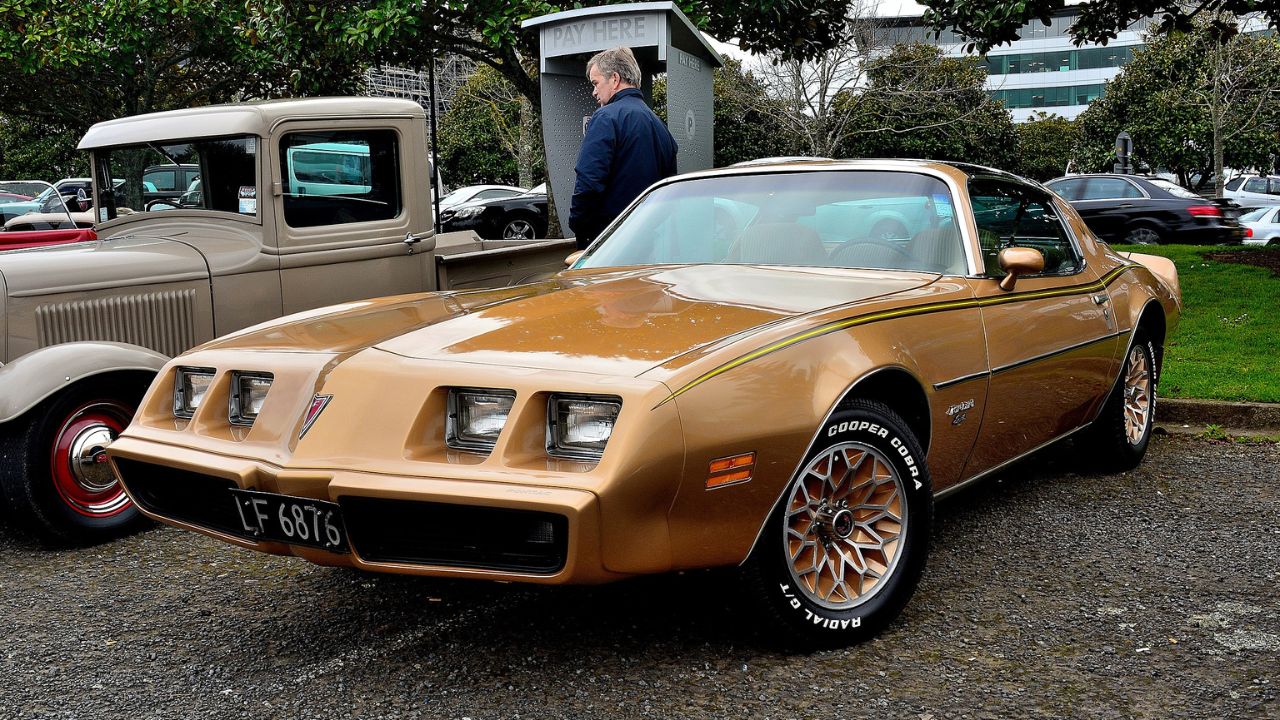
The 301 was Pontiac’s last in-house V8 before GM phased in corporate motors. It came in naturally aspirated and turbocharged versions, making 135–210 hp depending on trim. Built with a shorter deck height, thin wall castings, and light internals, it was made for efficiency—never high performance. It powered everything from Bonnevilles to Trans Ams, but even with a turbo, it never lived up to the badge. Emissions-era tuning didn’t help. While it had potential, the 301 became a scapegoat for Pontiac’s performance slump in the late ’70s and early ’80s.
Pontiac 350 V8 (1968–1979)
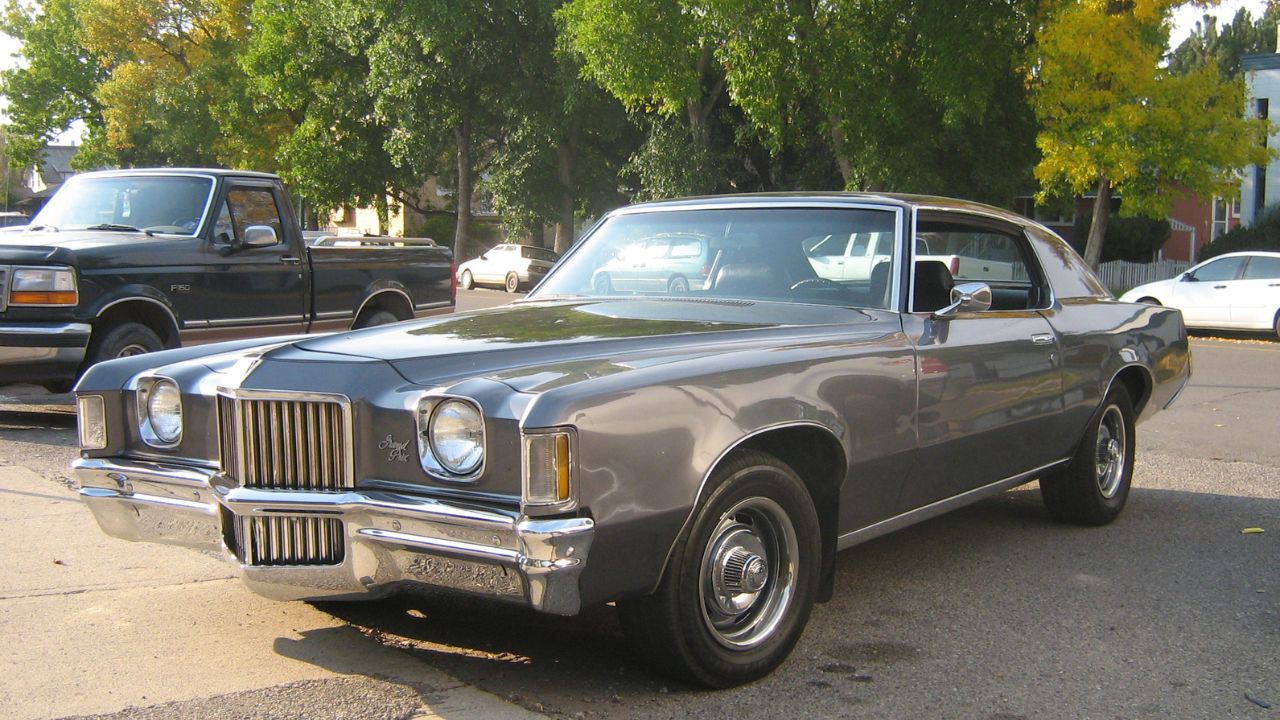
Often confused with Chevy’s small-block 350, the Pontiac 350 was its own design—larger in external dimensions and heavier. It made anywhere from 265 hp in high-compression, high-output versions to just 150 hp during the smog years. It was overshadowed by the 400 and 389 in muscle cars, and by the Chevy 350 in cheaper builds. Most people saw it as a placeholder engine—adequate, but unexciting. Despite being reliable and well-built, it rarely got performance parts or serious attention from hot-rodders.
Pontiac 400 2-Barrel
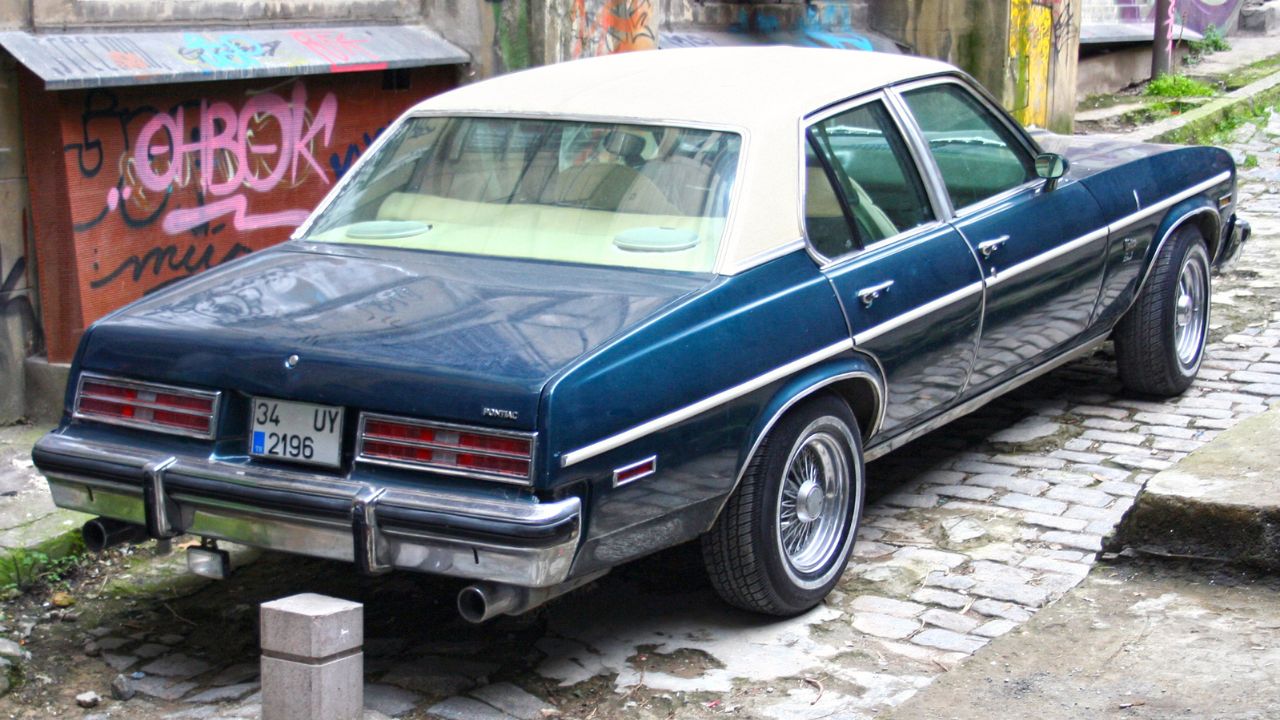
The 400 gets remembered for its Ram Air variants, but most of the ones on the road came with a 2-barrel carb and a mild cam. Output dropped to around 175 hp by the late ‘70s, despite its big 6.6L displacement. These engines powered everything from Catalinas to Grand Prix models, aimed more at cruising than anything else. The torque was there, but acceleration was soft, and the tuning was tame. It had all the displacement of a muscle motor, but not much personality without a carb and cam swap.
Pontiac 326 V8 (1963–1967)
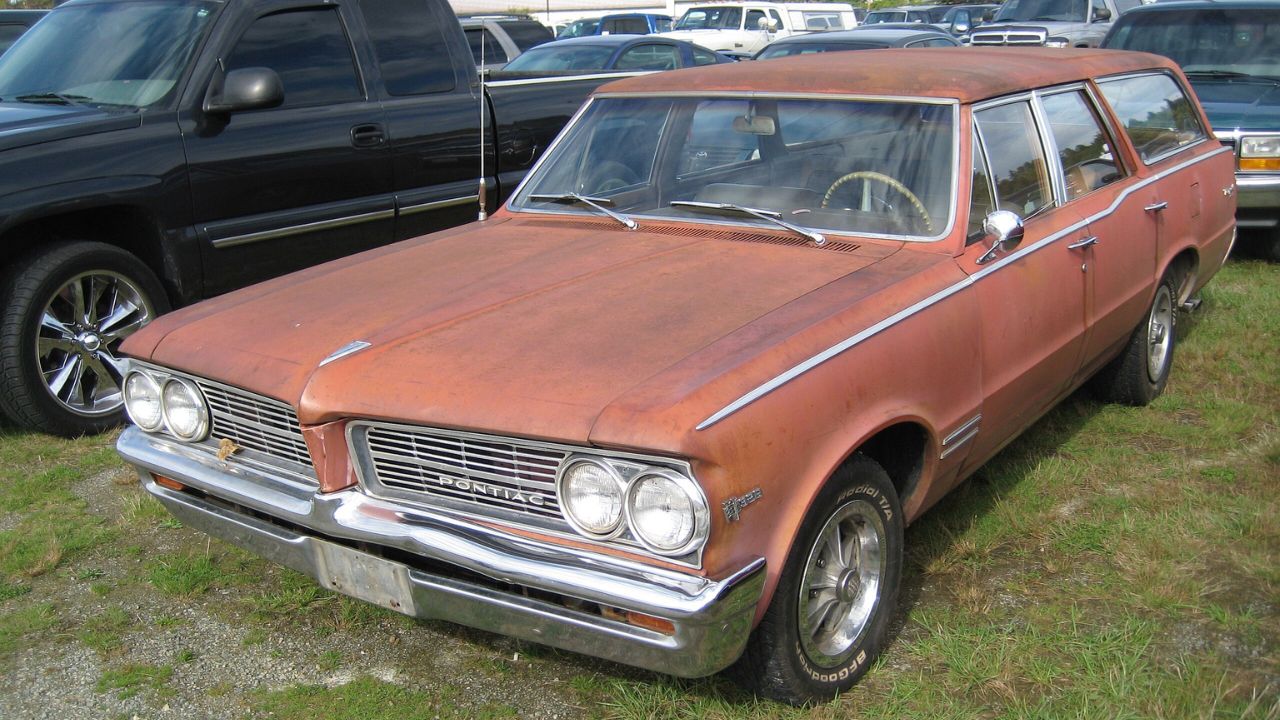
Pontiac’s 326 was introduced as a small-bore V8 to meet GM’s internal size rules for compact cars like the Tempest. It made between 250–285 hp depending on the carburetor and compression, and it shared most of its internals with the larger 389. Still, it wasn’t positioned as a performance option—more of a step up from an inline-six. The engine didn’t get the Ram Air treatment or much aftermarket support, and it quickly got lost in the shuffle once the 350 and 400 showed up.
Pontiac 389 2-Barrel
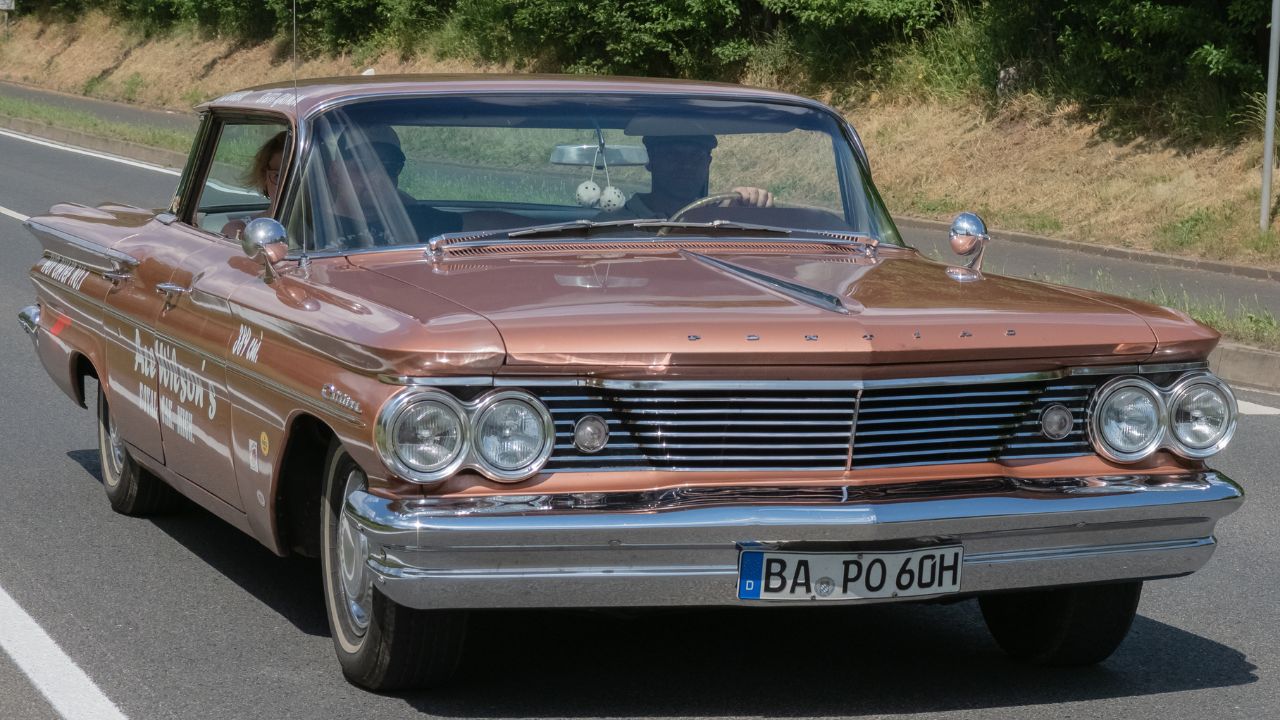
The 389 is a muscle car legend—but only the high-compression, Tri-Power and Ram Air versions. The 2-barrel models were tame by comparison, pushing around 235–265 hp. They were common in full-size Pontiacs in the early ’60s and were smooth and durable, but didn’t feel aggressive. Most buyers weren’t looking to race—they just wanted a V8 that could handle the family trip without struggling. The 2-barrel 389 got left behind in the wake of its more famous siblings, even though it shared the same rock-solid architecture.
Pontiac 455 Non-HO (1970–1976)
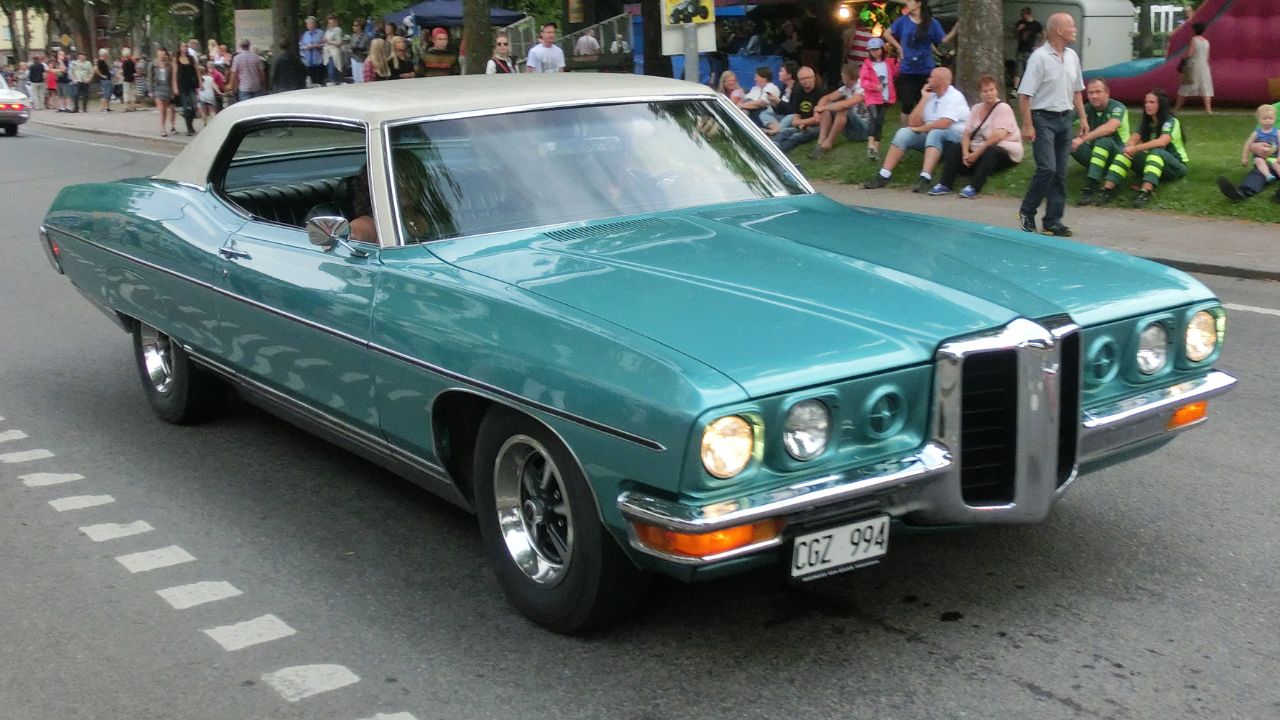
Everyone talks about the 455 HO and SD-455, but the standard 455s were far more common—and far less celebrated. In base form, they made 325–360 hp early on, then dropped to under 200 hp as emissions regs kicked in. These engines were tuned for low-end torque and smooth cruising, not performance. You’d see them in Grand Villes, Bonnevilles, and Catalinas—big cars that needed big engines but didn’t need to move fast. They had the same block and internals as the hotter versions, but without the cam, heads, or compression to match.
Pontiac 350 H.O. (1968–1969)
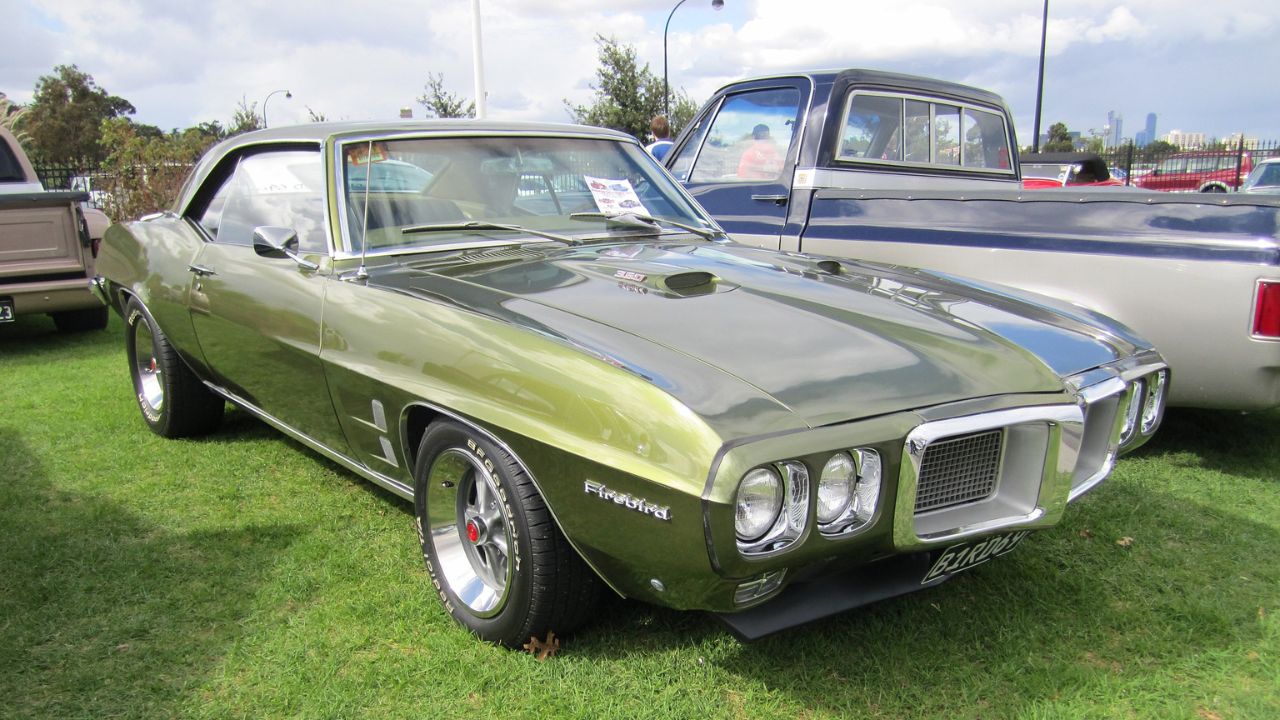
The 350 H.O. was a short-lived attempt to bridge the gap between small and big Pontiac V8s. It had higher compression, a hotter cam, and dual exhausts, making 320 hp in 1968—more than the base 400 in some trims. It was available in the Firebird and LeMans, but never got the marketing push or reputation of the bigger engines. It was quick and light, but its small displacement and brief production run meant it never really caught on. Most people didn’t even realize it existed.
Pontiac 428 V8 (1967–1969)
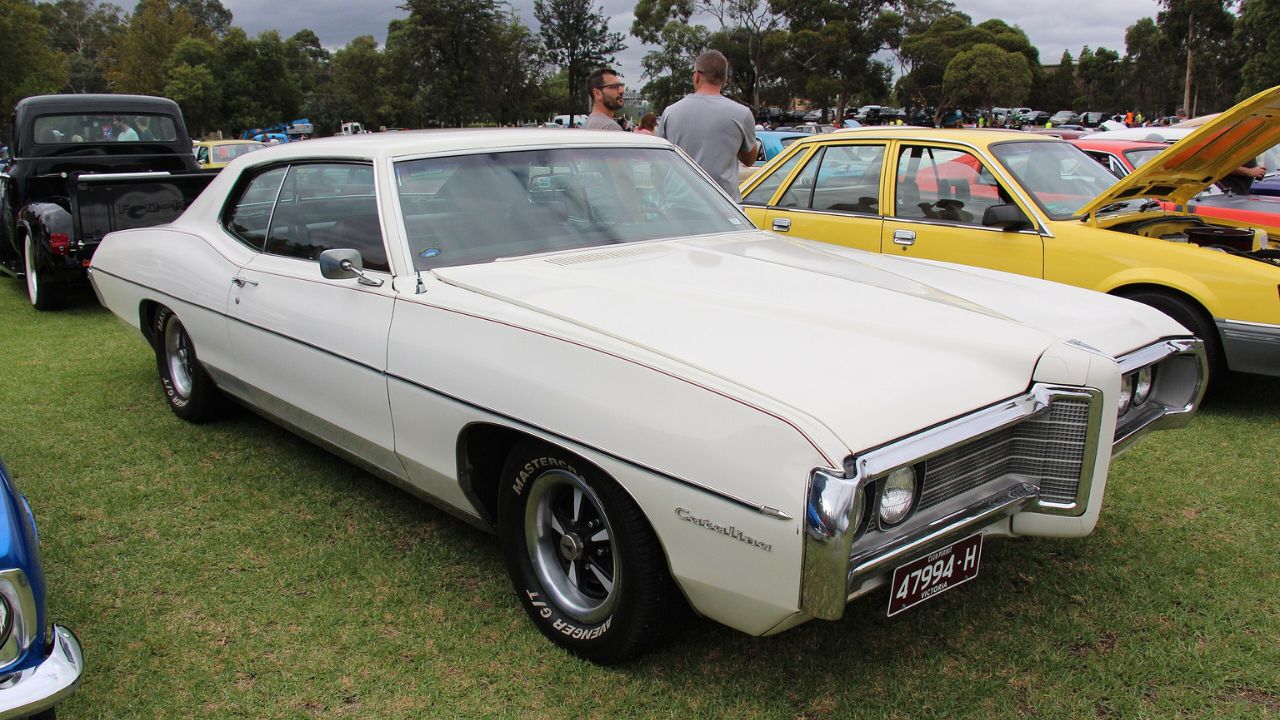
The 428 was basically a bored-out 421, making 360–390 hp in factory trim. It powered big cars like the Bonneville and Grand Prix, with lots of torque and solid acceleration for their size. But because Pontiac wanted to reserve the 400 for its mid-size performance cars, the 428 never officially went into the GTO. It showed up in a few dealer-built cars like the Royal Bobcats, but it wasn’t a mainstream performance option. As a result, it often gets ignored when people talk about Pontiac’s best muscle-era engines.
Pontiac 287 V8 (1955–1956)
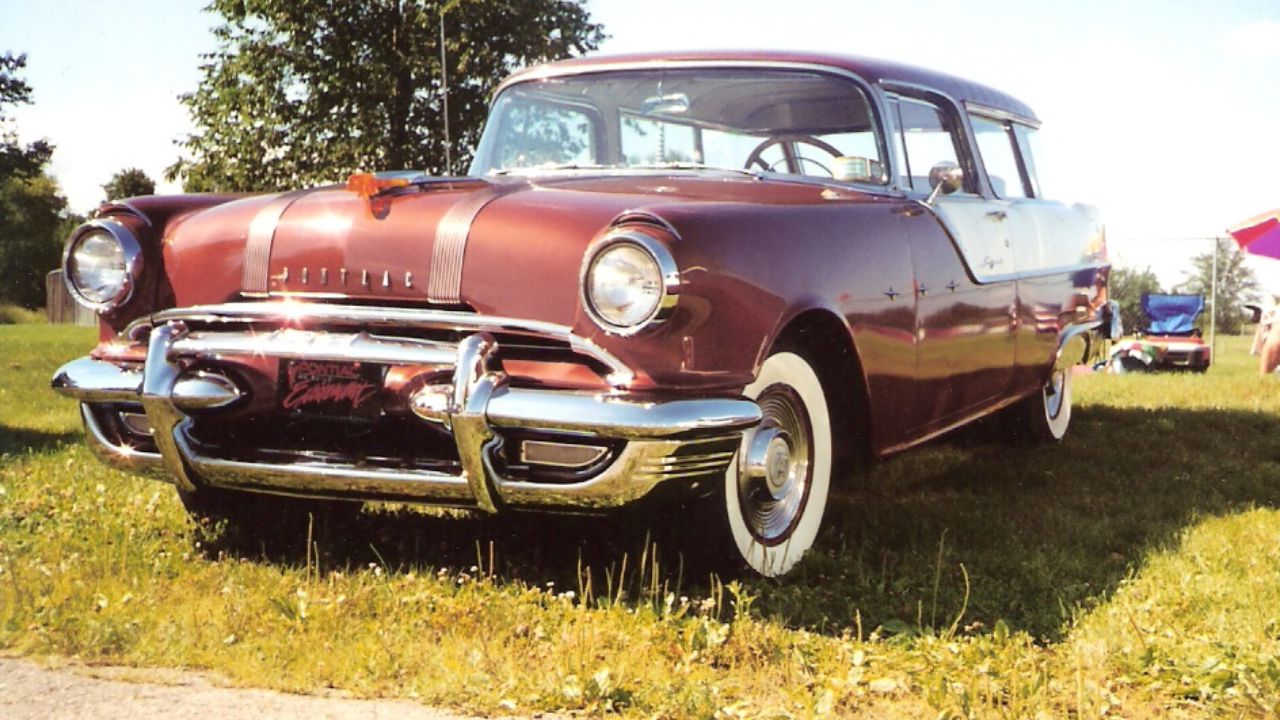
Pontiac’s first modern OHV V8, the 287 launched in 1955 with 180 hp and a 2-barrel carb. It wasn’t a high-revving engine, but it was reliable and smooth, bringing Pontiac into the V8 age. In 1956, a 4-barrel version bumped output to 205 hp. It shared architecture with later 326, 389, and 400 V8s, but by the time performance became a focus in the early ‘60s, the 287 was already history. It doesn’t show up in muscle car conversations because it was out of production before the muscle era even began.
Like Fast Lane Only’s content? Be sure to follow us.
Here’s more from us:
*Created with AI assistance and editor review.