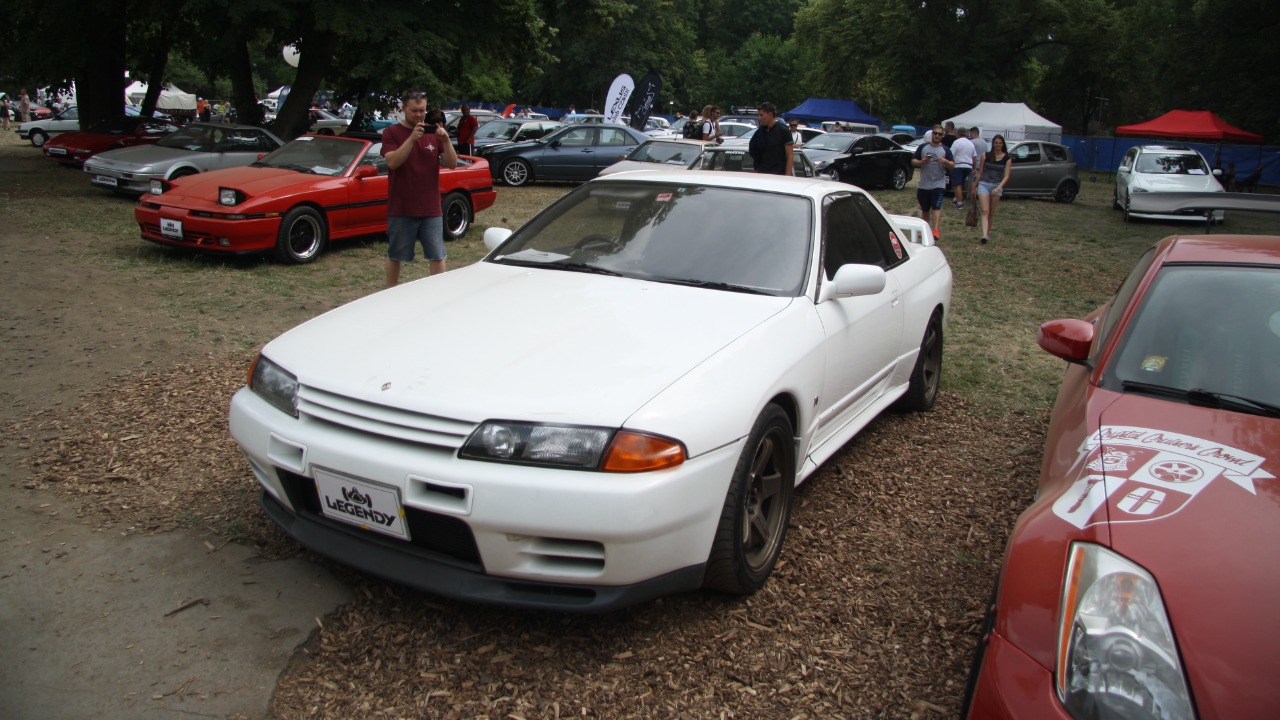
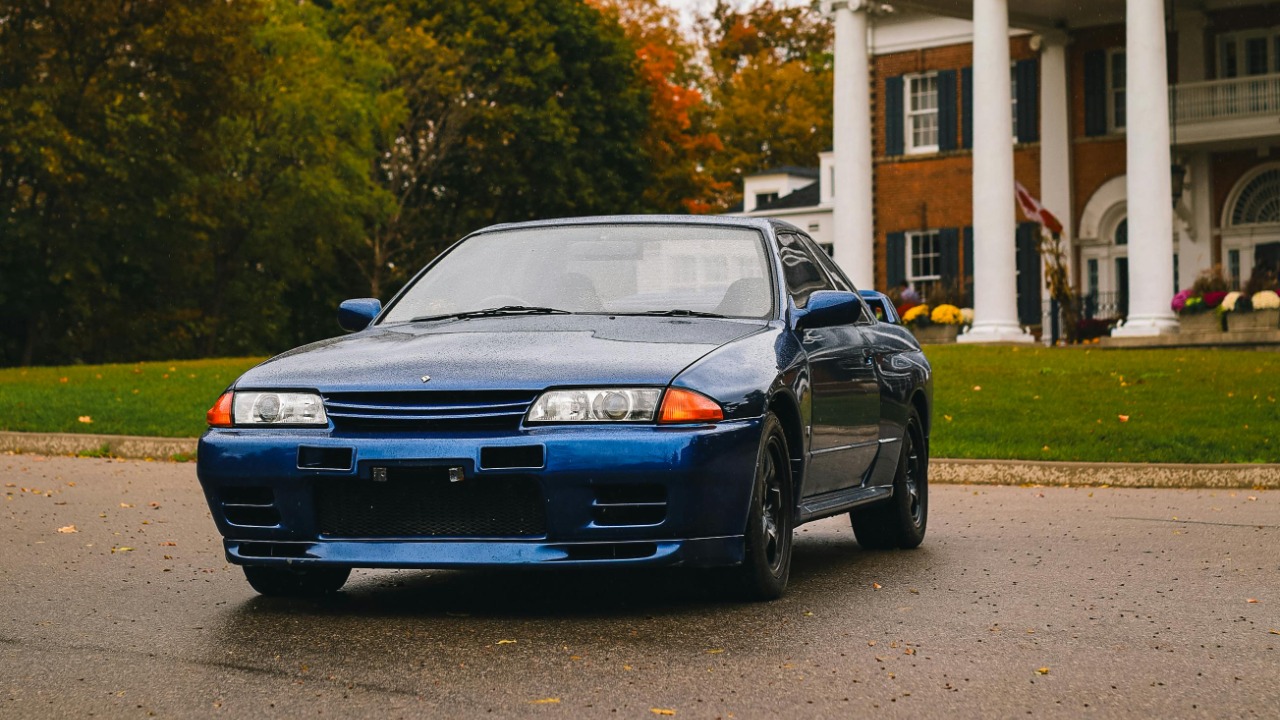
The Nissan R32 Skyline GT-R did not stumble into legend by accident. It arrived at the end of the 1980s as a focused racing weapon, then proceeded to dominate circuits so completely that rivals and commentators reached for monster metaphors to explain what they were seeing. That is how a Japanese coupe became the car that enthusiasts still recognize as the original “Godzilla,” a machine whose reputation has outgrown even its formidable spec sheet.
To understand how the R32 Skyline GT-R earned that name, I have to trace the path from its engineering brief to its racing record and then to the cultural echo that followed. The story runs from Japanese touring car grids to Australian mountain tracks, and from technical innovation to a nickname that an Australian magazine, and later an entire global fan base, turned into canon.
From engineering project to fearsome reputation
The R32 Skyline GT-R began as a technical statement, not a marketing exercise. Nissan set out to build a car that could reset its motorsport fortunes, and the result was a coupe packed with advanced hardware for its era, including a sophisticated all-wheel-drive system and a turbocharged straight-six that made the most of contemporary racing regulations. That combination of technology and performance quickly separated the R32 from its peers on track, where it started to look less like a production car and more like a purpose-built racing prototype in showroom clothing.
It was this blend of cutting-edge engineering and overwhelming pace that led the Australian publication Wheels to give the Skyline GT-R its most famous label. The magazine watched the car’s impact and dubbed it “Godzilla,” a nickname that captured how the R32 seemed to stomp through the field with a kind of unstoppable force. The description stuck because it fit the reality that the technology and performance of the R32 Skyline GT-R were so far ahead of the pack that it felt like a creature from another world had arrived in touring car racing.
Australia, Bathurst and the birth of “Godzilla”
The nickname may have been coined on the page, but it was forged on Australian tarmac. When the Nissan GTR arrived in Australia, it did not simply compete, it dominated, particularly at the Bathurst 1000, the country’s most storied endurance race. On the twisting climb and plunge of Mount Panorama, the car’s all-wheel drive traction and turbocharged power turned qualifying sessions and race stints into a showcase of how far the R32 had pushed the touring car formula.
That level of control and speed, especially in a field that had been used to rear-wheel-drive sedans, made the Nissan GTR look like a different species. Australian fans and rivals watched as the car rewrote lap records and race expectations, and it was in this context that the “Godzilla” label, born in Australia, took hold. The nickname reflected how the Nissan GTR used its dominance in racing, particularly at the Bathurst 1000, to become a kind of automotive monster in the Australian imagination, feared and admired in equal measure.
Racing pedigree and the making of a legend
On paper, the R32 Skyline GT-R was already impressive, but it was the car’s racing pedigree that turned it into a legend. The model was developed with competition in mind, and once it hit the track, it began stacking up victories that made its rivals look outdated. Its all-wheel-drive system delivered relentless traction out of corners, while its turbocharged engine provided the kind of mid-range surge that left naturally aspirated competitors scrambling to respond. The result was a pattern of domination that made the GT-R the benchmark in its category.
That sustained success is central to how the R32 earned its famous nickname. The car did not just win, it often controlled entire championships, and that level of superiority fed the narrative that this was a monster that could not be contained. Analysts have pointed out that racing pedigree and domination were the core reasons the R32 GT-R got its Godzilla nickname, a view that aligns with how the car’s on-track record shaped its myth. In that sense, the R32 did not rely on marketing spin; it let its racing pedigree and domination do the talking, and the Godzilla moniker followed naturally from what competitors and commentators were already seeing.
Inside the R32: technology built for the track
Behind the mythology, the R32 Skyline GT-R was a carefully engineered response to the demands of late-1980s motorsport. Nissan’s goal at the close of that decade was to create a car that could encompass the best of its performance know-how, and the R32 became the platform for that ambition. The chassis was tuned for high-speed stability and precise turn-in, while the drivetrain was designed to put power down cleanly even when grip was marginal, a crucial advantage in touring car racing where tire management and traction can decide championships.
That focus on competition shaped everything from the car’s weight distribution to its production numbers. More success was found in racing than in pure showroom volume, and the R32 Skyline GT-R became known as a machine built in relatively limited quantities compared with mainstream models, with just over 1,300 cars built in certain competition-focused configurations. The story of how Godzilla rises from this mix of engineering intent and racing execution helps explain why the Nissan Skyline GT, in R32 form, still feels like a purpose-built weapon rather than a mass-market performance variant.
Why “Godzilla” still matters today
Decades after the R32 Skyline GT-R first appeared, the Godzilla nickname continues to shape how enthusiasts and collectors see the car. The label has become shorthand for a particular kind of performance: brutal, effective and rooted in motorsport rather than marketing hype. When I look at how the term is used now, it often extends beyond the original R32 to later GT-R models, but the core reference point remains that first car that shocked Australian touring car grids and forced rule makers and rivals to rethink what was possible.
The persistence of the Godzilla name also reflects how a regional story can become global. What started with an Australian magazine and the reaction of Australian fans to a dominant touring car has turned into a worldwide symbol of Japanese performance engineering. The R32 Skyline GT-R sits at the center of that story, the car that first earned the monster nickname through its actions on track, and the benchmark against which every subsequent GT-R is still, in some way, measured.