Supercars are synonymous with speed, precision, and cutting-edge technology, pushing the boundaries of automotive engineering. Among the many advanced components that set these vehicles apart, carbon brakes stand out as a crucial innovation. Delving into their benefits, technology, and the role they play in these high-performance machines reveals the real reasons why supercars rely on carbon brakes.
The Science Behind Carbon Brakes

Carbon brakes are crafted from unique materials such as carbon-ceramic composites, which contribute to their superior performance. These materials are specifically chosen for their exceptional properties. Carbon-ceramic composites, for example, combine carbon fibers and ceramic matrices, offering high temperature resistance and mechanical strength. This unique composition enables carbon brakes to outperform traditional brake materials, ensuring optimal performance in high-stress environments. One of the standout features of carbon brakes is their ability to manage heat more effectively than traditional brakes. In high-performance scenarios, brakes can reach extreme temperatures, leading to fade and reduced efficiency. However, carbon brakes excel in heat dissipation and thermal stability, maintaining consistent performance even under the most demanding conditions. This thermal efficiency ensures that drivers experience reliable and powerful braking, regardless of how aggressively the vehicle is driven. The lightweight nature of carbon brakes is another significant advantage, directly impacting the performance of supercars. By reducing unsprung weight, carbon brakes enhance agility and acceleration, allowing for quicker responses and more precise handling. This weight reduction contributes to the overall performance capabilities of supercars, making them not only faster but also more nimble.
Performance Advantages in Supercars

Carbon brakes are renowned for their enhanced stopping power, which is crucial for the high-speed performance of supercars. This superior stopping capability provides drivers with greater control and safety, allowing for more aggressive driving without compromising on braking precision. The advanced materials used in carbon brakes ensure that they deliver consistent and powerful braking performance, a key factor in maintaining the high standards expected of supercars. Another benefit of carbon brakes is their longevity and durability. Compared to conventional brakes, carbon brakes have an extended lifespan, making them a cost-effective choice for high-performance vehicles. Their durability means less frequent replacements and maintenance, which is particularly advantageous for supercar owners who demand both performance and efficiency from their vehicles. Carbon brakes also contribute to a smoother driving experience by minimizing noise and vibrations. This not only enhances vehicle handling but also improves the overall comfort for drivers and passengers. With reduced noise and vibration levels, supercar drivers can enjoy a more refined and controlled driving experience.
Technological Innovations and Development
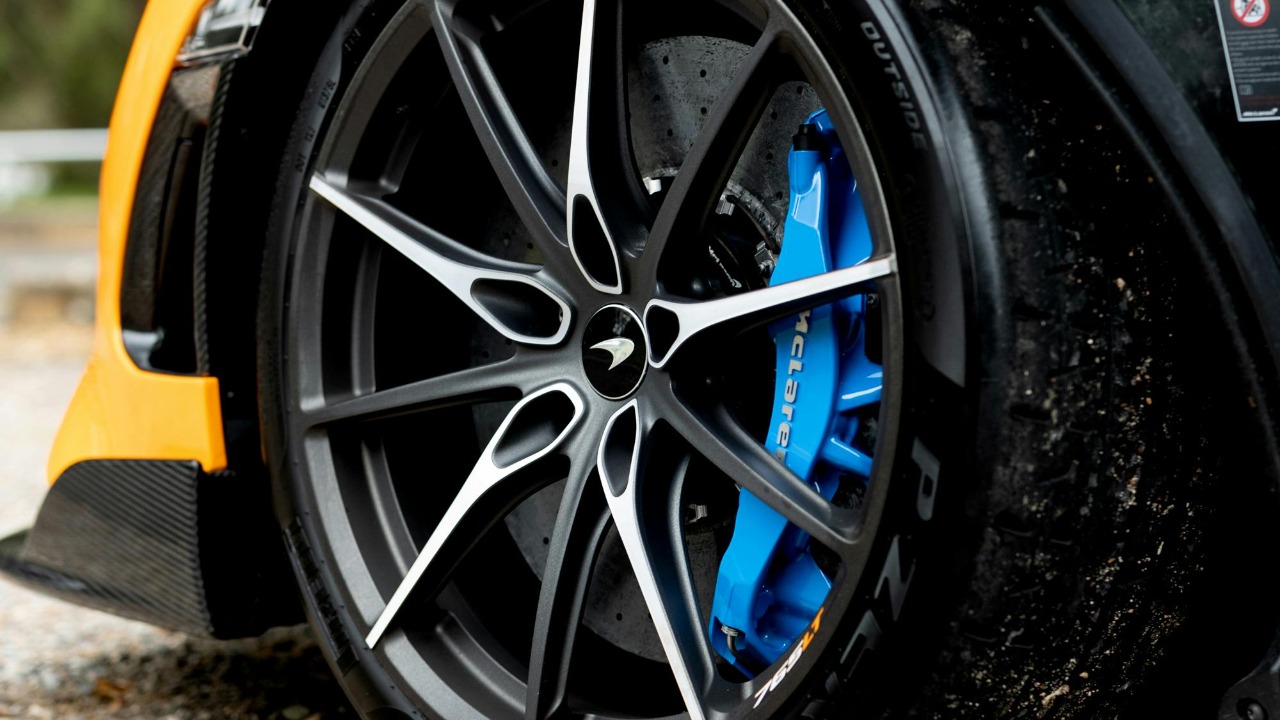
The evolution of carbon brake technology is a fascinating journey, tracing its origins from aerospace applications to its current use in the automotive industry. Initially developed for use in aircraft, carbon brakes have been adapted over the years to meet the specific demands of supercars. This transition highlights the innovative spirit of the automotive sector, continually seeking to incorporate cutting-edge technology to enhance vehicle performance. In modern supercars, carbon brakes are integrated with advanced systems such as electronic stability control and adaptive suspension. This integration enhances overall vehicle performance, allowing for seamless coordination between different systems to optimize handling and safety. The McLaren Speedtail, for instance, showcases how carbon brakes are utilized in conjunction with other advanced technologies to create a high-performance vehicle that is both fast and safe. McLaren’s design demonstrates the potential of carbon brakes when combined with cutting-edge automotive systems. Looking ahead, future trends and innovations in carbon brake technology promise to further enhance the capabilities of supercars. As materials science advances and manufacturing processes improve, the potential for even lighter and more efficient carbon brakes becomes a reality. These advancements will likely continue to shape the next generation of supercars, pushing the boundaries of what is possible in automotive engineering.
Challenges and Considerations

Despite their advantages, carbon brakes come with challenges, particularly in terms of cost and accessibility. The high production costs of carbon brakes limit their use primarily to supercars and high-end vehicles, making this technology less accessible to the broader market. This exclusivity is both a factor of the materials used and the complex manufacturing processes involved in producing carbon brakes. Maintenance and care are also important considerations for carbon brakes. While they are more durable than traditional brakes, they require specific maintenance procedures to ensure optimal performance. Understanding these requirements is crucial for supercar owners to maintain the longevity and efficiency of their braking systems. For a detailed overview of maintenance practices, the Institute of Electrical and Electronics Engineers (IEEE) provides valuable insights into the care of advanced braking systems. Environmental and sustainability concerns are increasingly relevant in the discussion of carbon brakes. The production and disposal of carbon brake components raise questions about their environmental impact, prompting researchers and manufacturers to explore more sustainable alternatives and practices. As the automotive industry moves towards greater environmental consciousness, addressing these concerns will be essential for the continued development and adoption of carbon brake technology.
The Role of Carbon Brakes in Automotive Excellence
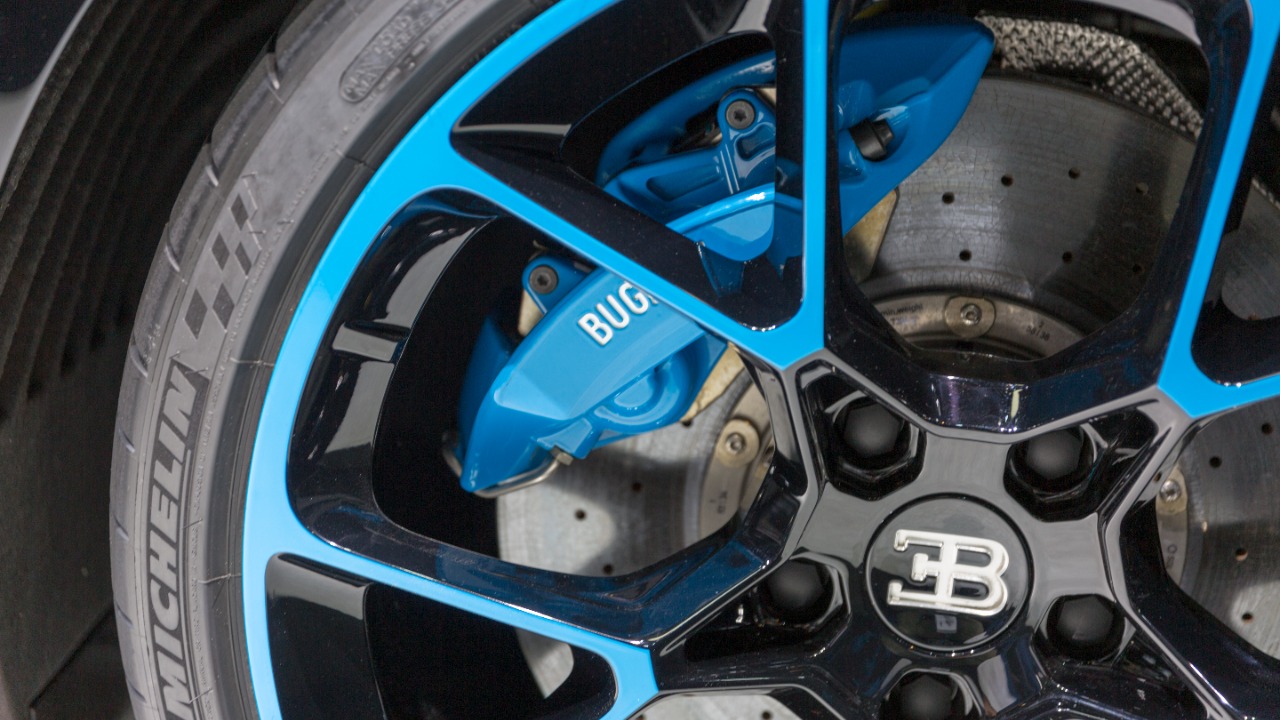
Carbon brakes have become a defining feature of supercars, symbolizing their commitment to performance and innovation. As a key component of these high-performance vehicles, carbon brakes contribute to the identity of supercars, reflecting their status as leaders in automotive technology. The use of carbon brakes in models like the Bugatti Chiron and the Ferrari LaFerrari exemplifies this commitment to excellence.
In competitive motorsports, carbon brakes provide a significant competitive edge. Their superior performance and reliability allow race cars to achieve faster lap times and better handling, influencing vehicle design and engineering. The advantages of carbon brakes in racing environments underscore their importance in the pursuit of speed and precision.
Ultimately, carbon brakes enhance driver confidence by delivering reliable and consistent performance. This reliability allows drivers to push the limits of their vehicles safely, knowing that their braking system can handle the demands of high-speed driving. As such, carbon brakes play a vital role in the overall driving experience, ensuring that supercars remain at the forefront of automotive excellence.
Like Fast Lane Only’s content? Be sure to follow us.
Here’s more from us:
*Created with AI assistance and editor review.