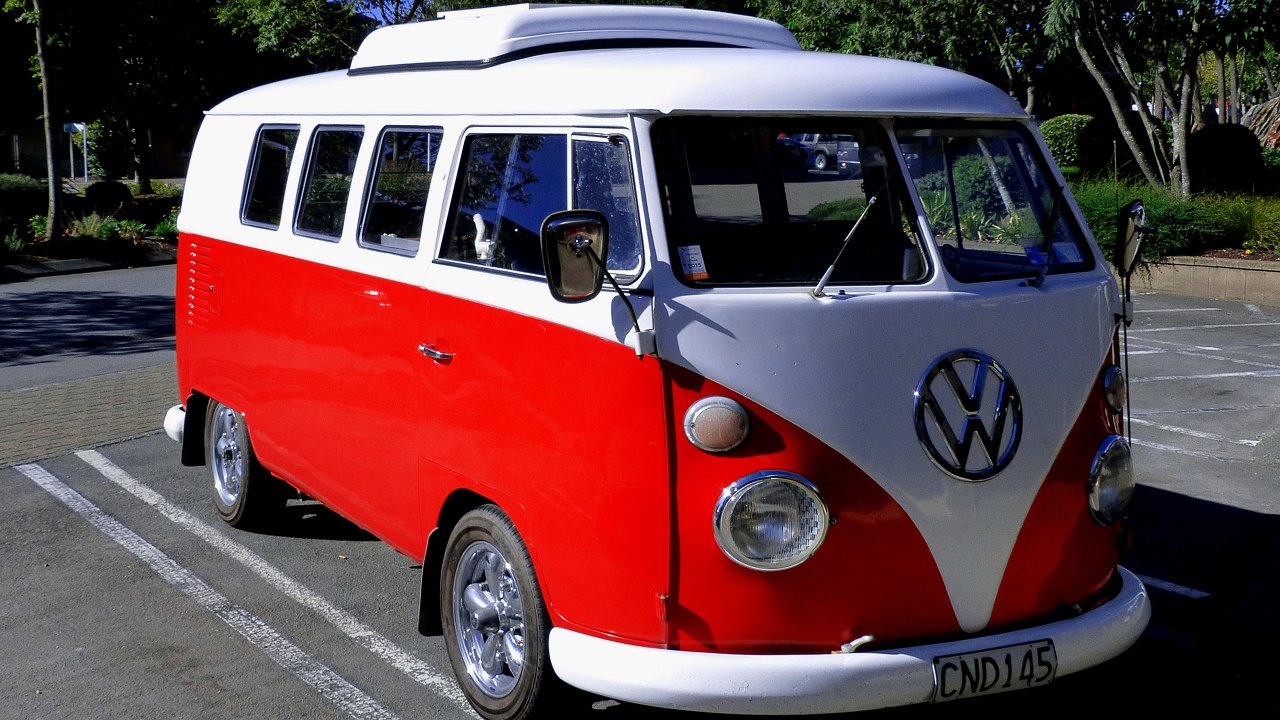
Over the past decade, camper vans and the van life culture have transitioned from a niche lifestyle choice to a mainstream movement capturing the imagination of adventurers, minimalists, and digital nomads alike. This trend reflects a growing desire for freedom, flexibility, and a deeper connection with nature. As more people seek alternatives to traditional living, camper vans are becoming a symbol of a lifestyle that emphasizes experiences over possessions.
The Origins of Van Life Culture
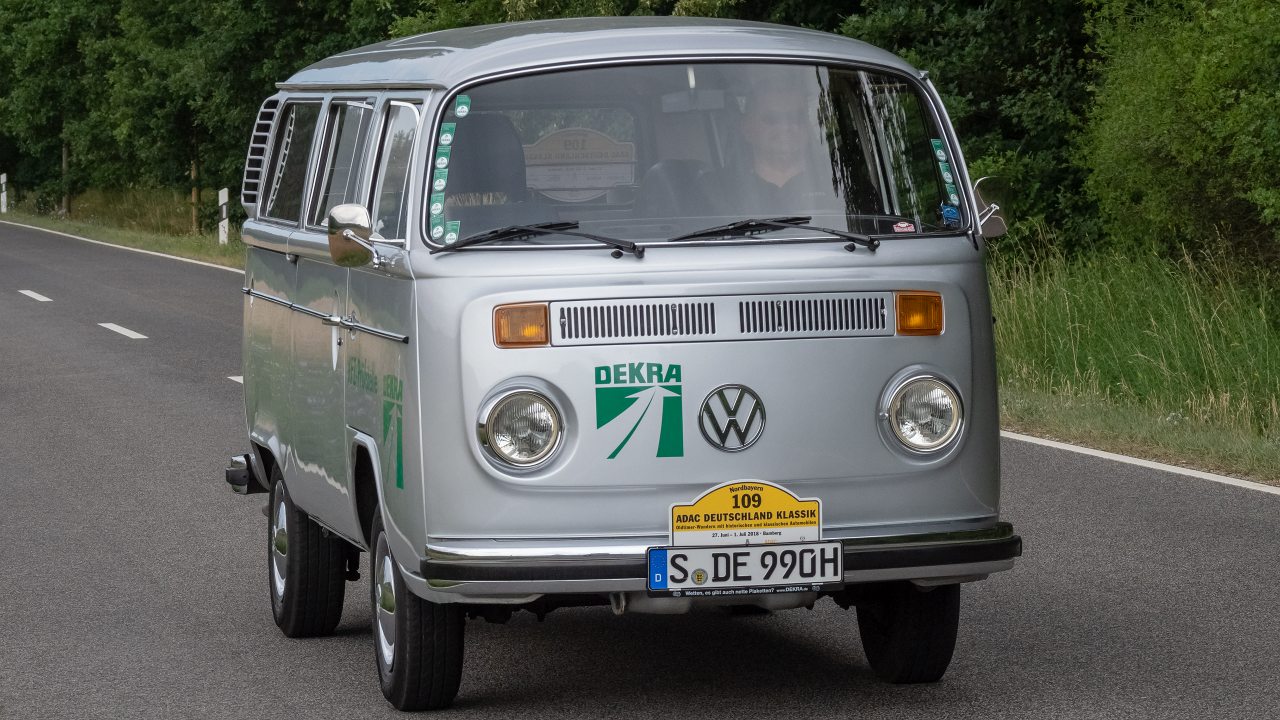
The history of van life can be traced back to the early days of the automobile industry when the concept of converting vehicles for living purposes first took root. Initially, camper vans were simple modifications made to existing vehicles, providing basic shelter for travelers. Over time, these simple conversions evolved into more sophisticated designs, offering increased comfort and functionality. The Volkswagen Type 2, better known as the VW Bus, became an icon of this burgeoning lifestyle in the 1960s and 70s, symbolizing freedom and adventure for many.
The hippie era played a significant role in shaping modern van life culture. During the 1960s, the counterculture movement emphasized values such as peace, love, and harmony with nature, which naturally extended to how people traveled and lived. Camper vans became a popular choice for those seeking to explore new places while maintaining a close connection to the earth. Key figures, such as Ken Kesey and the Merry Pranksters, were instrumental in popularizing this way of life through their infamous road trips across the United States, capturing the spirit of adventure and nonconformity that continues to inspire van lifers today.
Factors Driving the Popularity of Van Life
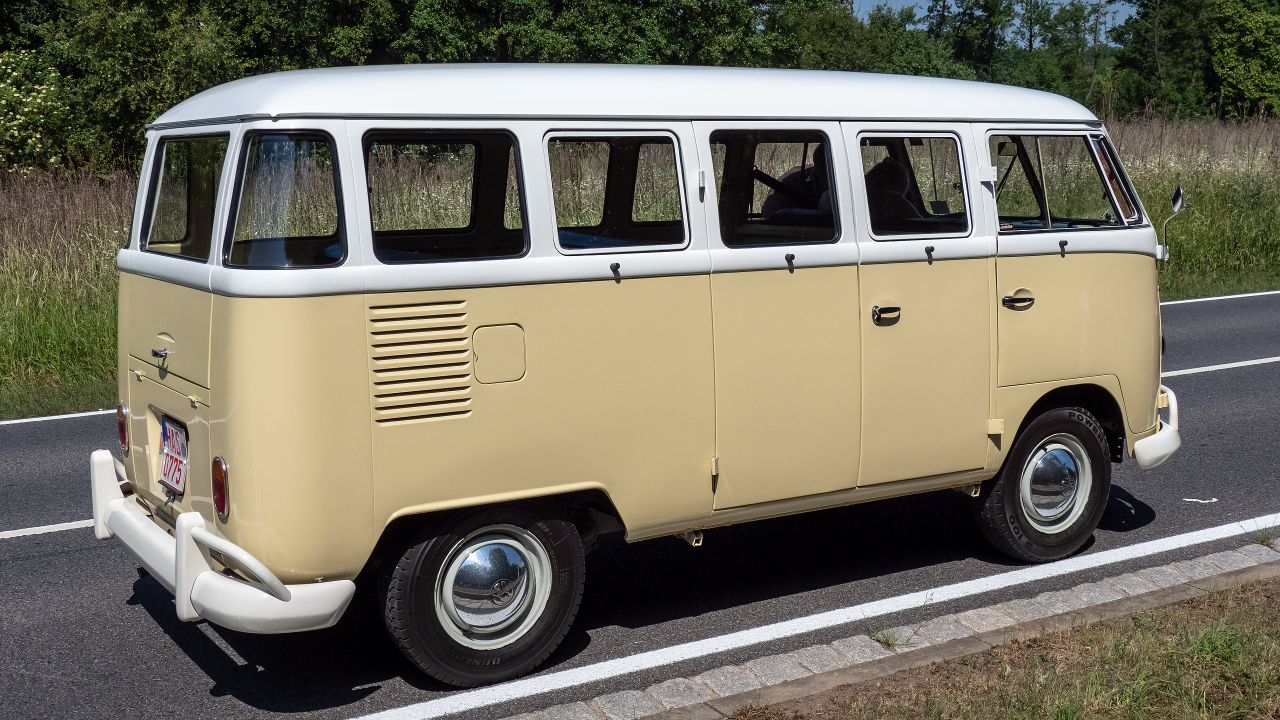
Economic factors have been a significant driver in the rise of van life culture. As housing prices soar in urban centers, many individuals are turning to camper vans as an affordable alternative to traditional housing. This shift allows people to prioritize financial freedom and flexibility over the burdens of a mortgage or high rent. Furthermore, the ongoing trend of remote work has made it feasible for digital nomads to earn a living while embracing a mobile lifestyle, untethered from any fixed location.
Technological advancements have also played a crucial role in enabling the van life movement. Portable technology, such as laptops and smartphones, allows individuals to work from virtually anywhere. Solar panels and portable battery systems have made off-grid living more sustainable, providing power for essential devices without relying on traditional electricity sources. Social media platforms like Instagram and YouTube have further fueled the popularity of van life by showcasing the lifestyle’s aspirational aspects, with influencers sharing stunning travel photos and practical tips for living on the road.
The Camper Van Market Boom
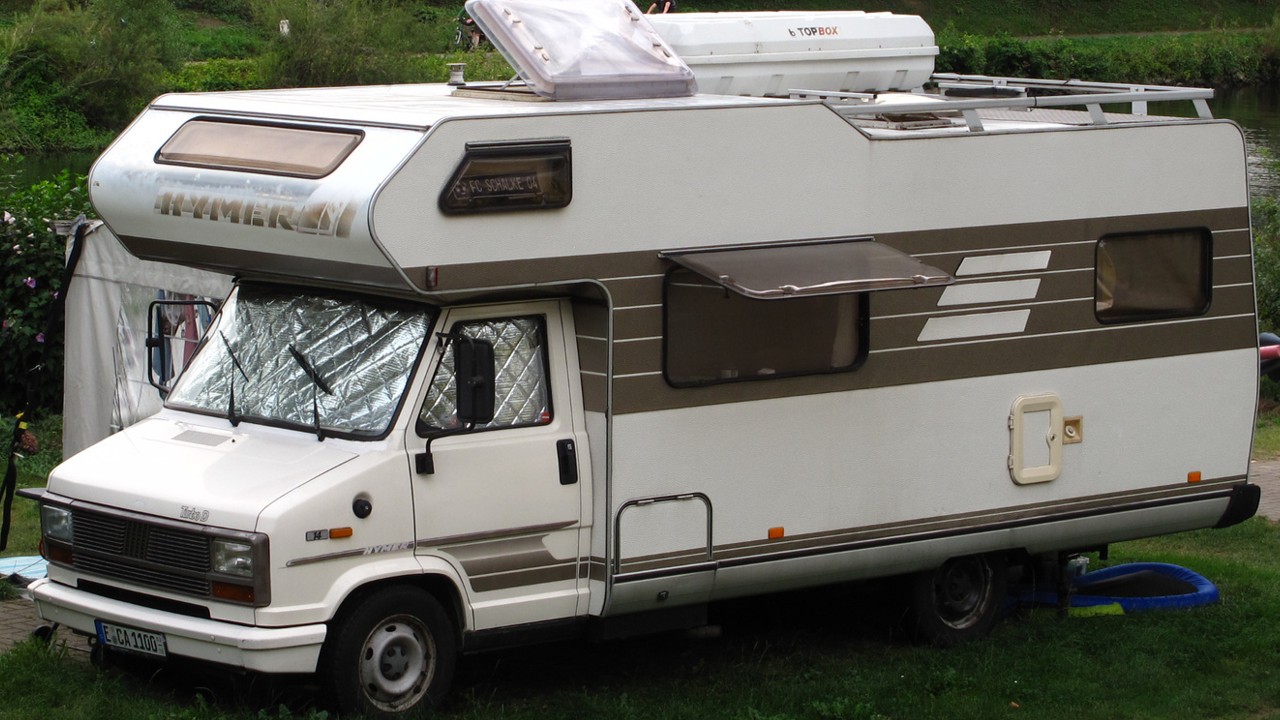
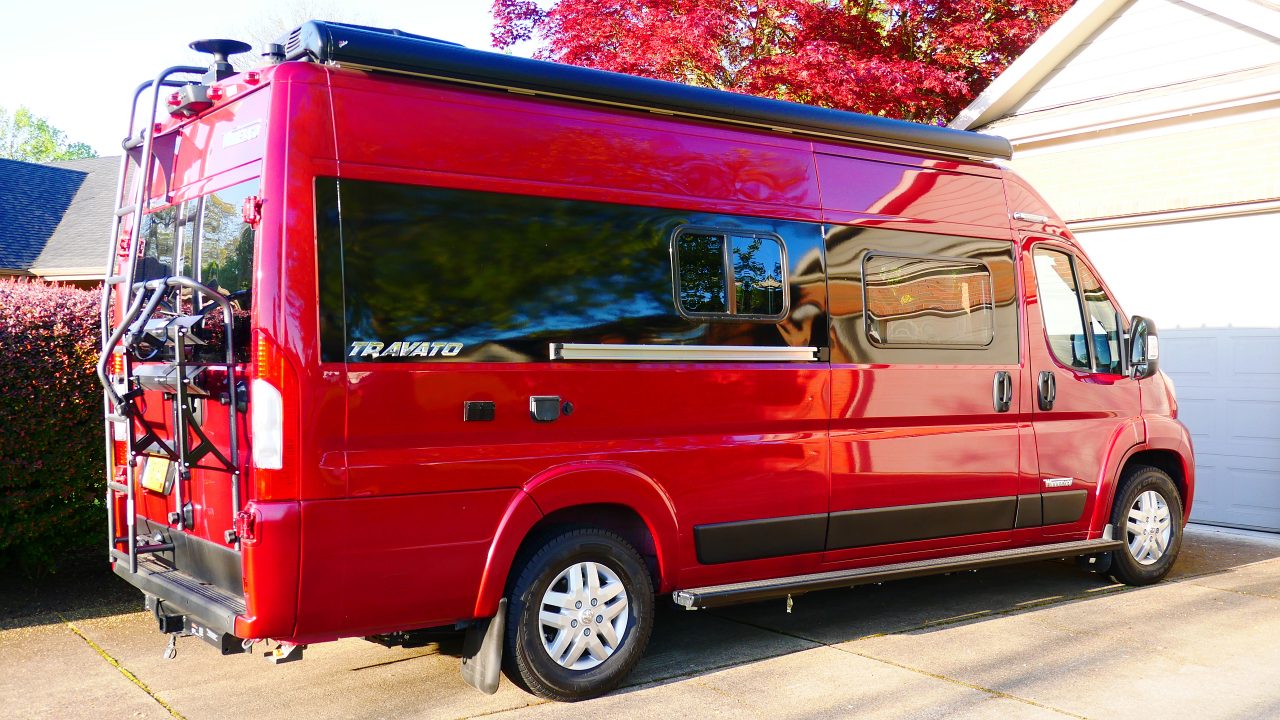
The surge in van life popularity has led to a boom in the camper van market, with manufacturers and DIY enthusiasts alike driving innovation and customization. Companies like Winnebago and Mercedes-Benz have introduced models specifically designed for the van life crowd, offering a range of amenities from modular interiors to advanced off-road capabilities. Simultaneously, a thriving DIY community has emerged, with individuals transforming standard vans into personalized mobile homes using creative, cost-effective solutions.
As the demand for camper vans continues to grow, the industry has seen significant expansion, with rental services catering to those interested in sampling the lifestyle before committing. Companies such as Outdoorsy and Escape Campervans offer flexible rental options, allowing people to experience van life on their terms. Demographically, van life attracts a diverse group of individuals, from young professionals seeking adventure to retirees looking for a simpler, more fulfilling way of life.
Challenges and Realities of Van Living
Despite its many appeals, van life comes with its own set of challenges and realities. Legal and logistical issues, such as finding safe and legal places to park overnight, obtaining adequate insurance, and ensuring personal safety, can be daunting for newcomers. Navigating these hurdles requires careful planning and a willingness to adapt, as regulations and conditions can vary significantly depending on location.
Environmental considerations also play a critical role in the sustainability of van life. While living in a camper van can reduce one’s carbon footprint compared to a traditional home, it still involves resource consumption and waste generation. Many van lifers strive to adopt eco-friendly practices, such as using solar power, minimizing waste, and supporting local economies during their travels. Socially, the transient nature of van life can lead to loneliness and isolation. To combat this, many van lifers actively seek out communities and networks, both online and offline, to share experiences and foster a sense of belonging.
The Future of Van Life Culture
As van life continues to evolve, new trends and directions are emerging. One potential development is the integration of van life with traditional living, as more people explore hybrid lifestyles that combine stationary and mobile elements. This could lead to innovations in housing design and urban planning, incorporating flexible living spaces that cater to the needs of modern nomads.
Community building is another promising area for the future of van life culture. As the movement grows, there is potential for the creation of supportive networks and shared spaces, where van lifers can come together to exchange ideas, resources, and companionship. These communities could foster a sense of solidarity and support, helping to address some of the social challenges associated with living on the road.
Like Fast Lane Only’s content? Be sure to follow us.
Here’s more from us:
*Created with AI assistance and editor review.