Unions have played a pivotal role in the car manufacturing industry, profoundly influencing labor practices, safety standards, and employee rights. Over the years, they have been instrumental in shaping the industry’s landscape, from advocating for improved working conditions to negotiating wage increases and benefits. Their impact is felt across historical and contemporary contexts, as they continue to adapt to the challenges of a modernizing world.
Historical Context of Unions in Car Manufacturing
The formation of automotive unions in the early 20th century marked a significant turning point in the industry. Organizations like the United Auto Workers (UAW), which officially formed in 1935, sought recognition from major car manufacturers, including Ford, General Motors, and Chrysler. These early unions faced considerable resistance but slowly gained traction through persistence and solidarity among workers.
One of the most notable events was the 1936-1937 Flint Sit-Down Strike, where workers occupied General Motors factories and demanded better wages and working conditions. This strike was pivotal, leading to General Motors recognizing the UAW and setting a precedent for other manufacturers to follow suit. Throughout the mid-20th century, unions negotiated collective bargaining agreements that significantly improved labor standards.
Legislative changes, such as the National Labor Relations Act of 1935, were heavily influenced by union advocacy. This act guaranteed workers the right to organize and collectively bargain, laying the groundwork for modern labor relations in the automotive sector. Unions have continued to shape legislation, ensuring that car manufacturers adhere to fair labor practices.
Influence on Labor Rights and Working Conditions
Unions have been at the forefront of securing fair wages and benefits for auto workers. Through collective bargaining, they have successfully negotiated pay raises, health benefits, and pension plans that provide security for workers and their families. These negotiations have been crucial in maintaining a living wage standard in the industry.
Workplace safety is another area where unions have made significant strides. The automotive industry, with its heavy machinery and assembly line processes, poses numerous hazards. Unions have advocated for measures to reduce accidents and improve safety protocols, resulting in a decrease in workplace injuries over the years. Implementing safety training and advocating for better equipment are just some ways unions have contributed to safer working environments.
Standardized working hours and overtime compensation have also been major victories for unions. Before union intervention, workers often faced long hours without adequate rest or compensation. By establishing norms for a typical workweek and ensuring overtime pay, unions have improved the quality of life for countless auto workers, allowing for a more balanced work-life dynamic.
Unions and Technological Advancements in Manufacturing
The advent of automation and advanced manufacturing technologies has posed new challenges for unions. As car manufacturers increasingly rely on robots and automated systems, unions have had to navigate the potential displacement of workers. However, unions have been proactive in advocating for retraining programs that equip workers with the skills needed to operate and maintain new technologies.
Unions have played a critical role in fostering skill development through partnerships with community colleges and vocational training programs. By promoting education and continuous learning, they ensure that workers remain competitive and valuable in an evolving industry. This focus on skill enhancement helps balance the need for productivity with the preservation of jobs.
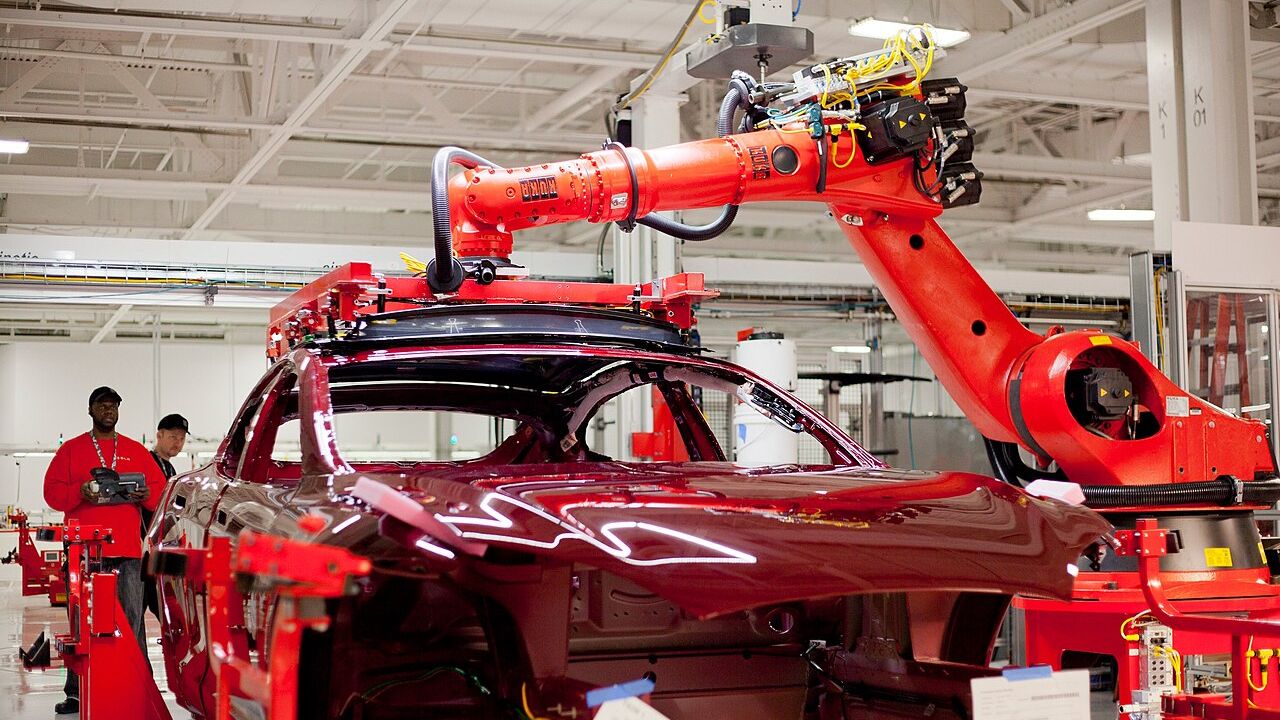
Balancing productivity with job security remains a central concern for unions. As the industry evolves, unions continue to negotiate agreements that protect workers’ interests while allowing manufacturers to innovate. These negotiations often involve discussions about maintaining a certain number of jobs or creating new roles that align with technological advancements.
Economic Impact of Unions on the Car Industry
The presence of unions in the car industry has a notable impact on production costs and pricing strategies. While unionized labor often results in higher wages, it also contributes to a more stable and experienced workforce, which can enhance productivity and product quality. The trade-off between labor costs and efficiency is a key consideration for manufacturers.
Unions have also played a role in negotiating plant closures and relocations. Such decisions can have significant economic implications for local communities. By advocating for workers’ rights and negotiating severance packages or transitional support, unions help mitigate the negative impact of these changes on affected workers and their families.
Union-led initiatives contribute to local and national economies by supporting job creation and advocating for economic policies that benefit the broader workforce. For example, unions have supported green manufacturing initiatives, promoting sustainable practices that align with environmental goals while creating new job opportunities in the industry.
Current Challenges and Future Directions
The globalized nature of the car manufacturing market presents new challenges for unions. As manufacturers expand operations overseas, unions must adapt their strategies to address the complexities of international labor relations. This includes advocating for fair labor practices in countries with different regulatory environments.
Addressing the needs of a diverse and younger workforce is another priority for unions. As new generations enter the workforce, unions must engage with a demographic that may have different expectations and priorities. This includes leveraging digital tools for communication and organizing, as well as focusing on issues like work-life balance and career development.
The shift towards electric vehicles and sustainable manufacturing practices presents both challenges and opportunities for unions. As the industry embraces cleaner technologies, unions are involved in negotiating the terms of this transition, ensuring that workers are not left behind. This includes advocating for training programs in electric vehicle production and collaborating with manufacturers to develop sustainable practices that benefit both workers and the environment.