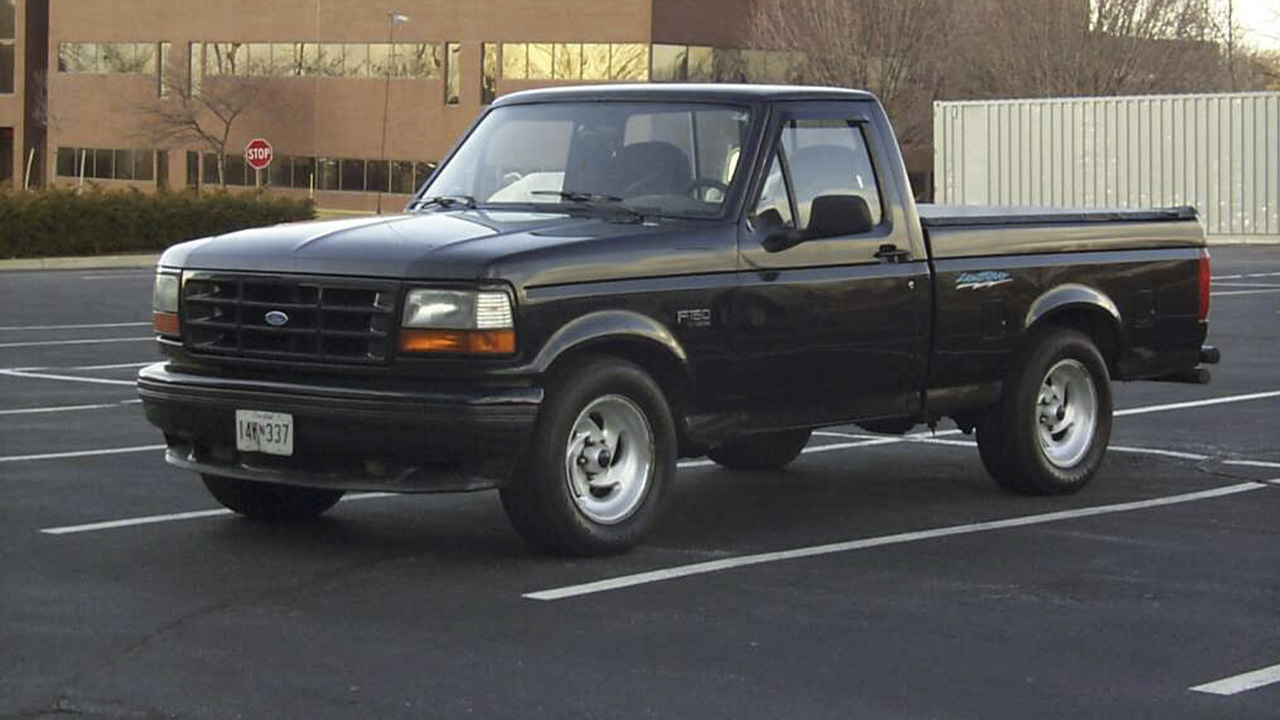
Ford’s Special Vehicle Team (SVT) launched the Lightning in 1993, well before muscle trucks were a thing. This wasn’t a lifted off-roader—it was a lowered street machine built to hustle. With V8 power, a tuned suspension, and Ford’s blessing, the SVT Lightning became the blueprint for future performance pickups. Here are eight facts that explain why it stood out back then—and why it still matters now.
It packed a tuned 5.8-liter V8
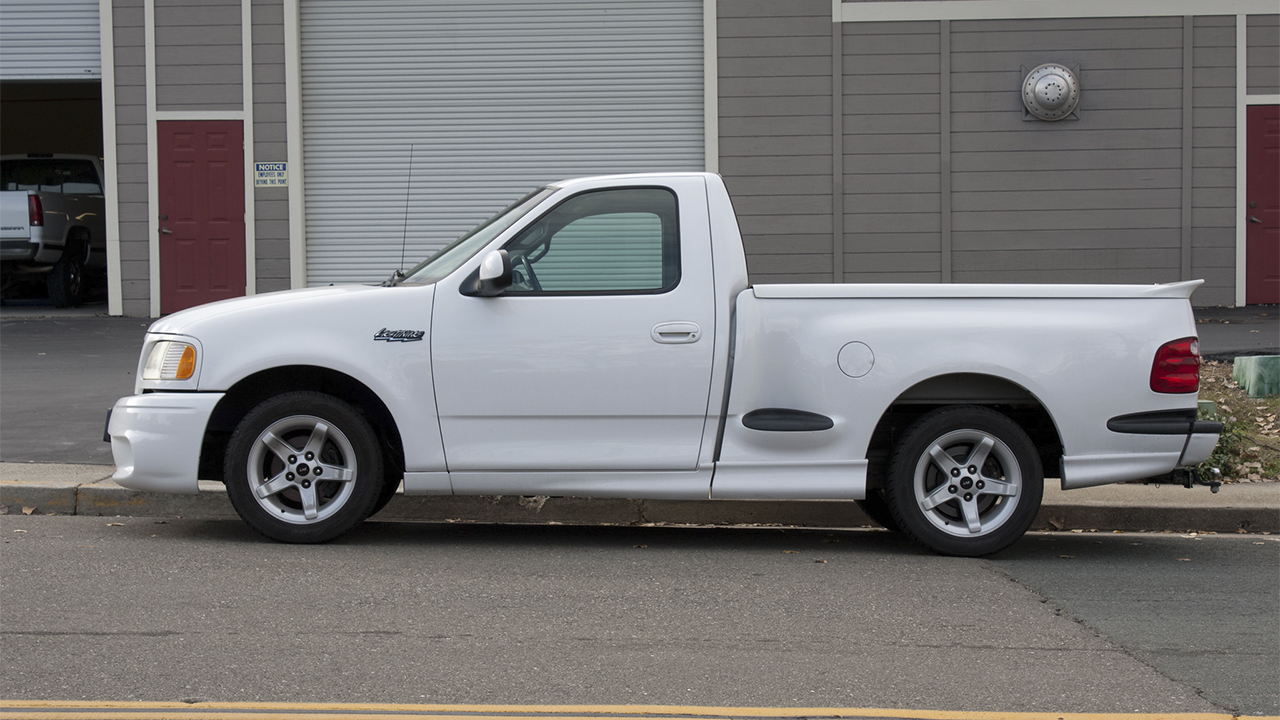
The first-gen Lightning used a modified 5.8L (351 ci) Windsor V8 making 240 hp and 340 lb-ft. That was 65 more horsepower than a standard F-150. It used GT40 heads, a higher-lift cam, and unique intake and exhaust tuning.
All of it came together through a 4-speed E4OD automatic. Ford didn’t just up the numbers—they gave it a wide torque band that made it feel eager even off idle. It hit 0–60 in around 7.2 seconds.
The suspension wasn’t just stiffer—it was smarter
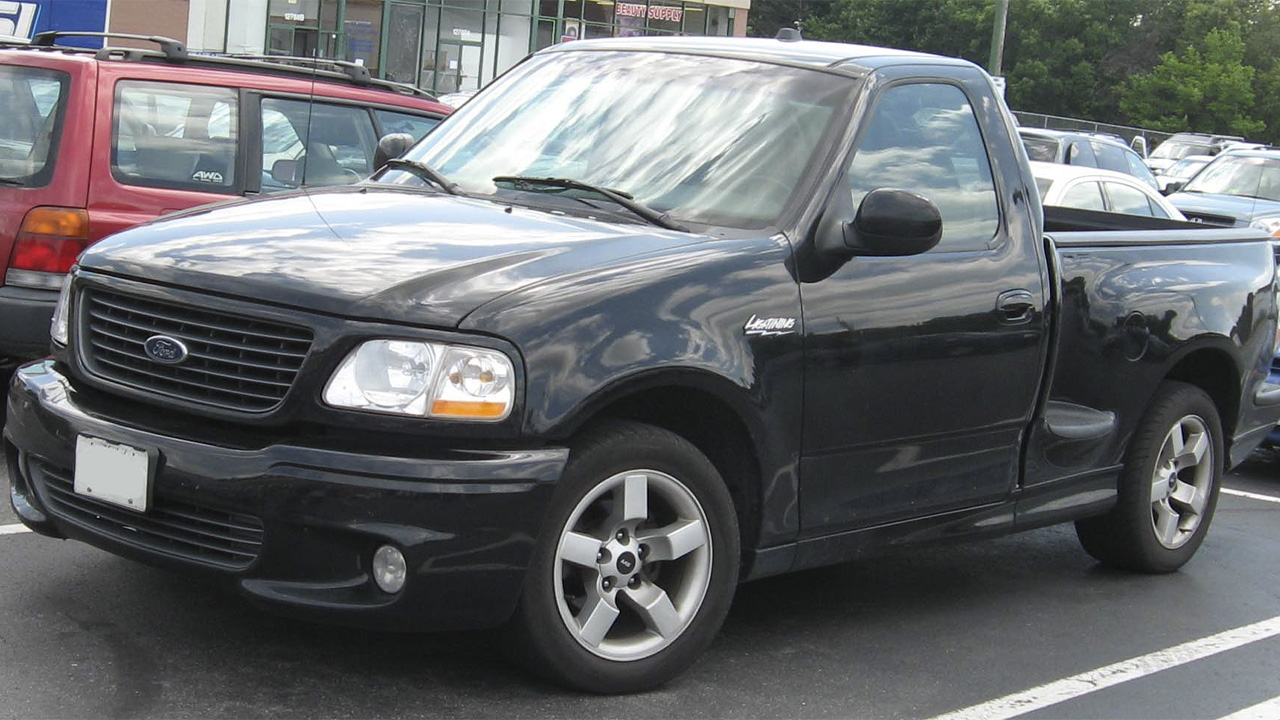
Ford engineers lowered the Lightning 1.5 inches up front and 1 inch in the rear. They added Monroe Formula GP gas shocks, a front sway bar, and stiffer springs to help it corner flatter.
Unlike most trucks of its time, the Lightning didn’t bounce or lean hard in turns. Car and Driver reported 0.88g on the skidpad—nearly unheard of for a pickup in the early ’90s. It handled more like a muscle car than a work truck.
It had serious street presence
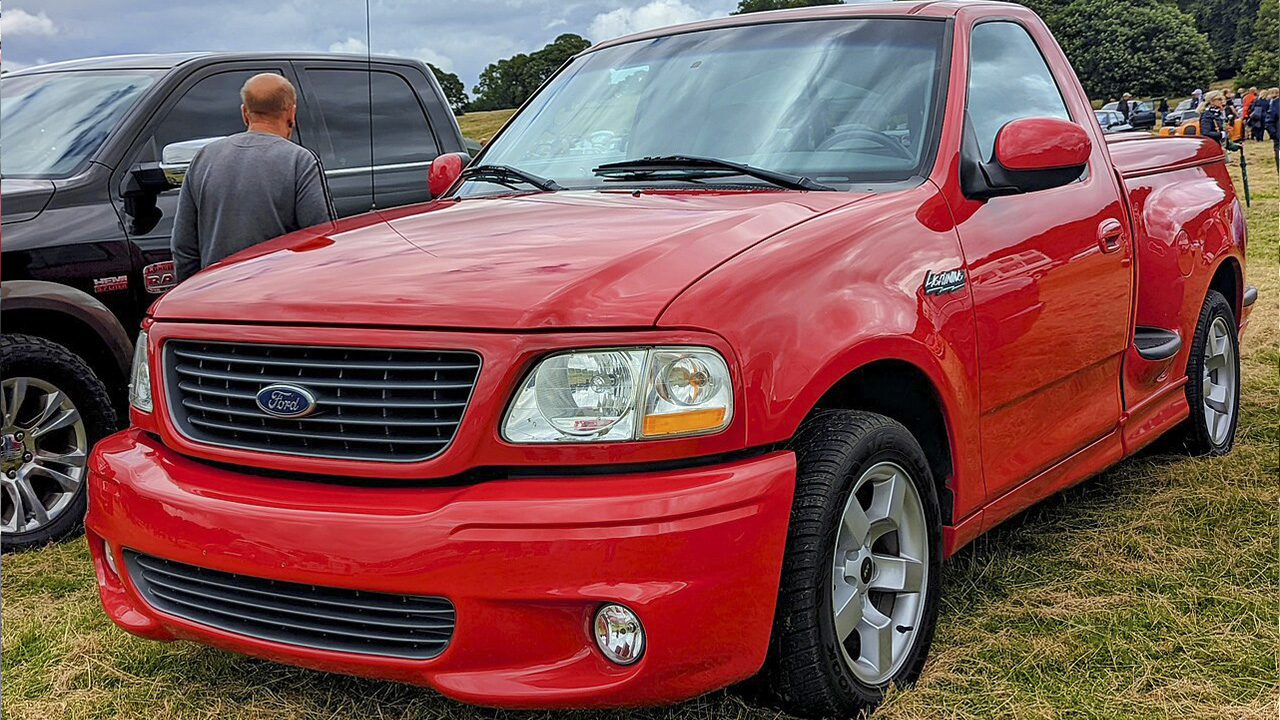
SVT gave the Lightning a clean, lowered look with unique 17-inch aluminum wheels, body-color bumpers, and subtle Lightning badging. The package was restrained but purposeful.
It only came in black, red, or white for 1993–1995. Inside, you got a 120-mph speedometer, leather-wrapped wheel, and unique sport bucket seats with Lightning embroidery. It looked like a regular F-150—until it pulled away.
It was factory-tested on the track
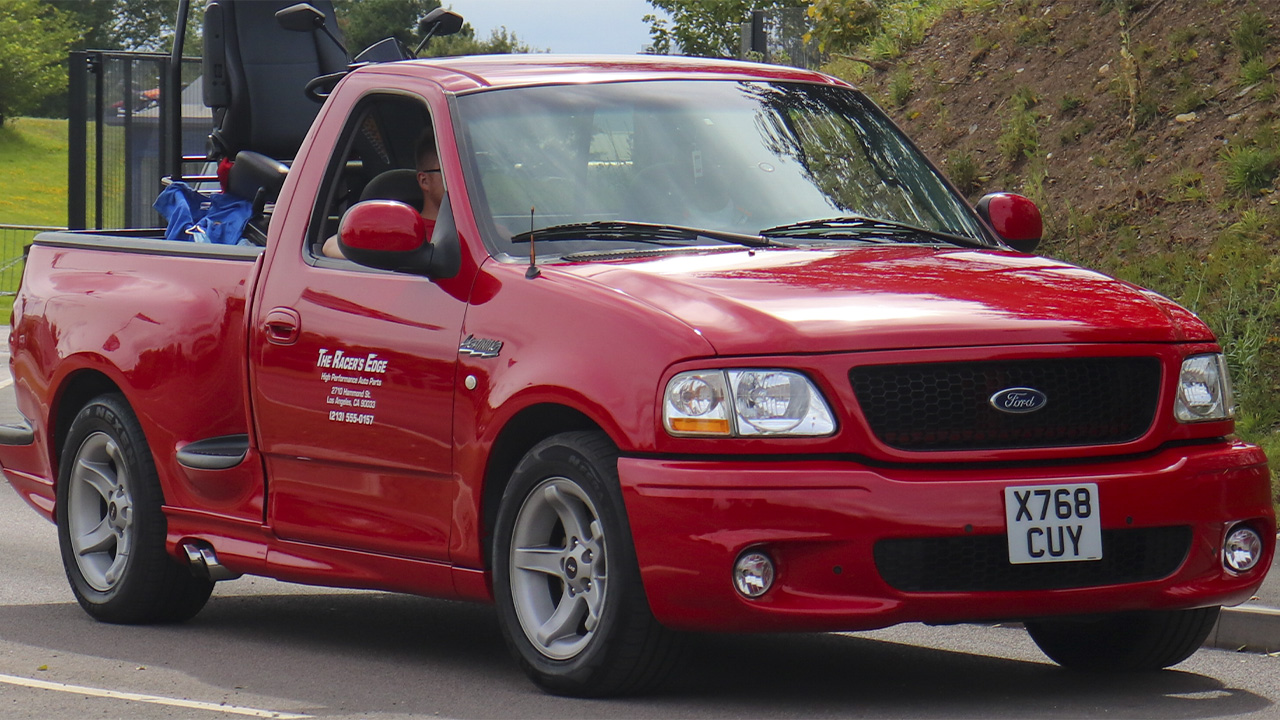
Ford didn’t just bolt on parts and hope for the best. SVT tested the Lightning at Bondurant and Ford’s proving grounds, fine-tuning it with input from truck racer Jackie Stewart.
This wasn’t marketing—it was mission-driven. The result was real-world poise: the Lightning could charge through curves and stay planted under braking. Compared to a stock F-150, it was on a whole different level.
It came from the same team that built the Cobra
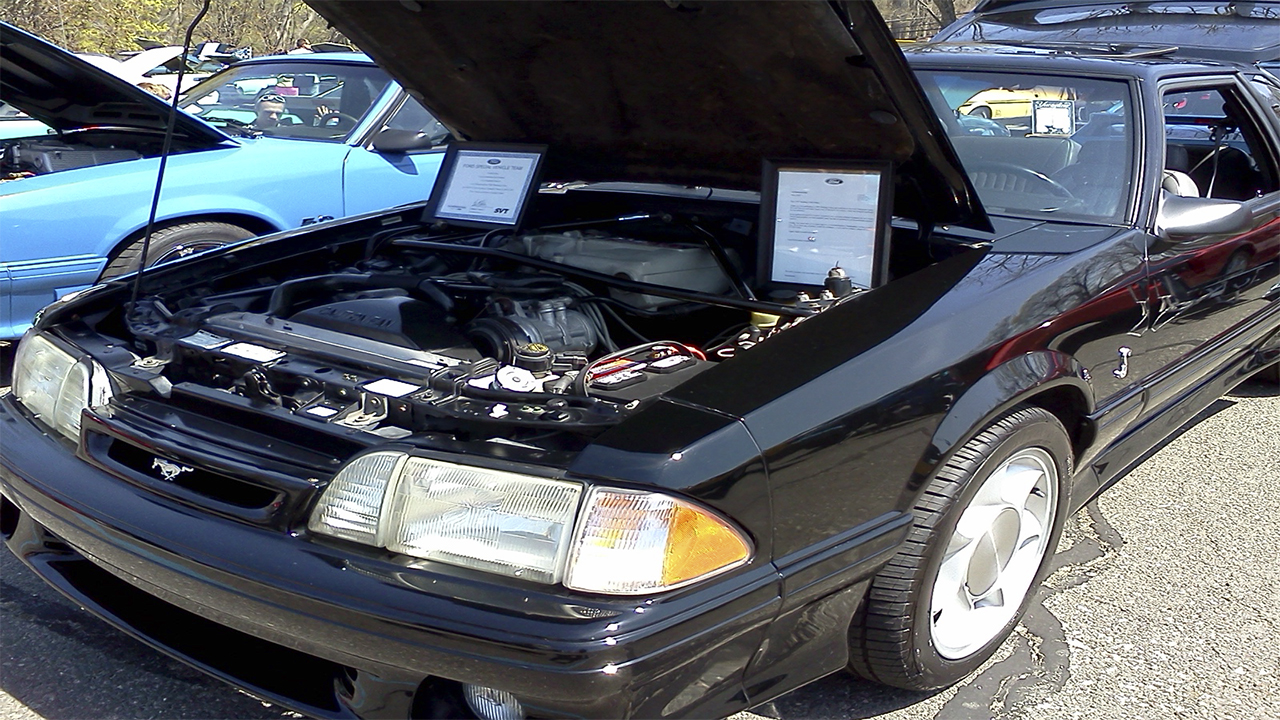
SVT launched in 1991, and its first two creations—the 1993 SVT Cobra and the Lightning—shared engineering DNA. The same team built both, blending muscle car performance with pickup practicality.
That connection mattered. Buyers knew this wasn’t just a trim package—it was a true performance vehicle, crafted with intent. Each Lightning came with a numbered badge, a subtle reminder that even a work truck could be something special.
It wasn’t cheap—but it wasn’t overpriced
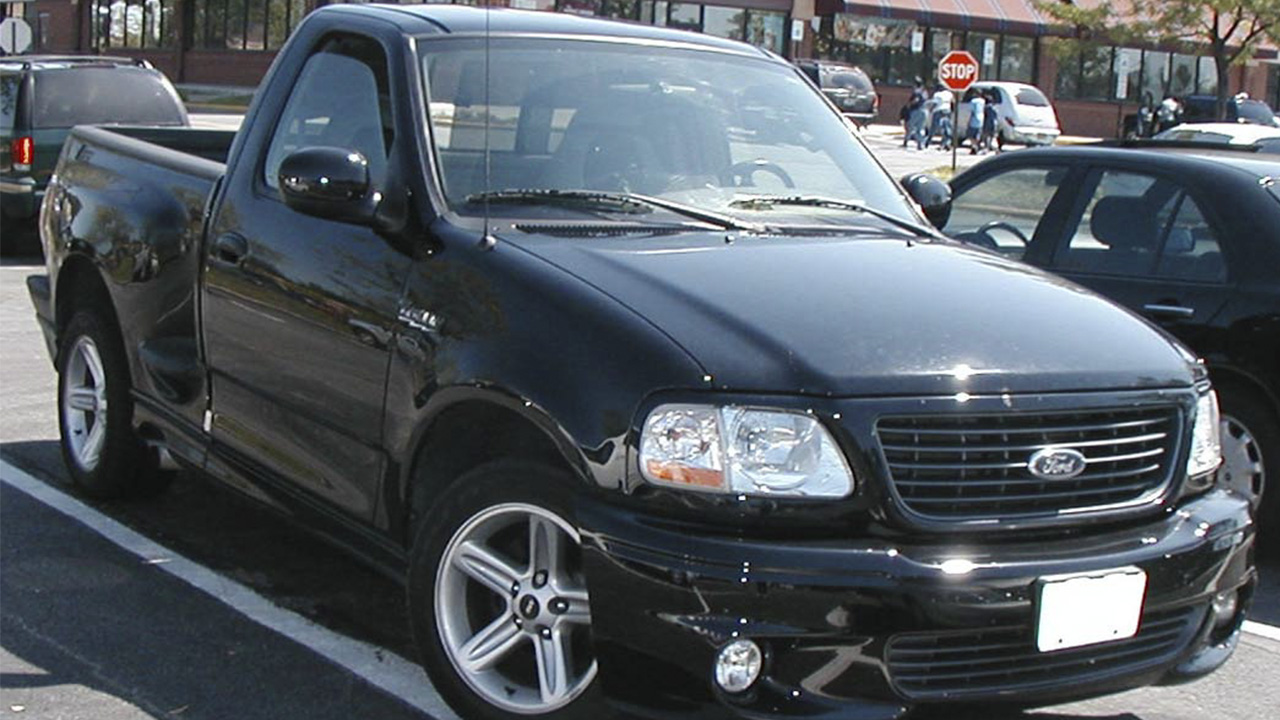
In 1993, the SVT Lightning carried a sticker price of $21,655—roughly $5,000 more than a standard V8 F-150. Adjusted for inflation, that’s about $47,000 today.
You paid for the performance, not just a badge. Compared to a 5.0 Mustang of the era or today’s high-priced sport trucks, the Lightning delivered real muscle at a price that still feels fair—even decades later.
Production stayed limited on purpose
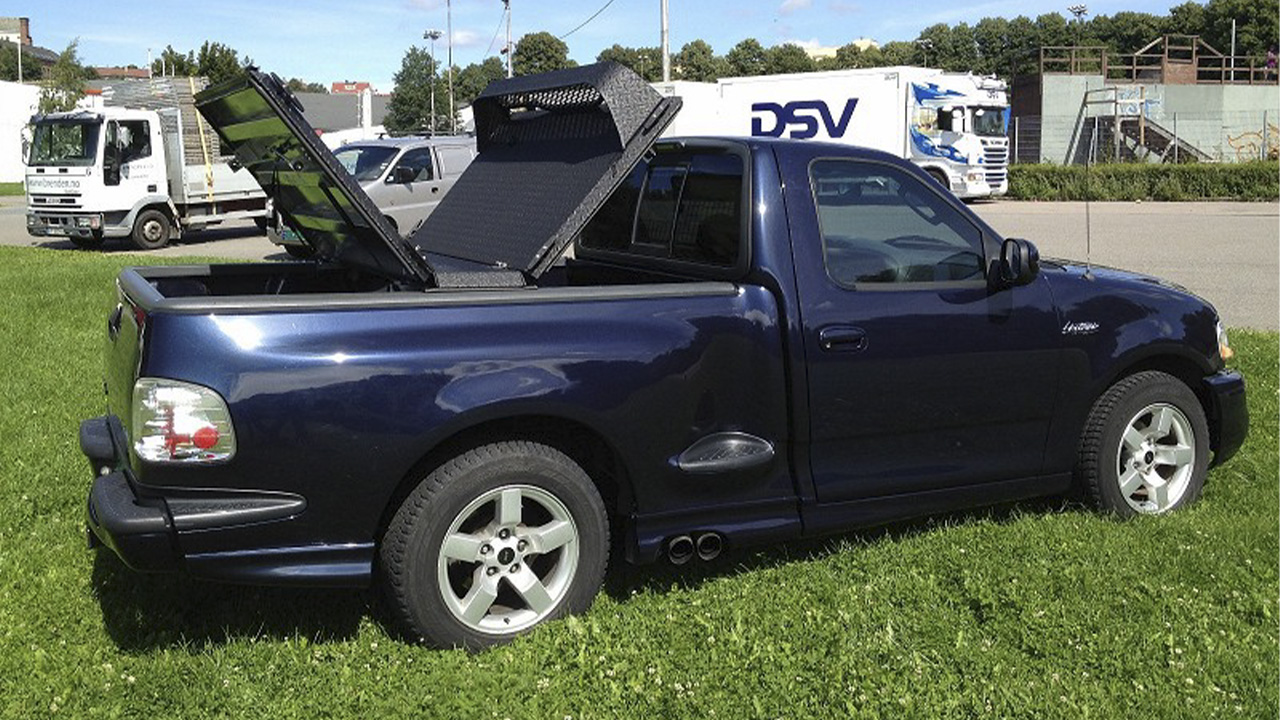
Ford built only 11,563 Lightnings across 1993–1995. That low volume was intentional—SVT wanted the truck to feel rare and desirable, not mass-produced.
1994 and 1995 saw minor updates, like the addition of a high-mounted stop lamp and slight improvements to the intake. But the formula stayed the same: V8 grunt, sharp handling, and no-nonsense attitude.
It set the stage for future muscle trucks
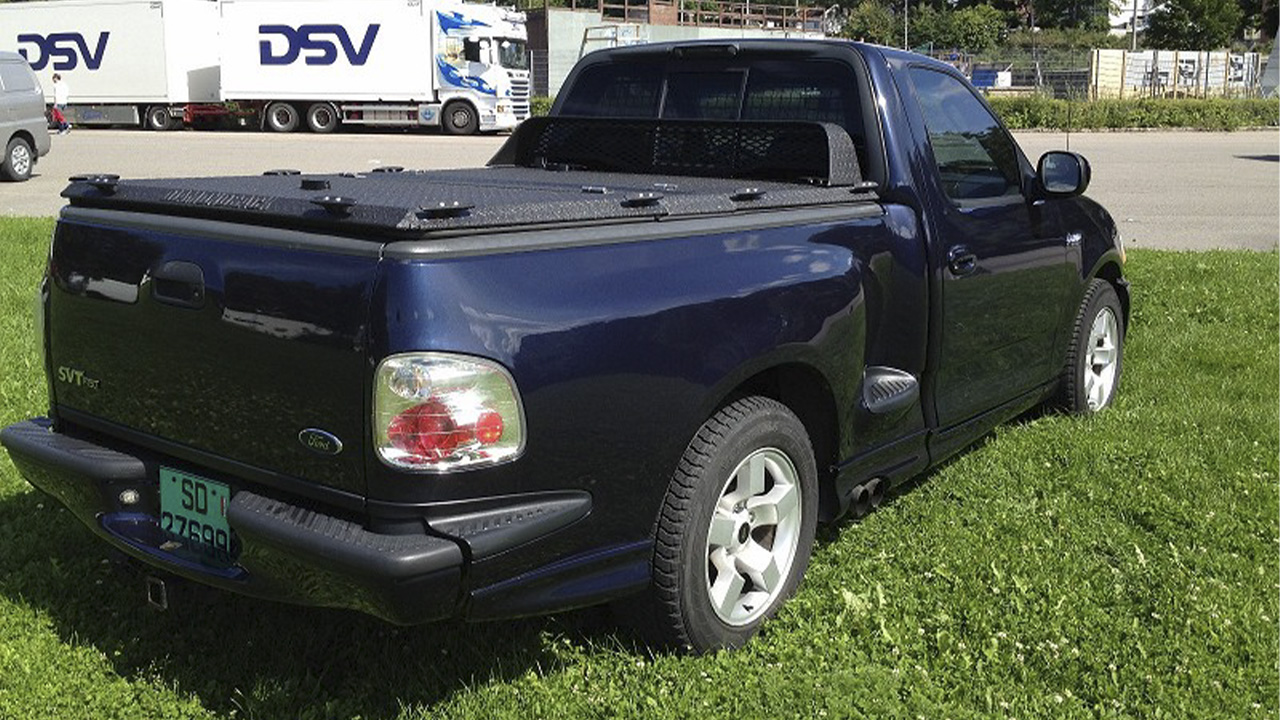
The first-gen Lightning paved the way for the 1999 supercharged version, the Ram SRT-10, and today’s Raptor R. It proved that performance trucks weren’t a gimmick—they could be built right at the factory.
Without that early effort, the idea of a 500+ horsepower truck with track credibility might never have taken off. The original Lightning didn’t just arrive early—it defined what a sport truck could be.
Like Fast Lane Only’s content? Be sure to follow us.
Here’s more from us:
*Created with AI assistance and editor review.