
Automakers have spent the past few years promising that by the middle of the next decade, their lineups will be “all electric,” or at least dominated by battery-powered models. Those pledges sound simple, but behind the slogans sit hedged timelines, regulatory fine print, and a lot of room for hybrids and combustion engines to linger. I want to unpack what those 2035 targets really mean, how much is locked in by law, and where the industry is already signaling that the road to an all-EV future will not be straight.
What automakers actually mean by “all-electric by 2035”
When executives talk about going fully electric around 2035, they are usually describing a goal for new vehicle sales, not a world where every car on the road has a battery and a plug. Even then, the language is often carefully qualified, with phrases like “where market conditions allow” or “in key markets” leaving space for gasoline and hybrid models to survive in regions with weaker rules or slower demand. In practice, that means a company can claim an all-electric future while still planning to sell combustion vehicles in parts of the world that are less tightly regulated or less affluent.
Those nuances matter because they shape how much pressure automakers actually feel to retool factories, secure battery supply, and build charging networks. A pledge that only applies to Europe, for example, can coexist with a very different strategy in North America or Asia, where policies and consumer incentives diverge. Regulatory frameworks such as the European Union’s planned phaseout of new combustion car sales around the middle of the 2030s and state-level rules in places like California are already pushing companies to prioritize EVs in those markets, while looser standards elsewhere give them an outlet for older technology. The result is a patchwork transition in which the same brand may be nearly all-electric in one region and still heavily reliant on gasoline in another, even after the headline date has passed.
The regulatory clock behind 2035 targets
The timing of most corporate EV promises is not arbitrary, it tracks closely with government plans to restrict or ban new combustion car sales in the 2030s. Policymakers in major markets have set out pathways that tighten emissions rules over the next decade, effectively forcing automakers to sell a rising share of zero-emission vehicles if they want to keep doing business there. Those rules do not instantly erase existing gasoline cars, but they do set a clear deadline for when new ones can be sold, which is why so many corporate roadmaps cluster around the same mid-2030s horizon.
Even within that shared timeframe, the details vary in ways that give companies flexibility. Some jurisdictions allow plug-in hybrids to count toward zero-emission targets for a period, others carve out exemptions for low-volume models or specific vehicle types, and enforcement can depend on future political decisions that are not guaranteed. Automakers are building those uncertainties into their strategies, using language that aligns them with the spirit of the regulations while preserving options if rules are delayed, softened, or unevenly applied. That regulatory ambiguity is one reason I treat any 2035 pledge as a directional signal rather than a binding contract.
How hybrids and plug-in models blur the “all-electric” story
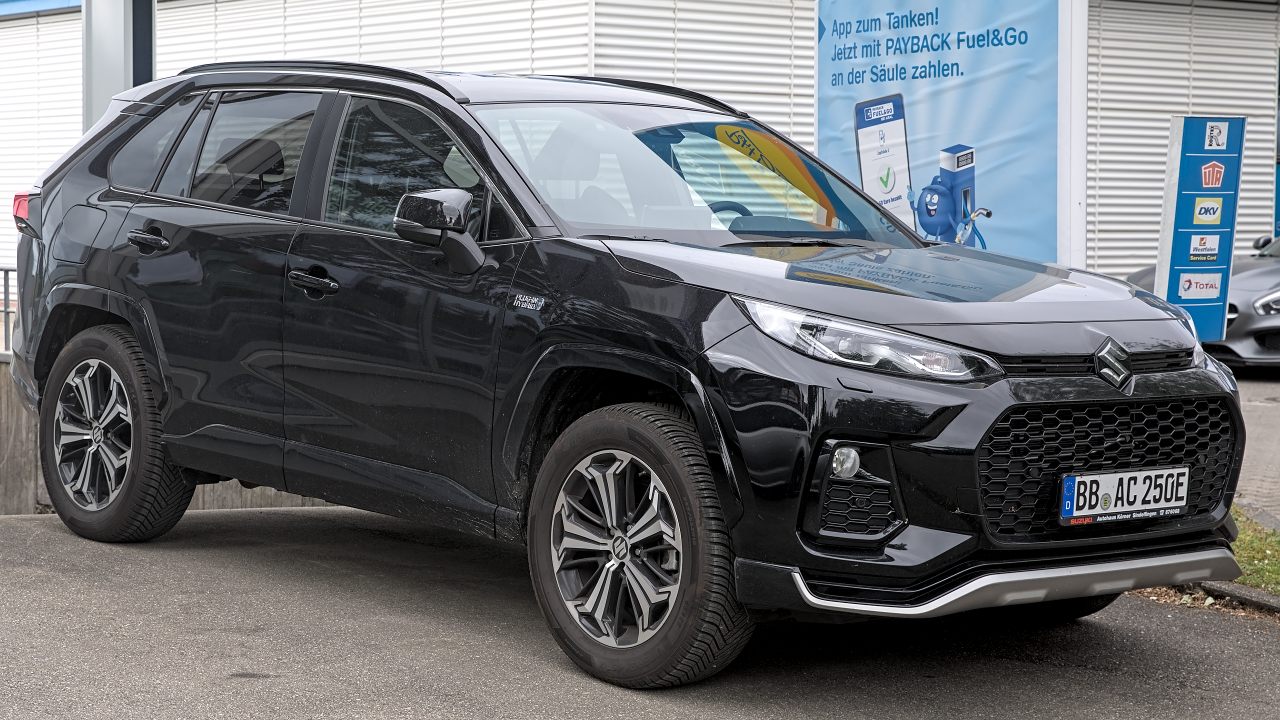
One of the biggest gaps between marketing and reality lies in how companies count hybrids and plug-in hybrids when they talk about electrification. A brand can truthfully say it is “electrifying” its lineup while still selling vehicles that burn gasoline for most of their miles, as long as there is some form of electric motor and battery on board. In some cases, executives fold plug-in hybrids into their future plans as a bridge technology, arguing that they help drivers get used to charging while easing range anxiety and infrastructure constraints.
That framing can make it sound as if a showroom full of plug-in hybrids is equivalent to a showroom full of battery-electric vehicles, even though the climate impact and infrastructure needs are very different. Plug-in hybrids still rely on fuel stations and tailpipe emissions, and their real-world electric driving share depends heavily on how often owners plug them in. When I hear a company tout a high percentage of “electrified” sales without specifying how many are fully battery-electric, I read that as a sign that hybrids will remain central to its business well into the 2030s, regardless of the headline promise.
The production and supply-chain hurdles automakers face
Even if every major automaker were fully committed to selling only battery-electric vehicles by 2035, the industrial work required to get there is enormous. Companies need secure access to lithium, nickel, cobalt, and other materials, plus the factories to turn those raw inputs into cells and packs at scale. They also have to redesign platforms, retrain workers, and retool plants that have been optimized for internal combustion engines for more than a century. Those are multibillion-dollar bets that depend on stable policy, predictable demand, and a supportive charging ecosystem.
Recent years have shown how fragile that equation can be, with supply-chain disruptions, volatile commodity prices, and shifting consumer incentives all affecting EV rollout plans. When demand softens or costs spike, it becomes easier for executives to lean on the escape hatches built into their 2035 commitments, slowing the pace of new EV launches or extending the life of profitable combustion models. I see that tension in the way companies talk about “flexible” platforms that can support both electric and gasoline powertrains, a design choice that keeps options open but can also dilute the urgency to move fully away from fossil fuels.
What consumers should watch for between now and 2035
For drivers trying to make sense of all this, the most useful signals are often more concrete than a distant pledge. The number of new battery-electric models a company brings to market over the next few years, the investments it makes in dedicated EV platforms, and the partnerships it forms around charging and batteries all reveal how serious it is about a post-combustion future. If a brand is still launching fresh gasoline-only vehicles late in this decade, or if its EV lineup is confined to a handful of halo models, that is a clue that its 2035 language is more aspirational than transformational.
It is also worth paying attention to how automakers respond when policies tighten or consumer incentives change. Companies that stay the course on EV investments even when subsidies are reduced or political winds shift are signaling that they see electric vehicles as the core of their long-term business, not just a compliance exercise. As the mid-2030s approach, I expect the gap to widen between those that used the time to build a robust electric portfolio and those that relied on hybrids and legal fine print to delay hard choices, and that divergence will matter far more to the climate and to car buyers than any slogan about being “all-electric” by a certain year.



Leave a Reply