
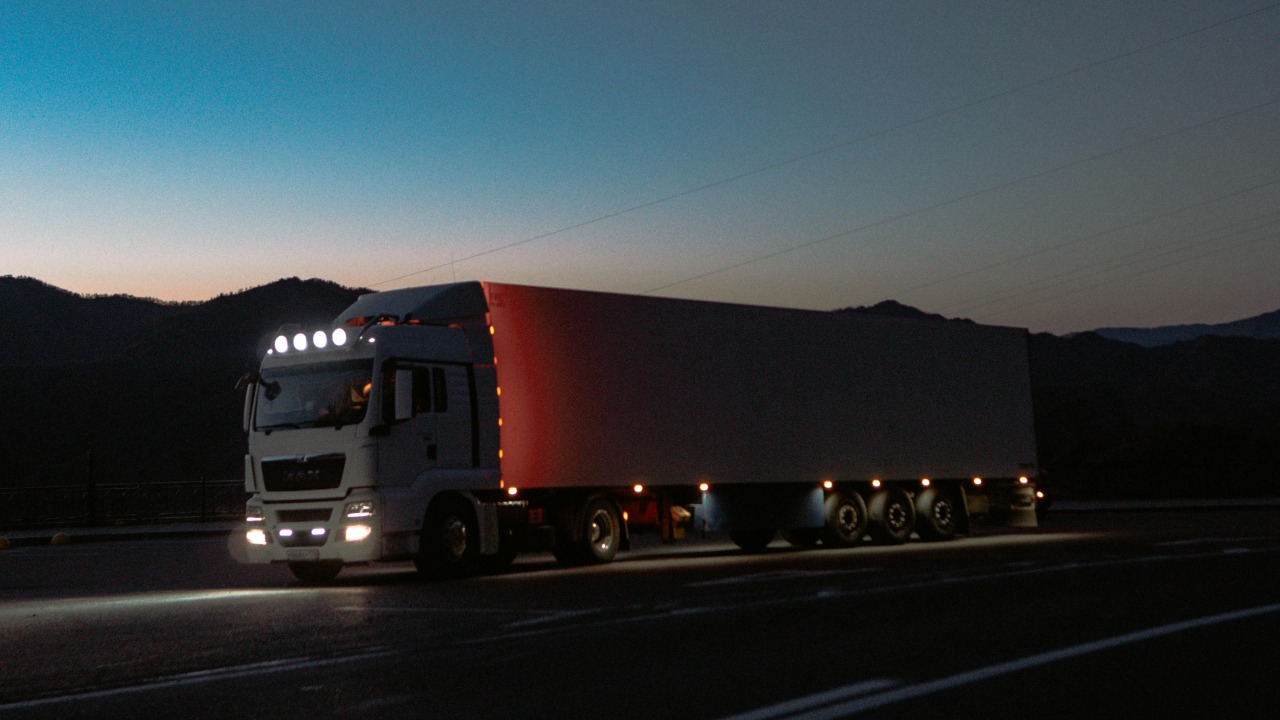
Professional truck drivers talk about certain American highways the way climbers talk about avalanche chutes: places you respect in daylight and simply avoid after dark. The stretches they skip at night are not random, they are the corridors where fatigue, speed, bad design and unpredictable traffic all stack the odds against anyone behind the wheel. When I listen to those veterans, I hear a blunt warning for the rest of us about how fragile our margin for error really is once the sun goes down.
In their stories, the same themes keep surfacing, from hypnotic straightaways that lull even alert minds to mountain passes where a single missed sign can send a fully loaded rig into chaos. The highways that seasoned drivers refuse to run at night are a kind of unofficial danger map, drawn not by engineers but by the people who live on the road, and their choices reveal what every driver should know before heading into the dark.
The hidden physics of night driving
When I talk with long-haul drivers about why some routes feel so unforgiving after dark, they start with simple physics. At highway speeds, your headlights carve out only a narrow cone of visibility, yet traffic often keeps moving as if it were broad daylight. Safety trainers point out that Drivers often sustain high rates of speed on interstates and highways, especially at night, which means every extra mile per hour quietly lengthens stopping distance just as your eyes are working with less information. On the long, flat sections that crisscross the middle of the country, that mismatch between speed and sightline is exactly what turns a routine run into a white-knuckle gamble.
Fatigue deepens the problem. After a full day of loading docks, traffic jams and weather delays, even the most disciplined driver is fighting biology. The same training materials that warn about speed also describe how monotonous scenery and steady vibration can trigger full-blown highway hypnosis, especially in the small hours when the body expects sleep. When a driver is already tired, the brain starts filling in gaps, smoothing over missed signs or subtle lane drifts until something abrupt, like a brake light or a curve, snaps them back. On the stretches that professionals avoid at night, that snap often comes too late.
The highways truckers quietly blacklist
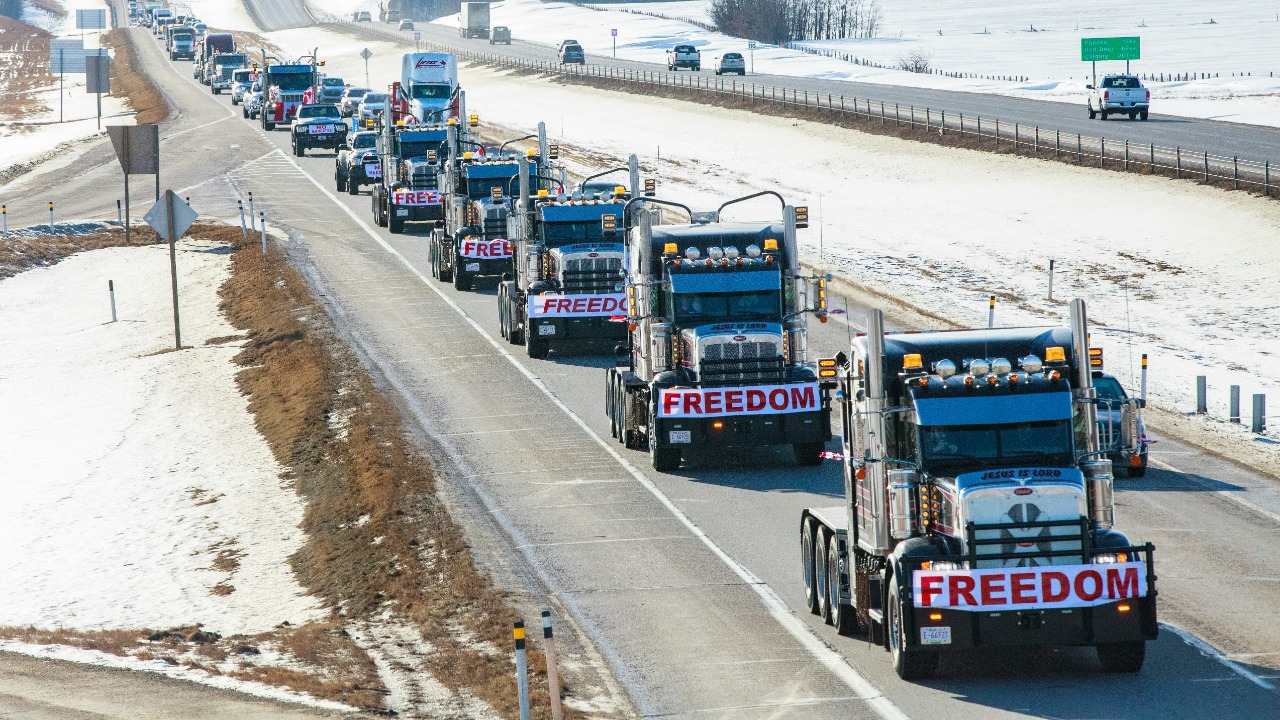
Ask a room full of freight haulers which routes they will not touch after dark and the answers come fast. Industry veterans talk about a short list of 7 US highways truckers refuse to drive at night because of safety risks, and they do not mince words about why. They describe narrow shoulders that leave no room to recover from a blown tire, blind curves that tighten without warning and merge lanes that simply vanish. In their telling, certain segments of Interstate corridors are notorious, not because of folklore, but because crash reports and near misses keep repeating the same patterns.
Those patterns are not limited to one region. Drivers swap stories about southern interstates where aggressive traffic and heavy freight mix with poor lighting, and about northern routes where winter turns every bridge into a surprise ice rink. Industry veterans concur that Interstate corridors that look harmless on a map can feel like trapdoors once darkness hides faded lane markings and obscures exit signage. When those same drivers start building their weekly schedules, they quietly route around those segments at night, even if it means extra miles or a longer layover.
Why even seasoned pros avoid certain roads after dark
There is a particular kind of respect in the way long-haul drivers talk about the most treacherous stretches. Reporting on The US roads even seasoned truckers avoid at night captures that tone, describing how hairpin mountain passes, aging bridges and poorly lit interchanges can turn routine runs into survival exercises. Every long haul driver can name stretches of asphalt that feel cursed, not because of superstition, but because they have watched too many colleagues limp away from wrecks or never come back at all. When those veterans say they will only cross a certain pass in daylight, they are not being dramatic, they are reading the odds.
What stands out in their accounts is how small design flaws become huge hazards at night. A missing guardrail on the outside of a curve, a downhill grade that steepens just before an off-ramp, or a merge where two high-speed lanes cross in a tight weave might be manageable when the sun is high. After dark, with glare bouncing off wet pavement and taillights blending into a red haze, those same features can overwhelm even a seasoned driver’s reaction time. In that sense, the roads that professionals shun at night are less about geography and more about how unforgiving the built environment becomes when visibility shrinks.
The deadly calendar and the “100” days of risk
Time of year matters as much as time of day. Safety researchers point out that The NHTSA calls the time between Memorial Day and Labor Day the “100 deadliest days” to be driving, a stretch when vacation traffic, teen drivers and late-night socializing all collide with long daylight hours that tempt people to stay on the road even when they are exhausted. For truckers, that means summer nights on busy interstates are often more stressful than winter storms, because the risk is not just weather, it is the unpredictable behavior of everyone else sharing the lane.
Layered on top of that seasonal spike is the steady presence of impaired driving after dark. The same research notes that the time between midnight and 3 a.m. is when the most accidents by impaired drivers occur, which is exactly when many long-haul schedules used to push rigs through congested corridors. When professionals decide to park early rather than roll through those hours on a notorious highway, they are responding to a data-backed reality, not a hunch. For anyone planning a road trip, their choices are a reminder that the calendar and the clock can quietly turn a familiar route into a very different risk profile.
Night driving skills, from the cab to the family car
Listening to professionals talk about their craft, I am struck by how much of their night strategy is about preparation, not bravado. Training videos that promise to help you DRIVE LIKE A PRO at Night emphasize simple, disciplined habits: cleaning headlights and windshields before departure, dimming interior screens to protect night vision, and slowing down enough that you can always stop within the distance you can see. One smart driver in that guidance describes night driving as “like driving on a different pan,” a reminder that the rules you rely on in daylight do not automatically carry over once the world outside your windshield turns black.
Those same habits translate directly to the family SUV or a rideshare sedan. I have watched experienced truckers refuse to tailgate even when traffic is flowing fast, because they know a sudden brake check at night can cascade into a pileup before anyone has time to react. They also talk about scanning farther ahead, looking not just at the car in front of them but at the glow of brake lights several vehicles up, and watching the edges of the road for movement that might signal an animal or a stranded vehicle. When you adopt those techniques in your own car, you are borrowing from a playbook written in hard miles.
Wildlife, rural darkness and the limits of your headlights
Out on the rural interstates and two-lane connectors that tie the freight network together, the threat is not just other drivers. Safety briefings for truckers spell out the Increased Risk of Wildlife Encounters that comes with Nighttime driving, especially on rural roads and highways. A deer, elk or even a large feral hog can appear in the beam of your headlights with almost no warning, and at 65 miles per hour a fully loaded rig does not have much room to improvise. On the routes that drivers avoid after dark, those encounters are not rare events, they are weekly or even nightly realities.
What makes those stretches so unforgiving is the combination of wildlife, limited lighting and scarce escape routes. Many rural interstates have long gaps between exits, narrow shoulders and deep ditches, which means swerving to avoid an animal can be as dangerous as hitting it. Professionals talk about choosing a slightly lower cruising speed, keeping both hands firmly on the wheel and resisting the instinct to jerk the truck off the road when something darts out. For passenger vehicles, the lesson is similar: on dark rural highways, your high beams and your patience are your best defenses, and if the locals say a certain stretch is bad for deer, you should believe them.
What truckers know that tourists often miss
One of the clearest contrasts I see is between how professionals treat unfamiliar roads at night and how tourists approach them. Guidance for visitors in Central America, for example, bluntly states that Driving at night is not recommended, especially for first-time visitors, because washouts, lanes ending abruptly and unmarked obstacles can turn a scenic route into a trap. The same logic applies on unfamiliar American highways, where construction zones, temporary detours and local quirks are far easier to read in daylight than in the glare of oncoming headlights.
Seasoned truckers build that caution into their trip plans. When they know a route is new, they will often schedule it so the trickiest segments fall in daylight, even if that means starting earlier or stopping sooner. They lean on satellite navigation, but they also cross-check with old-fashioned atlases and local chatter on the radio, because they have learned that no app can fully capture the feel of a road at night. For the rest of us, adopting even a fraction of that humility can make the difference between a long, boring drive and a crisis that unfolds too fast to fix.


Leave a Reply