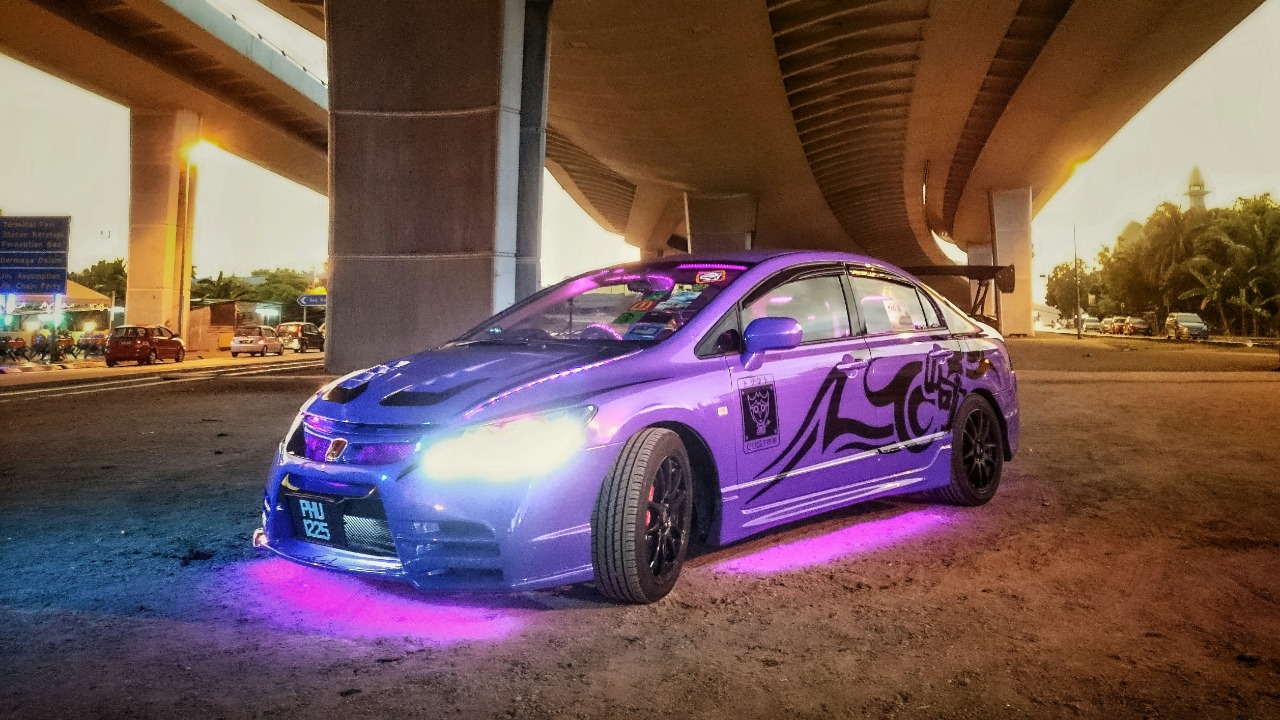
Traffic officers rarely admit it, but some vehicle tweaks are practically magnets for blue lights. The same modifications that make a car stand out in a parking lot often make it stand out in a patrol officer’s rearview mirror, especially when they blur the line between personalization and illegality. Understanding which changes draw that kind of attention is the first step to keeping your build both distinctive and street legal.
Across the United States, the most heavily policed upgrades tend to fall into a few predictable categories: lighting, noise, ride height, emissions and visibility. I find that once you see how these categories intersect with safety and liability concerns, it becomes clear why certain accessories are “shockingly common” grounds for a stop while others barely register.
Flashy lighting and visibility tricks that scream “pull me over”
Lighting is one of the fastest ways to transform a car’s look, and it is also one of the fastest ways to invite a traffic stop. Underglow kits, colored bulbs and extra light bars change how a vehicle appears to other drivers and to police, and in several states any added light can be treated as a problem on its own. One guide to common violations notes that Underglow lighting is often singled out because, technically, Dec rules in some jurisdictions treat non‑standard colors or moving light patterns as grounds for a traffic stop even if the driver is behaving perfectly otherwise.
Visibility cuts the other way too, and officers are quick to notice when drivers reduce it. Dark tint on the windshield or front side windows, smoked tail lamps and oversized decals across the rear glass all make it harder to see and be seen. Safety advocates warn that Vehicles with heavily altered lighting and obscured sightlines can compromise both the driver’s ergonomics and the ability of others to judge speed and distance, and that is exactly the kind of practical safety concern that gives officers a clear legal hook to initiate a stop.
Exhaust noise, emissions and the states that take them personally
If there is one modification category that reliably draws police attention, it is exhaust. Straight pipes, muffler deletes and cheap “fart can” systems do not just change the sound, they broadcast it across entire neighborhoods, which is why many states write specific decibel limits into law. A widely cited rundown of illegal upgrades points out that Illegal setups often start with “Loud Exhaust If” the system exceeds state noise caps, and enforcement agencies, including the California Bureau of Automotive Repair, have treated that as a clear basis for citations.
Some states go further and treat exhaust and emissions tampering as a serious offense, not a minor nuisance. A detailed look at regional rules notes that California And Arizona Might Haul You To Jail over aggressive exhaust and emissions violations, and that They take emissions and noise enforcement so seriously in Cali that officers can use a modification article as evidence at trial. Earlier coverage of vehicle legislation adds that Noise rules are often written with vague criteria, which gives police broad discretion to stop a car that sounds too loud or too harsh even if the exact decibel reading is never taken at the roadside.
Suspension, stance and wheels that change how the car behaves
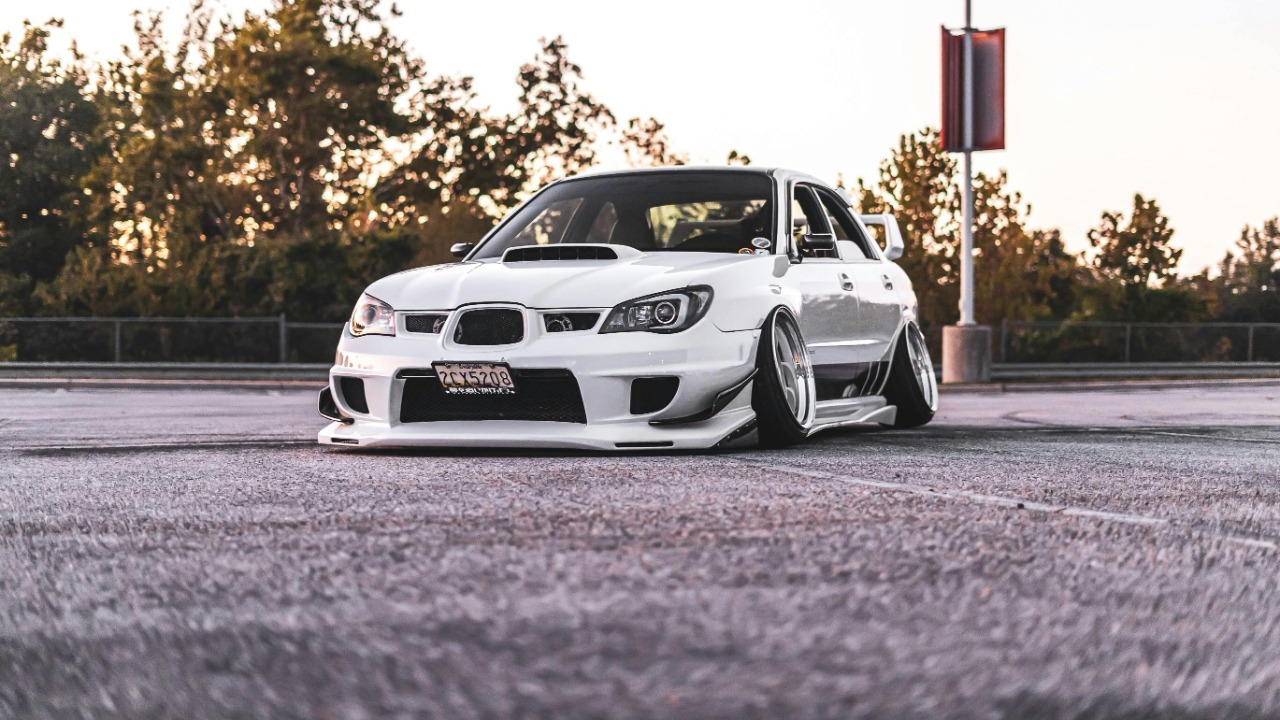
Lowering springs, lift kits and extreme “stance” builds do more than change a car’s profile, they change how it reacts in an emergency, which is why they are high on the list of modifications that draw scrutiny. Legal analysts who track crash litigation note that, Following a collision, lawyers often focus on Suspension Modific and other aftermarket parts when arguing that a vehicle handled unpredictably or failed to stop in time. When a modification is already associated with lawsuits, officers know that documenting it with a traffic stop can matter later if that car is involved in a crash.
Safety organizations echo that concern from a road‑risk perspective. One road safety campaign warns that Wheels with tires that are too wide or too narrow, and vehicles with suspensions set too low, can compromise steering response and even interfere with airbag performance. Insurers have picked up on the same pattern, flagging that Here are some modifications that raise red flags for underwriters, including Suspen changes that alter the center of gravity and braking distances, and those red flags often translate into higher premiums and closer attention from police when the car is out on public roads.
Engine, emissions and the line between tuning and tampering
Modern engines invite tinkering, from bolt‑on intakes to full turbo swaps, but the legal line is sharper than many enthusiasts realize. In Missouri, for example, drivers are explicitly warned that if they modify their engine, they must ensure it remains compliant with state emissions rules and does not violate federal Environmental Protection Agency limits. When an officer sees a car with a visible aftermarket turbo, missing catalytic converter or obvious fuel system changes, that is a clear signal to check whether those Environmental standards are being met.
Other states are tightening their rules in similar ways, often in response to high‑profile crashes or noise complaints. A recent update to Mississippi law, for instance, spells out that Specific Modifications Addressed by the Law include Suspension alterations and engine changes that affect how the vehicle behaves for the driver and other road users. When a statute lists engine and suspension work by name, officers have a straightforward mandate to stop and inspect cars that appear to have those modifications, especially if they are combined with loud exhaust or aggressive driving.
Street‑legal basics, insurance risk and how to stay off the radar
Behind every stop for a flashy mod is a simpler question: is the car still legal to operate on public roads. Consumer guides spell this out bluntly, explaining What Typical Modifications Make a Car Not Street Legal, from lighting and bumper changes to ride height and emissions tampering. Different states and municipalities have their own thresholds, but the pattern is consistent: once a car crosses into “Car Not Street Legal” territory, any officer who notices the issue has a ready‑made reason to pull it over and potentially impound it.
Insurers and licensing authorities both urge drivers to do their homework before they start wrenching. One licensing resource frames it as a simple checklist, asking What you should do Before any modification is carried out on your vehicle, and advising drivers to confirm that the change is legal and safe for themselves in the future. I have seen the same logic play out in insurance underwriting, where companies treat undeclared modifications as a sign that a driver is willing to take risks, which can lead to higher premiums or even denied claims if a crash is linked to unapproved parts.