
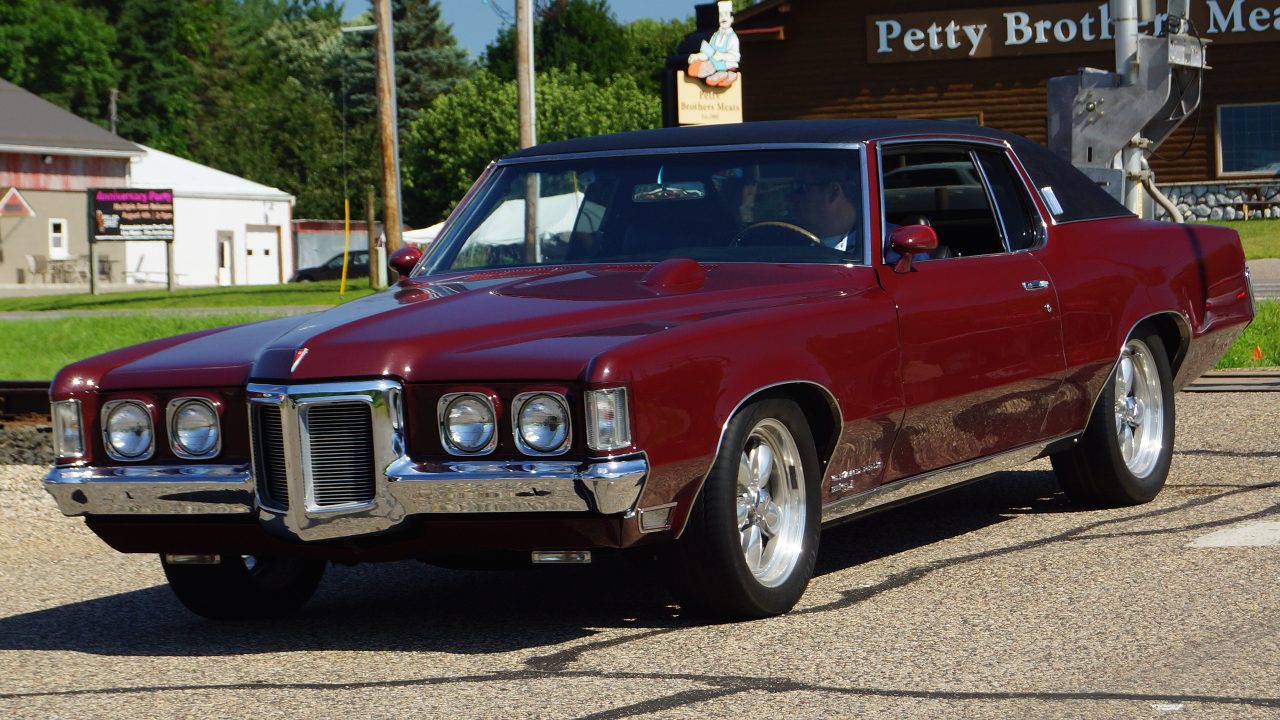
Pontiac’s Grand Prix SJ 455 sits at the crossroads of luxury and muscle, combining big-block torque with personal-coupe comfort in a way few rivals matched. Collectors today chase these cars not just for their performance, but because they capture the final years before emissions rules and fuel crises reshaped Detroit’s priorities. Understanding exactly when Pontiac built the SJ 455, how it evolved, and what drives values now is essential if I want to judge whether a particular car is fairly priced or a risky nostalgia play.
When Pontiac actually built the Grand Prix SJ 455
The Grand Prix SJ 455 was not a single-year curiosity, but a short, clearly defined run that tracks almost perfectly with the peak and decline of Detroit’s big-cube era. Pontiac first paired the SJ trim with the 455 cubic inch V8 for the 1969 model year, then kept some form of 455-powered SJ in the lineup through the early 1970s as compression ratios, carburetion, and advertised horsepower steadily dropped in response to emissions rules and changing fuel standards. By the mid 1970s the 455 option disappeared from the Grand Prix order sheet, leaving smaller displacement engines to carry the nameplate.
Within that window, the most coveted examples are typically the 1969 to 1972 cars, when the 455 still delivered serious output and the Grand Prix rode on the larger, more dramatic “G-body” personal-luxury platform. Later 1973 to 1974 models still offered a 455 in SJ form but with lower compression and more weight, which dulled performance even as they gained safety and comfort features. After 1974, the Grand Prix SJ continued as a trim level, but the 455 itself was phased out, so any SJ built without that engine falls outside the purist definition of a “Grand Prix SJ 455” even if the badges look similar on the trunk.
How the SJ 455 differed from other Grand Prix models
Even among Grand Prix models, the SJ 455 stood apart as the performance-oriented choice that still leaned into luxury. The SJ package typically bundled the 455 V8 with uprated suspension, performance axle ratios, and additional gauges, then layered on comfort features like power accessories and higher grade interior trim. That combination meant an SJ 455 was not just a big engine dropped into a base coupe, but a carefully curated specification aimed at buyers who wanted both speed and status in the same garage bay.
Compared with the more common J and LJ trims, the SJ 455 usually carried a higher base price and a longer standard-equipment list, which is one reason production numbers stayed relatively modest. The 400 cubic inch cars and lower trims could be ordered with similar appearance options, but they lacked the torque and cachet of the 455, especially in the earlier high-compression years. That distinction matters today because collectors and appraisers tend to separate “true” SJ 455 cars from lookalikes that have been rebadged or retrofitted with non-original drivetrains, and documented factory equipment often drives a significant premium in the marketplace.
Production rarity and what it means for collectability
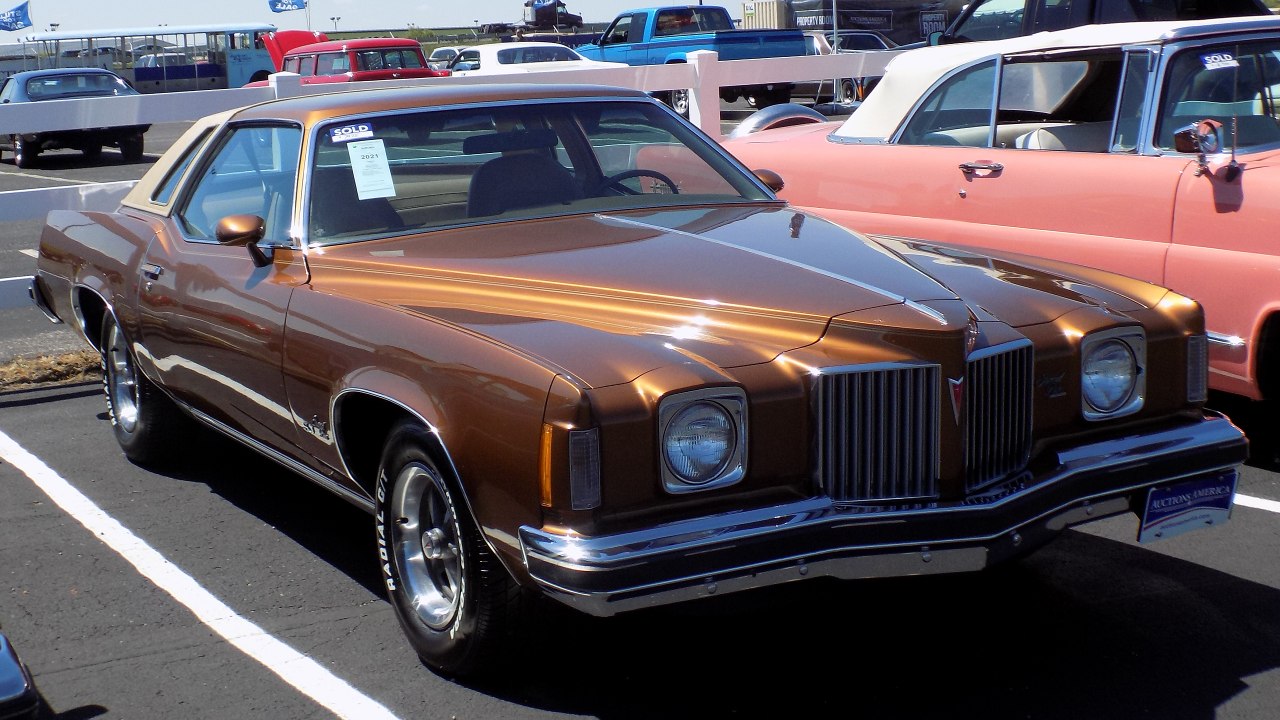
From a collector’s perspective, the Grand Prix SJ 455 occupies a middle ground between mass-market muscle and ultra-rare homologation specials. Pontiac built enough of these cars that they still appear regularly at regional auctions and online marketplaces, yet the combination of SJ trim and factory 455 engine is scarce enough that clean, numbers-matching examples are not easy to find. That relative rarity, especially for early 1970s cars with desirable colors and options, helps support values even as broader interest in 1970s personal-luxury coupes fluctuates.
Survivor quality is another key factor. Many SJ 455s were driven hard and modified over the decades, which means unmolested cars with original drivetrains, interiors, and documentation command a noticeable premium. Limited production of certain option combinations, such as specific performance axle ratios or rare paint and trim pairings, can further narrow the field of top-tier examples. As a result, I see a clear hierarchy emerging in the market: well-documented, early 455 SJ cars at the top, followed by later, lower-compression models, with heavily modified or poorly documented cars trading at a discount even if they present well in photos.
Current market values for the Grand Prix SJ 455
Values for the Grand Prix SJ 455 today reflect both the car’s performance credentials and its position in a segment that is still catching up to traditional muscle icons. At the top of the market, fully restored or exceptionally original 1969 to 1972 SJ 455s with strong documentation can reach into the high five-figure range when they cross major auctions, especially if they feature desirable colors, factory air conditioning, and performance options. More typical driver-quality cars, with older restorations or some non-original components, tend to trade in the mid five-figure band, with condition and originality doing most of the work in explaining price differences between seemingly similar listings.
Later 1973 to 1974 SJ 455s usually sit a notch lower on the value ladder, in part because their performance is softer and in part because styling tastes favor the earlier body style. Even so, clean examples still command a premium over non-455 Grand Prix models from the same years, and I see asking prices for solid drivers often landing in the low to mid five-figure range. Project cars and rough examples, regardless of year, can be found for significantly less, but the cost of bodywork, interior restoration, and drivetrain rebuilding means they are rarely the cheaper path once the full budget is tallied.
Key factors that move prices up or down
Condition and originality are the two most important levers on Grand Prix SJ 455 values, but they are not the only ones. Documentation such as build sheets, original sales invoices, and factory window stickers can materially increase what a buyer is willing to pay, because they help confirm that a car left the factory as a genuine SJ with a 455 rather than being assembled from parts decades later. Matching-numbers drivetrains, where the engine and transmission still carry the correct factory stampings, also carry significant weight, especially for buyers who see the car as a long-term investment rather than a platform for customization.
Options and presentation matter as well. Cars equipped with popular period features like Rally II wheels, bucket seats with console shifters, and factory air conditioning tend to draw more attention and stronger bids than sparsely optioned examples, even if the underlying mechanical specification is similar. Color combinations can move the needle too, with bold exterior hues and contrasting interiors often outperforming more subdued palettes when two cars of similar condition hit the market at the same time. Finally, tasteful, reversible upgrades such as modern radial tires or discreet suspension improvements may be tolerated by many buyers, but heavy modifications that stray far from factory specification usually cap a car’s ceiling, even if they improve real-world drivability.



Leave a Reply