

When most people think of American V8s, they picture big blocks under the hoods of muscle cars—Camaro Z/28s, HEMI-powered Chargers, Boss Mustangs. But plenty of V8s never made it into that spotlight. Some were built for trucks, luxury cruisers, or obscure projects that barely registered in performance circles. Others had the specs but just never got the platform to show it off. These engines weren’t chasing quarter-mile times or showroom bravado, but they still pulled their weight in less celebrated corners of the car world.
Ford MEL 430
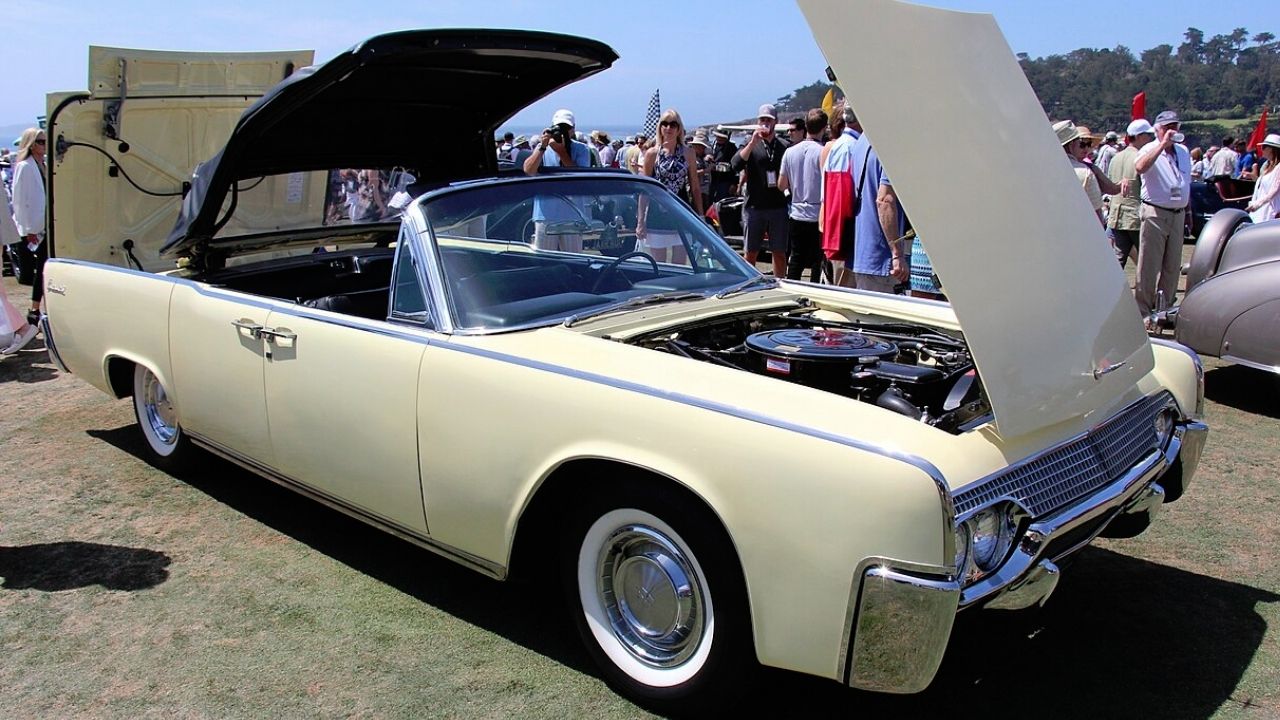
The 430 cubic-inch MEL V8 came out in 1958 and saw service in big Lincolns and Thunderbirds—not Mustangs or Fairlanes. It made up to 400 hp in triple-carb setups, though most versions landed in the 300–375 hp range. It wasn’t built for revs; it was all about low-end torque to move heavy, full-size cars quietly and without fuss. The block was big, the internals were heavy, and it ran out of steam early. Production in passenger cars ended after 1965, but during its run it was the perfect quiet muscle for late-’50s and early-’60s luxury cruisers.
Buick 215 Aluminum V8
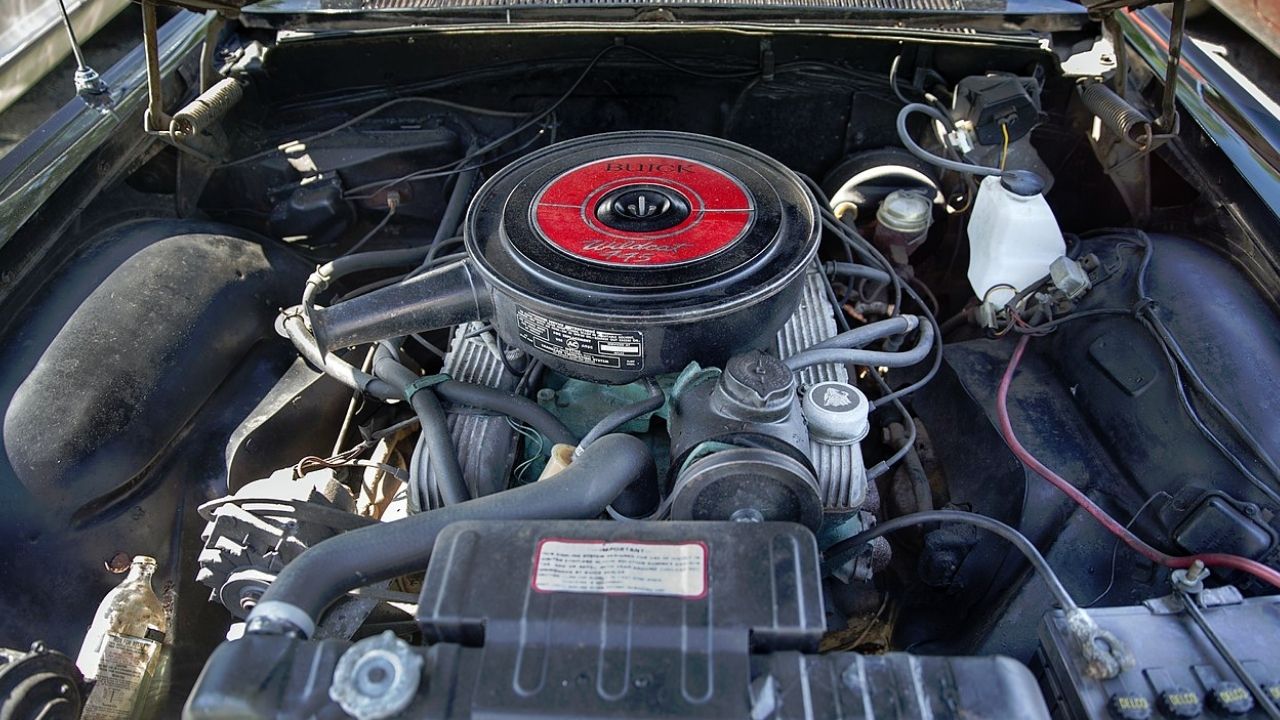
Lightweight and compact, the 215 cubic-inch V8 from Buick was an oddball in the early ’60s. Output ranged from about 155–200 hp depending on compression and carburetor setup, and it found its way into compacts like the Buick Special, Olds F-85, and Pontiac Tempest—not exactly muscle car material. It lasted only from 1961–1963 before GM sold the tooling to Rover, which kept the design alive for decades. Despite being ahead of its time with aluminum construction, it was too small and too lightly built for the horsepower wars that would soon follow.
Chevrolet LT9 5.7L
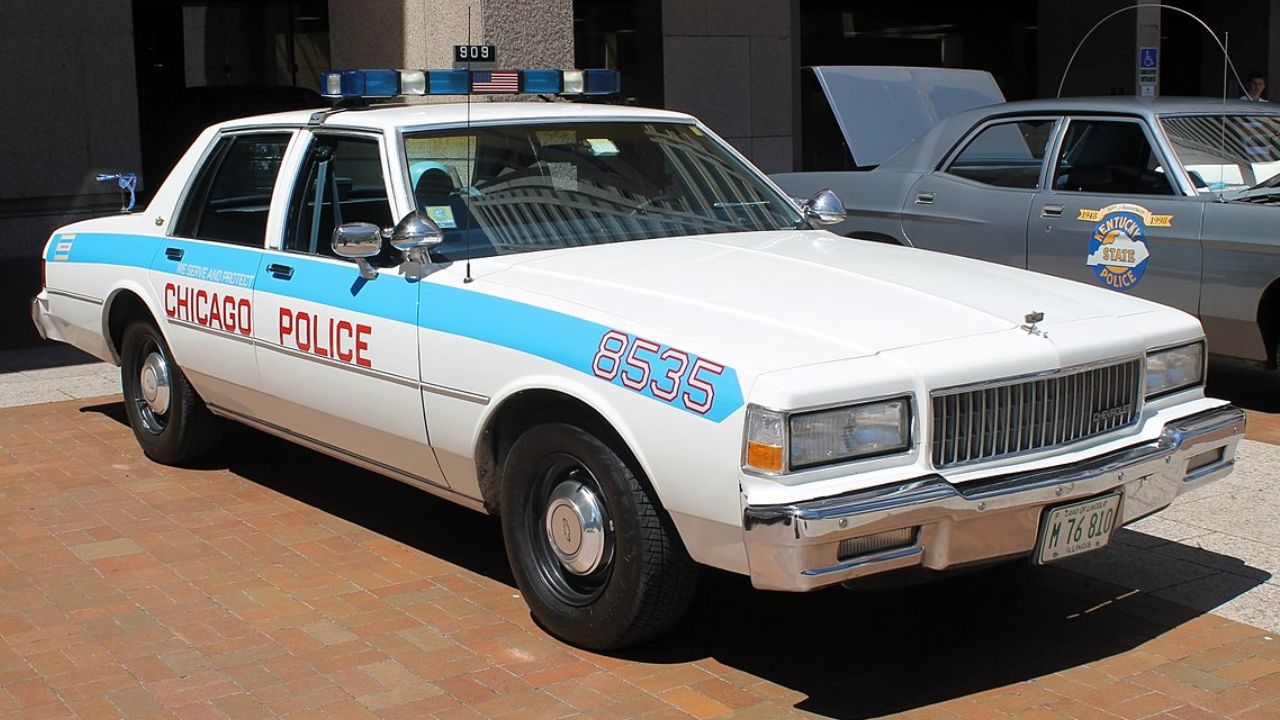
The LT9 is one of those 350s that rarely gets mentioned. Built from 1981–1986, it was a detuned small-block meant for fleet and police service. You’d find it in police Caprices, not Camaros or Corvettes. It made around 160 hp and roughly 250 lb-ft of torque, with heavier-duty internals, low compression, and conservative timing. It was designed to run on regular fuel and paired with long-lived automatic transmissions. Quick shifts and high revs weren’t in its job description—it was there to work hard and last a long time.
Lincoln InTech 4.6L DOHC
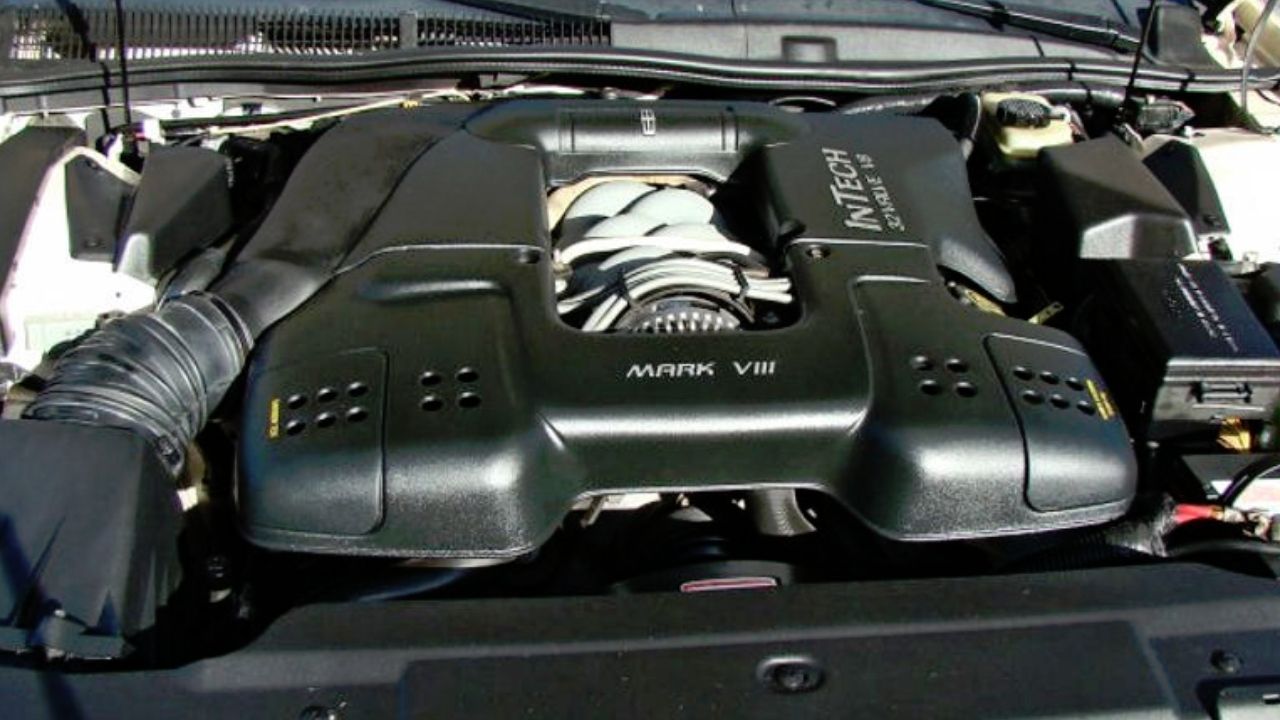
The 4.6L DOHC InTech V8 powered the Lincoln Mark VIII starting in 1993—a luxury coupe that shared Mustang bones but chased a different crowd. It made 280 hp in early models and 290 hp in later LSC trims, revving higher than most of Ford’s other Modular V8s thanks to four-valve heads and an aluminum block. Its smooth, high-revving nature set it apart, but there was no variable valve timing here—just solid engineering for refined power delivery. Tuned for comfort and long-legged cruising, it stayed far from burnout contests and dragstrip bragging rights.
Oldsmobile 260
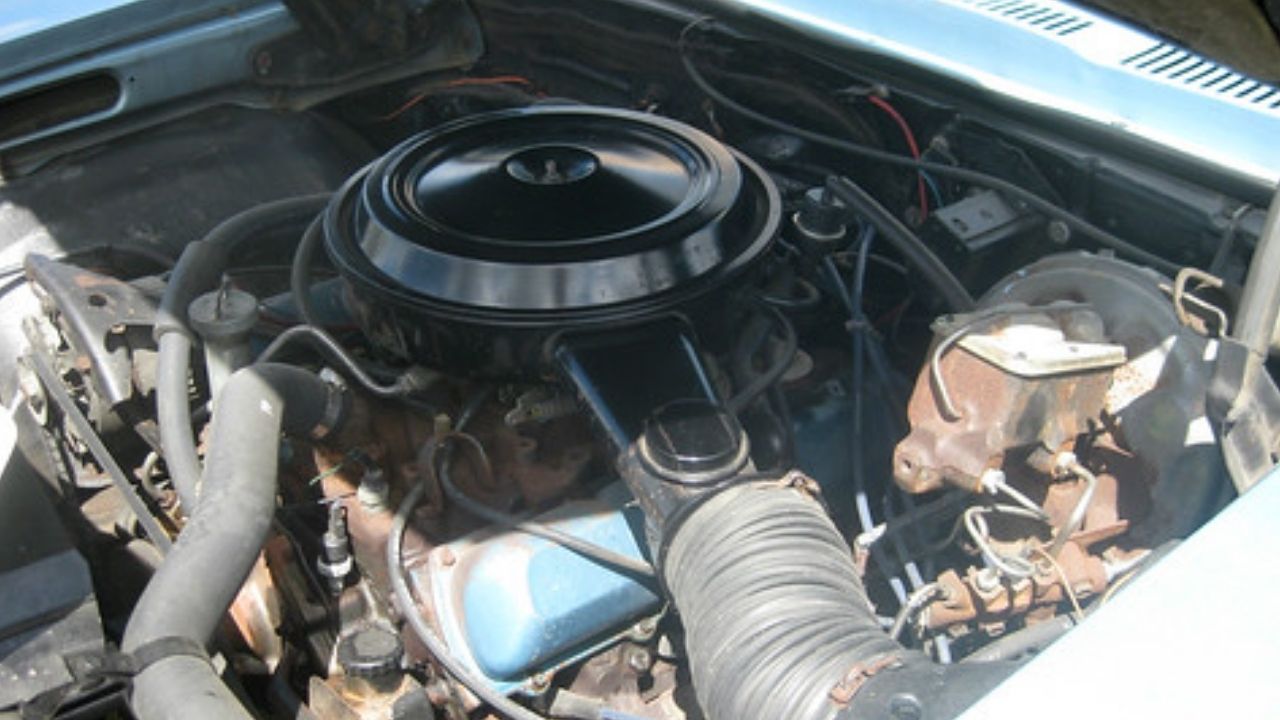
Introduced in 1975, the 260-cubic-inch V8 was part of GM’s downsizing push after the oil crisis. It made about 110–120 hp and appeared in Cutlasses, Delta 88s, and other full-size or mid-size Oldsmobiles—never in a performance trim. It shared its architecture with larger Olds V8s but used a smaller bore and longer stroke. Torque delivery was fine for daily use, but speed was never the point. Built for fuel economy and emissions compliance, it’s a V8 that fit the times but didn’t inspire the tire-smoking spirit of earlier engines.
Cadillac 472
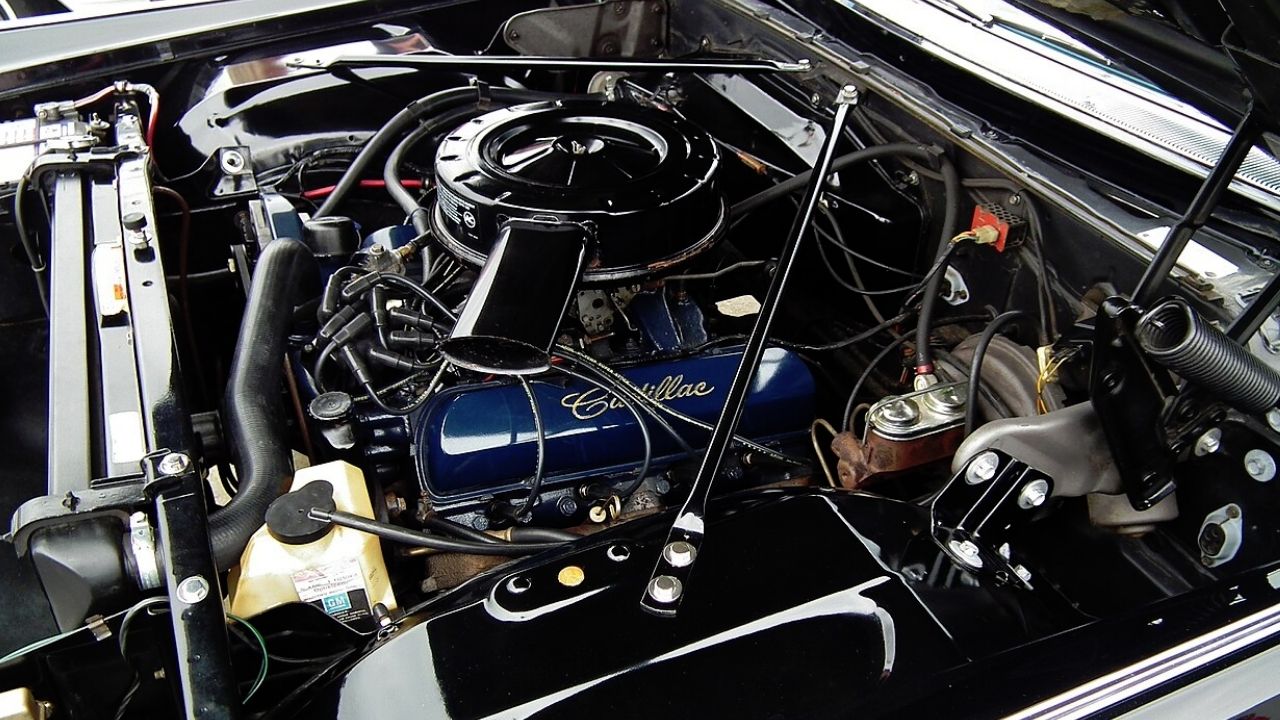
Before Cadillac’s 500 took over in the early ’70s, the 472-cubic-inch V8 powered the brand’s biggest sedans. Launched in 1968, it produced 375 hp and over 500 lb-ft of torque, making effortless work of moving 5,000-pound luxury cars. It never appeared in any GM muscle cars, even though its torque could have humbled some of them. With huge Rochester carbs and always mated to automatics, it was tuned for quiet, smooth, low-rev cruising. Performance potential was there, but Cadillac kept it firmly in the luxury lane.
AMC 304
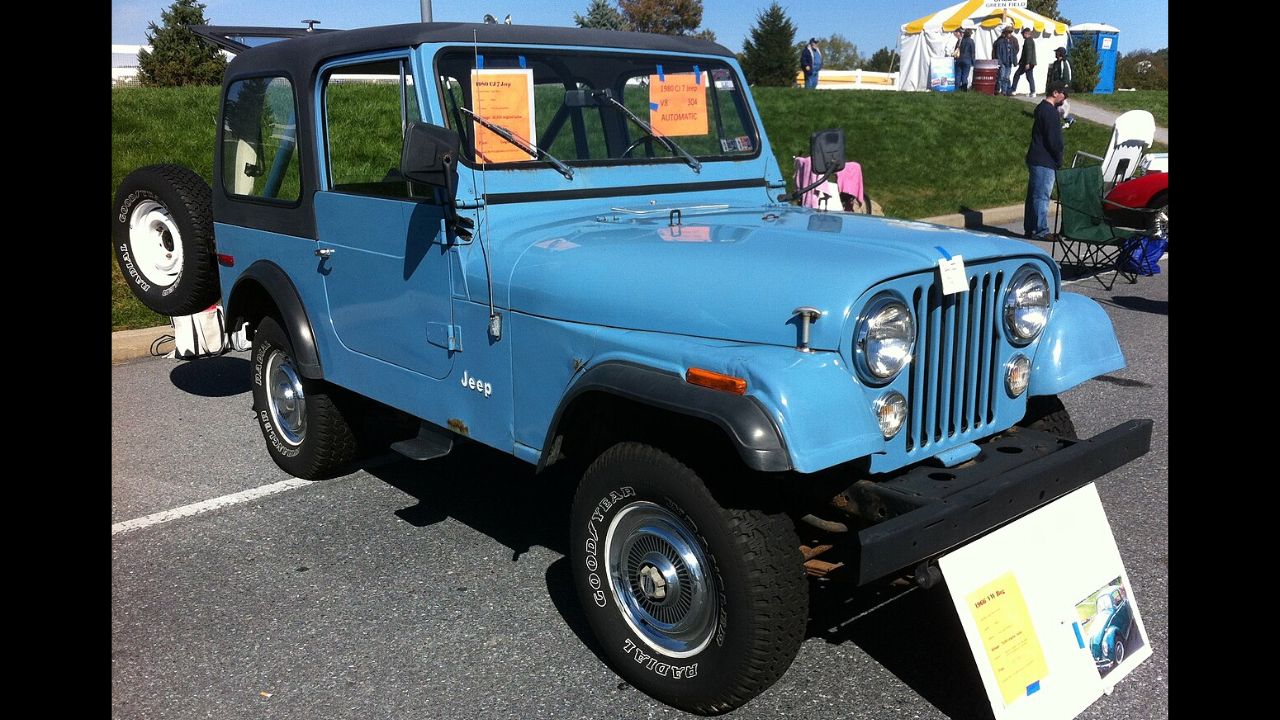
AMC’s 304 V8 debuted in 1970 and stuck around in cars until 1981, living on in Jeep CJs and trucks through 1987. Output ranged from around 150 hp early on to about 120 hp in the emissions-strangled later years. It shared family ties with the 360 and 401, but wasn’t common in AMC’s muscle offerings like the Javelin or AMX. With a short deck and long stroke, it pulled well at low rpm, making it better suited for utility and off-road work than high-performance street duty.
Pontiac 301 Turbo
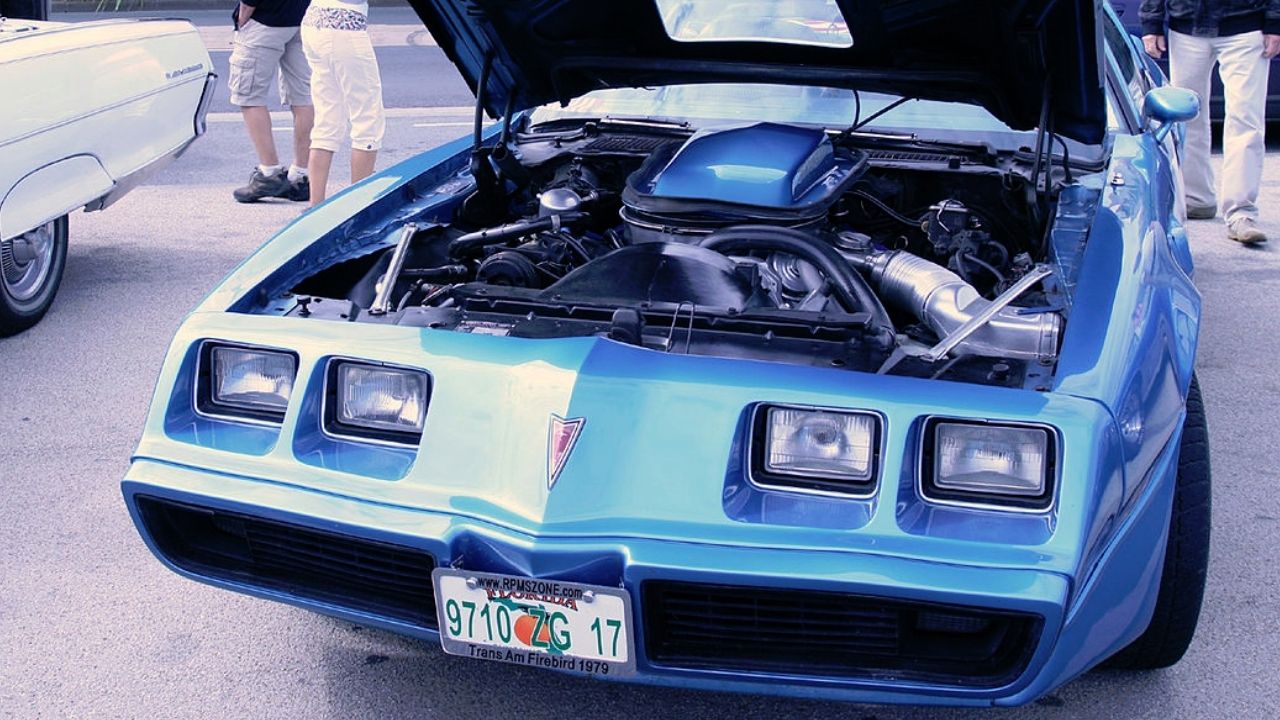
The 301 Turbo was Pontiac’s first production turbocharged V8, offered in 1980–1981 Trans Ams. While the car had muscle car looks, the engine wasn’t part of the original muscle car era’s mindset. With 4.9 liters of displacement, low compression, and a draw-through carb turbo system, it made 210 hp at best. Lag and heat issues were common, and refinement was lacking compared to modern turbo setups. Pontiac’s effort was innovative in concept, but in practice, it fell short of making the kind of impact enthusiasts hoped for.
Ford 385-Series 370
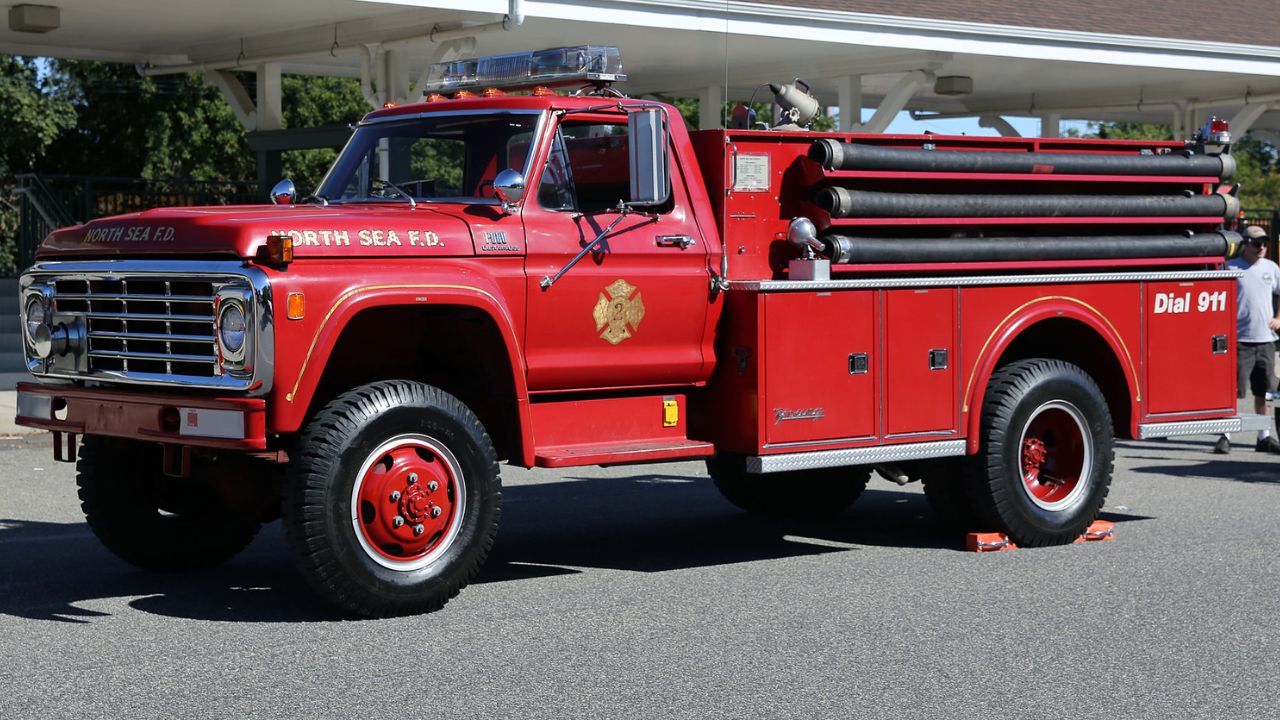
Part of Ford’s 385-series family alongside the 429 and 460, the 370 was aimed squarely at medium-duty trucks from the mid-1970s into the early 1990s. Found in F-600s and similar rigs, it made about 190 hp and over 350 lb-ft of torque, with a small bore, long stroke, and heavy-duty build. Forged crank, thick block walls, and large cooling passages made it reliable for continuous heavy loads. This was an engine designed to run all day—not to win races.
Like Fast Lane Only’s content? Be sure to follow us.
Here’s more from us:
*Created with AI assistance and editor review.

Leave a Reply