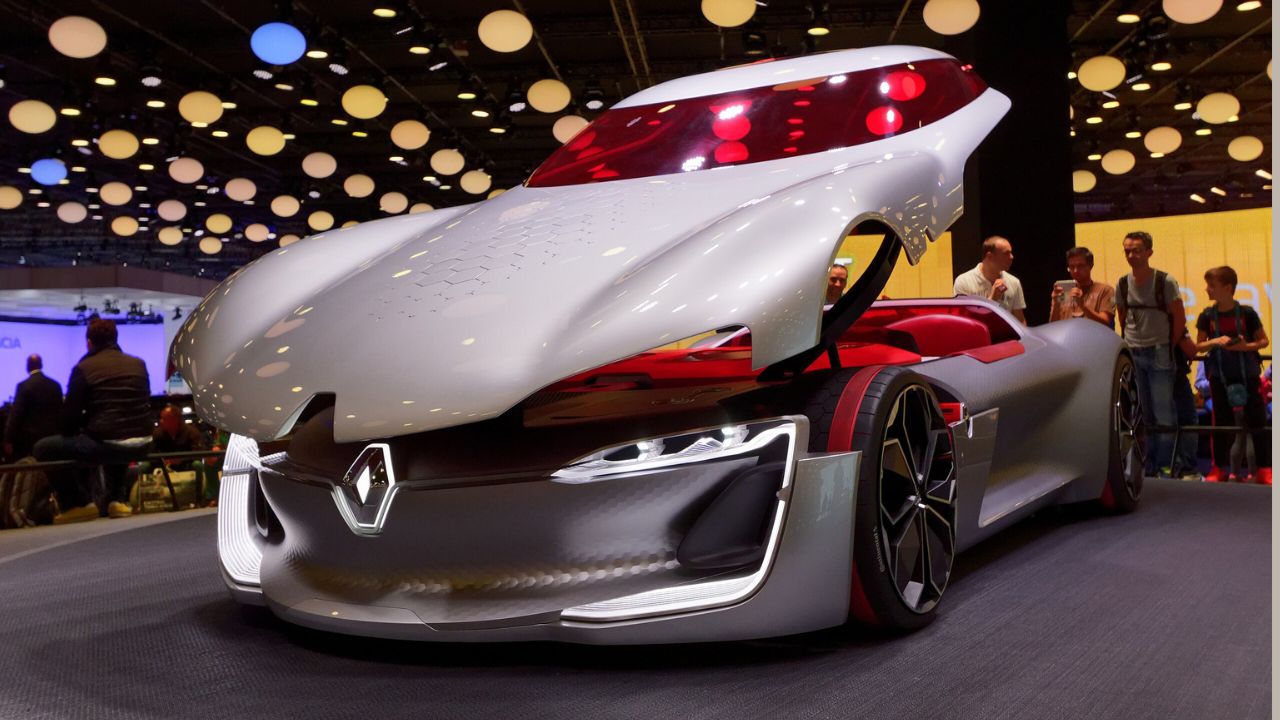
Concept cars often give us a glimpse into the future of automotive design and technology. While some make it to production, others remain tantalizing visions of what could have been. Here are fascinating concept cars that, in my opinion, should have hit the roads.
BMW Vision Next 100
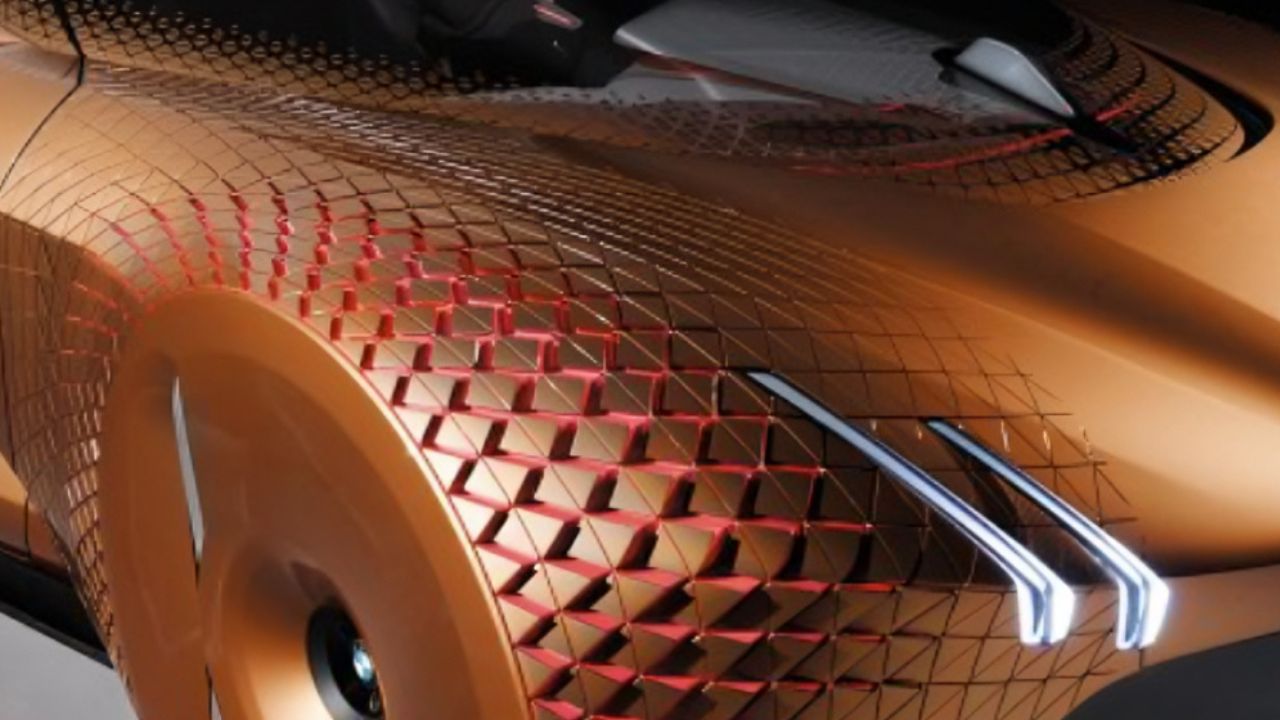
The BMW Vision Next 100, revealed in 2016, celebrated BMW’s centenary with a bold vision of the future. The concept car featured shape-shifting bodywork, autonomous driving capabilities, and a futuristic interior that adapts to the driver’s needs. It was designed to reflect what driving could look like in the next century.
Despite its appeal and forward-thinking design, the Vision Next 100 remained a concept. It served as an inspiration for BMW’s future designs, emphasizing sustainability and connectivity. This concept highlighted the potential for intelligent vehicles that could interact seamlessly with their environment and passengers.
Audi Aicon

The Audi Aicon, unveiled in 2017, was Audi’s take on a luxurious autonomous vehicle. This sleek, driverless car promised a range of 500 miles on a single charge and featured an interior designed for relaxation, with no steering wheel or pedals. It was a vision of long-distance travel without the stress of driving.
While the Aicon’s design was ahead of its time, it remains a concept. Audi aimed to showcase the possibilities of autonomous driving with the Aicon, pushing the boundaries of what luxury cars could offer in terms of comfort and convenience for future travelers.
Mercedes-Benz Vision EQ Silver Arrow
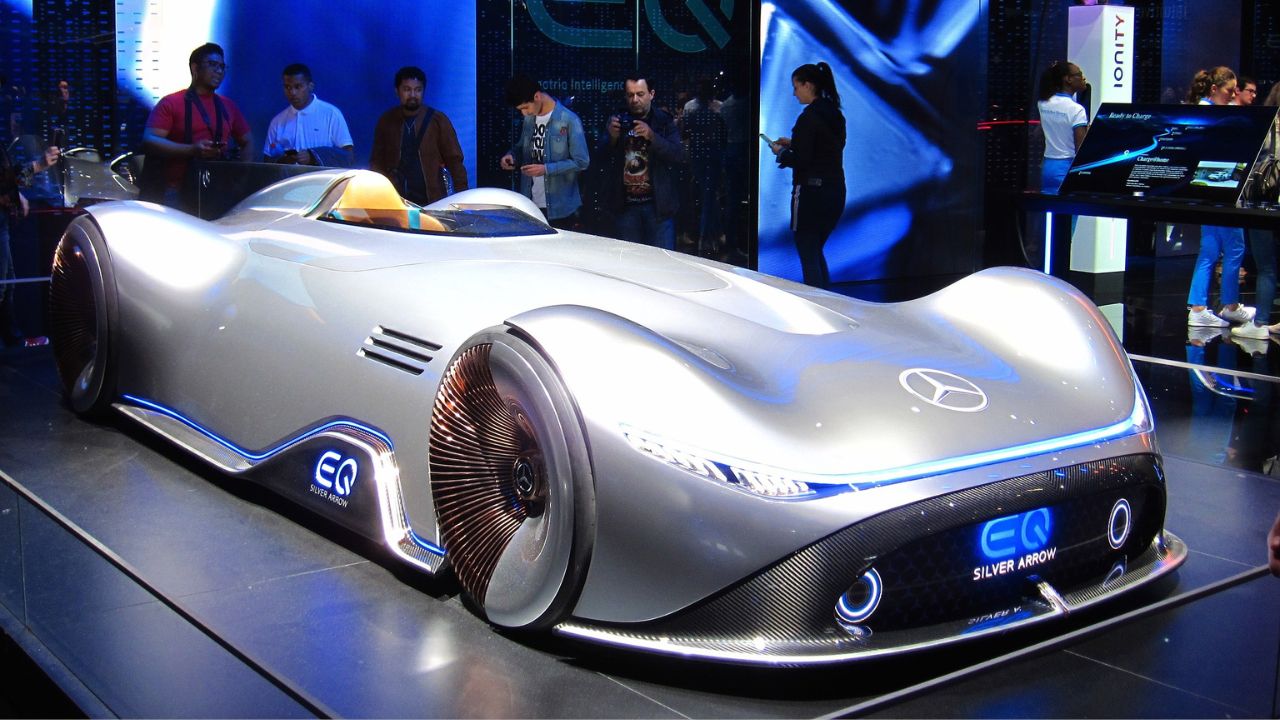
Inspired by the legendary Silver Arrows of the 1930s, the Mercedes-Benz Vision EQ Silver Arrow concept car, introduced in 2018, combined classic racing aesthetics with electric power. Its sleek, aerodynamic body and futuristic interior were a tribute to both the past and the future of automotive design.
Despite its stunning looks and innovative features, the Vision EQ Silver Arrow remained a design study. Mercedes-Benz used it to demonstrate the potential of electric performance vehicles, highlighting their commitment to blending heritage with modern technology.
Renault Trezor
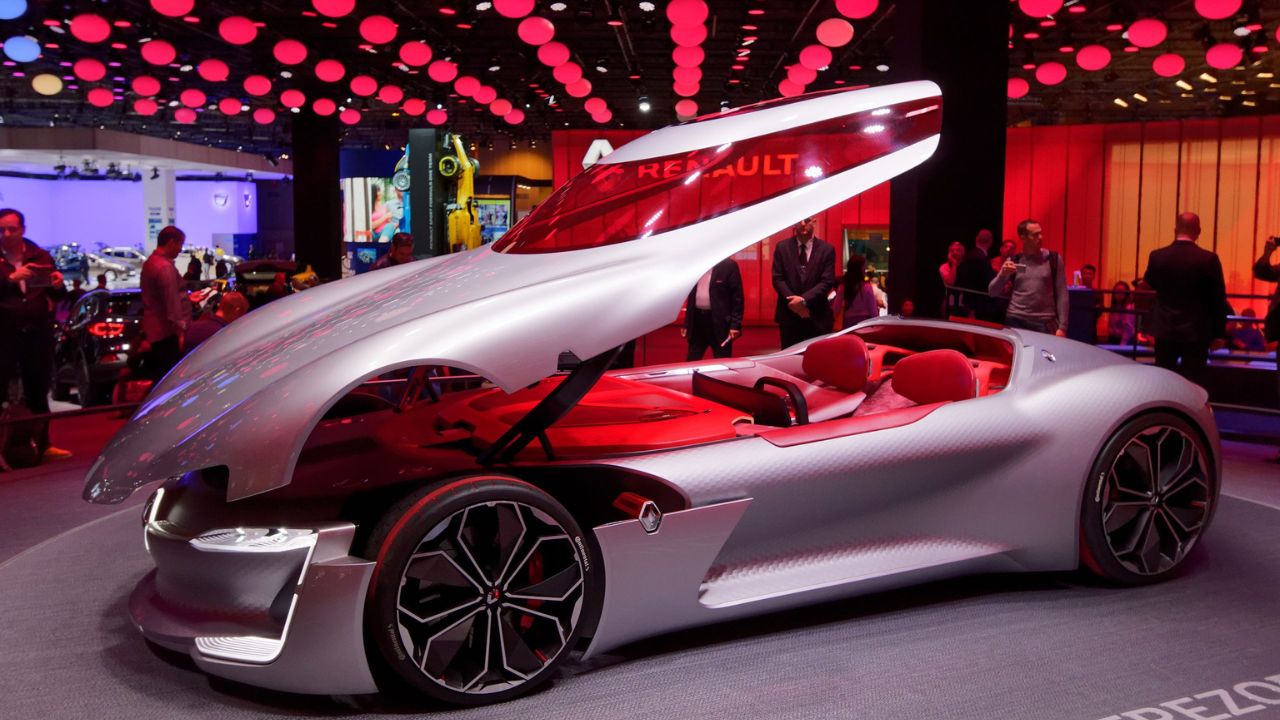
The Renault Trezor, unveiled in 2016, captivated audiences with its bold design and cutting-edge technology. Its low, sleek profile and innovative use of red-tinted carbon fiber made it a standout at car shows. The Trezor’s electric motor promised impressive performance, drawing inspiration from Formula E technology.
Although the Trezor never went into production, it influenced Renault’s design language for future models. The concept car emphasized Renault’s vision of combining elegant design with sustainable technology, pushing the boundaries of what electric cars could achieve.
Lamborghini Terzo Millennio
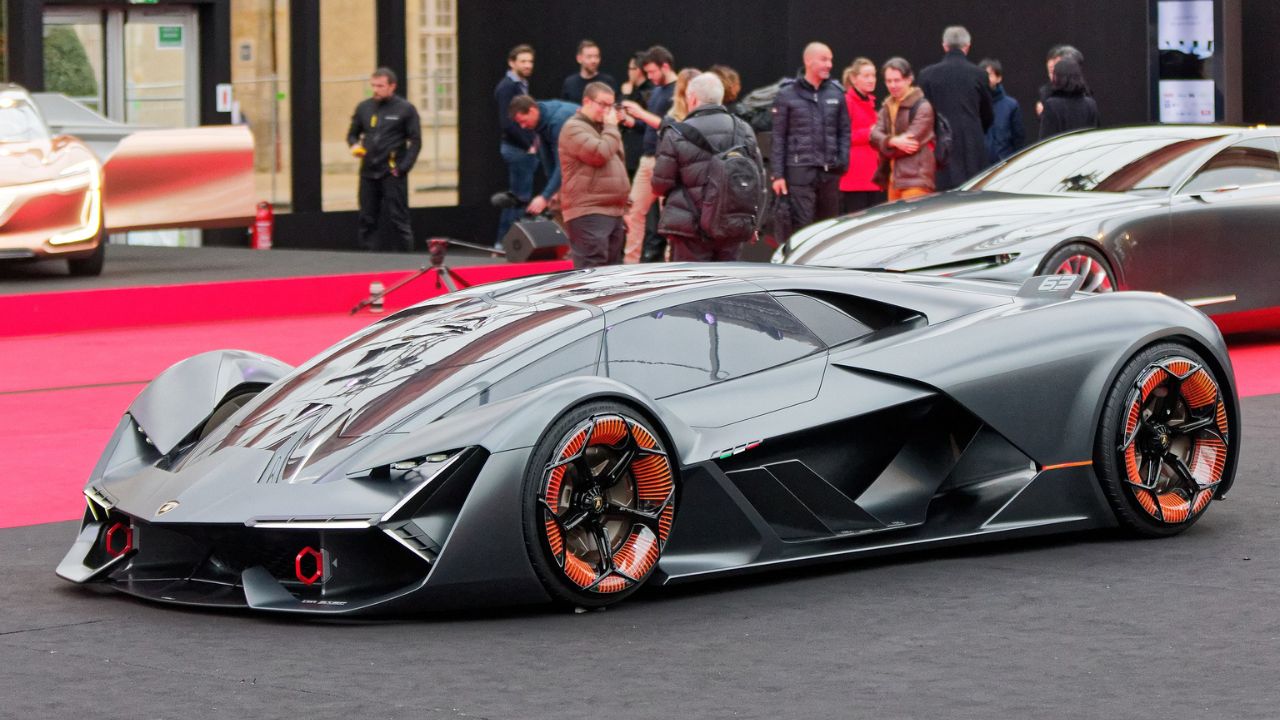
The Lamborghini Terzo Millennio, introduced in 2017, was Lamborghini’s vision of the supercar of the future. Collaborating with MIT, Lamborghini developed a concept that featured self-healing panels and energy-storing carbon fiber. Its aggressive design and advanced technology represented a bold step into the future.
Despite its groundbreaking features, the Terzo Millennio remained a concept. Lamborghini utilized it to explore the possibilities of electric supercars, paving the way for future innovations in performance and materials technology.
Jaguar C-X75
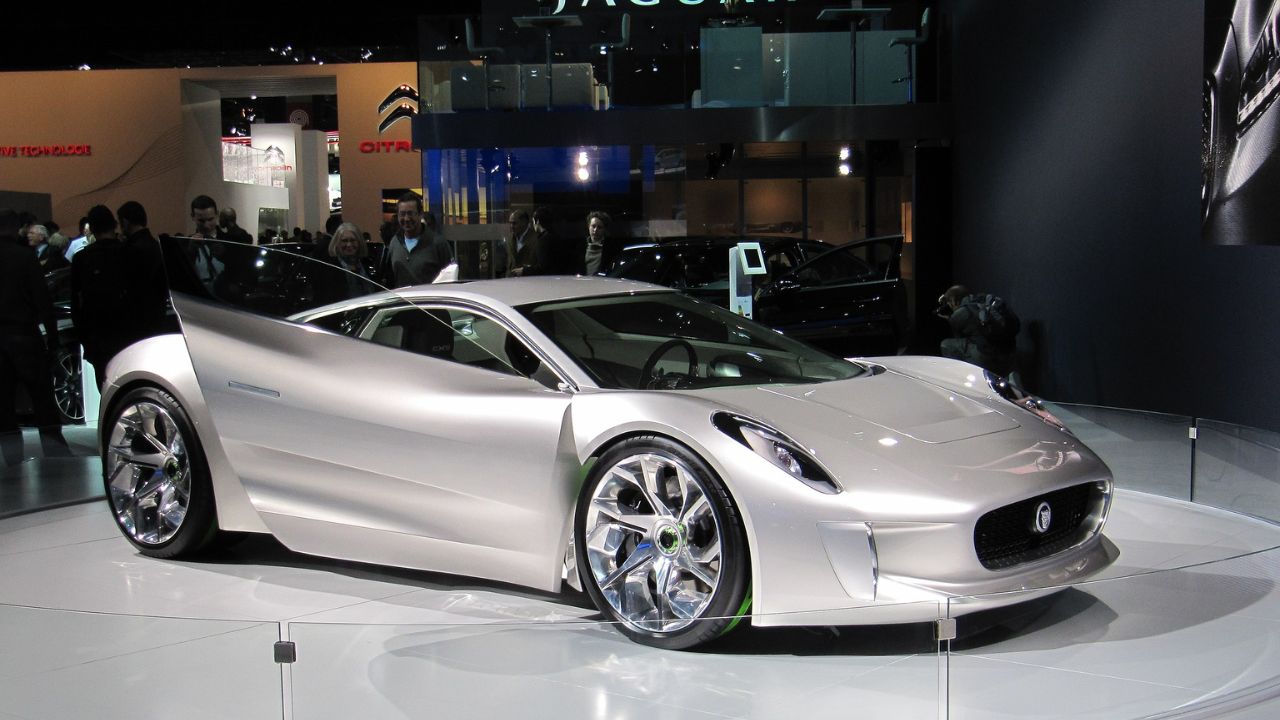
The Jaguar C-X75 was a hybrid-electric concept car revealed in 2010. It combined breathtaking design with advanced technology, including a turbine engine and electric motors. Its performance rivaled that of traditional supercars, promising an exhilarating driving experience.
Although it never reached production, the C-X75 left a lasting impact on Jaguar’s approach to sustainability and innovation. It highlighted the potential for hybrid technology in high-performance vehicles, inspiring future developments in Jaguar’s lineup.
Nissan IDX Nismo
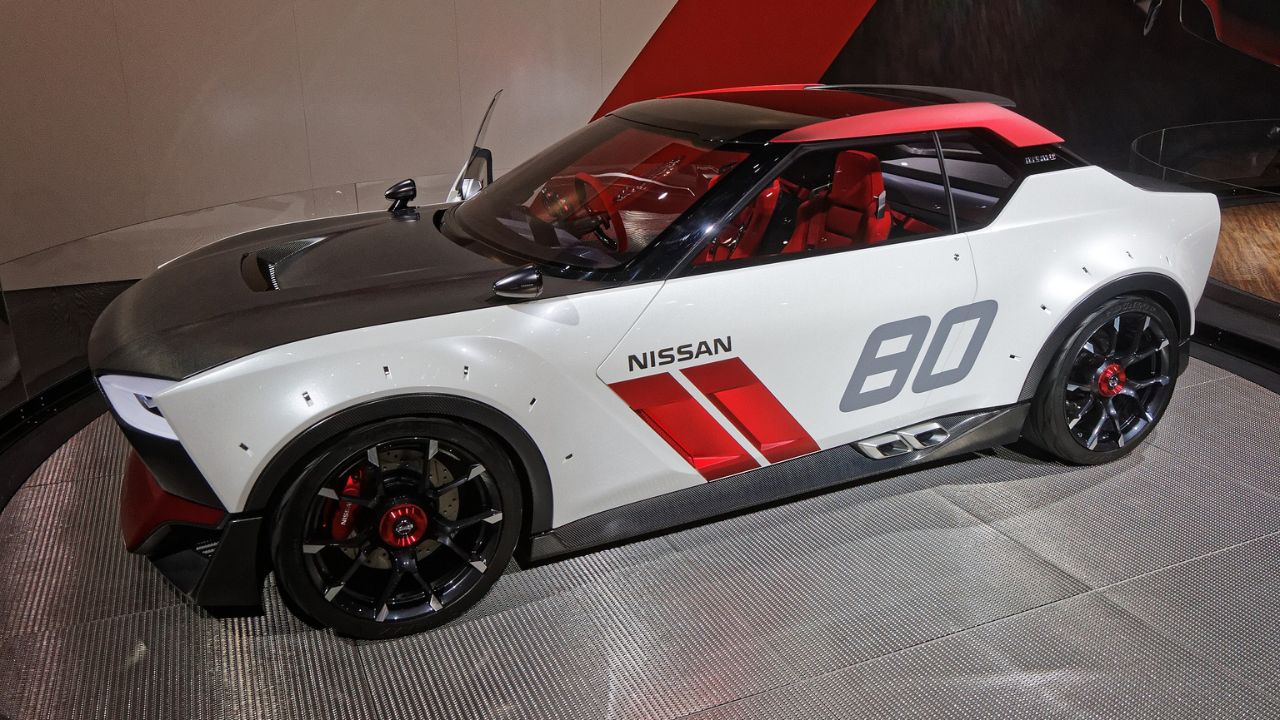
The Nissan IDX Nismo, showcased in 2013, was a modern take on the classic Datsun 510. Its retro-inspired design and sporty features captured the essence of Nissan’s racing heritage. The IDX Nismo concept was aimed at enthusiasts looking for a compact, fun-to-drive car.
Despite positive reception, the IDX Nismo never made it to production. Nissan’s decision left fans longing for a return to its roots with a small, accessible sports car. The concept car remains a reminder of Nissan’s potential to blend nostalgia with modern performance.
Like Fast Lane Only’s content? Be sure to follow us.
Here’s more from us:
*Created with AI assistance and editor review.