Not every car that made it across the border deserved a hero’s welcome. Over the years, import restrictions kept plenty of questionable rides out of U.S. garages—and for good reason. Some were underbuilt, overpriced, or just wildly out of step with what Americans actually wanted to drive. But time passed, rules relaxed, and a few of these oddities trickled in under the radar.
This list isn’t about bashing imports—it’s about calling out the ones that never quite earned their keep. From underpowered oddballs to unreliable darlings of the obscure, here are the foreign cars that probably should’ve stayed on the no-fly list.
Alfa Romeo Brera
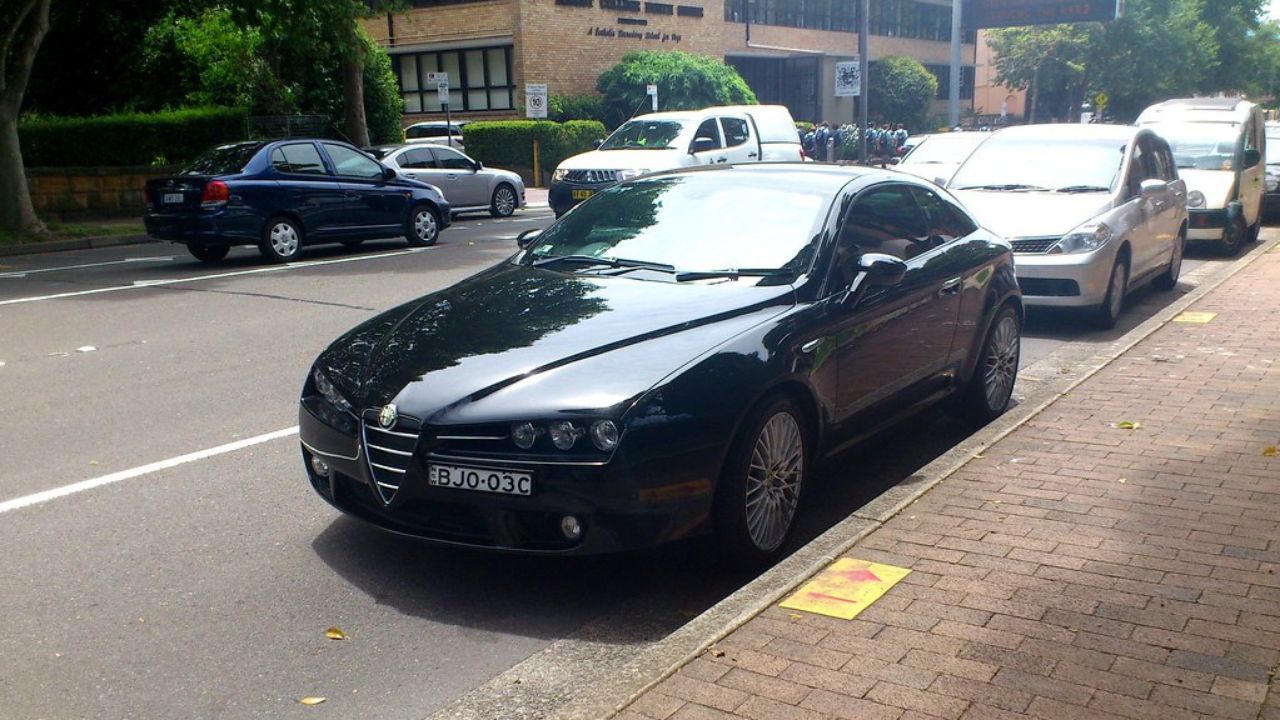
The Alfa Romeo Brera, with its sleek Italian design, was expected to make waves in the automotive market. However, the reality was quite different. The Brera was often criticized for its lackluster performance, which did not match its sporty appearance. Under the hood, it had engines that were underpowered compared to its competitors, leading to a disappointing driving experience. The heavy chassis and uninspiring interior didn’t help its case either. Despite its aesthetic appeal, many argue that the Brera should have remained a forbidden fruit.
Citroën C6
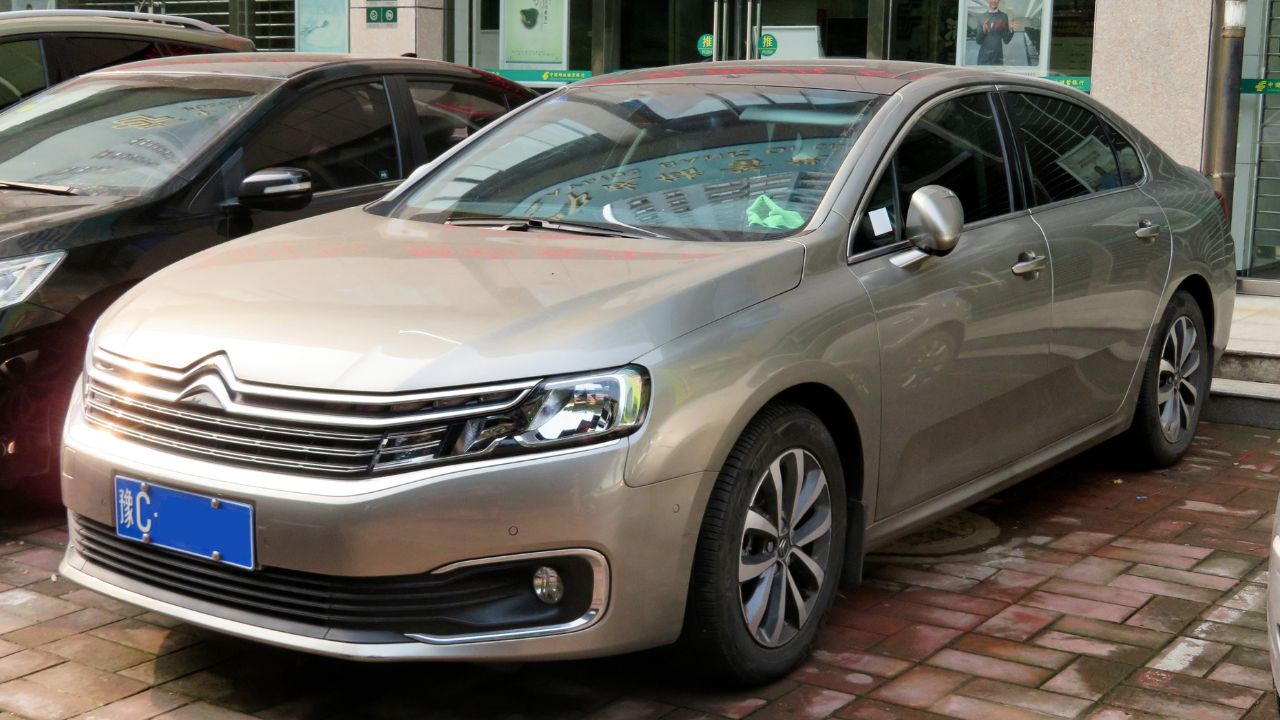
The Citroën C6 was introduced as a luxury sedan with a unique design and advanced technology. However, its overly complicated electronics and reliability issues plagued its reputation. The distinctive styling, while bold, was not to everyone’s taste, making it a hard sell in many markets. Despite its ambition to compete with established luxury brands, the C6 fell short in terms of quality and dependability. This car often left owners with more headaches than satisfaction, suggesting its ban could have been a blessing in disguise.
Peugeot 407 Coupe
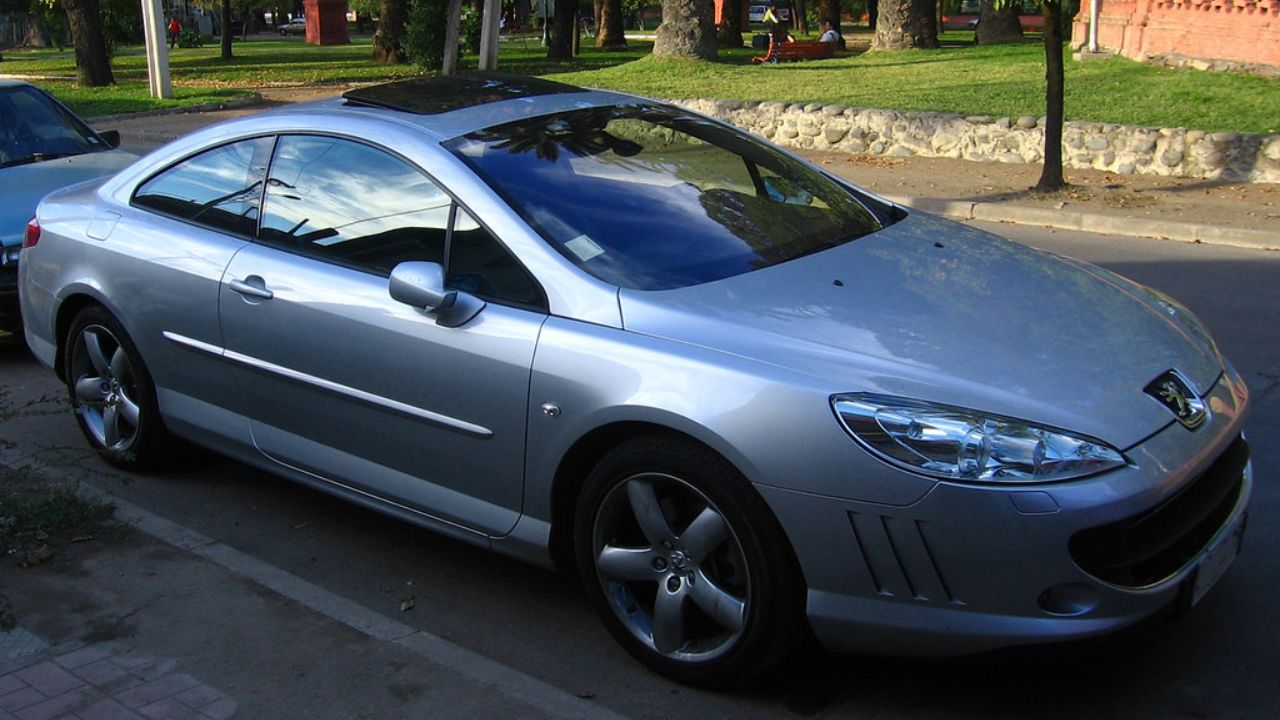
The Peugeot 407 Coupe aimed to offer a stylish alternative in the coupe segment, yet it failed to deliver on multiple fronts. Performance-wise, it struggled to keep up with its peers, and its handling was often criticized for being too soft and uninspiring. The interior lacked the refinement expected from a coupe of its class, leaving much to be desired in terms of quality and comfort. For those considering a coupe with flair and performance, the 407 Coupe was more of a cautionary tale than a success story.
Renault Avantime

The Renault Avantime was a bold attempt to revolutionize the MPV segment with its unique design and concept. Unfortunately, its execution was far from stellar. The Avantime suffered from poor sales due to its niche appeal and impractical design choices. The massive, single-door system was a novelty but proved to be cumbersome and impractical for everyday use. Additionally, the build quality and reliability issues only added to its woes. It’s a classic example of a concept that perhaps should have never left the drawing board, as discussed here.
Lancia Thesis
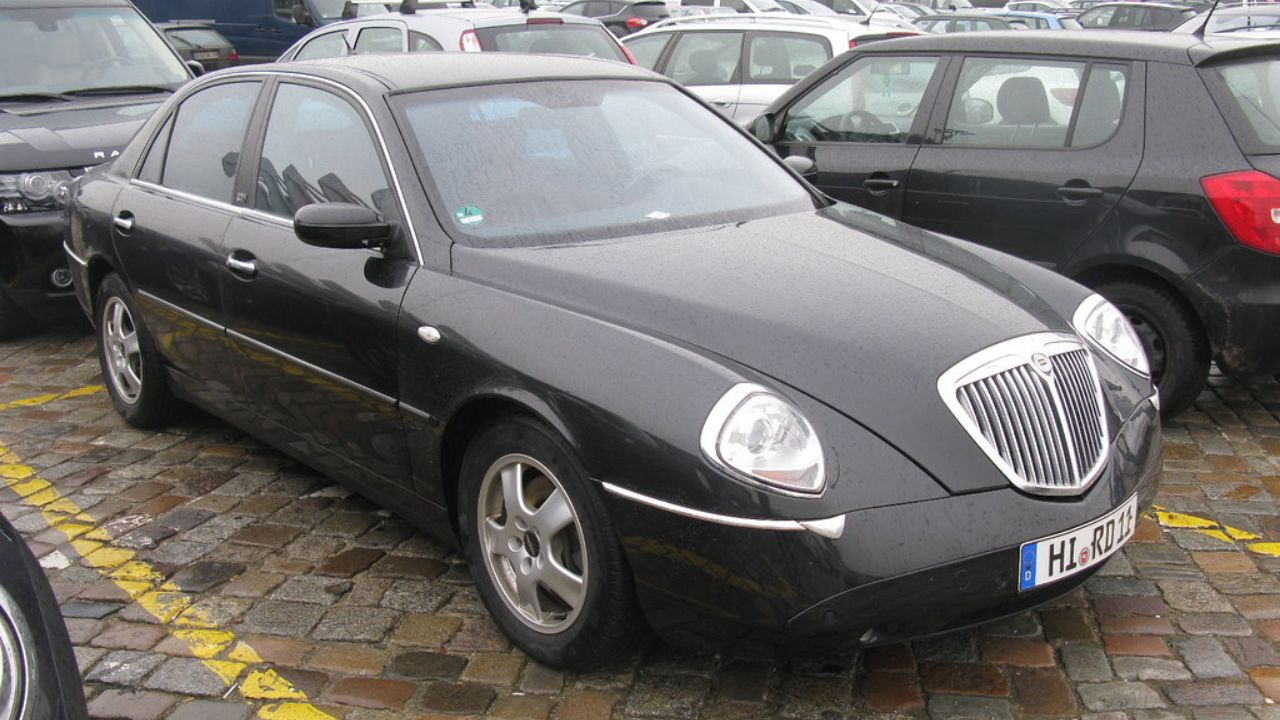
The Lancia Thesis was introduced as a luxury sedan with an emphasis on comfort and style. Despite these intentions, the car was plagued by various issues, including poor build quality and a lack of driving dynamics that luxury car buyers expect. The Thesis also failed to resonate with its target audience, as its retro-inspired design was considered polarizing. The combination of these factors contributed to its limited success, and many believe it should have remained absent from certain markets.
Tata Nano
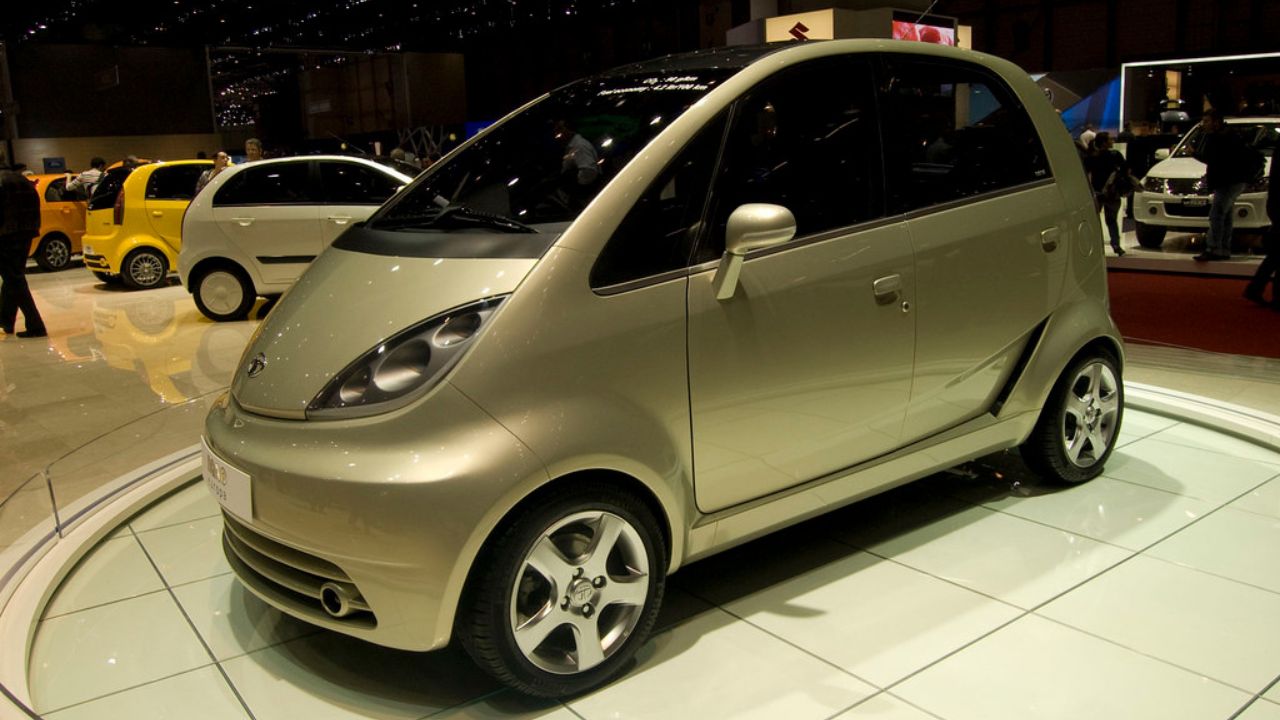
Marketed as the world’s cheapest car, the Tata Nano promised affordable transportation to the masses. However, its minimalistic approach came at the cost of safety and performance. The Nano lacked basic features that many consider essential, leading to significant concerns about its viability in various markets. The car’s poor safety ratings and underwhelming performance made it less appealing, suggesting that its ambitious concept may have been better left on paper as examined here.
SsangYong Rodius

The SsangYong Rodius is often remembered for its unconventional design, which many found unappealing. Despite its spacious interior, the Rodius struggled to find a fanbase due to its awkward styling and mediocre performance. Reliability issues further compounded its problems, making it a tough sell in competitive markets. The Rodius is frequently cited as an example of a car that, despite its potential, might have been better off remaining unknown to certain audiences.
Great Wall Hover
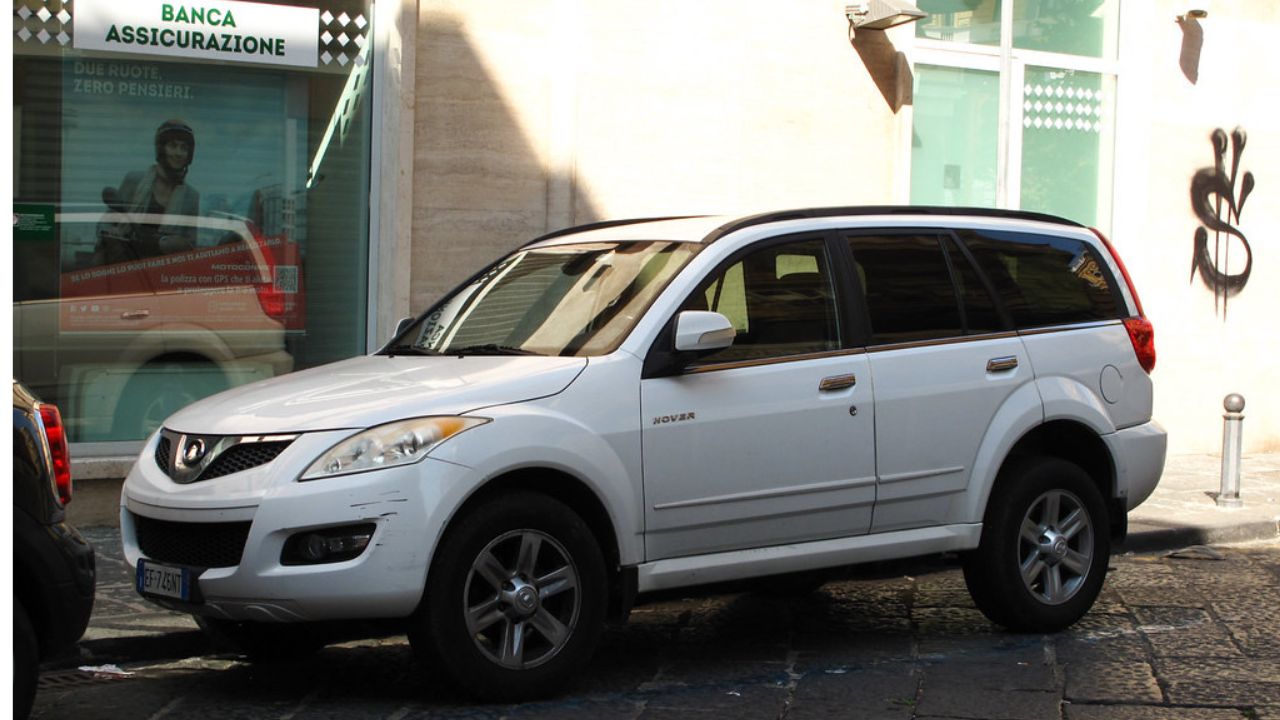
The Great Wall Hover entered the market with the promise of an affordable SUV with off-road capabilities. However, it was quickly overshadowed by safety and quality concerns. The Hover’s crash test results were less than reassuring, and its build quality left much to be desired. The SUV’s lack of refinement and subpar handling didn’t help its reputation either. As a result, some argue that it would have been best for the Hover to have stayed off the roads in markets that demand higher standards, as noted in this study.
Like Fast Lane Only’s content? Be sure to follow us.
Here’s more from us:
*Created with AI assistance and editor review.