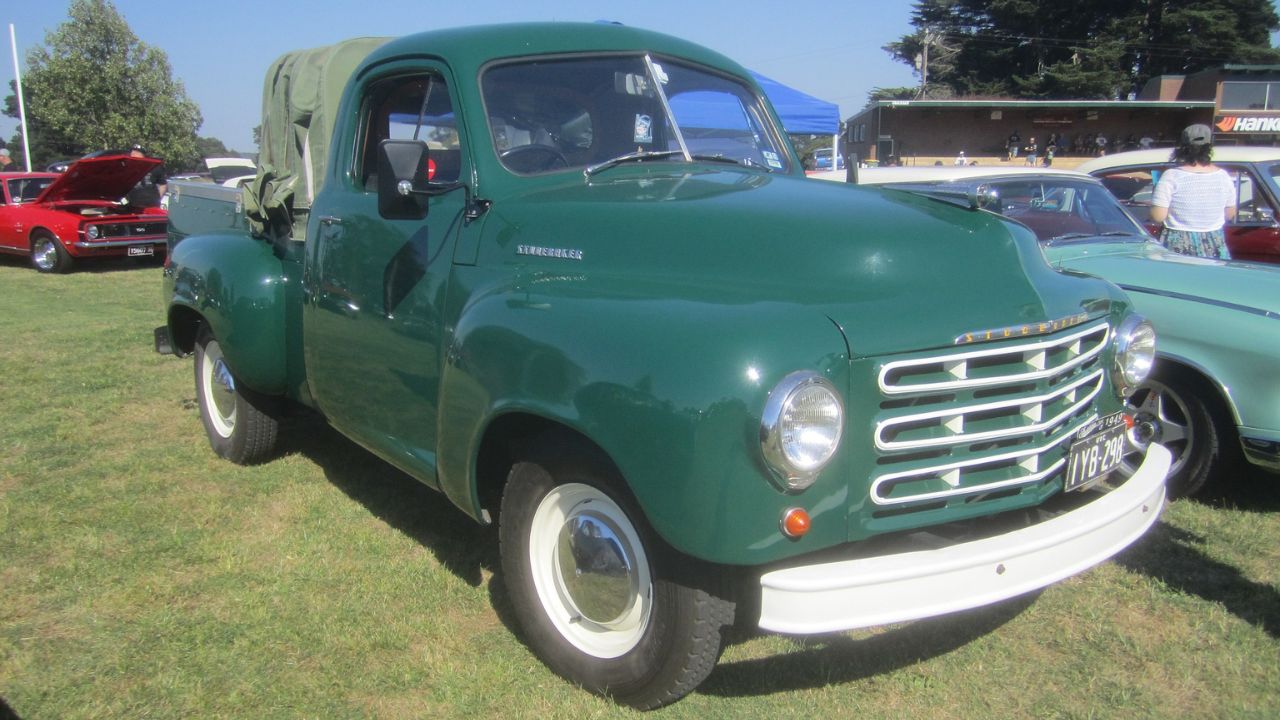
Some vintage trucks were built so well, they just kept going—decade after decade. These weren’t museum pieces or weekend toys. They were real workhorses with frames that didn’t flinch, engines that kept turning, and interiors that took a beating without falling apart. This list looks at 10 old trucks that refused to quit and earned reputations for outlasting the era that made them.
1946–1950 Dodge Power Wagon
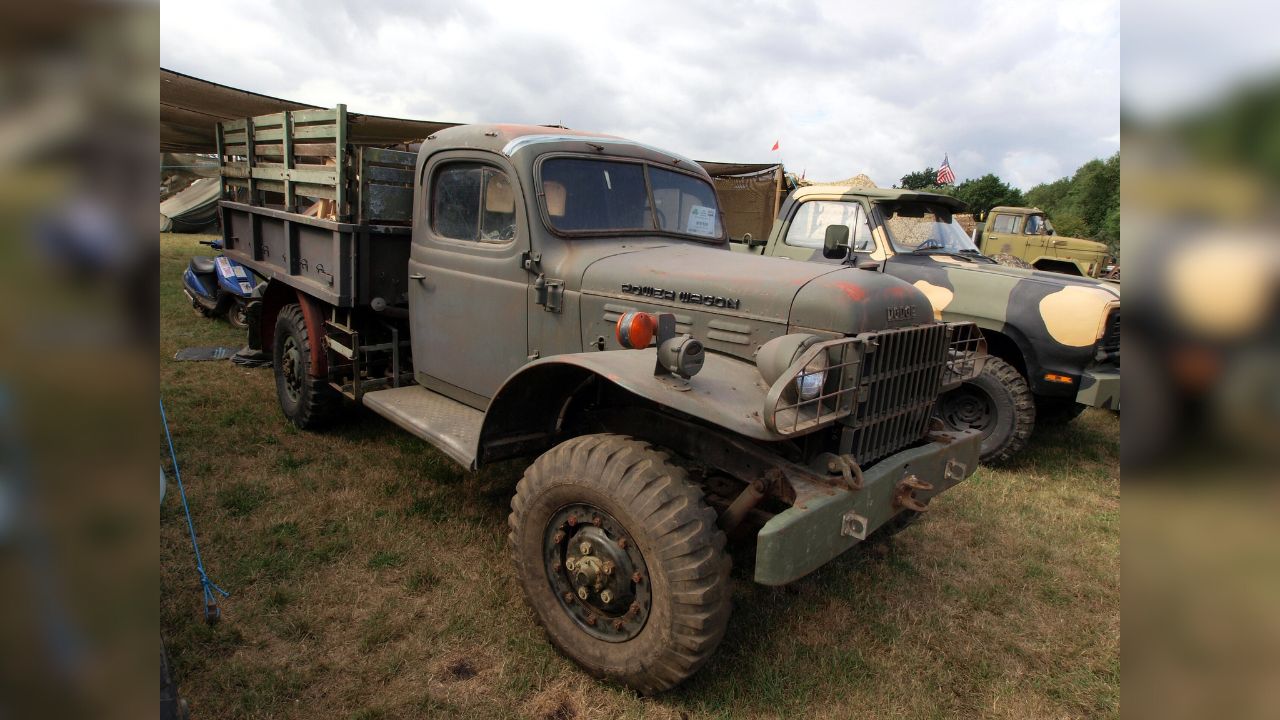
Born out of World War II, the Dodge Power Wagon brought military toughness to civilian roads. It used a 230 cu-in flathead six and a 4-speed manual with a two-speed transfer case.
With a 1-ton rating, 4WD, and leaf springs all around, this truck didn’t flinch at hard labor. Farmers, miners, and loggers kept these going long after newer trucks broke down. And thanks to a fully boxed frame, they often got rebuilt instead of junked.
1953–1956 Ford F-100
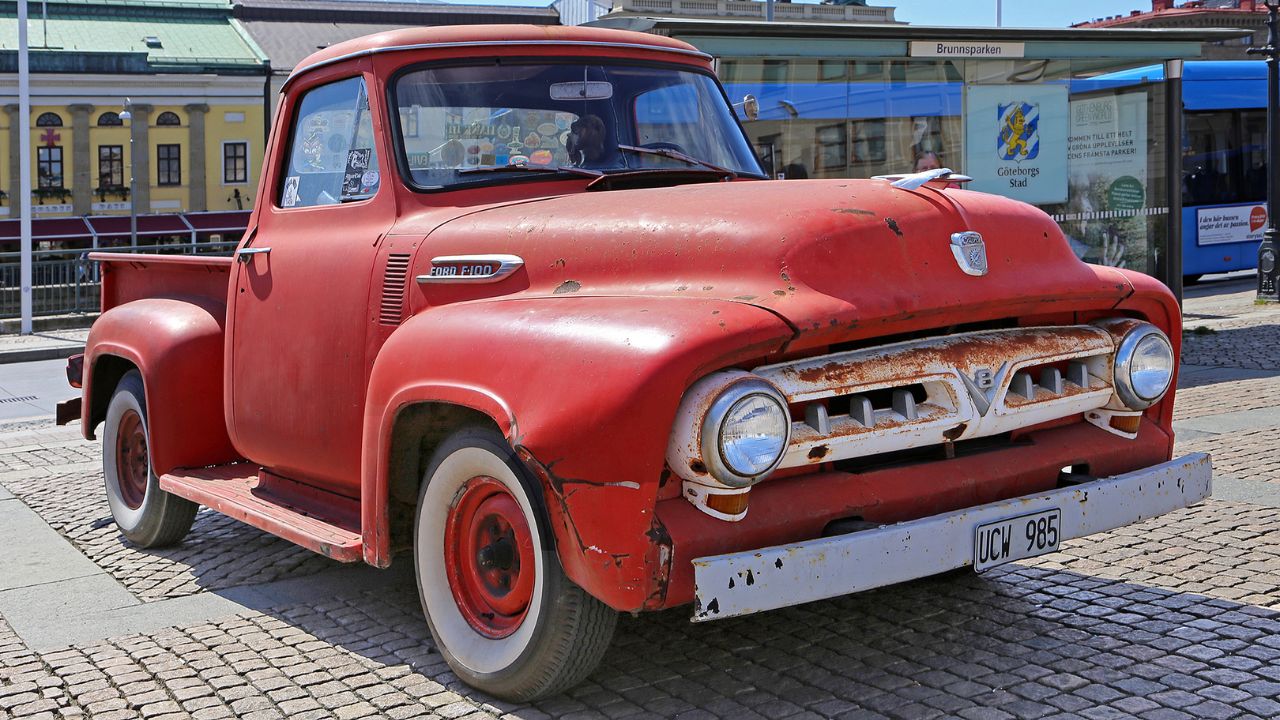
The second-gen F-100 introduced a clean new style but kept the grit. Offered with inline-sixes or the Y-block V8, these trucks were simple, reliable, and easy to wrench on.
Its beam axle and leaf-spring setup could take punishment, and the interiors were basic but durable—painted steel dash, hard bench seat, no-nonsense switchgear. Plenty are still on the road today, not just because they’re collectible, but because they still run.
1947–1955 Chevrolet Advance Design
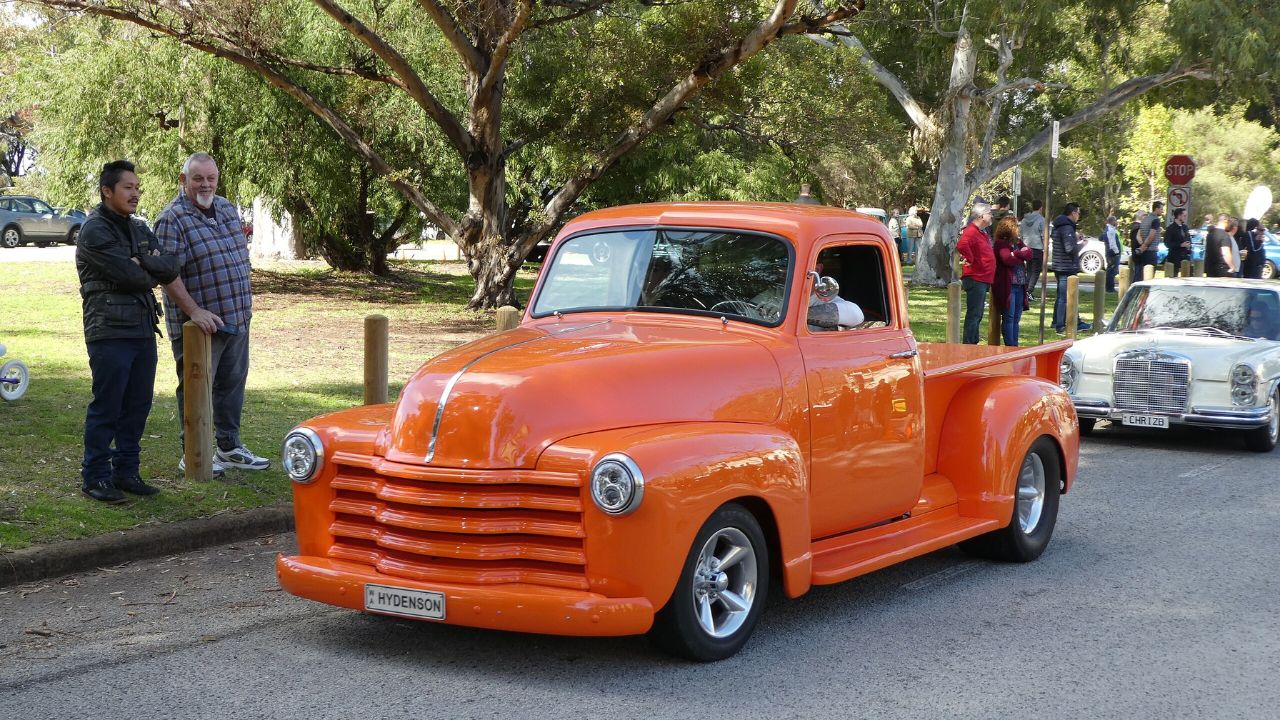
Chevy’s Advance Design trucks were postwar workhorses with rounded styling and a wider cab that made them feel more modern for their time. Power came from the trusty 216 or 235 inline-six.
These trucks featured a stronger frame than earlier models and were used everywhere—from farms to city fleets. Their simplicity made them easy to maintain, and parts remained available for years. Many were driven daily well into the 1970s.
1957–1960 Dodge D-Series Sweptside
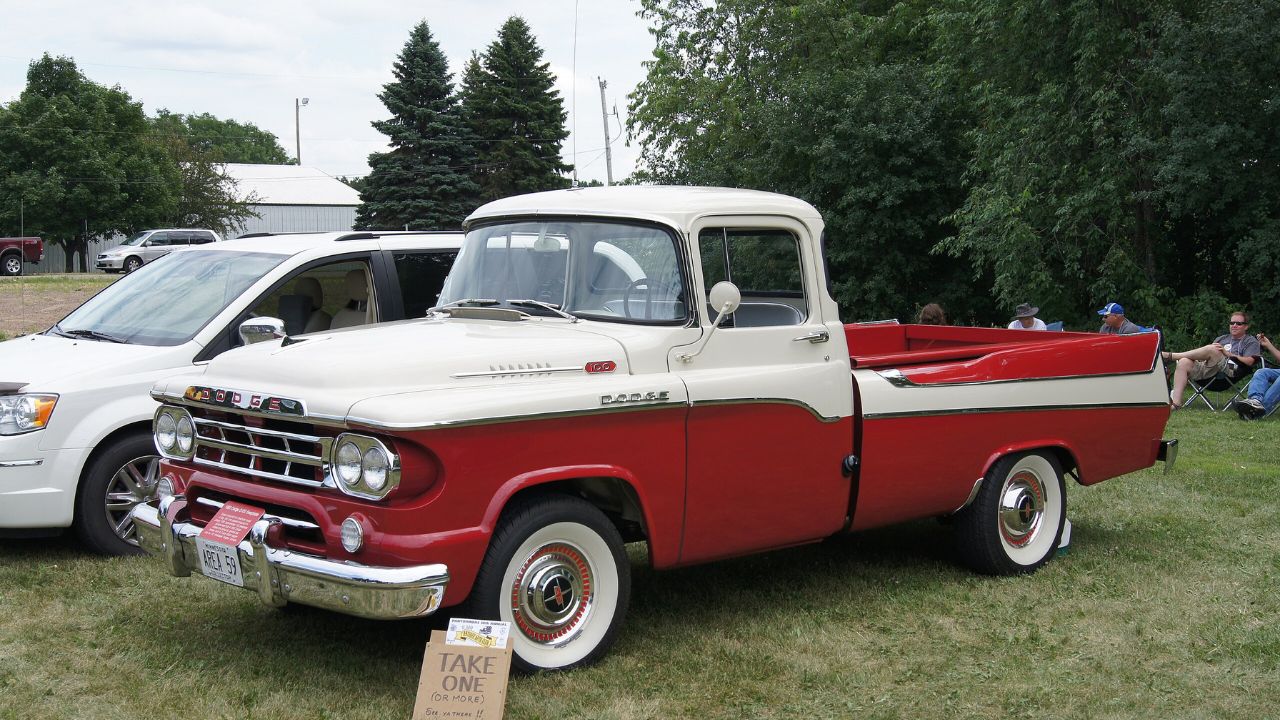
The Sweptside looked like a car and worked like a truck. Underneath the two-tone fins and chrome, it packed real hauling ability thanks to heavy-duty rear springs and optional V8s.
You could get it with the 315 or 325 cu-in polyhead V8 and either a manual or LoadFlite automatic. While it didn’t sell in big numbers, the ones that survived stuck around, thanks to rugged construction and a unique look that kept them out of scrap yards.
1955–1959 GMC Blue Chip Series
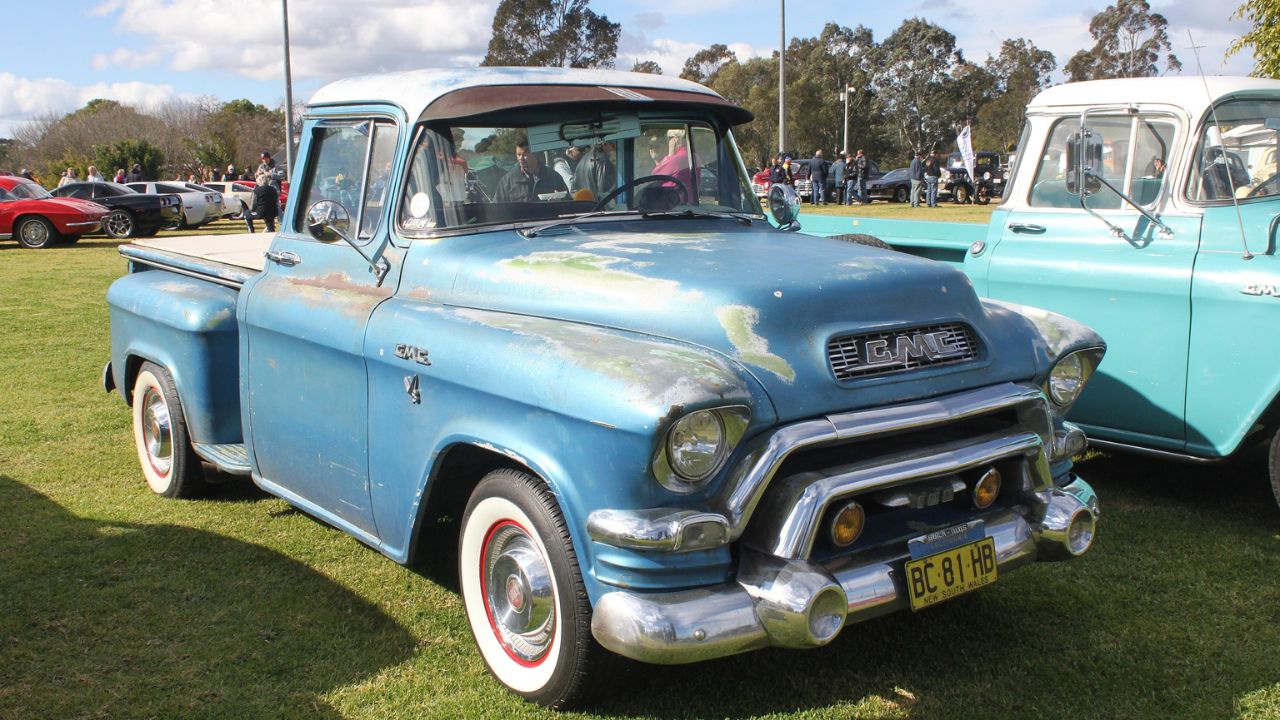
The GMC Blue Chip trucks were marketed as upscale work vehicles. They used the same body as the Chevy Task Force but often came with GMC’s own inline-six or optional Pontiac-sourced V8s.
With their heavier-duty axles and trim upgrades, these trucks were popular with businesses that expected them to last. Many were spec’d with 4-speed manuals and two-tone paint but stripped-down interiors. They kept showing up on job sites well into the ’80s.
1956–1960 Willys Jeep Truck
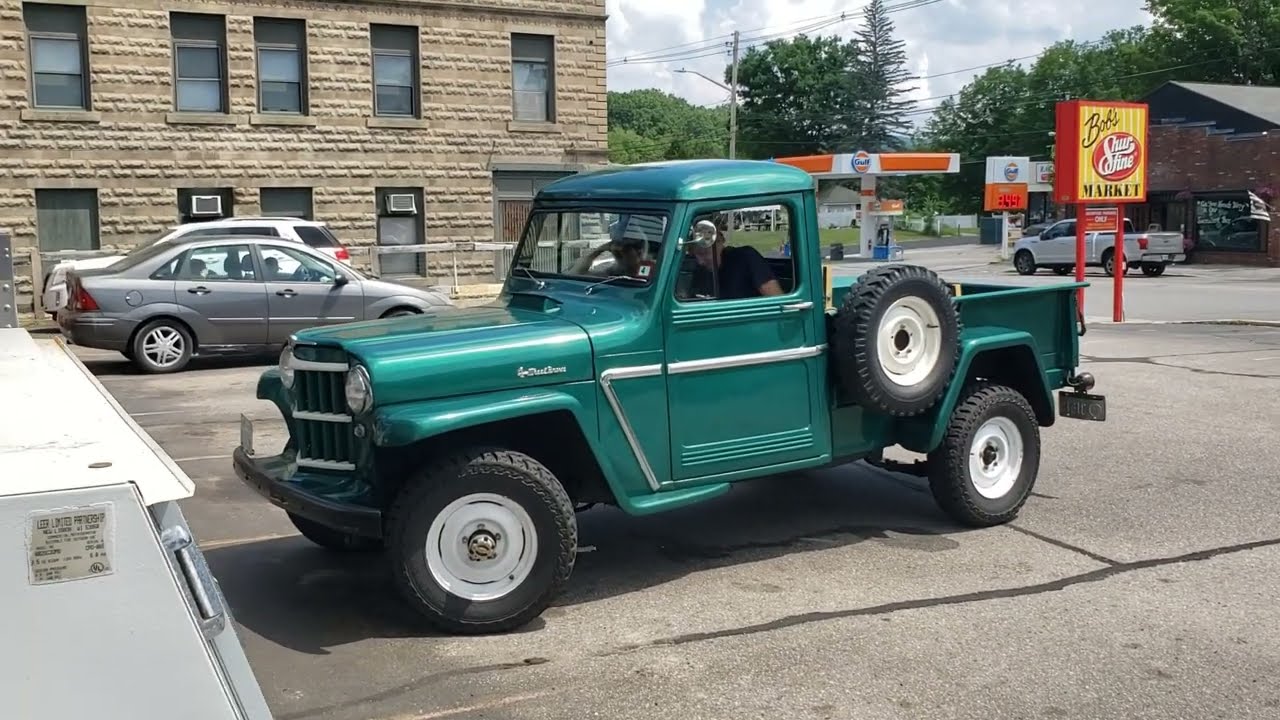
These Willys trucks shared DNA with the legendary Jeep CJ, but had longer wheelbases and more load capacity. Most came with the 134 cu-in “Go Devil” four-cylinder, later replaced by the “Hurricane” F-head.
They weren’t fast, but they were honest. With Dana axles, a steel bed, and a tight turning radius, these 4x4s worked in rural areas where others got stuck. Their simple mechanicals helped them stay in use long after newer trucks wore out.
1955–1960 Chevrolet Task Force Series
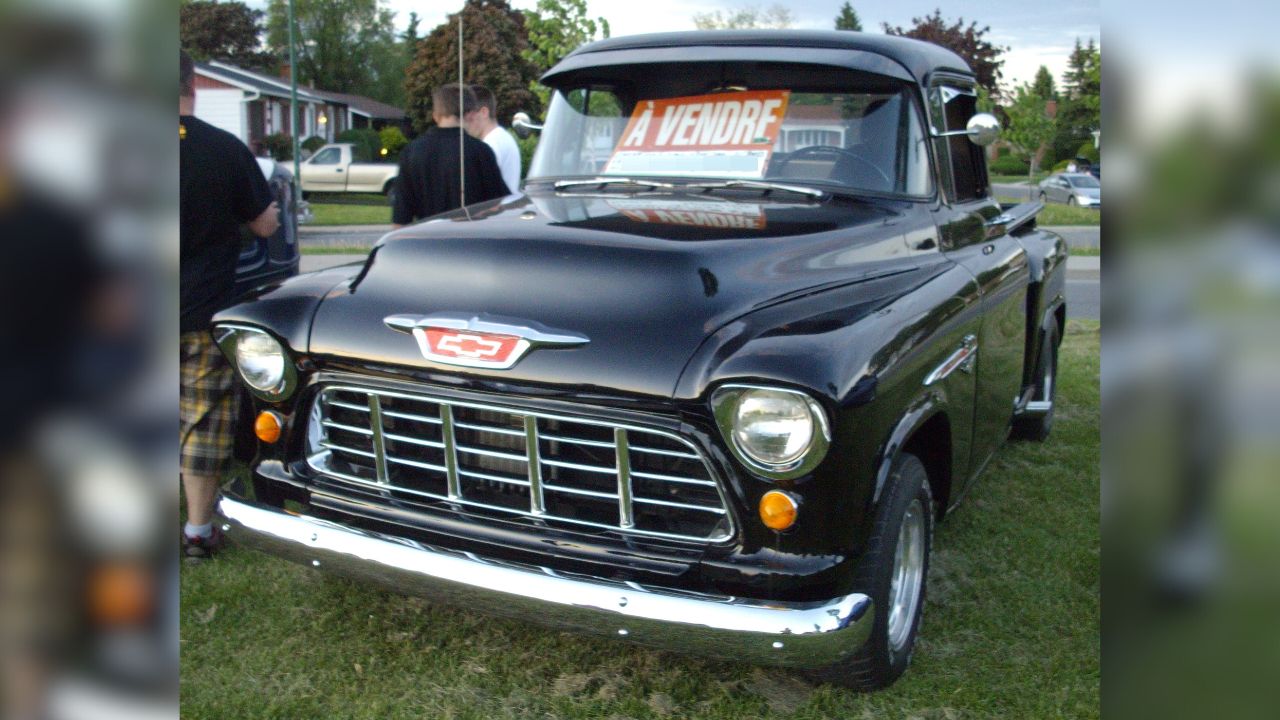
The Task Force trucks brought wraparound windshields and a stronger chassis. You could get the 235 inline-six or the 265 and 283 small-block V8s—either way, they ran forever with regular maintenance.
The beds were stout, the cabs had decent visibility, and the parts interchange kept them alive for decades. They weren’t fancy, but they didn’t need to be. These trucks were used for hauling hay, lumber, and everything in between.
1957–1963 International Harvester A/B Series
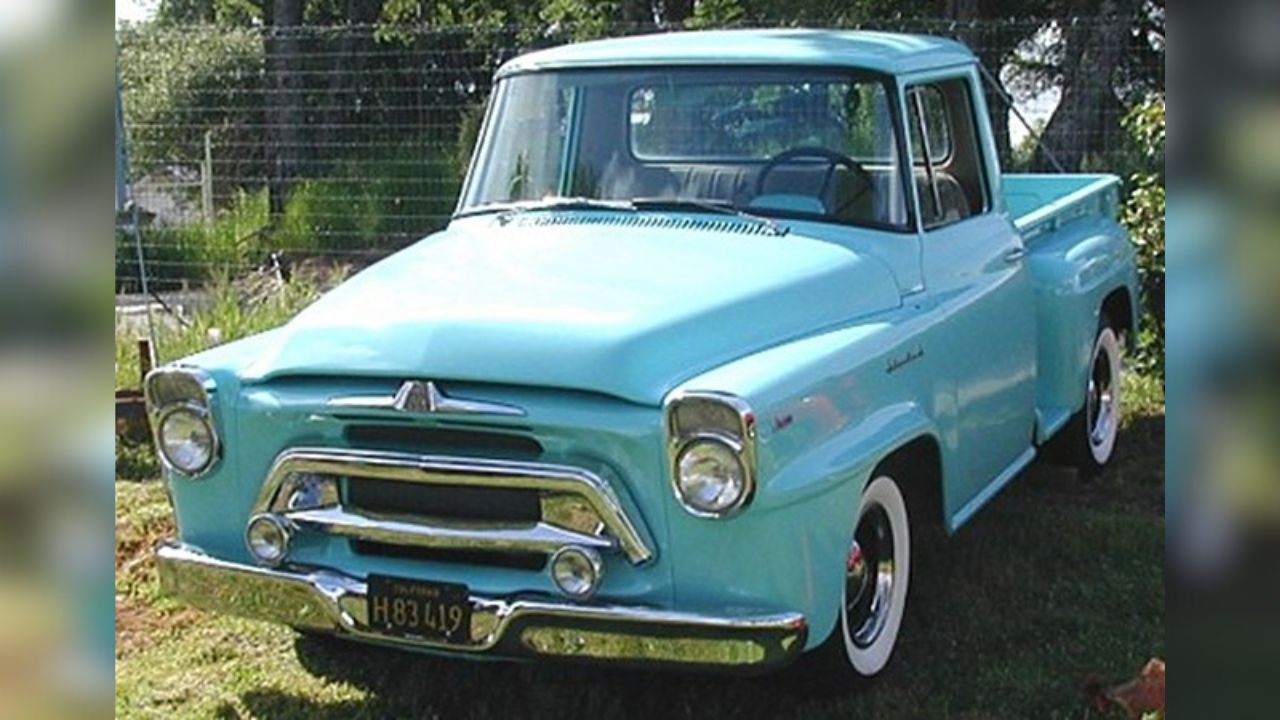
International trucks didn’t chase style—they chased durability. These trucks came with heavy frames, full-floating rear axles, and inline-sixes or V8s made for steady work, not speed.
You could spec them for farm use, oil fields, or delivery. Interiors were steel and vinyl, easy to clean and tough to wear out. International Harvester didn’t build trends—they built machines. That’s why so many are still running in rural areas today.
1952–1965 Toyota Land Cruiser FJ45 Pickup
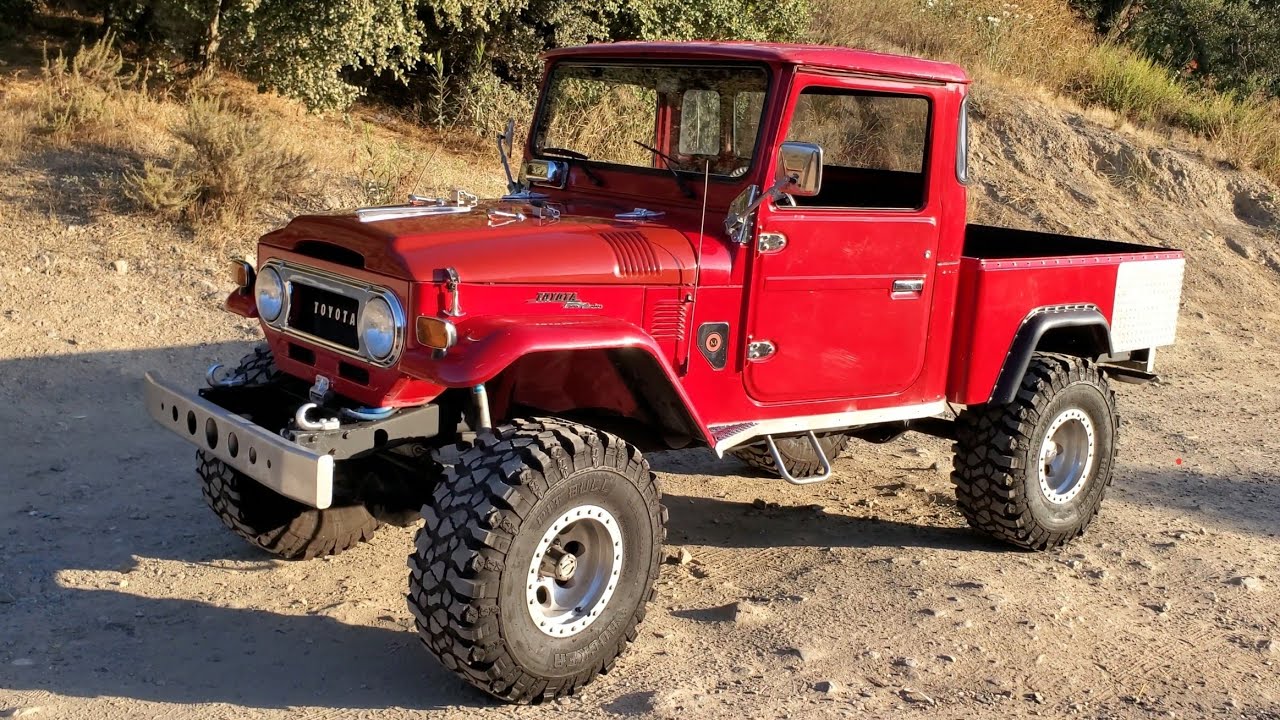
The FJ45 pickup was Toyota’s answer to the Jeep—but with a longer bed and better build quality. Powered by the 3.9-liter F-series inline-six, it made around 125 hp and had a 4-speed manual with part-time 4WD.
It used solid axles and leaf springs, and it didn’t mind bad roads. These trucks ran for decades in deserts, mountains, and jungles. While they were rare in the U.S., overseas they became legends of durability.
1949–1953 Studebaker 2R Series
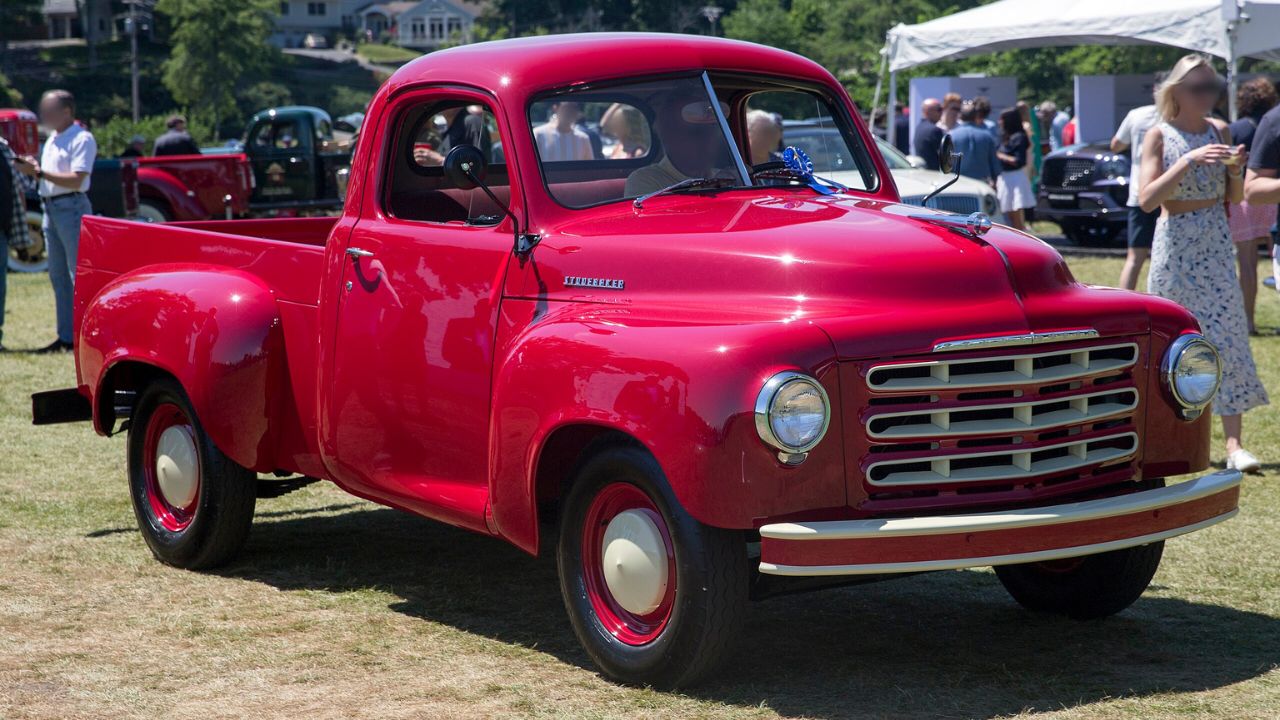
Studebaker’s 2R trucks were ahead of their time in design—sloped hood, wide grille—but didn’t sacrifice strength. Most used the Champion inline-six with a 3-speed manual, though heavier-duty versions came with the Commander engine.
The 2R featured a roomy cab, strong frame rails, and a low bed height for loading. Farmers and tradesmen appreciated its no-nonsense build, and many kept them going through the ’70s. They weren’t flashy, but they rarely gave up.
Like Fast Lane Only’s content? Be sure to follow us.
Here’s more from us:
*Created with AI assistance and editor review.