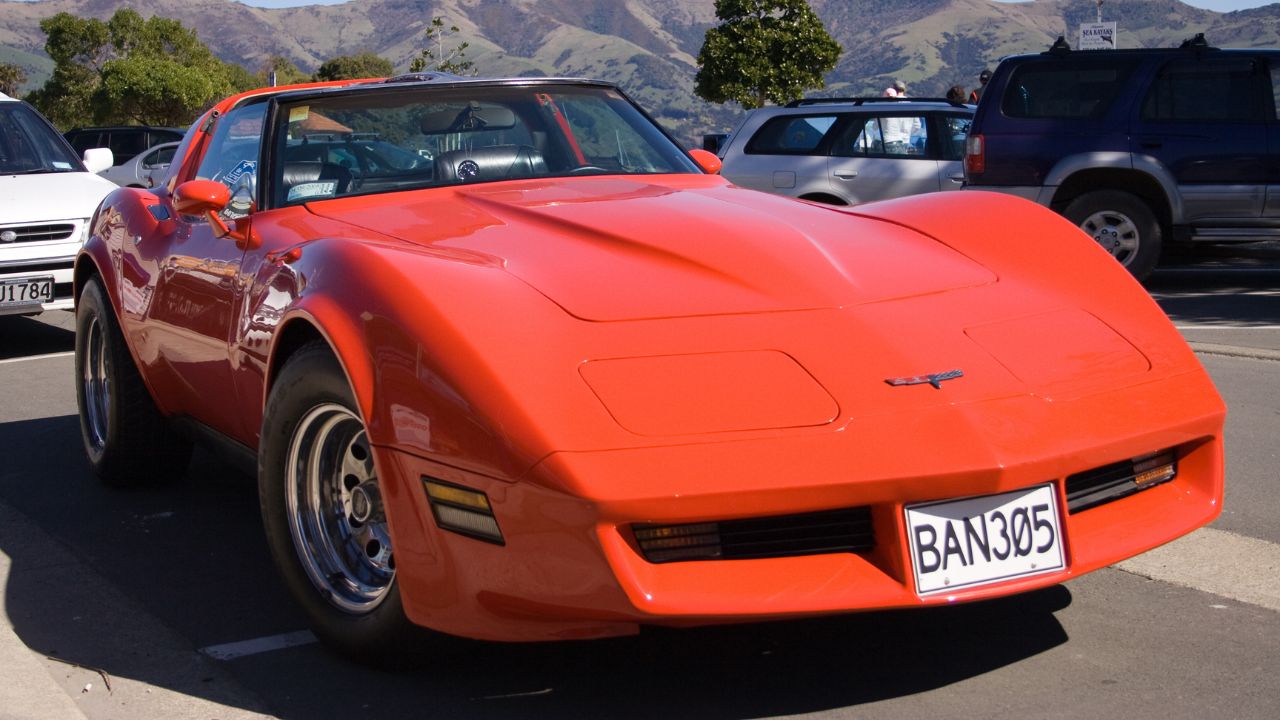
There’s no shortage of vintage cars that look great in photos and seem like a dream at car shows. But once you own one, the reality sets in. Parts are rare, repairs get expensive fast, and some just don’t drive as well as you’d expect. A few of these models earned a place in history—but that doesn’t mean they’re a good buy today.
Whether it’s unreliable tech, poor build quality, or underwhelming performance, these ten classics often bring more headaches than satisfaction. If you’re considering one, it’s worth taking a closer look before committing.
1981 DeLorean DMC-12
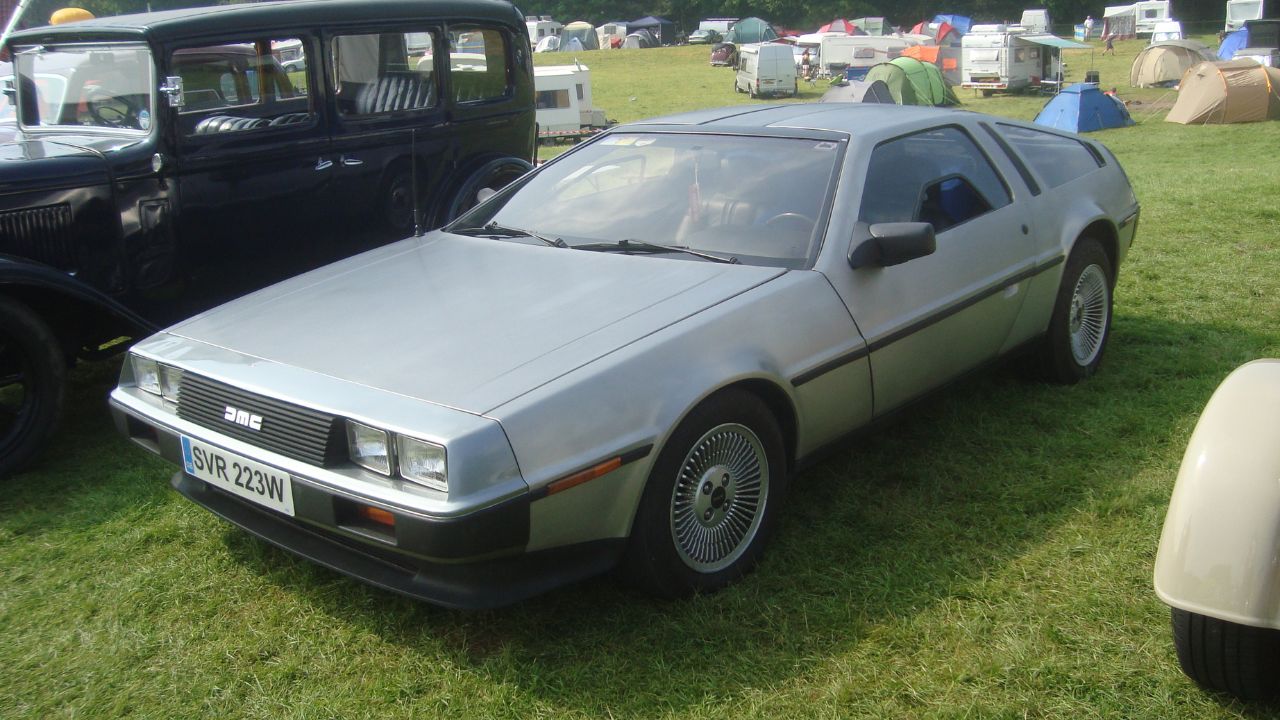
The DeLorean’s stainless steel body and gullwing doors still turn heads, but living with one is a different story. The underpowered 2.85L V6, borrowed from Peugeot-Renault-Volvo, only makes 130 hp—enough for a 0–60 time of nearly 10 seconds. That’s sluggish, even by early ’80s standards.
Parts availability is improving thanks to niche suppliers, but electrical gremlins and a cramped, outdated interior continue to be headaches. If you’re chasing nostalgia, just make sure you’re ready for a lot of downtime—and a driving experience that rarely lives up to the car’s image.
1974 Jaguar E-Type V12
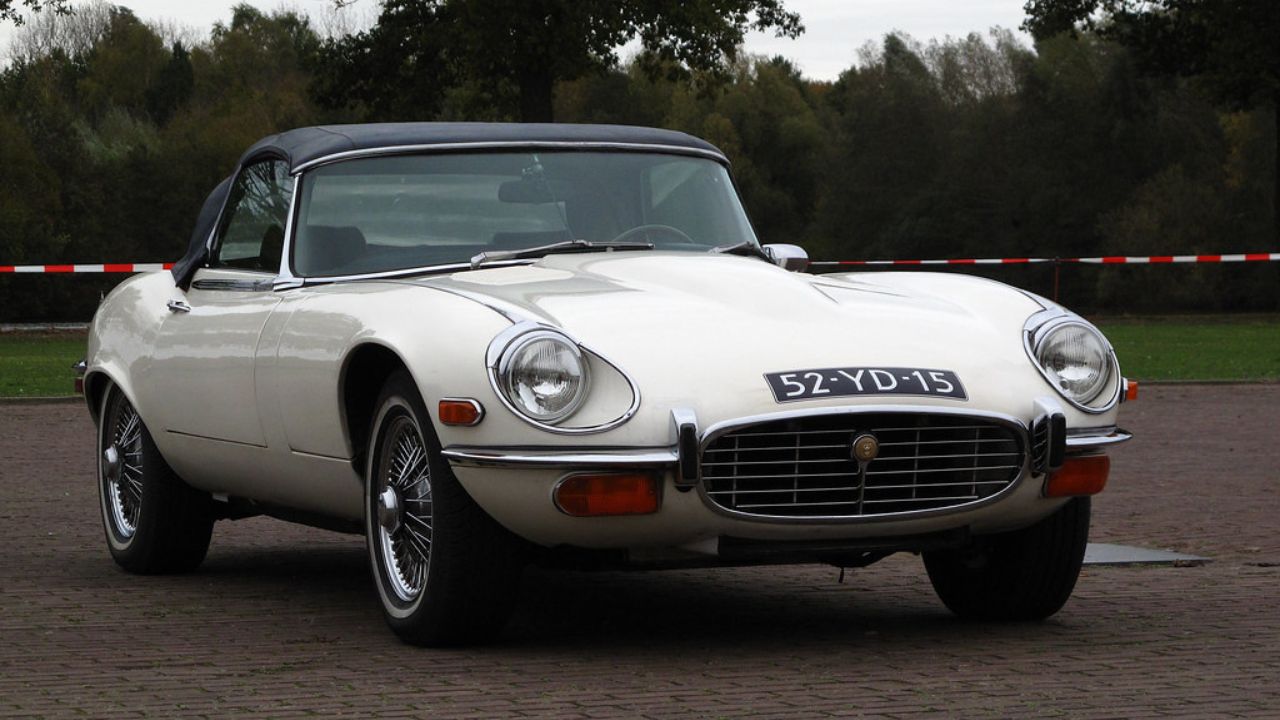
This V12 version of the E-Type is stunning, no doubt. But the added weight, complexity, and a long wheelbase dulled what made earlier E-Types so special. The 5.3L V12 makes 272 hp, but the car’s vague steering and dated suspension don’t inspire confidence.
Cooling issues, vacuum leaks, and Lucas electrical problems are common. Even well-kept examples need constant attention. And while parts are available, they aren’t cheap. It’s a car that’s better to look at than to rely on—especially if you actually plan to drive it.
1980 Chevrolet Corvette (C3)
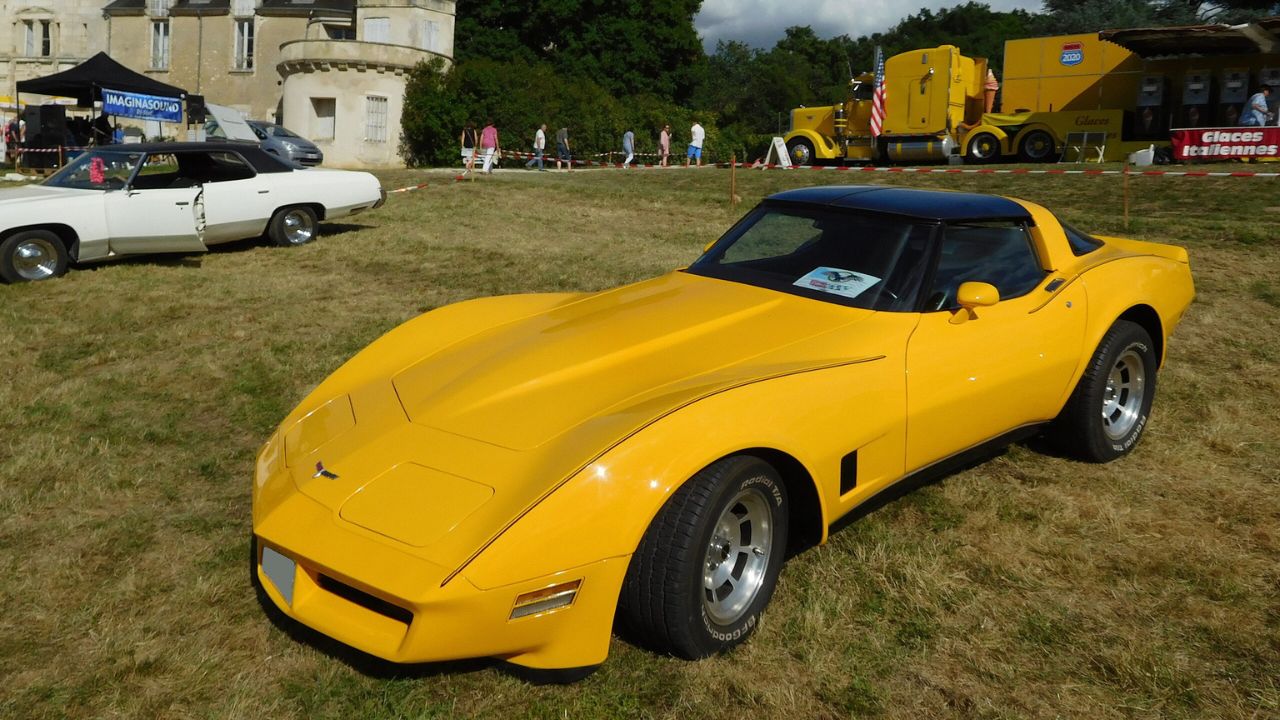
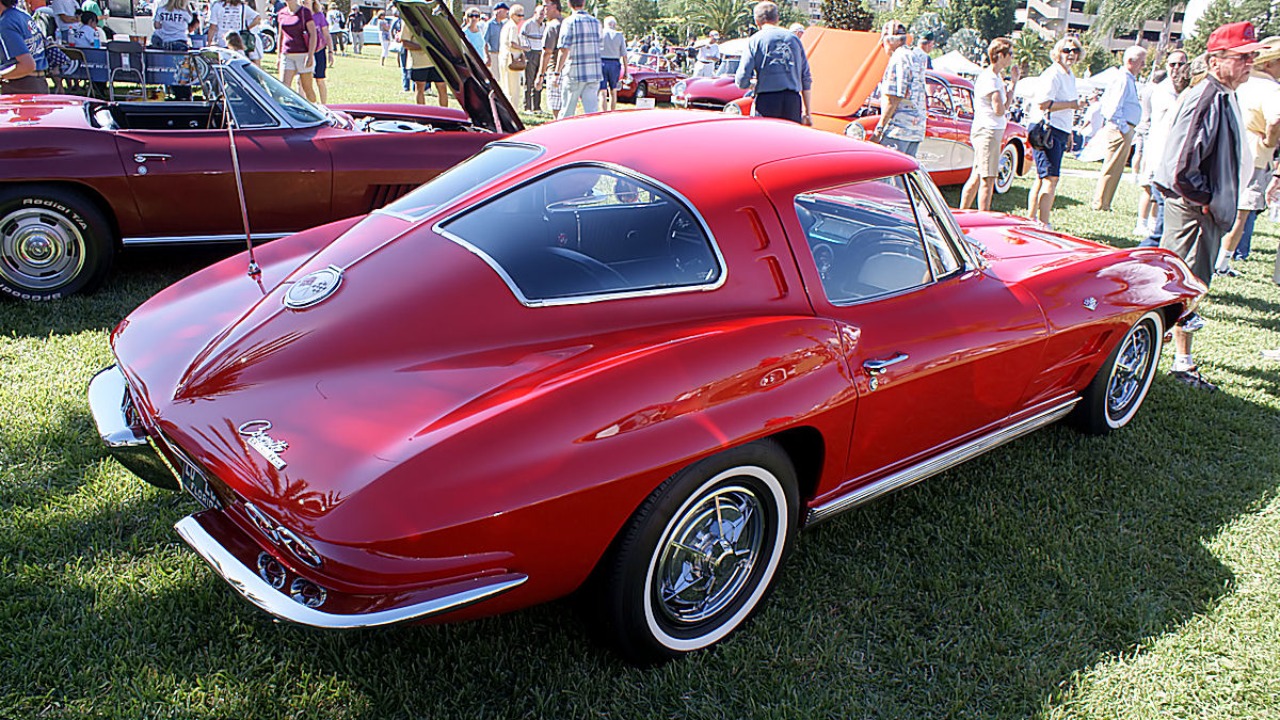
Late C3 Corvettes look the part with their long hood and dramatic curves, but under the surface, they’re far from exciting. The base 5.7L V8 in 1980 made just 190 hp—a disappointing figure for a car that’s supposed to be about performance.
Interior plastics aged poorly, and quality control was hit-or-miss. Handling is soft and vague compared to what came after, and the driving experience feels more style than substance. Unless you’re into slow cruises and t-top squeaks, you might find the car more frustrating than fun.
1971 Maserati Indy
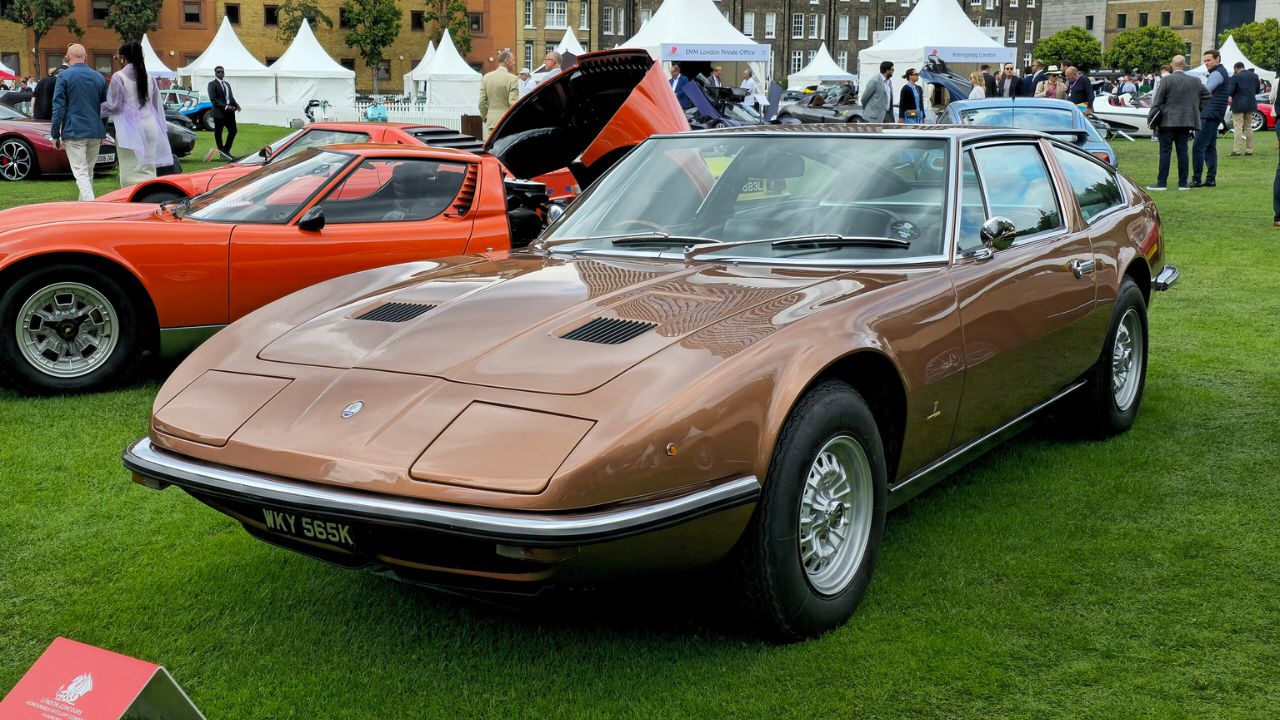
The Indy came with a 4.2L, 4.7L, or 4.9L V8 and had plenty of presence, but it never drove as well as it looked. The suspension setup is more grand tourer than sports car, and early examples lack the refinement people associate with Maserati today.
Build quality can vary wildly, and parts sourcing often involves calls to European specialists—with pricing to match. Rust, electrical issues, and worn interiors are common on neglected cars. You can find cleaner examples, but they won’t be cheap, and the ownership experience is rarely relaxing.
1975 Bricklin SV-1
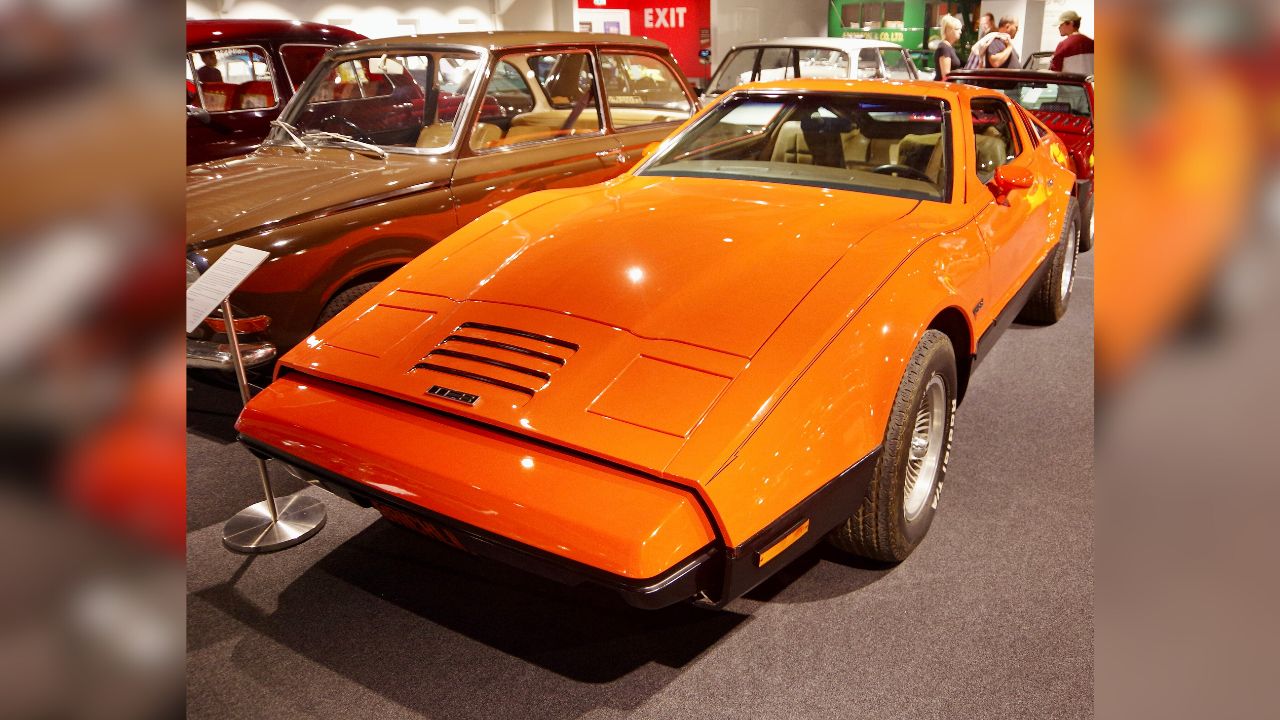
This Canadian-built safety sports car promised a lot but didn’t deliver. Early models used AMC’s 5.9L V8, later switching to Ford’s 5.8L, but neither setup gave it real performance cred. Most cars made less than 200 hp, which didn’t match the bold design.
Fit and finish were rough, and the power-operated gullwing doors were slow, heavy, and prone to failure. The car’s safety-first approach led to awkward proportions and poor visibility. Bricklins are rare, but rarity alone doesn’t equal value—or driveability.
1989 Chrysler TC by Maserati
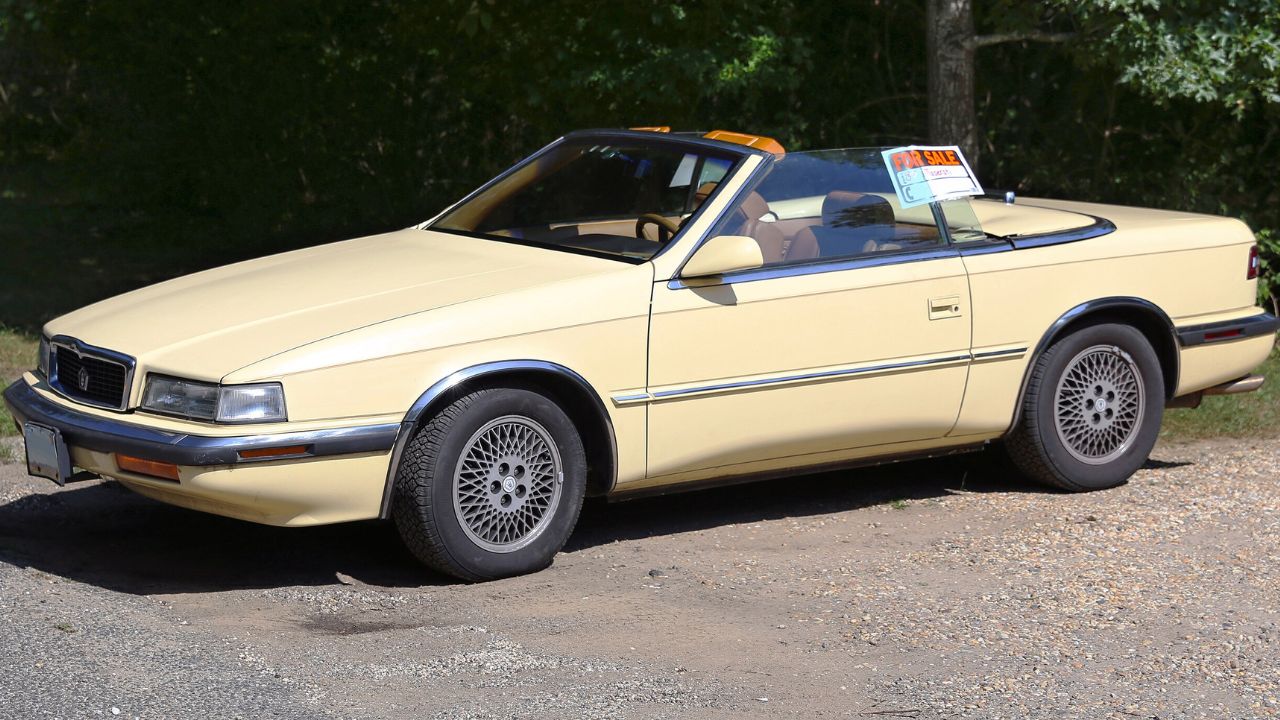
This Chrysler-Maserati collaboration sounded good on paper but ended up feeling like a dressed-up LeBaron. The early 2.2L turbo engines were peaky and not particularly refined, and even the later 3.0L V6 was more commuter-grade than anything else.
The build quality didn’t justify its price when new, and the design didn’t age well either. Interiors were plush but cramped, and many surviving examples suffer from flaky electronics. It’s a car that struggled to define itself, and even nostalgia can’t quite save it.
1977 Aston Martin Lagonda
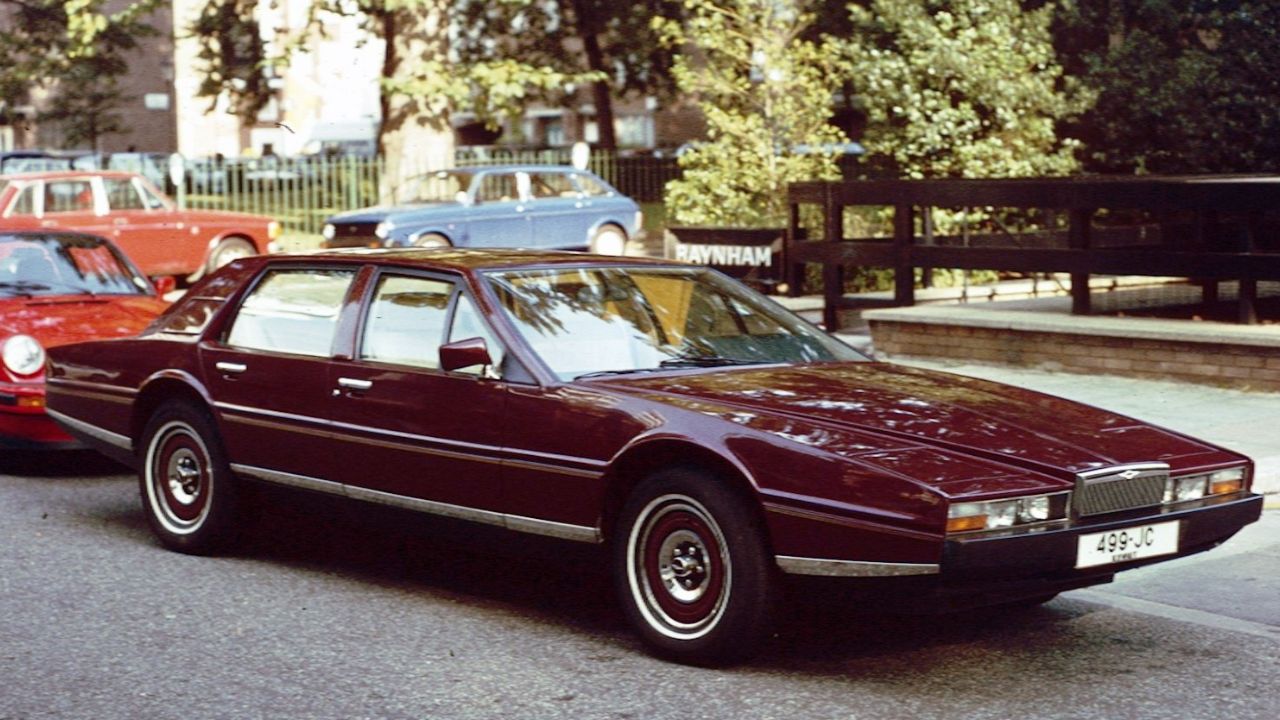
The Lagonda’s futuristic digital dashboard and wedge styling make it a conversation starter, but few cars are more notorious for electrical gremlins. The LED dash often failed, along with the touch-sensitive controls and pop-up headlights.
Its 5.3L V8 made decent power, but the car’s heavy weight and automatic-only transmission dulled the experience. Fuel economy was abysmal, and servicing the electronics often involves custom work. There’s appeal in its weirdness, but it’s not a car most people want to maintain.
1985 Ferrari Mondial QV
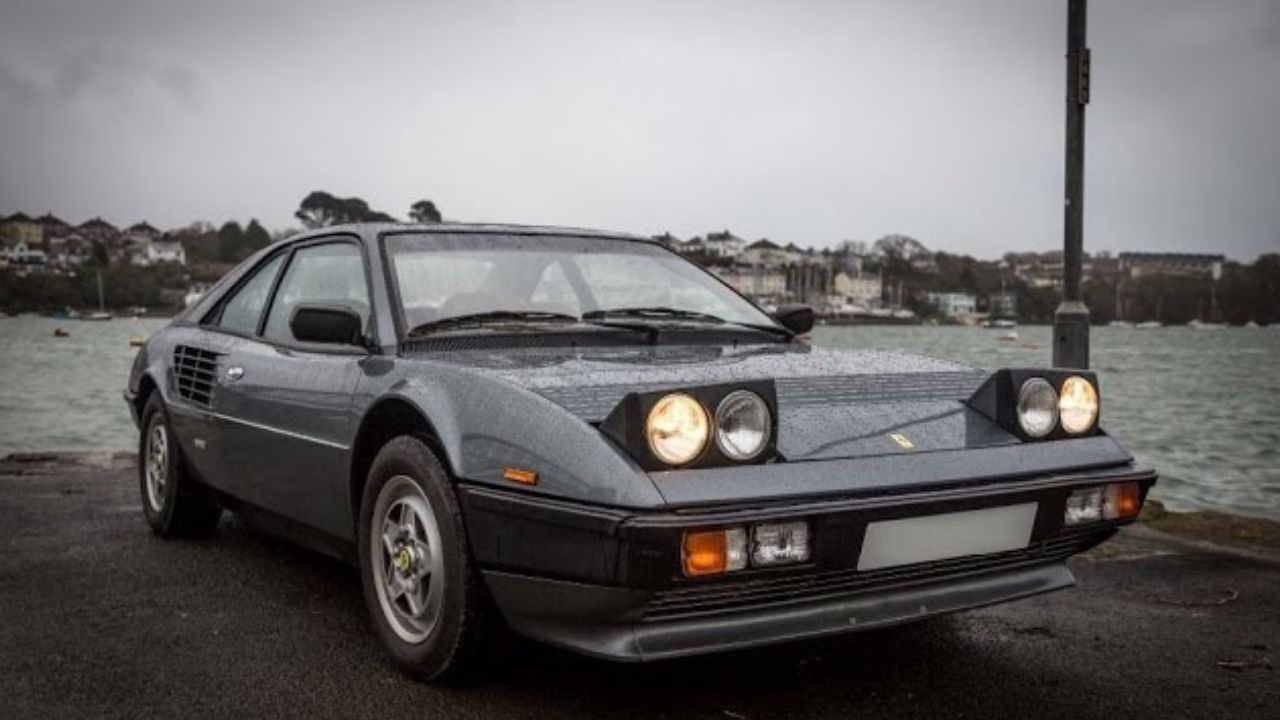
The Mondial had a mid-mounted 3.0L V8 and seating for four, but neither really helped its reputation. At 240 hp, it wasn’t exactly fast, especially with the weight and 5-speed manual transmission that could feel notchy at best.
Timing belt jobs come up frequently and aren’t cheap. Electrical quirks and tired interiors are also common. For many, it’s an affordable way into Ferrari ownership—but that affordability often means deferred maintenance and neglected history. You’ll spend more time chasing repairs than enjoying the badge.
1979 Triumph TR7
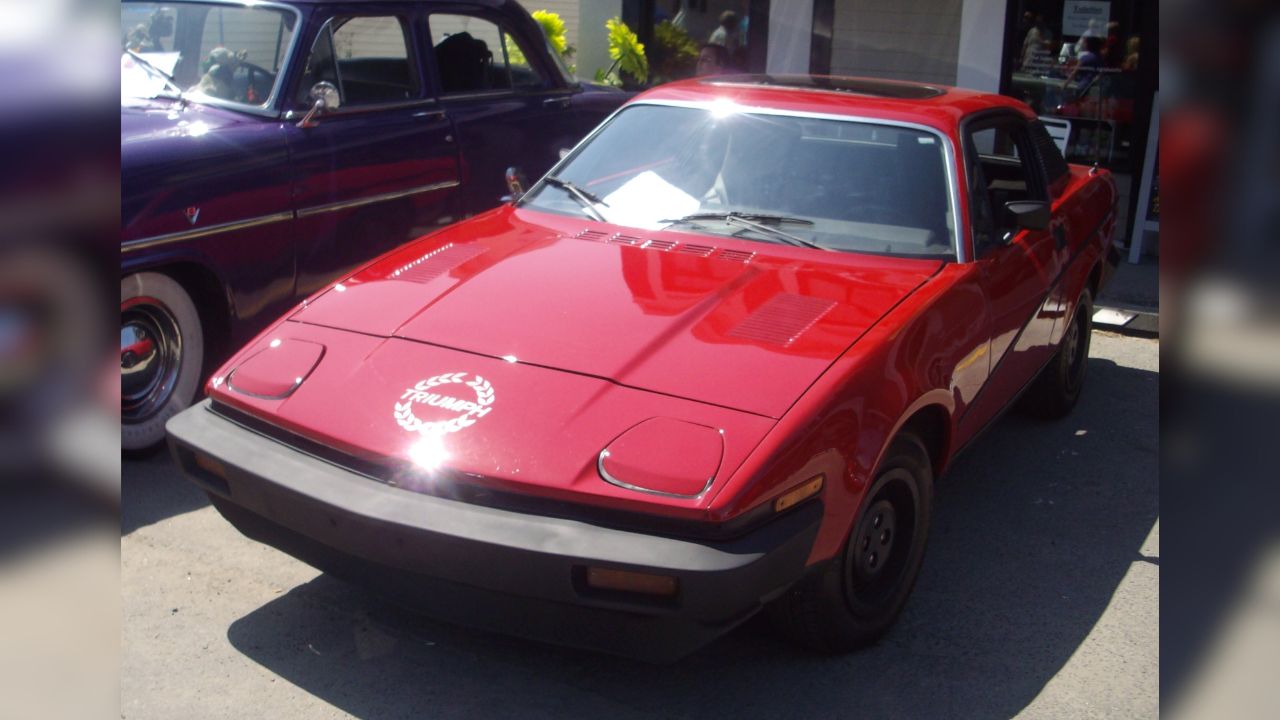
Marketed as “the shape of things to come,” the TR7 ended up being more of a dead end. The 2.0L four-cylinder engine made around 105 hp—not much for a sports coupe. Handling was decent, but reliability issues often got in the way.
Build quality was spotty, especially on early models, and rust can be a deal-breaker. Interior trim pieces were cheap and haven’t aged well. Even though values are still low, that doesn’t necessarily make it a bargain. You’ll likely spend more fixing it than driving it.
1980 Rolls-Royce Silver Spirit
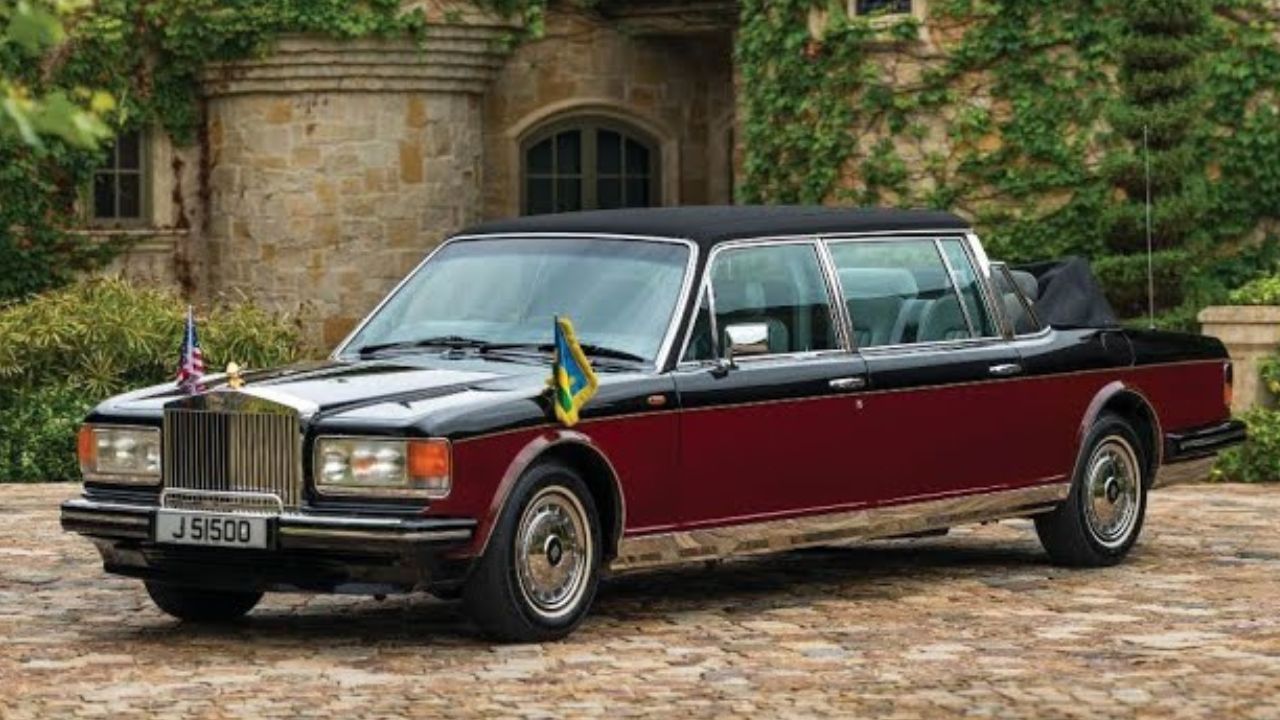
The Silver Spirit brought modern updates over the Silver Shadow, but maintenance costs remained sky-high. The 6.75L V8 is smooth but not particularly quick, and parts replacement often requires factory-only support or very specific specialists.
Hydraulic suspension systems, power accessories, and complex climate controls are prone to failure. Interiors are plush, but electronics haven’t aged well. These cars depreciated hard for a reason—they’re expensive to own, and even minor repairs can cost more than the car is worth.
Like Fast Lane Only’s content? Be sure to follow us.
Here’s more from us:
*Created with AI assistance and editor review.