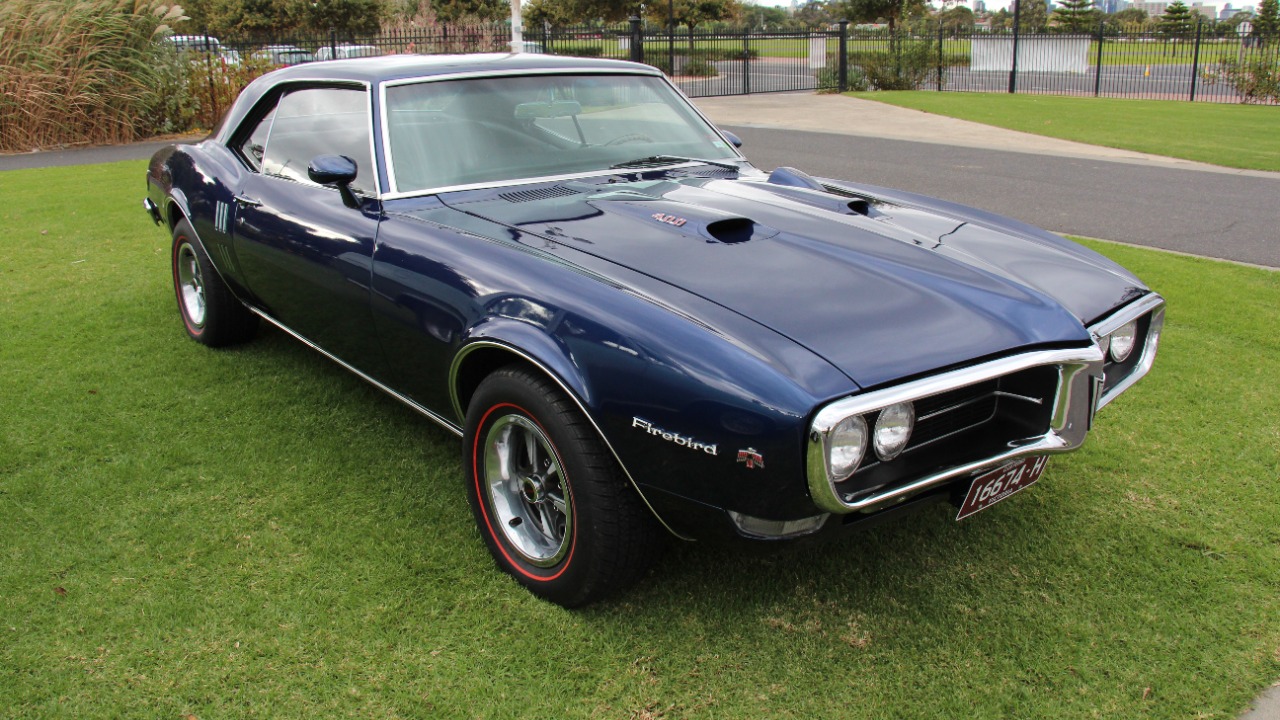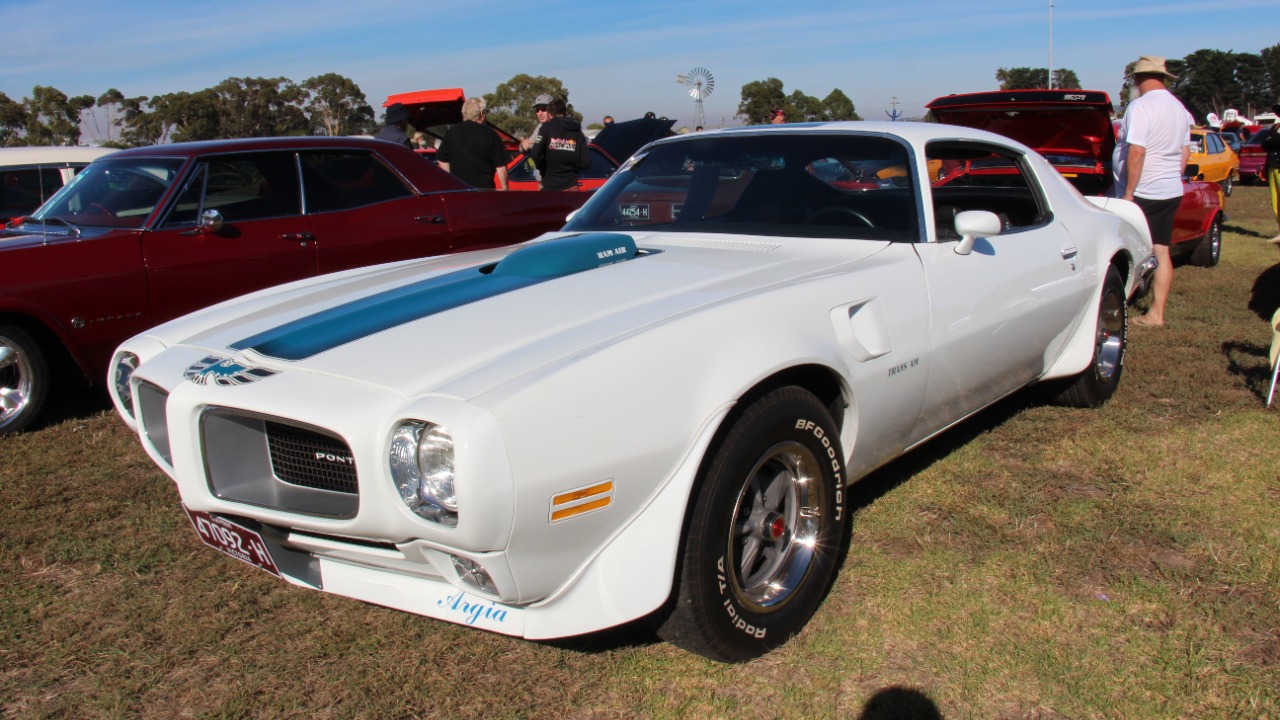
The 1970 Pontiac Firebird Trans Am arrived as a sharper, more focused machine than the swaggering muscle cars that had defined the decade. Where others chased quarter-mile glory, this car was engineered for balance, grip, and long-distance speed. It was built for a driver who cared as much about carving an apex as lighting up the rear tires.
More than half a century later, that intent still shapes how enthusiasts build and drive these cars. From long-term street survivors to track-inspired restomods, the 1970 Trans Am remains a touchstone for people who want muscle car drama with sports car discipline.
The second-generation gamble
The 1970 Pontiac Firebird Trans Am marked the debut of the second-generation Firebird, a lower and more aerodynamic shape that moved away from the upright pony-car proportions of the late 1960s. Contemporary descriptions of the Pontiac Firebird Trans describe it as an icon of American muscle from the golden era, but one that already leaned toward European-style handling.
Compared with the base Firebird and even the Formula models, the Trans Am was designed as the most track-ready variant. The bodywork wore functional front air dams and a rear spoiler, along with the now-famous twin hood scoops. Underneath, the chassis carried stiffer springs, heavier anti-roll bars, and specific steering and brake tuning aimed at high-speed stability rather than boulevard comfort.
That engineering focus aligned with the growing influence of road racing. Manufacturers were increasingly chasing success in series like Trans Am, where agility and durability mattered more than straight-line blasts. Pontiac used the Firebird platform to connect showroom cars with that racing narrative, and the 1970 Trans Am became the clearest expression of that strategy.
Suspension first, stripes second
Period performance options underline how serious Pontiac was about chassis tuning. Coverage of the Pontiac Firebird Formula notes that The Trans Am’s tighter suspension was offered optionally, and that this package consisted of 300 pounds per inch front springs, a thicker front sway bar, a rear bar, a track bar, and heavy duty shocks. That combination was intended to keep the car flat and predictable at speed, even on imperfect pavement.
Set against the typical muscle car recipe of soft springs and big engines, this setup signaled a different priority. The Trans Am was still powerful, but its identity came from how it turned and stopped. The suspension upgrades also influenced other models in the Firebird range, as Pontiac offered similar components on the Formula for buyers who wanted handling without the full Trans Am appearance package.
This focus on dynamics mirrored what other manufacturers were doing to homologate their cars for competition. An example from another brand, the 1970 AMC Javelin SST Trans Am Edition, used heavier springs, a sway bar, a track bar, and heavy duty shocks to provide the necessary handling acuity to run competitively in the Trans Am series. That parallel shows how chassis tuning became a central selling point for performance coupes at the start of the 1970s.
Torque-rich personality
Under the hood, the 1970 Trans Am was known as a torque monster rather than a high-revving screamer. Video coverage of the 1970 Pontiac Firebird highlights how the car delivered massive low-end pull that suited both street driving and road course work, with enthusiasts describing how they were too young or could not afford a car like this at the time and later built their own versions to match the memory of what they saw as kids. That emotional connection often centers on the way the engine responds from idle, shoving the car forward without needing to chase redline.
Another walkaround of a 1970 Pontiac Firebird by Mike from the Throttle Stop underscores the same character. The host introduces the car for Pontiac and muscle car fans, pointing out the blend of visual aggression and mechanical refinement that defined the model. The emphasis is again on usable power and a broad torque curve, a combination that made the Trans Am feel fast in real-world driving rather than only on paper.
This character also shaped how owners used the cars. Rather than being drag-strip specials that spent most of their lives in garages, many Trans Ams were driven hard on back roads, long highway trips, and occasional track days. The engine and suspension balance encouraged that kind of use, and it still influences how modern builders approach restomods based on the 1970 shell.
A Trans Am that never left
Nothing illustrates the car’s appeal better than the story of a single-owner 1970 Trans Am that has stayed with the same enthusiast for more than four decades. One detailed profile of a white-and-blue example describes how this particular car has laid rubber with the same owner for 44 years, surviving changing trends and multiple waves of collector interest. The piece follows the car from its early street racing days through careful preservation and sympathetic upgrades.
That long relationship shows what kind of driver the Trans Am tends to attract. Rather than flipping the car as values rise, the owner treated it as a long-term companion, maintaining the original spirit while making subtle improvements. The story reveals how the car still wears its classic graphics and proportions, yet benefits from modern touches that make it more enjoyable on current roads. The focus is on driving, not just showing.
Such long-term stewardship also helps preserve the model’s reputation as a genuine performance machine. Cars that stay in one set of hands often avoid the kind of neglect or questionable modifications that can plague more speculative purchases. In this case, the 44-year span of ownership acts as a living archive of how the Trans Am has been driven, maintained, and appreciated across generations.
From street car to showpiece
Other 1970 Trans Ams have taken a more radical path, evolving into highly finished show and track cars. A detailed feature on one 1970 Pontiac Trans highlights how builders can push the platform far beyond factory performance while keeping the signature look intact. That car combines updated suspension, modern brakes, and revised powertrain components with carefully restored bodywork and period-correct graphics.
The result is a machine that still reads instantly as a 1970 Trans Am, yet drives to contemporary expectations. The ride height is dialed in to give the right stance without sacrificing geometry, the wheels and tires are chosen for grip rather than nostalgia alone, and the interior blends original design cues with subtle upgrades. The build reflects the same priorities Pontiac engineers had in 1970, only with better tools and parts.
Social media groups dedicated to second-generation Firebirds are filled with similar projects. In one enthusiast thread, owners share images of a blue 1970 Trans Am with modern wheels and a reworked suspension, debating the merits of different spring rates and sway bar combinations. Another discussion centers on a car that retains its original graphics but adds updated lighting and a more supportive seat, illustrating how owners personalize these cars without losing their core identity.
The “phantom” muscle car for younger fans
Despite its status among long-time enthusiasts, the 1970 Trans Am can feel like a phantom Pontiac muscle car to younger drivers. One analysis aimed at Gen Z notes that the second-generation Trans Am often lives in the shadow of later, more famous movie cars. While the black-and-gold late 1970s models have pop culture recognition, the earlier 1970 version is less likely to appear in social media feeds or casual car conversations.
That disconnect partly reflects how few clean examples are visible on the street. Many 1970 cars are tucked away in collections or appear only at specialist events. At the same time, the styling is more restrained than the flared and decal-heavy cars that followed, which can make it less instantly recognizable to people raised on exaggerated 1980s and 1990s designs.
The same analysis argues that this relative obscurity may actually help the 1970 Trans Am appeal to younger enthusiasts who want something different from the usual icons. For those who discover it, the car offers a mix of analog feedback, motorsport heritage, and distinctive looks that stand apart from more commonly referenced muscle machines.
Community garages and online tribes
The modern Trans Am community keeps that discovery process alive through a mix of local clubs and online groups. In one Facebook community post, owners share photos of a meticulously restored 1970 Trans Am, discussing paint codes, stripe placement, and the correct finish for the iconic shaker scoop. The comments reveal a deep pool of collective knowledge, from factory documentation to hands-on experience.
Another thread in a different group highlights a survivor-grade car with period modifications, including aftermarket wheels and a slightly lowered stance. Members debate whether to return the car to stock or preserve its day-two character, a conversation that reflects the broader tension between originality and personalization in the classic car world. The post, which appears in a dedicated Trans Am enthusiast group, shows how even small details can spark passionate discussion among people who care about these cars.
These communities also serve as informal archives. Photos of dealer brochures, race cars, and family snapshots from the 1970s sit alongside modern build updates. Younger members use this material to understand how the cars were used when new, while long-time owners use it to validate their memories and restoration choices.
Firebird family, from Formula to wild customs
The Trans Am did not exist in isolation. It sat at the top of a Firebird family that also included the Formula and base models, each with its own audience. Coverage of the 400 powered Formula points out that many buyers chose that car for its cleaner styling and slightly softer image, even while ordering the same suspension components that defined The Trans Am. The Formula Stance, with its performance springs and bars, effectively turned the car into a stealth Trans Am without the graphics.
At the other extreme, modern builders have pushed Firebirds into outrageous territory. A widely shared Instagram reel shows a blue on blue convertible described as a Pontiac Firebird with a claimed 1,900 HP output, built by nostalgia-focused hot rodders. The clip, tagged with Pontiac Firebird references, illustrates how far the platform can be stretched when originality is no longer the goal.
Between those poles sit countless street-driven cars that blend period-correct looks with modest upgrades. Some owners keep the original 15 inch wheels but fit better tires, others retain the factory interior while adding discreet modern audio or air conditioning. The shared thread is a desire to keep the Firebird and Trans Am lineage relevant for real driving rather than static display.
Modern echoes and new interpretations
The appeal of 1970 era styling and proportions has not been lost on contemporary builders. One company dedicated to reimagining classic muscle cars has created modern Trans Am inspired models built on updated platforms, using current powertrains and materials while echoing the lines of early second-generation Firebirds. Their website showcases cars with familiar twin scoops and aggressive front ends, but with carbon fiber components and modern safety features.
More from Fast Lane Only